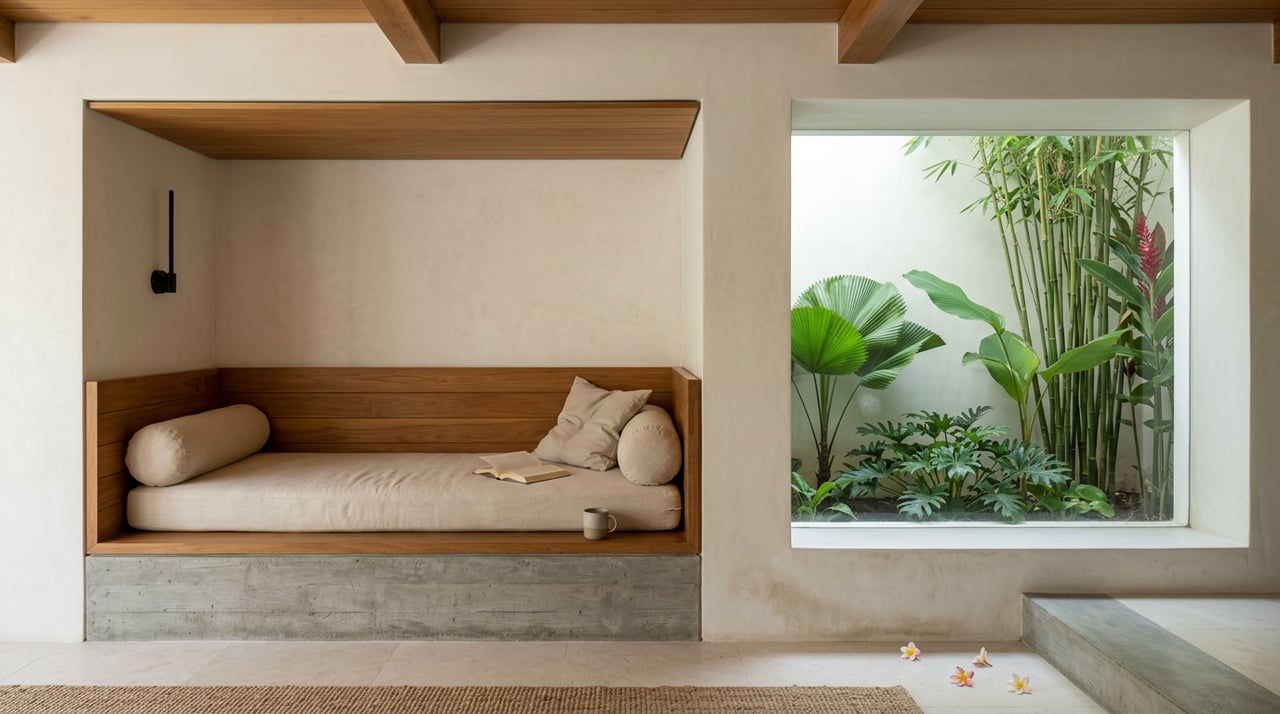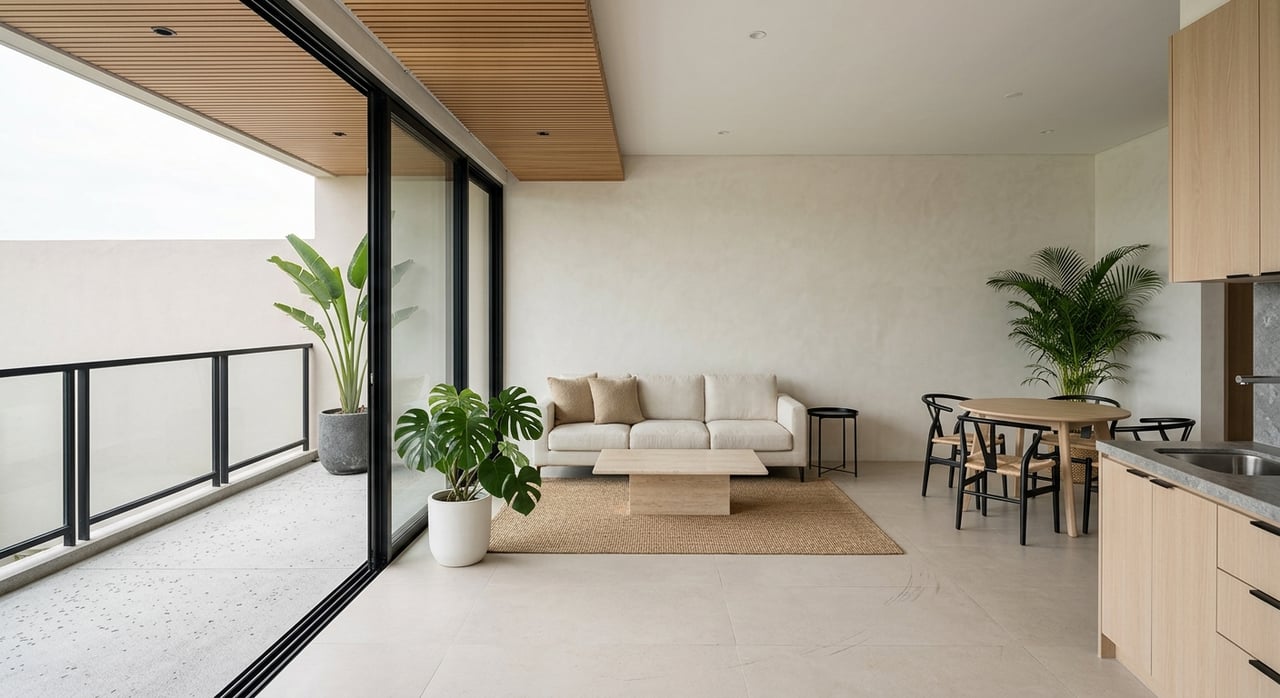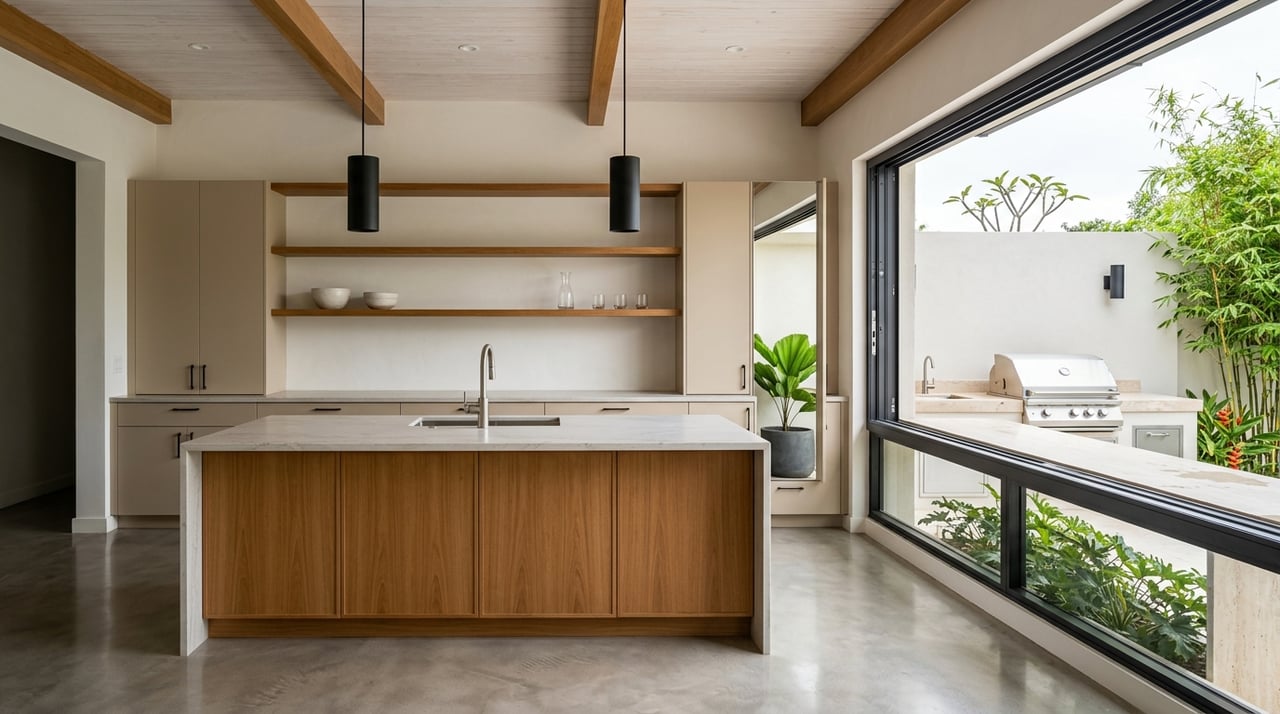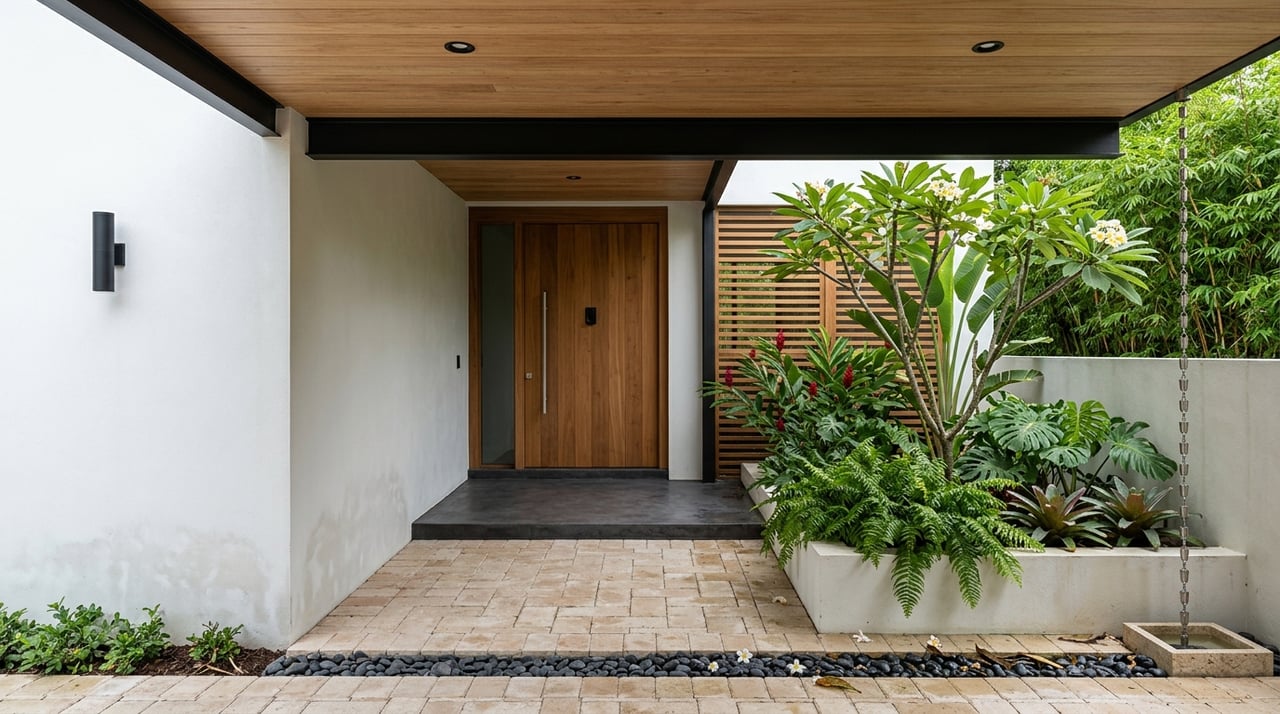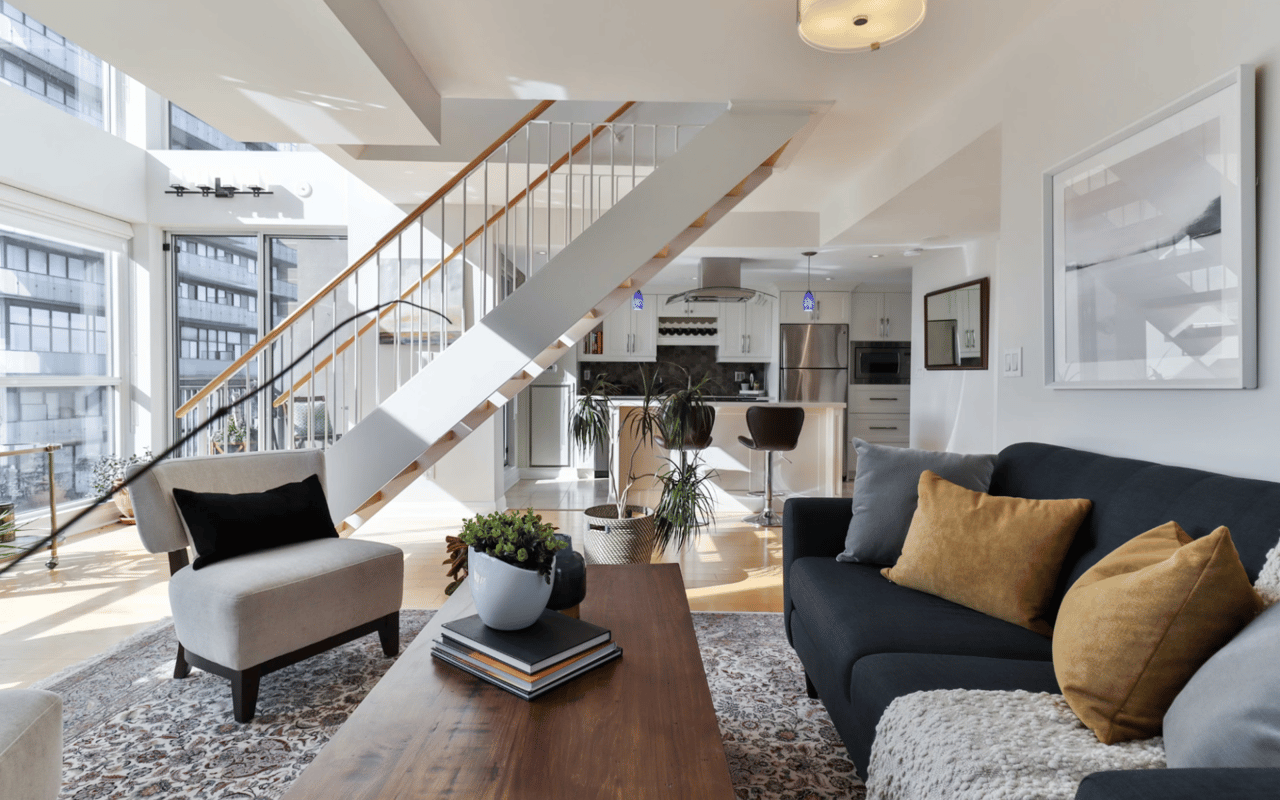
Improving the air quality in your home is an essential step towards creating a healthier and more comfortable living environment. With the increasing awareness of indoor air pollution and its potential effects, many are seeking effective ways to enhance the air they breathe indoors. From simple changes to more comprehensive solutions, there are numerous strategies to consider. By focusing on various aspects of your home environment, you can significantly improve air quality and enjoy a fresher, cleaner atmosphere.
Regular Ventilation
One of the simplest and most effective ways to improve indoor air quality is through regular ventilation. Opening windows and doors allows fresh air to circulate throughout your home, reducing the concentration of indoor pollutants. This practice is particularly beneficial in areas like kitchens and bathrooms, where moisture and odors can accumulate. Even in colder months, brief periods of ventilation can help maintain a healthier indoor environment. Consider using exhaust fans in areas prone to humidity to further enhance air circulation.
Use of Air Purifiers
Air purifiers are a valuable tool for removing airborne particles such as dust, pollen, and pet dander. These devices work by drawing in air, filtering out contaminants, and releasing clean air back into the room. When selecting an air purifier, look for models with HEPA filters, which are highly effective at capturing small particles. For those with allergies or respiratory concerns, air purifiers can make a noticeable difference in air quality and overall comfort.
Incorporating Indoor Plants
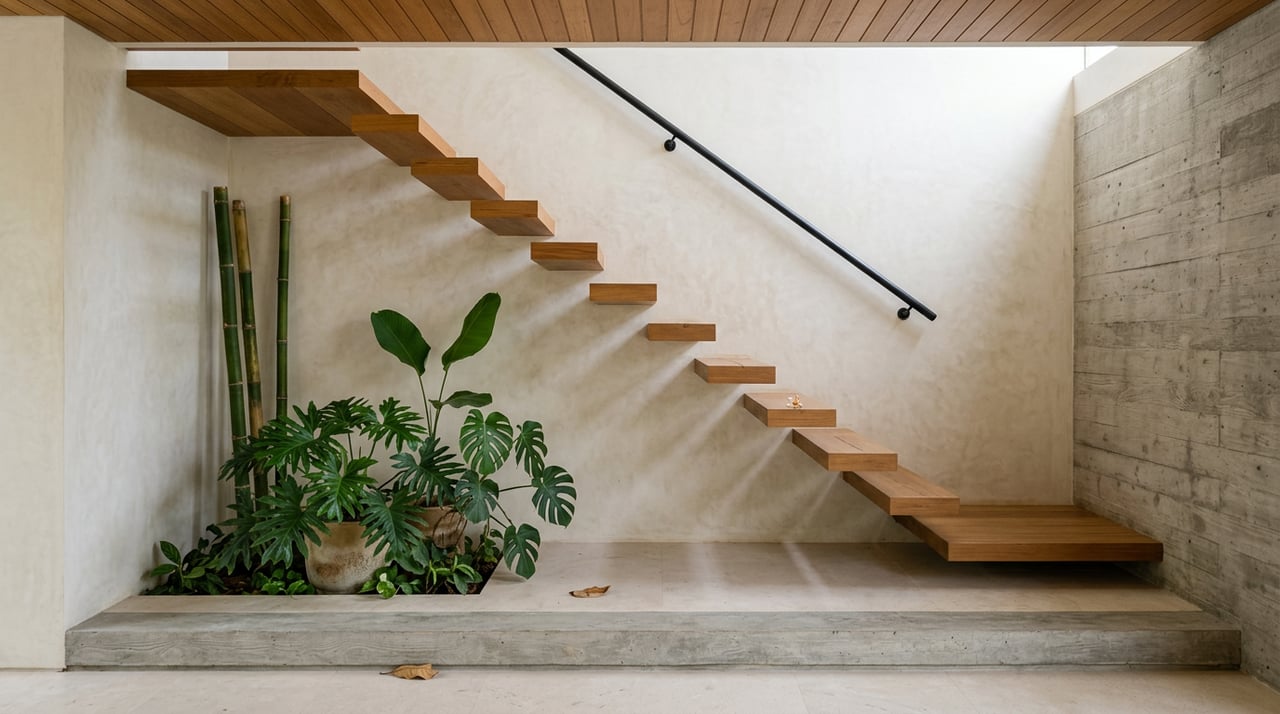
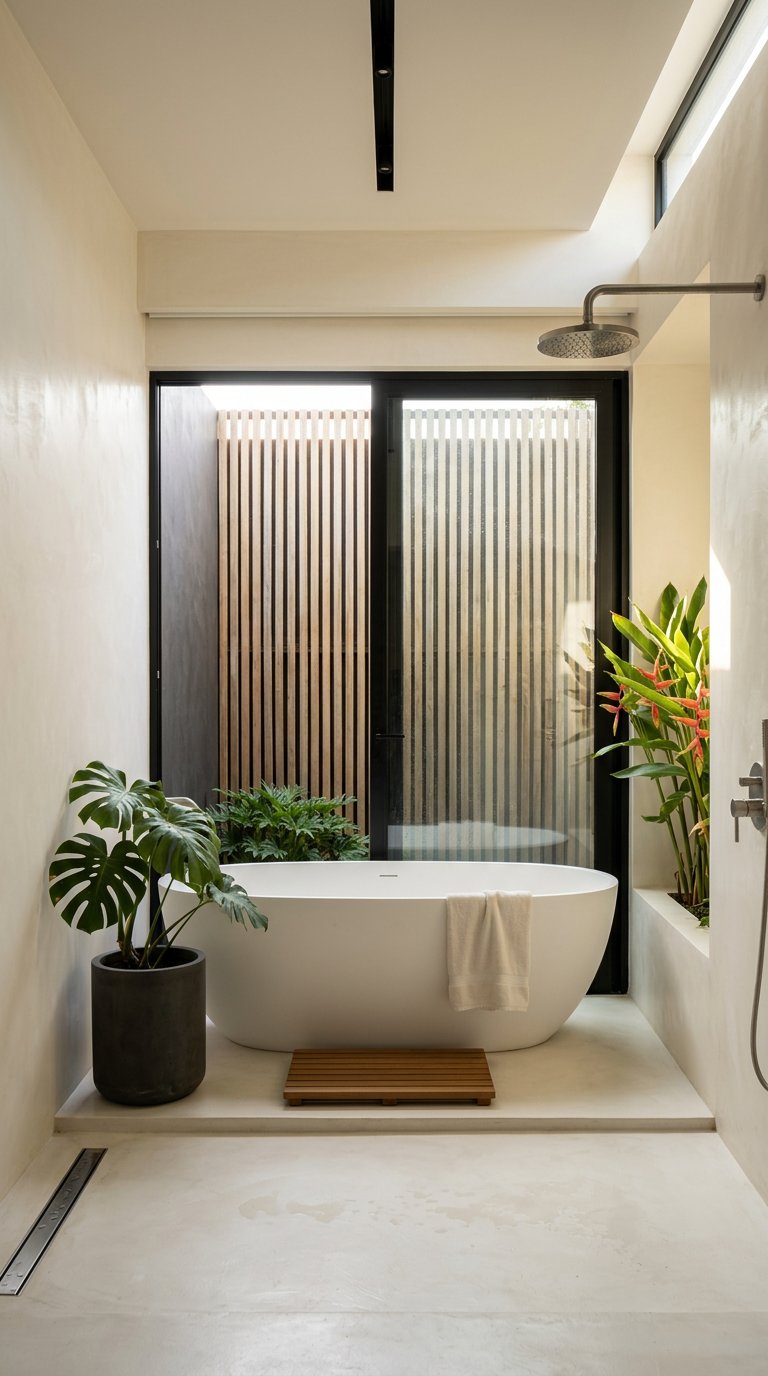
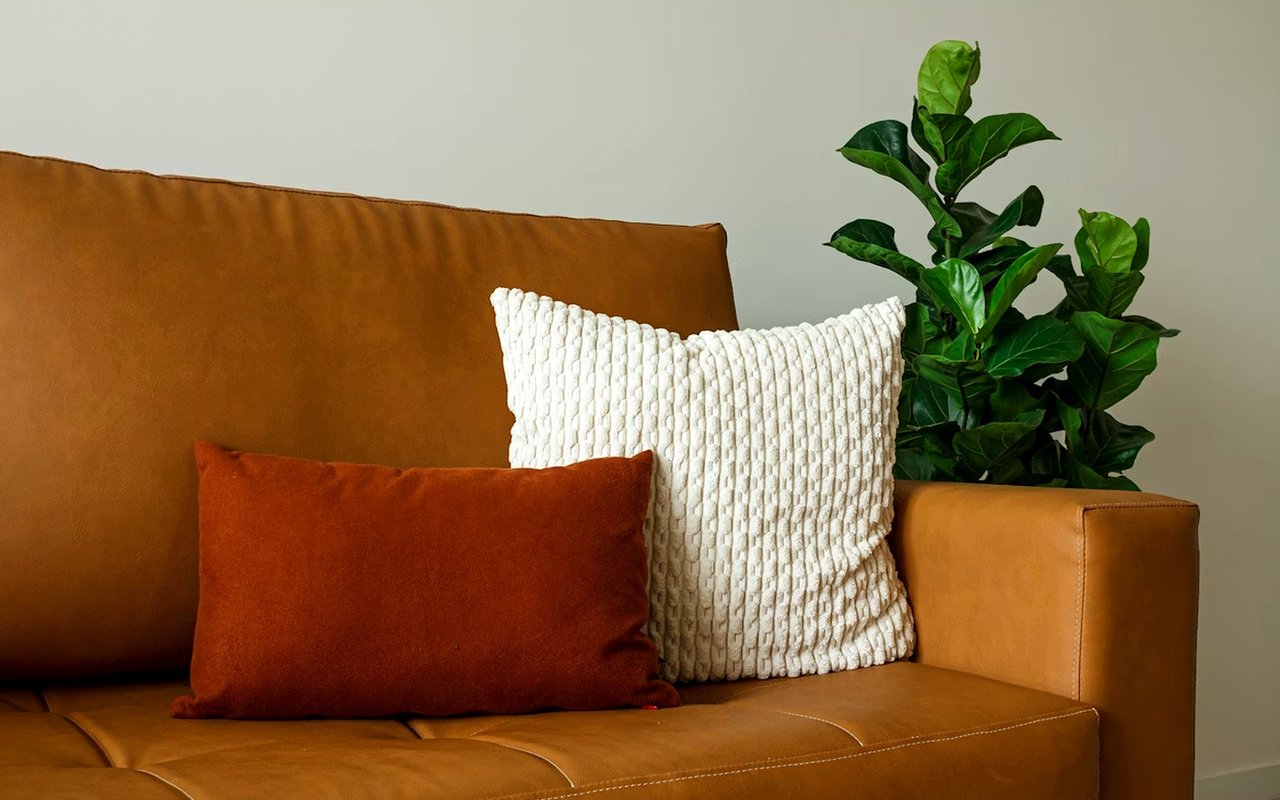
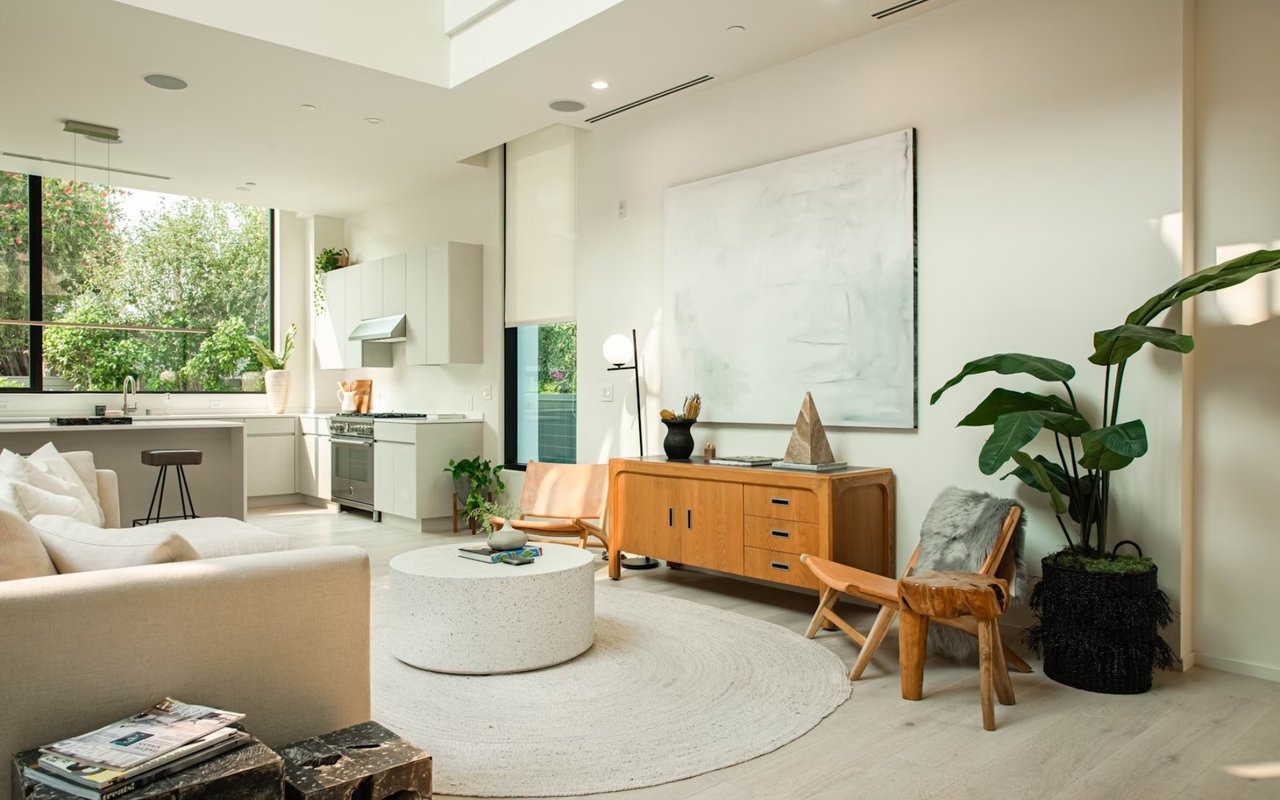
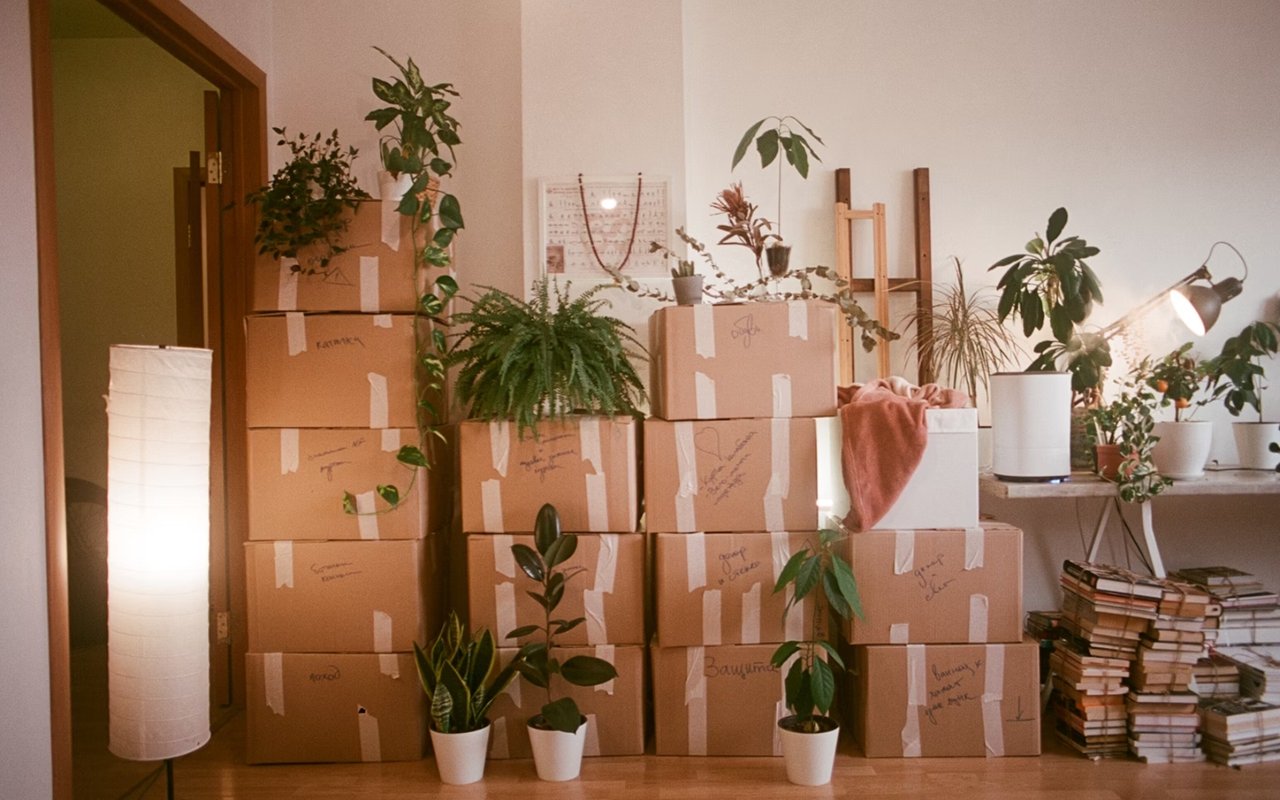
Indoor plants not only add aesthetic appeal to your home but also contribute to improved air quality. Plants like spider plants, peace lilies, and snake plants are known for their ability to absorb pollutants and release oxygen. By incorporating a variety of indoor plants, you can naturally enhance the air quality while enjoying the calming presence of greenery. It's important to choose plants that are well-suited to your home's lighting conditions and to care for them properly to maximize their benefits.
Regular Cleaning and Dusting
Maintaining a clean home is crucial for good air quality. Regular cleaning and dusting help reduce the accumulation of dust mites, pet hair, and other allergens. Use a vacuum cleaner with a HEPA filter to effectively capture particles from carpets and upholstery. Additionally, washing bedding and curtains frequently can prevent the buildup of allergens. Pay attention to areas that are often overlooked, such as ceiling fans and vents, to ensure a thorough cleaning routine.
Controlling Humidity Levels
Humidity levels play a significant role in indoor air quality. High humidity can lead to mold growth, while low humidity can cause dryness and irritation. Aim to maintain indoor humidity levels between 30% and 50% for optimal comfort and air quality. Dehumidifiers can be used in damp areas to reduce moisture, while humidifiers can add moisture to the air during dry seasons. Monitoring humidity levels with a hygrometer can help you make necessary adjustments.
Avoiding Synthetic Fragrances
While air fresheners and scented candles may seem like a quick fix for unpleasant odors, they often contain synthetic fragrances that can contribute to indoor air pollution. Instead, opt for natural alternatives such as essential oils or homemade potpourri. These options provide pleasant scents without introducing harmful chemicals into the air. Additionally, addressing the source of odors, such as cleaning or ventilating, can be more effective in maintaining fresh air.
Using Natural Cleaning Products
Many conventional cleaning products contain volatile organic compounds (VOCs) that can negatively impact indoor air quality. Switching to natural cleaning products can reduce the presence of these harmful chemicals in your home. Look for products labeled as non-toxic or make your own cleaning solutions using ingredients like vinegar, baking soda, and lemon. Natural cleaning products are not only better for air quality but also safer for those living in the home.
Regular Maintenance of HVAC Systems
Your home's heating, ventilation, and air conditioning (HVAC) system plays a crucial role in maintaining air quality. Regular maintenance, such as changing air filters and cleaning ducts, ensures that the system operates efficiently and effectively. Dirty filters can circulate dust and allergens, while clean filters help trap these particles. Scheduling professional HVAC inspections can also identify any issues that may affect air quality and address them promptly.
Reducing Indoor Pollutants
Being mindful of activities that introduce pollutants into the home can significantly improve air quality. Smoking indoors, using harsh chemicals, and burning certain materials can release harmful substances into the air. Encourage outdoor smoking, choose low-VOC products, and avoid burning materials that produce smoke and soot. By reducing the sources of indoor pollutants, you can create a cleaner and healthier living space.
Implementing a No-Shoes Policy
A simple yet effective way to improve air quality is by implementing a no-shoes policy in your home. Shoes can track in dirt, dust, and other outdoor pollutants that can compromise indoor air quality. Encourage everyone to remove their shoes at the entrance and provide slippers or indoor footwear as an alternative. This practice helps keep floors cleaner and reduces the amount of allergens and contaminants brought into the home.
Breathe Easier in Your Home
Improving the air quality in your home is a crucial step towards a healthier lifestyle. Simple changes, like adding houseplants or using air purifiers, can make a significant difference. By taking these steps, you can ensure a cleaner, fresher environment for you and your family. If you're looking for more tips or need assistance with your home in Costa Rica, reach out to Bluezone Realty for expert advice and support.