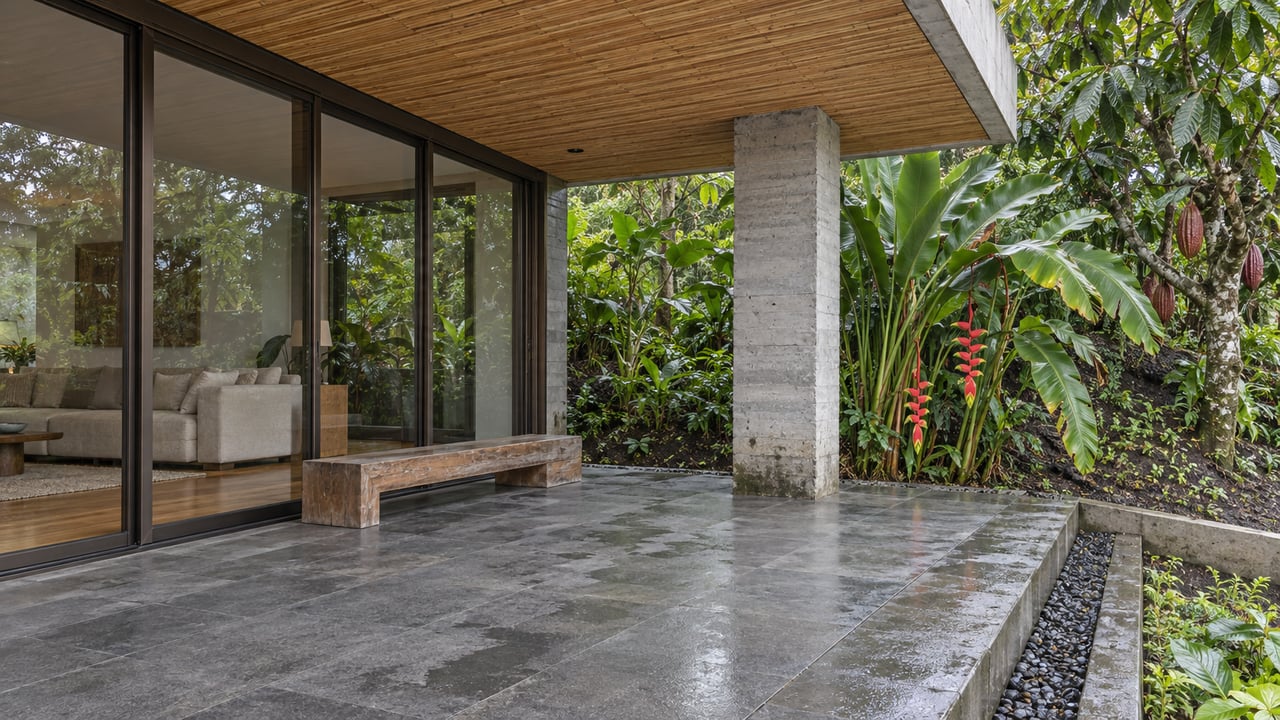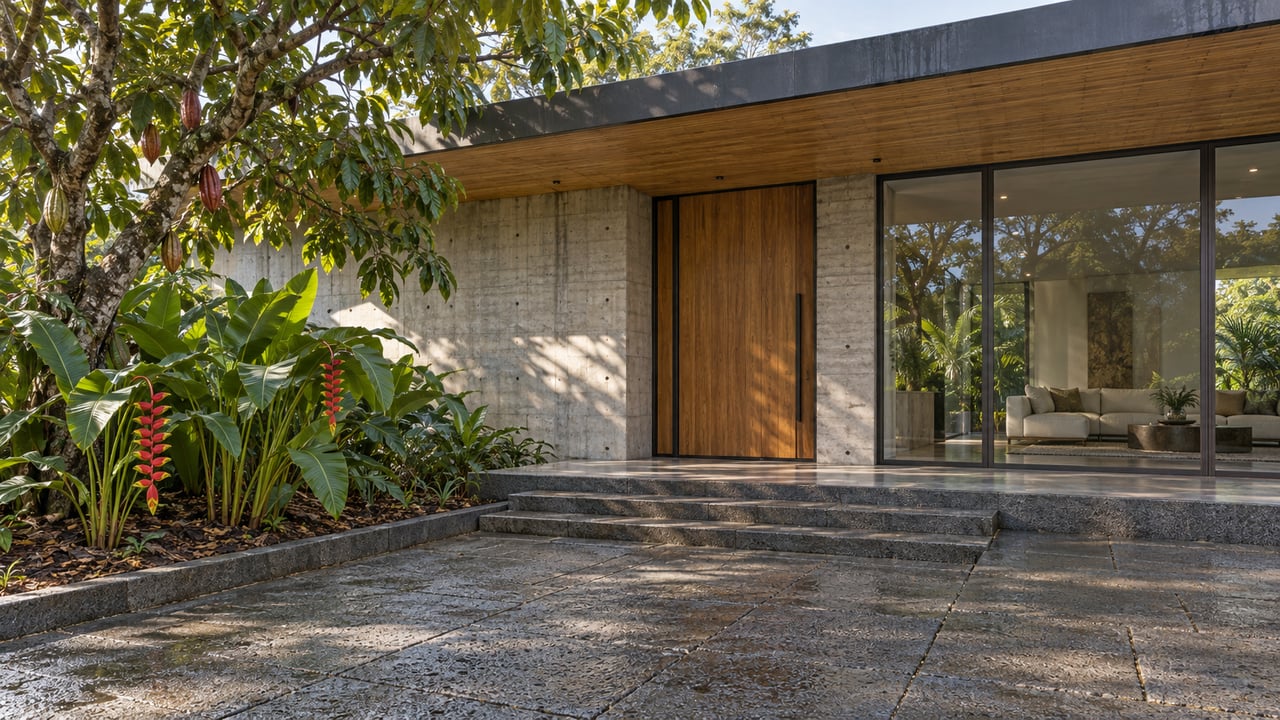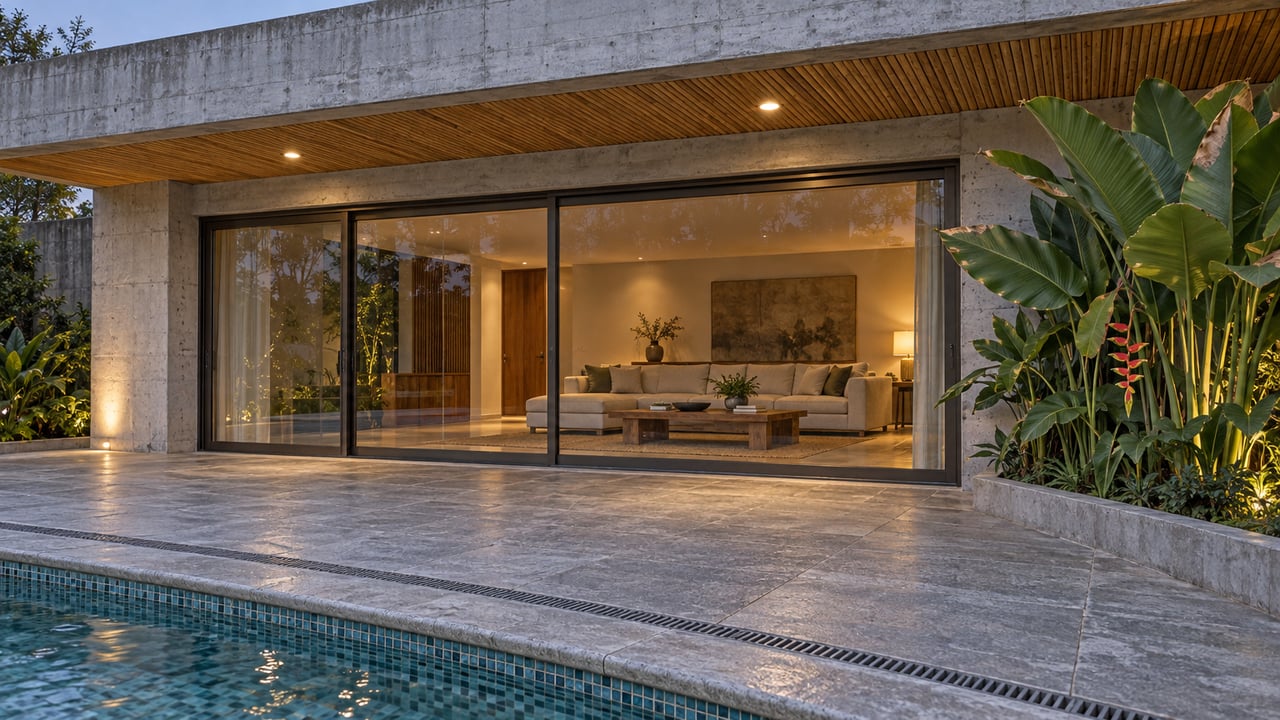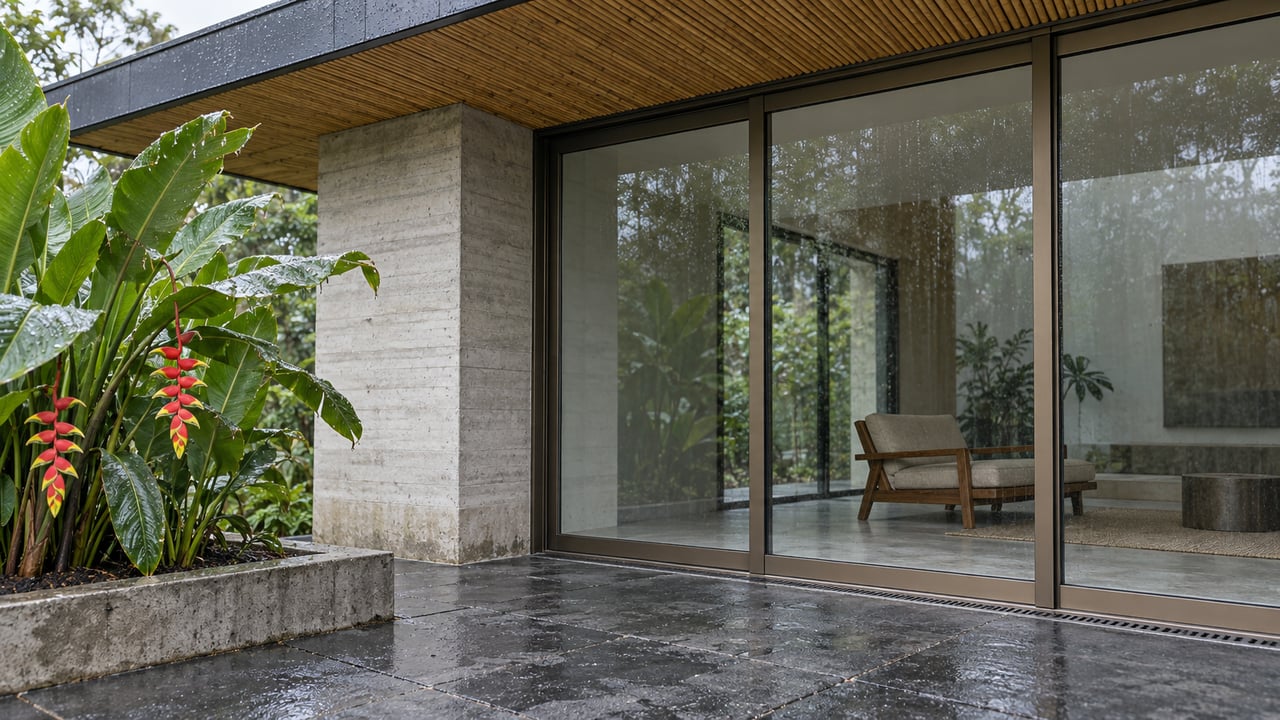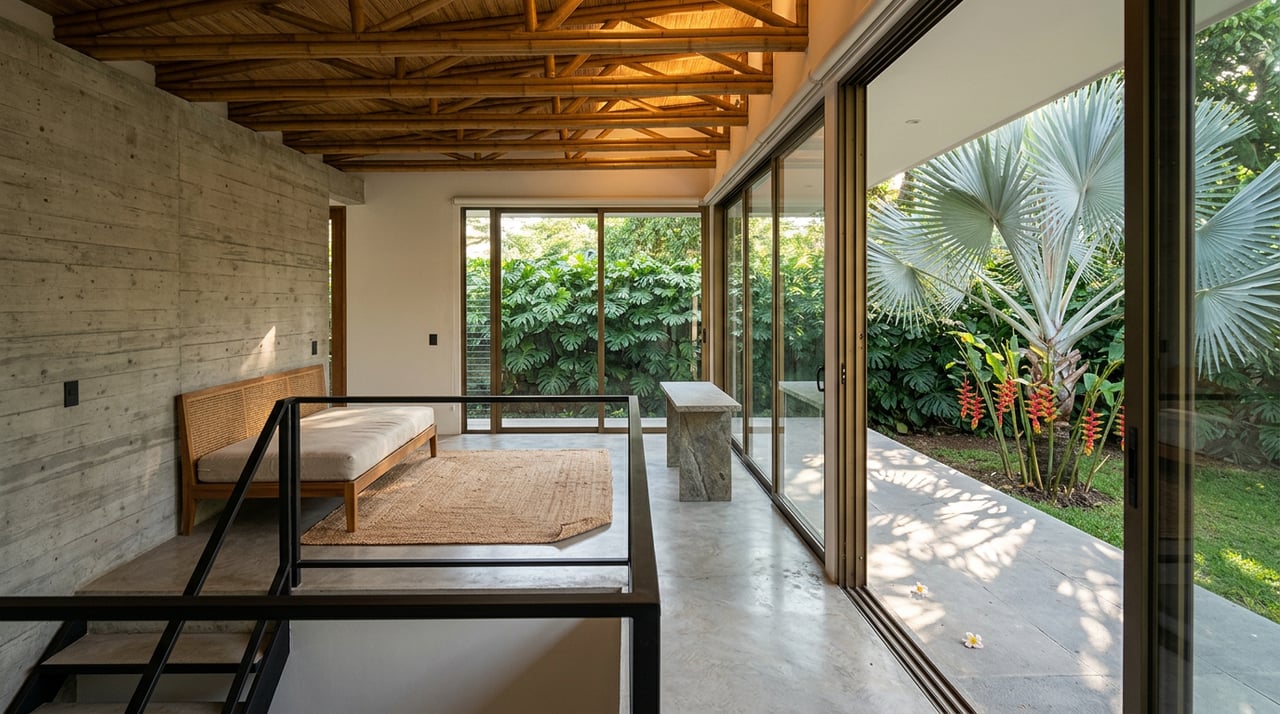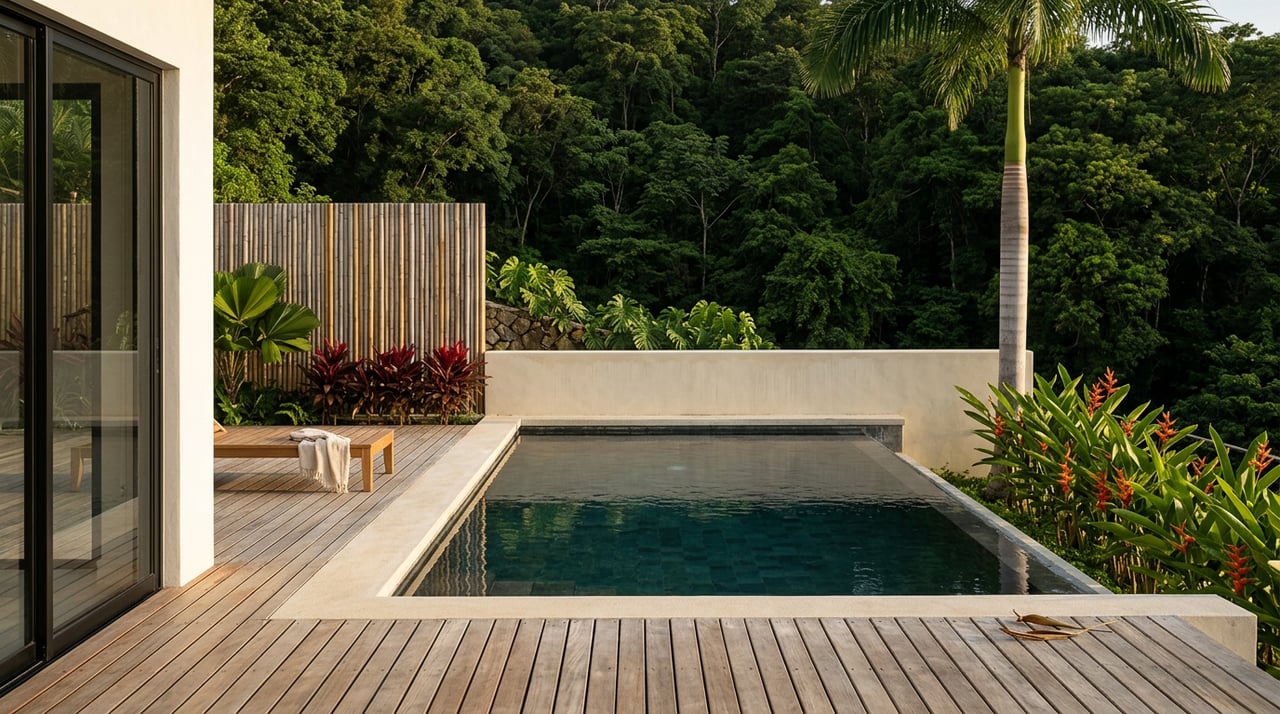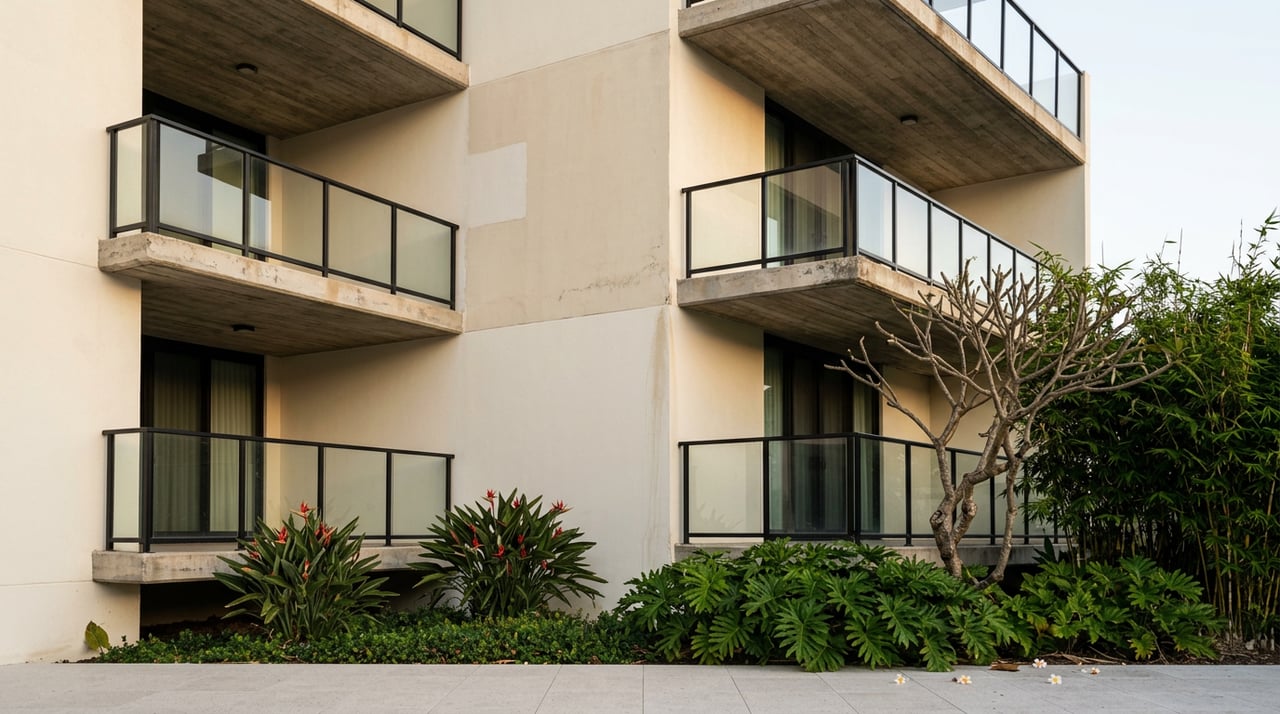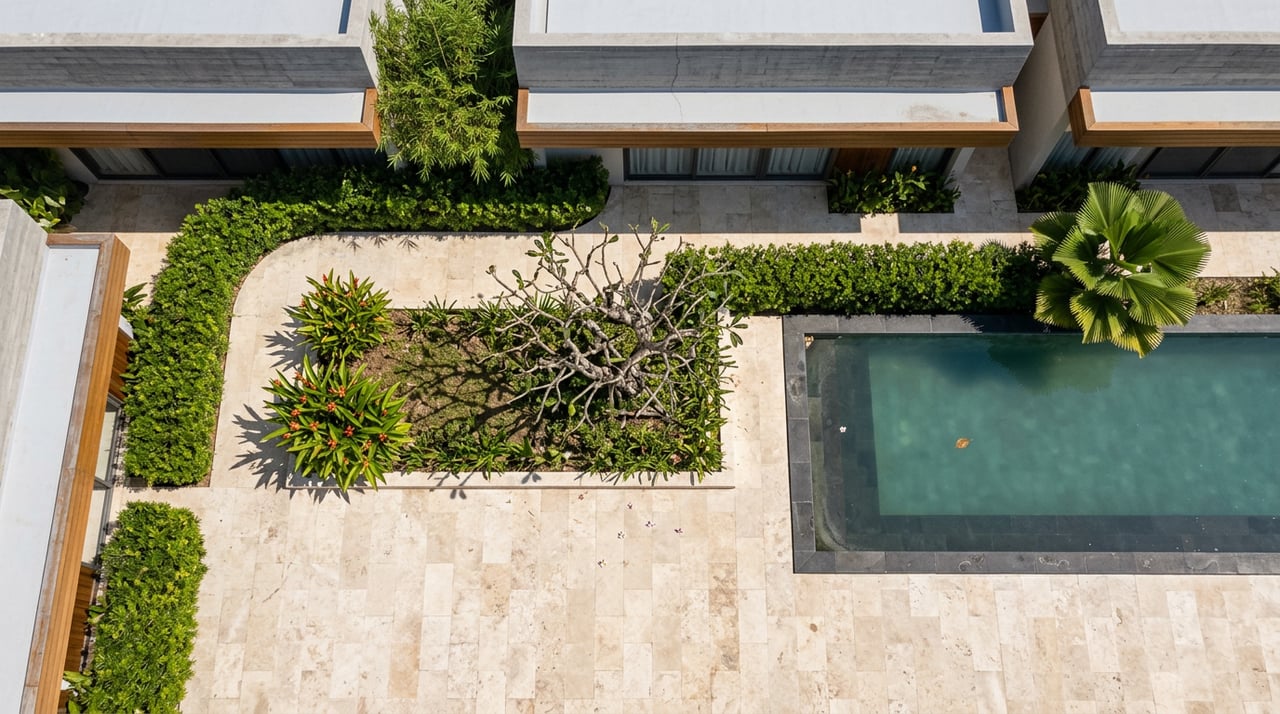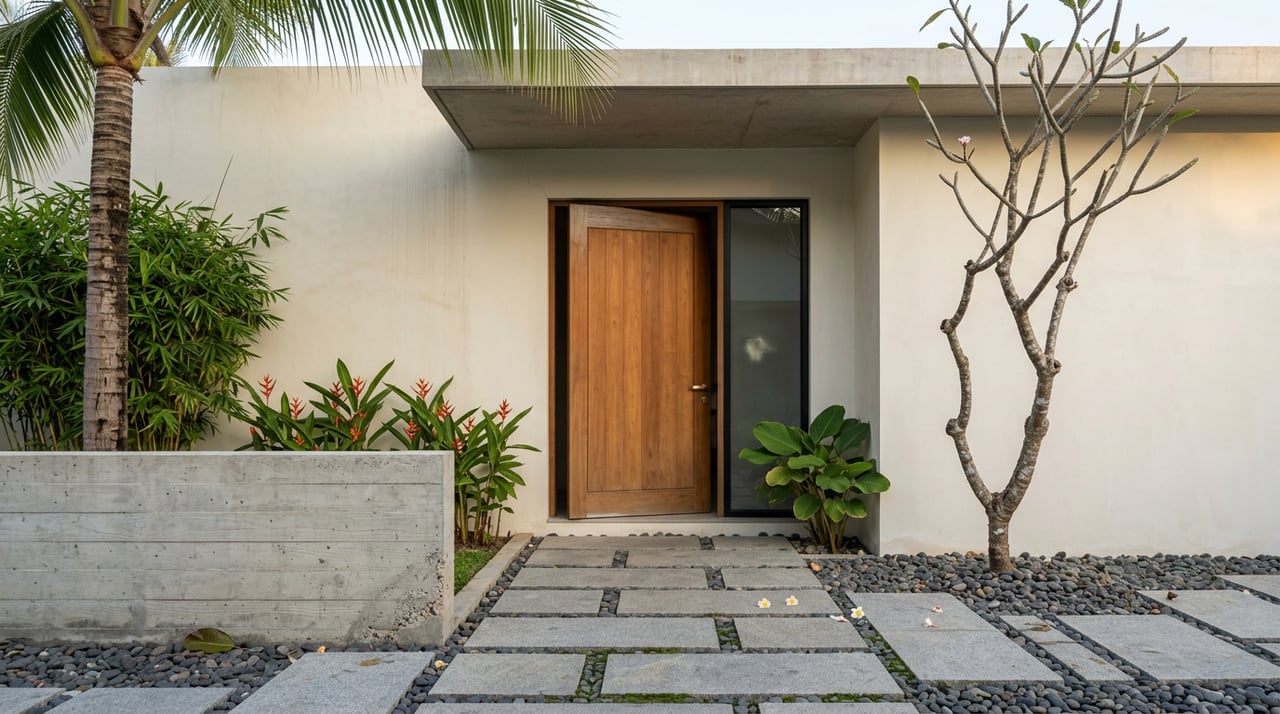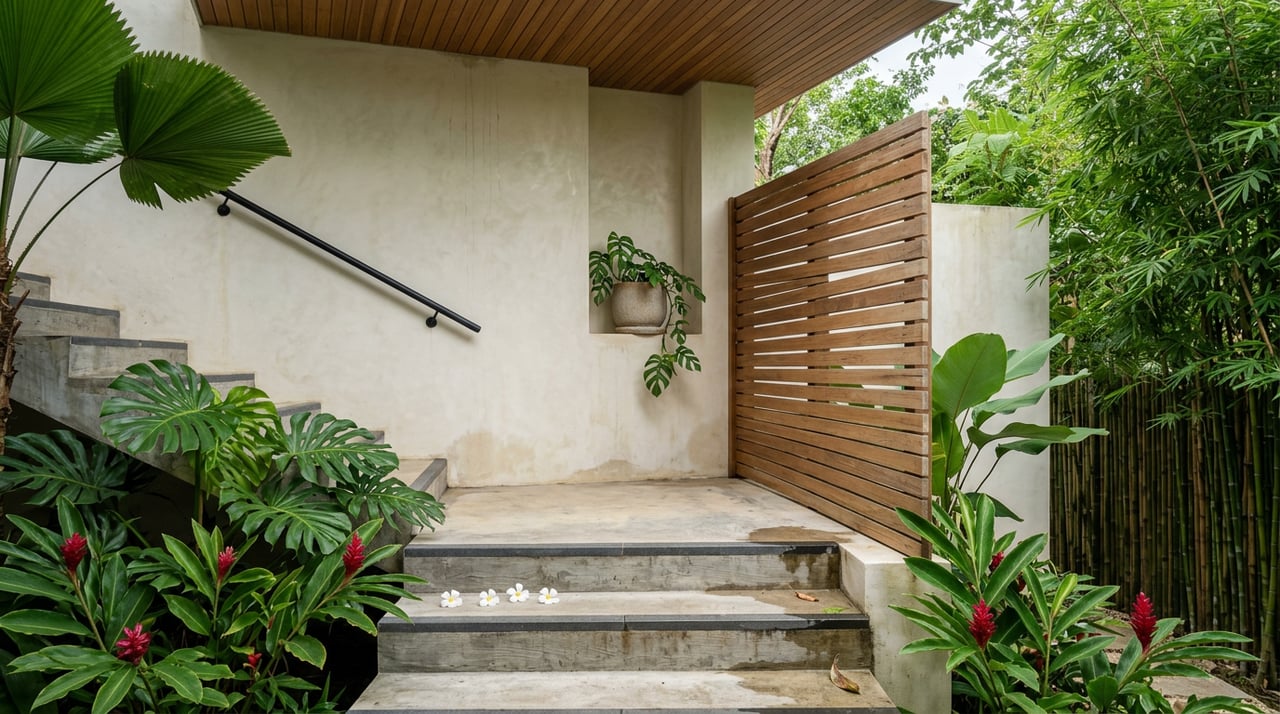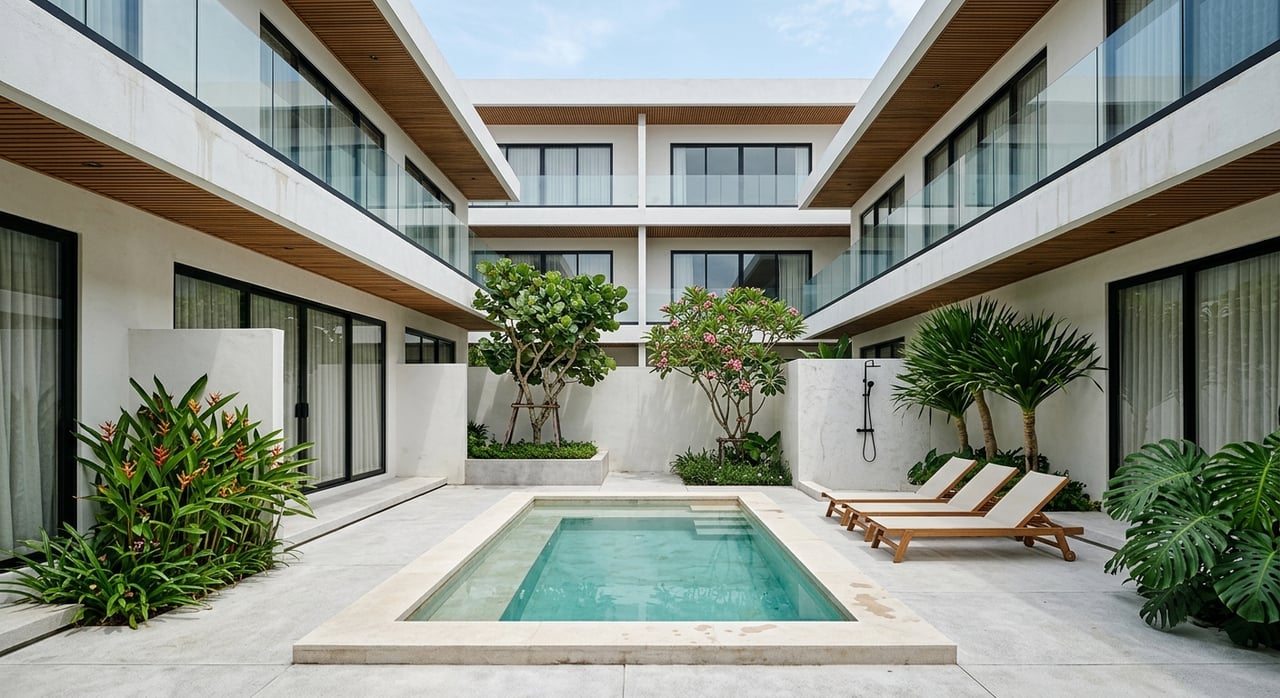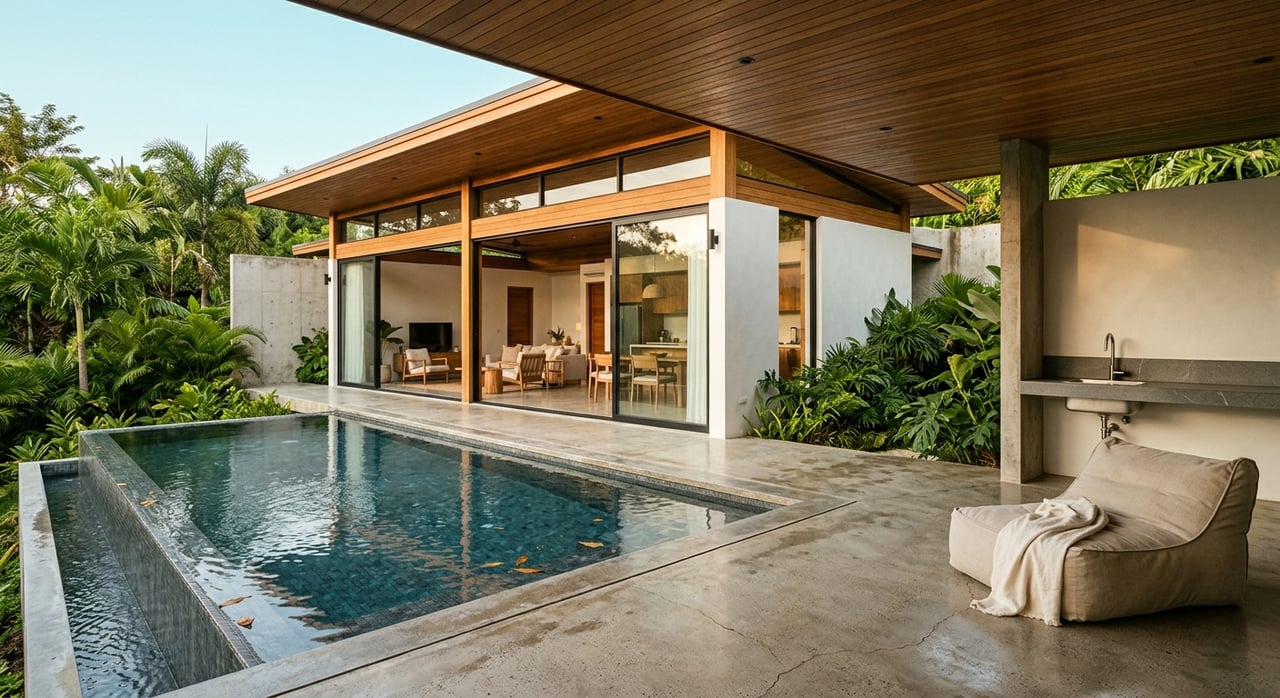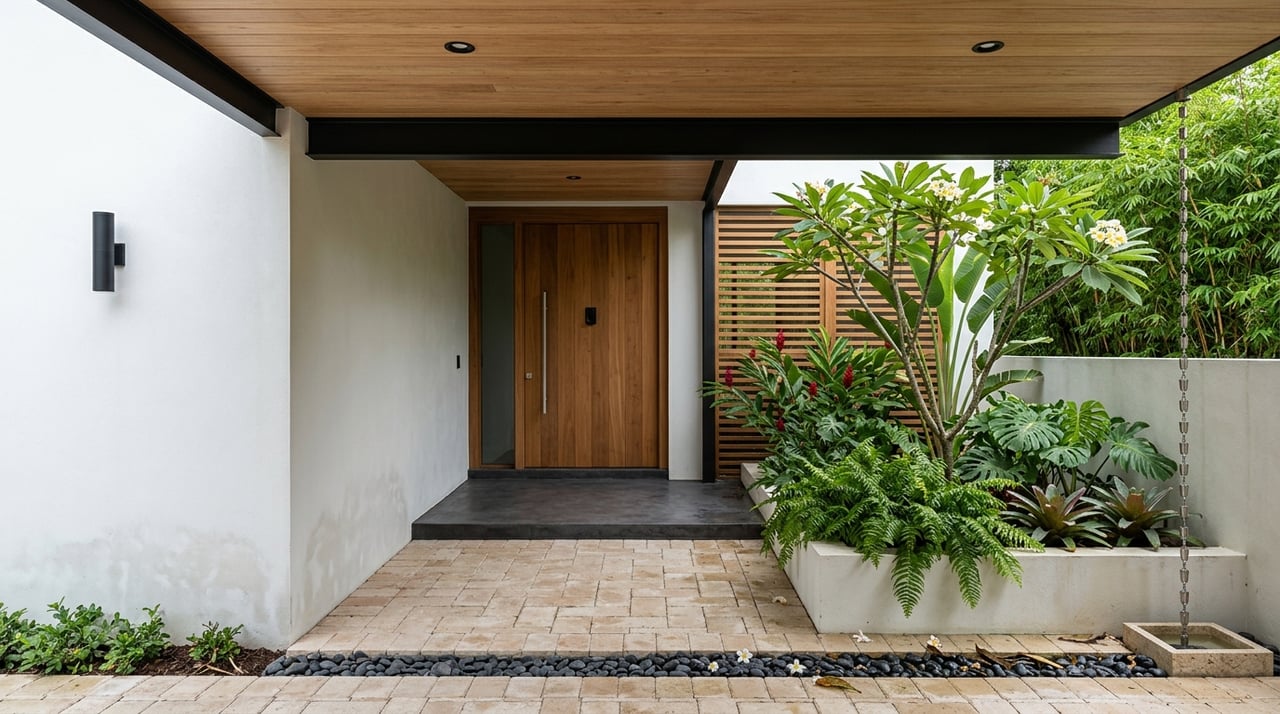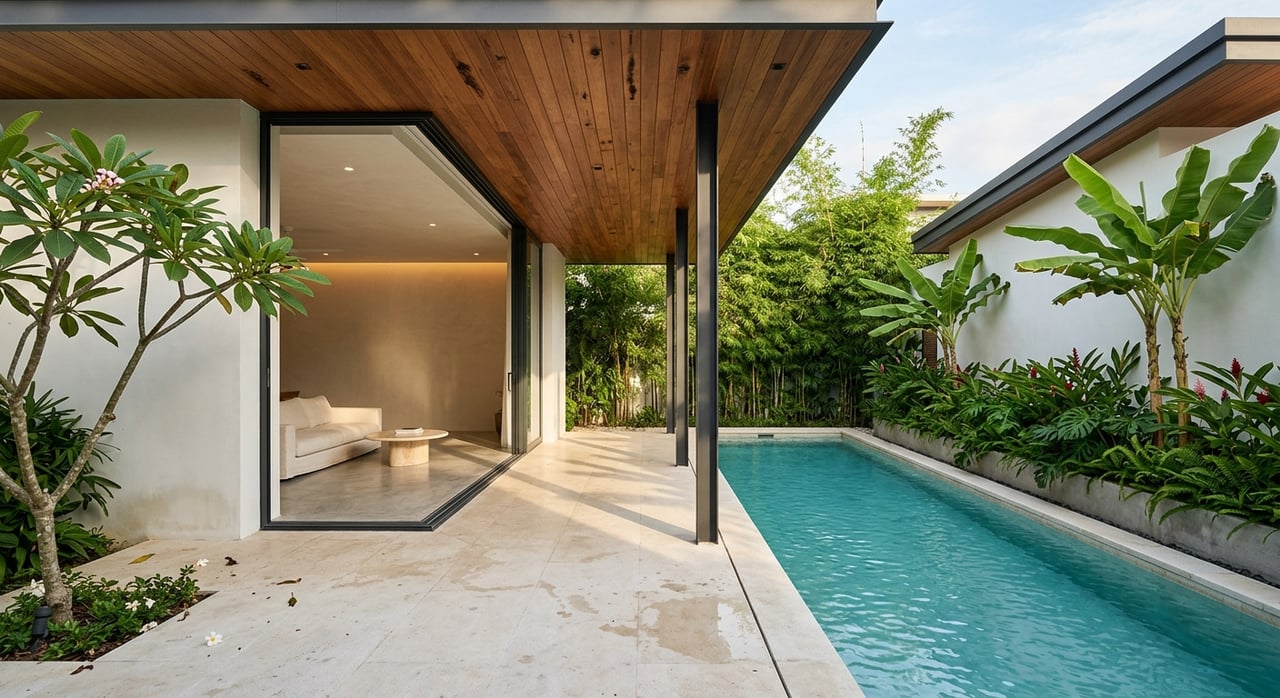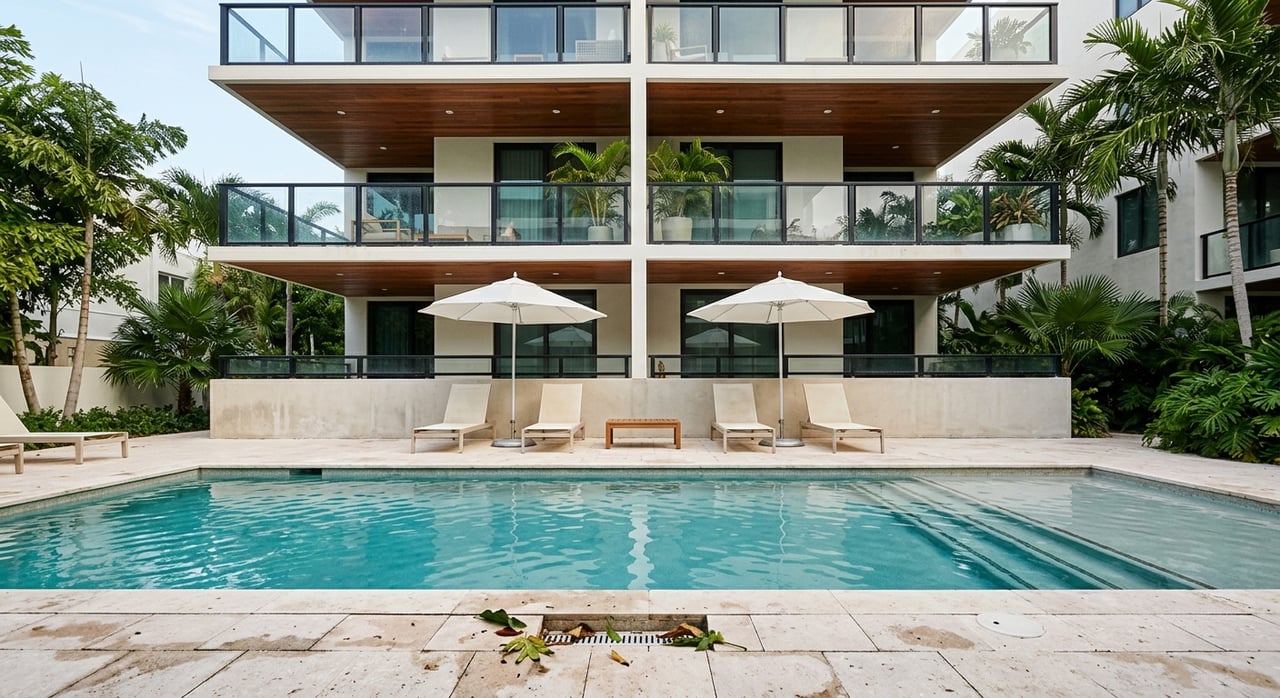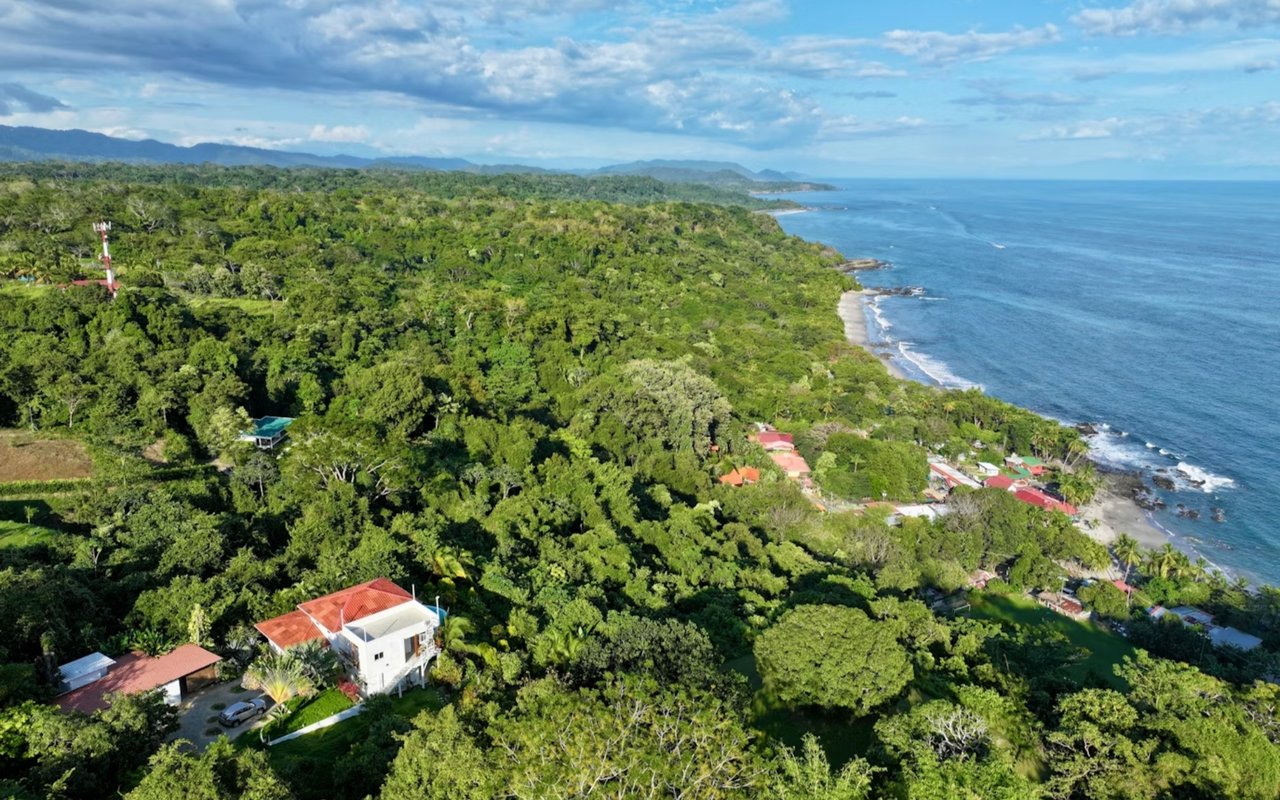
In the humid tropical environment of Uvita, the integrity of residential foundations is constantly under pressure from high rainfall, shifting soil, and seismic activity. Maintaining the structural base of a home in the South Pacific of Costa Rica requires a more rigorous approach than in temperate climates. A stable foundation ensures the longevity of the entire structure and protects the interior finishes from the shifting and cracking that can result from unstable ground.
This guide details the essential technical and environmental strategies for preserving a home’s foundation in the Costa Ballena.
Implement High-Capacity Drainage Systems
The primary threat to a foundation in Uvita is the volume of water delivered during the intense rainy season. Standard residential gutters often lack the capacity to manage tropical downpours, leading to water overflowing directly onto the foundation footings. Installing six-inch gutters and ensuring that downspouts extend at least five to ten feet away from the home is a critical requirement.
This prevents the saturation of the soil immediately surrounding the concrete slab or piers. Regularly clearing debris from these systems is necessary, particularly as fallen jungle leaves can obstruct water flow within hours during a storm.
This prevents the saturation of the soil immediately surrounding the concrete slab or piers. Regularly clearing debris from these systems is necessary, particularly as fallen jungle leaves can obstruct water flow within hours during a storm.
Manage Soil Saturation and Hydrostatic Pressure
Heavy rainfall saturates the clay-rich soils common in the mountains above Uvita, leading to significant expansion. This expansion exerts lateral hydrostatic pressure against foundation walls and retaining structures, which can cause bowing or hairline fractures. To mitigate this, a subsurface drainage plan featuring French drains is often essential.
These perforated pipes, surrounded by gravel and filter fabric, collect groundwater before it reaches the foundation and channel it to a safe discharge point. Relieving this pressure is a fundamental step in ensuring that the structural base remains stable and dry throughout the year.
These perforated pipes, surrounded by gravel and filter fabric, collect groundwater before it reaches the foundation and channel it to a safe discharge point. Relieving this pressure is a fundamental step in ensuring that the structural base remains stable and dry throughout the year.
Strategic Landscaping and Erosion Control
Landscaping in a tropical climate serves as a functional tool for soil stabilization rather than just an aesthetic feature. Planting native species with deep, aggressive root systems, such as the Costa Rican Bromelia or specific annual grasses, helps anchor the soil on sloped lots. This prevents the "washing away" of dirt that can expose footings or create voids beneath the concrete.
You should maintain a clear zone of about ten feet between large trees and the foundation to prevent roots from physically lifting the structure or excessively drying the soil during the summer months.
You should maintain a clear zone of about ten feet between large trees and the foundation to prevent roots from physically lifting the structure or excessively drying the soil during the summer months.
Monitor for Seasonal Soil Contraction
While the rainy season brings expansion, the dry summer months from January to April cause the soil to lose moisture and contract. This cycle of expansion and contraction places cumulative stress on the concrete, which can lead to settling. If the soil pulls away from the edge of the foundation, it creates a gap that allows the next season's rains to penetrate even deeper.
You should monitor the perimeter of the home for these gaps and ensure that the soil is adequately compacted and graded to prevent further erosion. Consistent soil moisture levels, achieved through a controlled irrigation system during the peak of summer, can help avoid extreme contraction.
You should monitor the perimeter of the home for these gaps and ensure that the soil is adequately compacted and graded to prevent further erosion. Consistent soil moisture levels, achieved through a controlled irrigation system during the peak of summer, can help avoid extreme contraction.
Inspect for Cracks and Structural Distress
Regular visual inspections of both the interior and exterior walls are necessary for identifying early signs of foundation movement. Hairline vertical cracks are often a result of normal settling, but horizontal or diagonal "stair-step" cracks in block walls indicate more serious structural shifts. You should also check for secondary signs of distress, such as doors that suddenly stick in their frames or windows that become difficult to open and close.
These irregularities often indicate that the foundation is no longer level, requiring a professional geotechnical evaluation to determine if stabilization measures, such as push piers, are necessary.
These irregularities often indicate that the foundation is no longer level, requiring a professional geotechnical evaluation to determine if stabilization measures, such as push piers, are necessary.
Ensure Proper Grading and Runoff Management
The slope of the land immediately surrounding a house must direct water away from the structure in all directions. A grade of at least three to five percent over the first ten feet is recommended to prevent water from pooling at the base.
In Uvita’s steep terrain, this often requires the construction of swales (shallow, grass-lined channels) that intercept surface runoff from uphill and divert it around the home. If a driveway or terrace tilts toward the garage or foundation, it creates a "water slide" effect that can undermine the footing. Correcting these grading issues is one of the most effective ways to maintain the integrity of a house's foundation.
In Uvita’s steep terrain, this often requires the construction of swales (shallow, grass-lined channels) that intercept surface runoff from uphill and divert it around the home. If a driveway or terrace tilts toward the garage or foundation, it creates a "water slide" effect that can undermine the footing. Correcting these grading issues is one of the most effective ways to maintain the integrity of a house's foundation.
Protect Against Corrosion in Coastal Zones
For homes located within a few miles of the Uvita coastline, salt-laden air can accelerate the corrosion of the steel reinforcement (rebar) inside the concrete. If water penetrates the foundation through small cracks, the salt causes the rebar to rust and expand, which eventually leads to concrete "spalling" or breaking away.
Applying an exterior waterproofing membrane or a high-quality sealant to the foundation walls below ground level provides a vital barrier against this chemical deterioration. Using non-ferrous fasteners and ensuring that any exposed metal components are coated with rust-resistant paint will further protect the structural base from the corrosive maritime environment.
Applying an exterior waterproofing membrane or a high-quality sealant to the foundation walls below ground level provides a vital barrier against this chemical deterioration. Using non-ferrous fasteners and ensuring that any exposed metal components are coated with rust-resistant paint will further protect the structural base from the corrosive maritime environment.
Evaluate Retaining Walls and Perimeter Supports
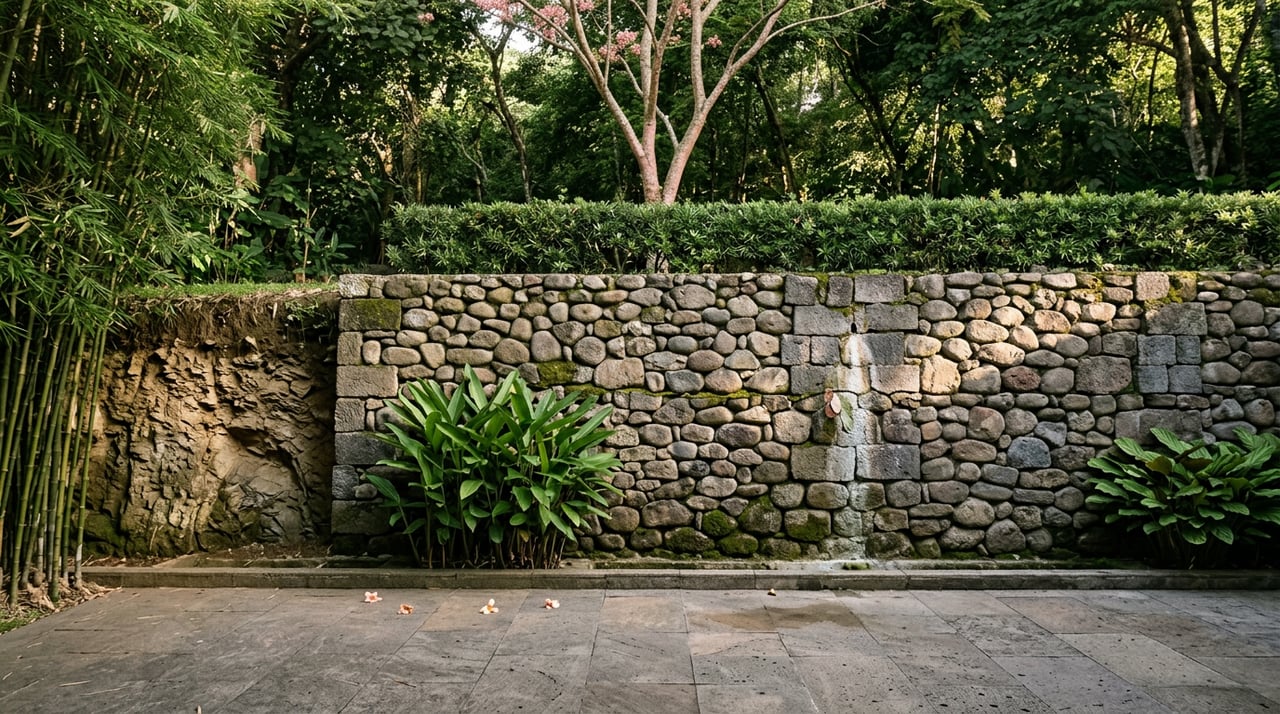
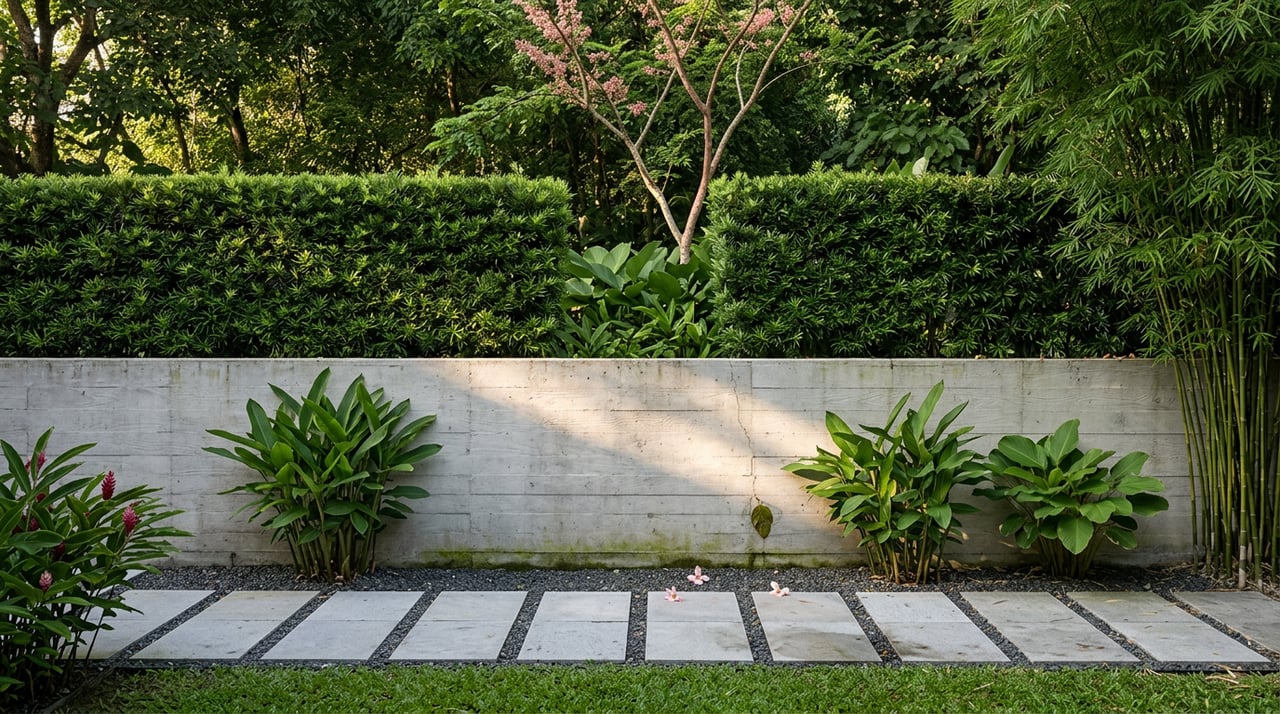
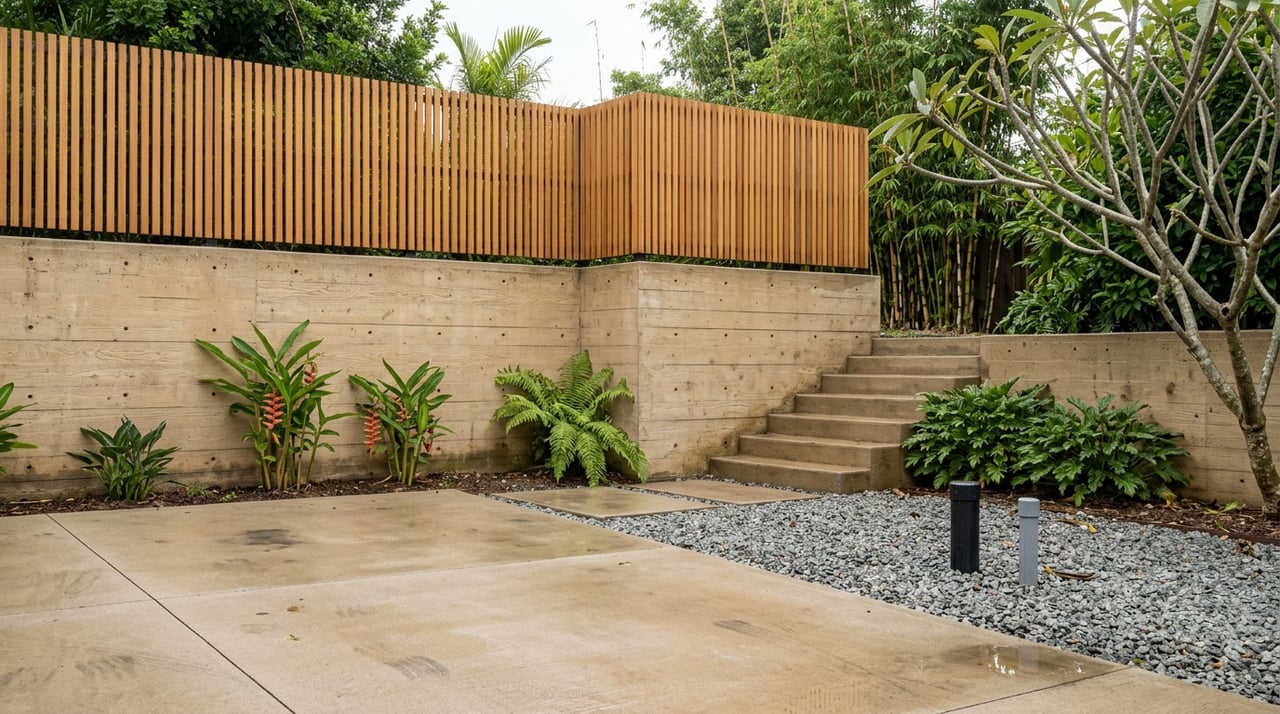
Many homes in the Uvita area utilize retaining walls to create level building pads on sloped terrain. The failure of a retaining wall often leads directly to the failure of the house foundation it supports. These walls must feature "weep holes" to allow trapped water to escape, preventing the buildup of immense pressure.
Inspecting these walls for leaning, cracking, or signs of soil "bleeding" through the joints is a vital part of property upkeep. Ensuring that these secondary supports are professionally engineered and well-maintained is essential for the overall safety and stability of the residence.
Inspecting these walls for leaning, cracking, or signs of soil "bleeding" through the joints is a vital part of property upkeep. Ensuring that these secondary supports are professionally engineered and well-maintained is essential for the overall safety and stability of the residence.
Find a Well-Built Home in Costa Rica
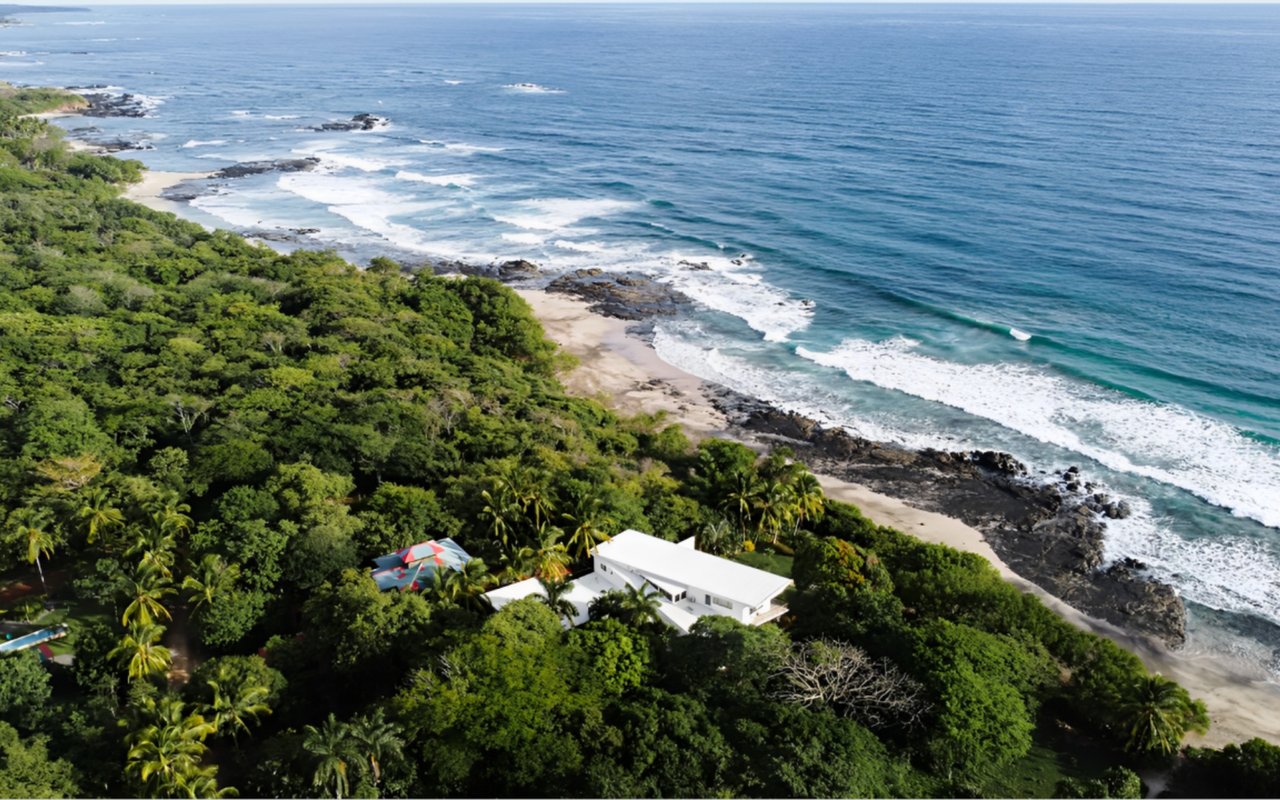
In a coastal rainforest setting like Uvita, long-term property performance is defined by how well a home is engineered and maintained from the ground up. The Bluezone Realty International team combines on-the-ground knowledge with hands-on buyer representation. They help clients identify residences in Uvita that are structurally sound, thoughtfully built, and suited to the area’s demanding environmental conditions.
If you're working on your Uvita home or considering buying real estate there, reach out to Bluezone Realty for expert advice and support.
If you're working on your Uvita home or considering buying real estate there, reach out to Bluezone Realty for expert advice and support.