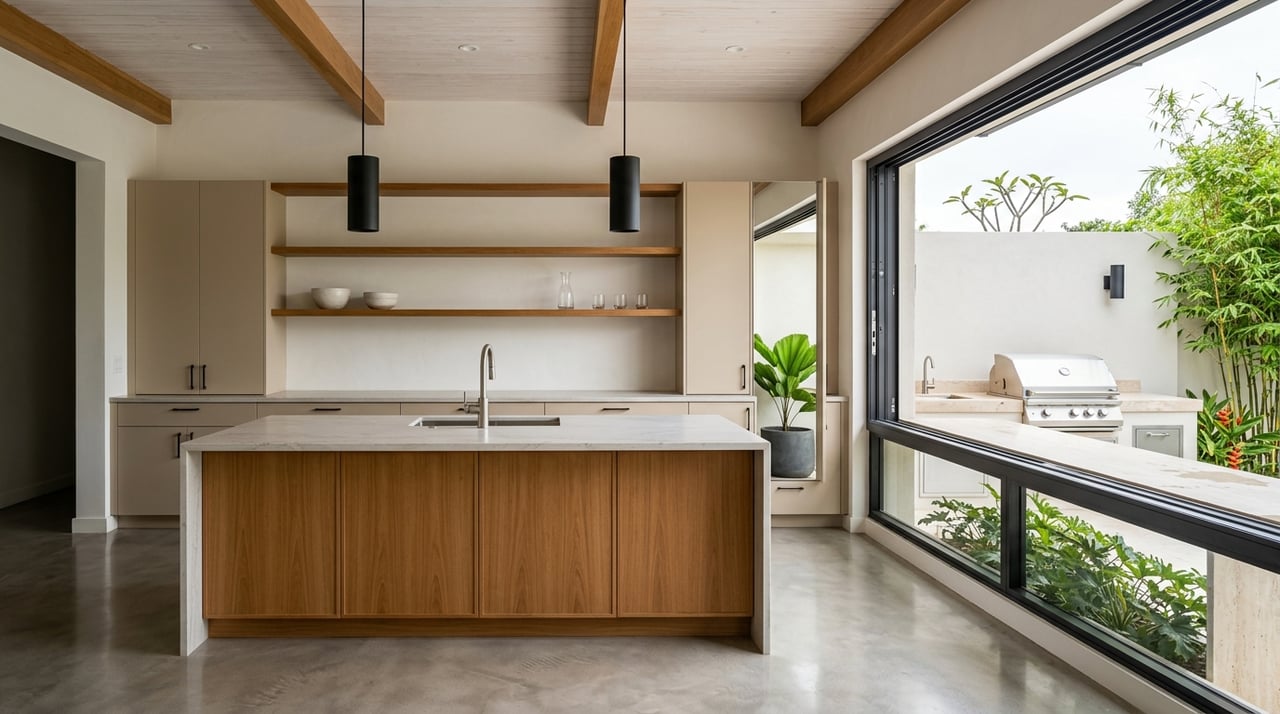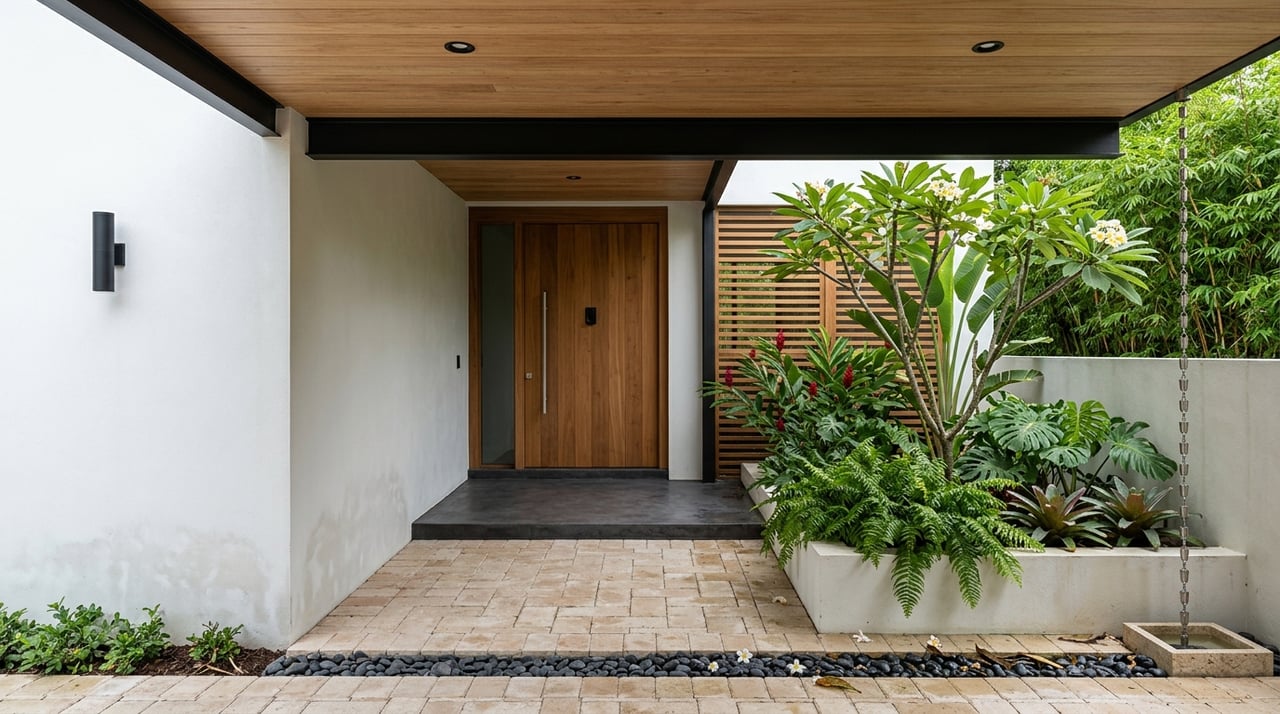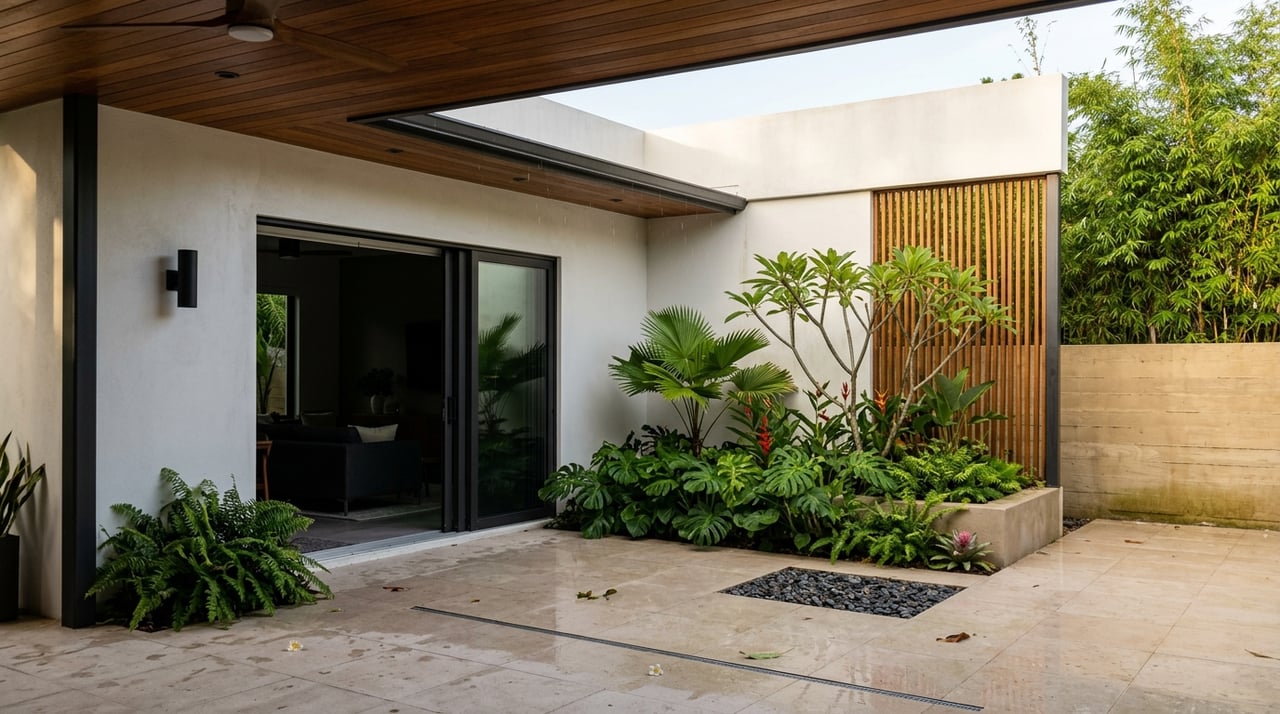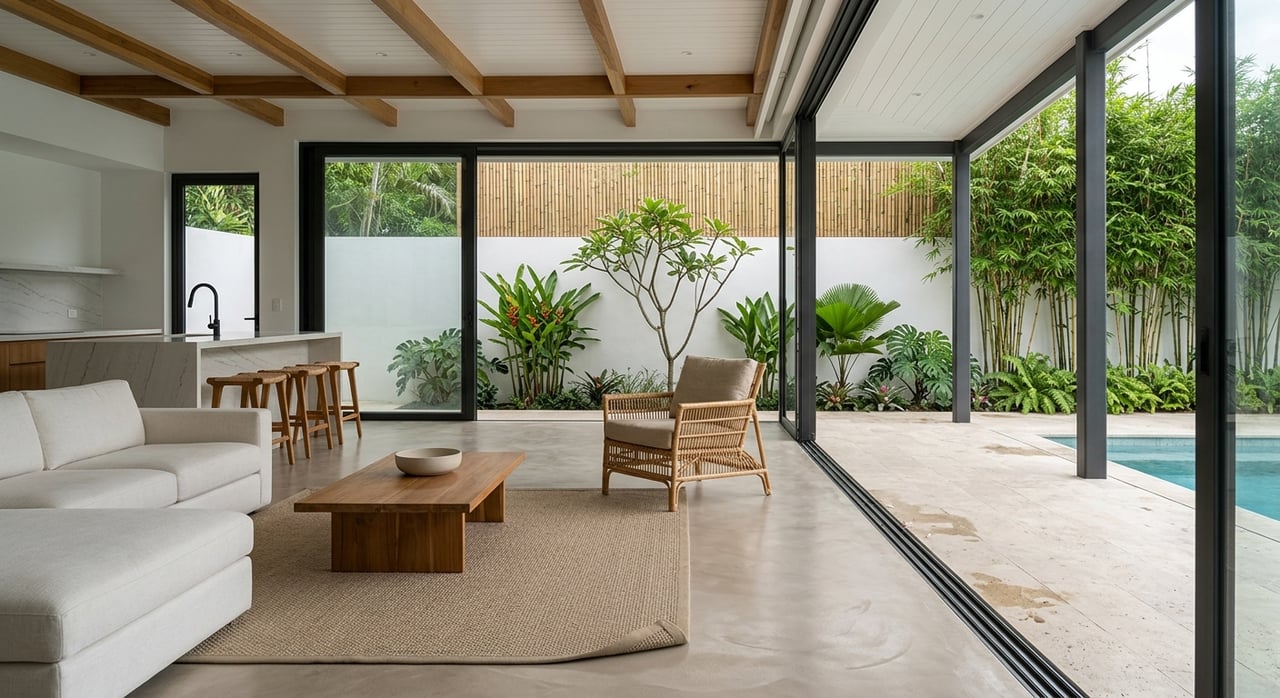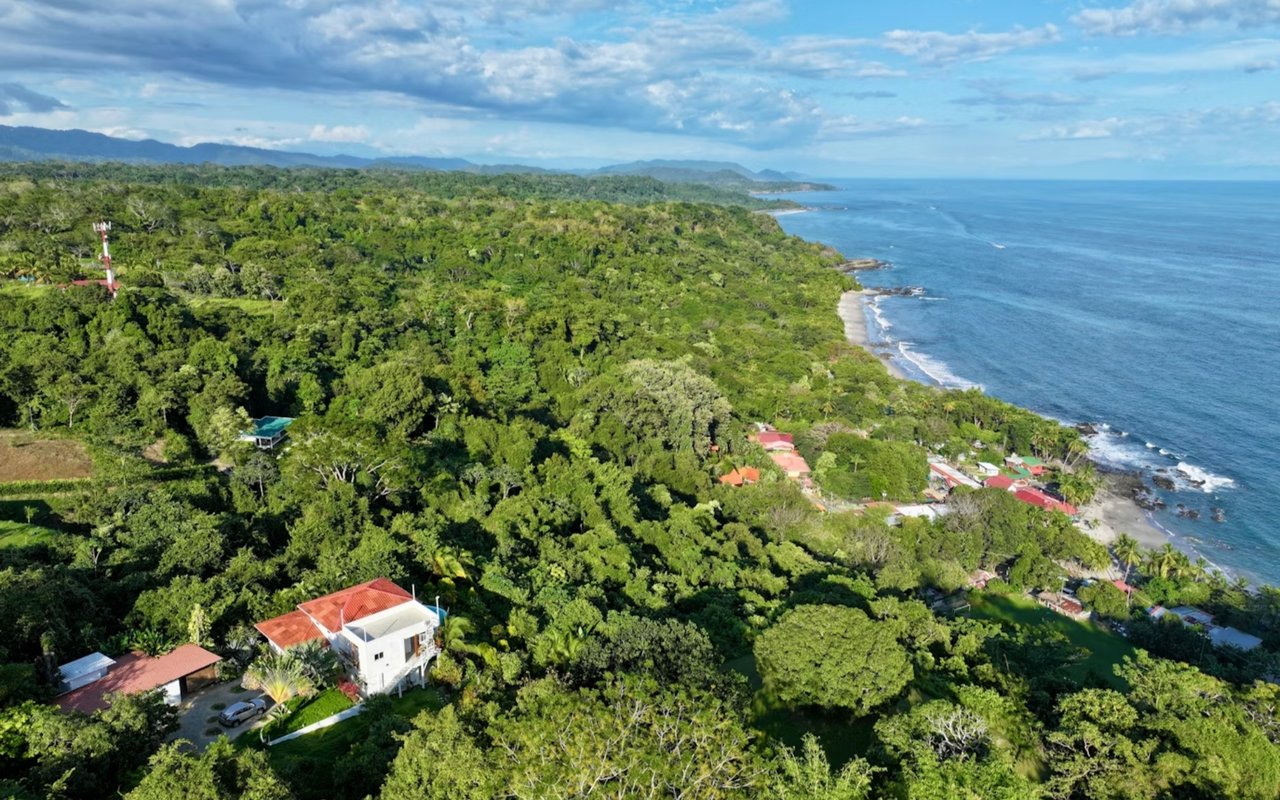
Real estate transactions in Uvita require a precise understanding of property value to ensure that both buyers and sellers navigate the market with confidence. The home appraisal serves as a foundational element of this process, providing a professional and objective assessment of a property's worth. In the dynamic tropical environment of the Costa Ballena, specialized factors such as topography, ocean vistas, and construction durability significantly influence the final valuation.
This guide outlines what to expect during the home appraisal process in Uvita, helping you prepare for a seamless real estate journey.
The Purpose of a Professional Appraisal in Costa Rica
An appraisal, or "avalúo," is more than a simple price check; it is a legal and financial document used to validate a property's market value. In Uvita, these assessments are primarily triggered by bank financing requirements, but they are also essential for tax declarations and estate planning. A certified appraiser, known as a "perito," uses standardized methodologies to ensure the valuation is fair and grounded in current market trends. This professional oversight protects lenders from overextending capital and provides buyers with the peace of mind that they are making a sound investment.
Gathering Essential Legal Documentation
The appraisal process begins with a rigorous review of legal records to confirm the property's legitimacy. You should expect the appraiser to request the "folio real," which is the unique identification number in the National Registry, and the "plano catastrado," or the officially recorded survey map. These documents enable the appraiser to verify the exact boundaries, land area, and any registered easements or liens that may impact the value.
Confirming that the physical measurements on the ground match the legal records in the registry is a critical first step. Any discrepancies between the survey and the actual fencing or construction must be resolved, as they can lead to significant valuation adjustments or delays in the sale.
Confirming that the physical measurements on the ground match the legal records in the registry is a critical first step. Any discrepancies between the survey and the actual fencing or construction must be resolved, as they can lead to significant valuation adjustments or delays in the sale.
On-Site Inspection and Physical Assessment
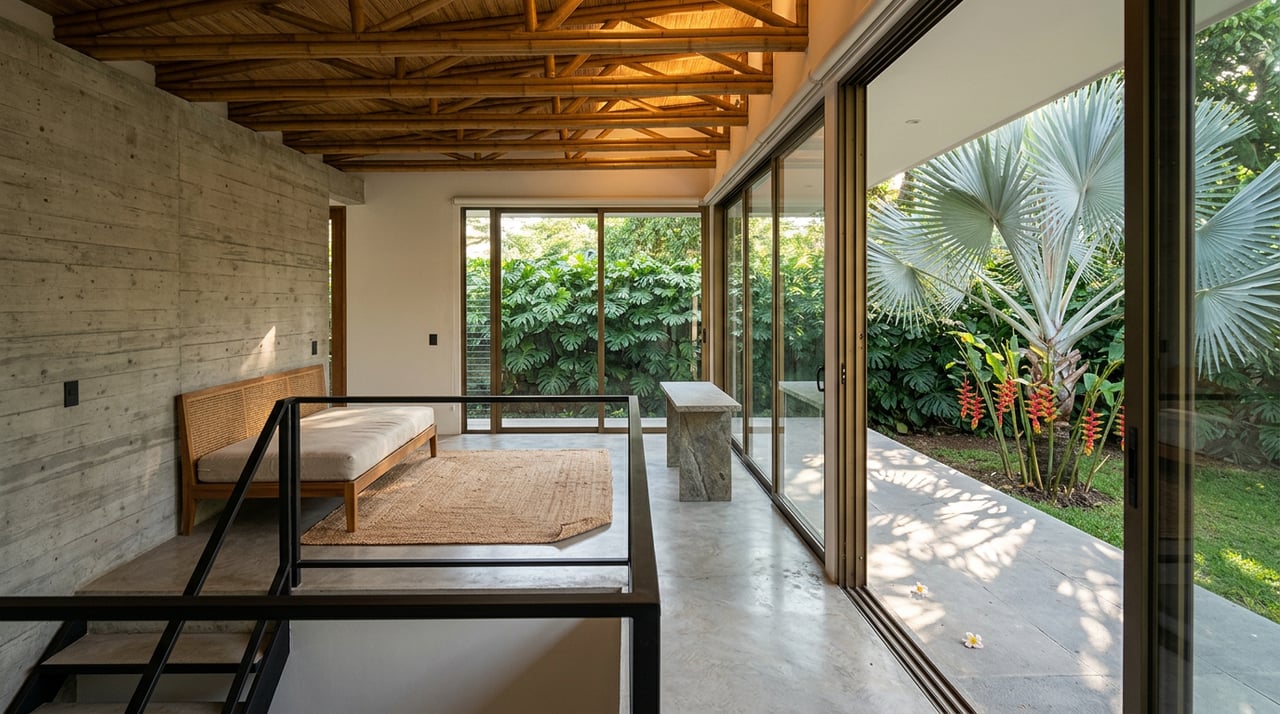
Once the paperwork is verified, the appraiser conducts a comprehensive on-site inspection to assess the property's physical condition. This involves measuring all structures and evaluating the quality of materials used in the construction. In Uvita’s humid tropical climate, the appraiser pays close attention to signs of wear, such as corrosion on metal roofing or moisture damage in timber elements. They evaluate the age of the home and its "conservation status" using specific depreciation tables like the Ross-Heidecke scale.
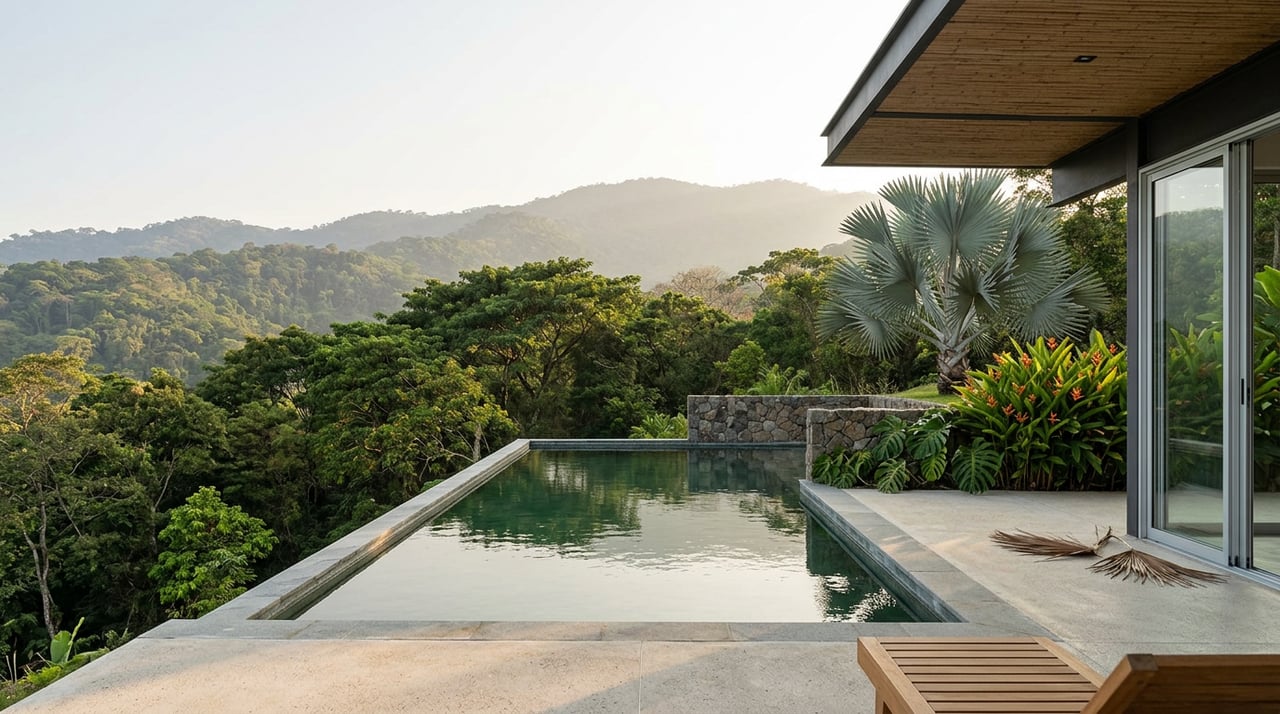
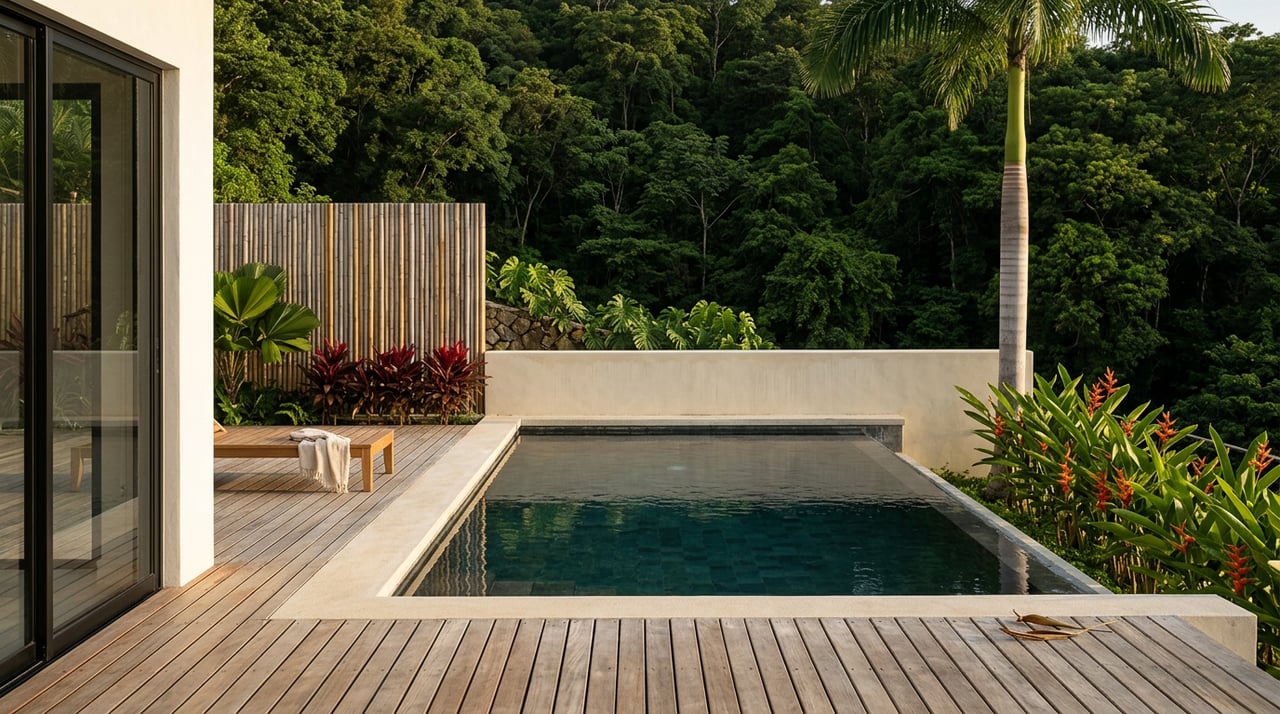
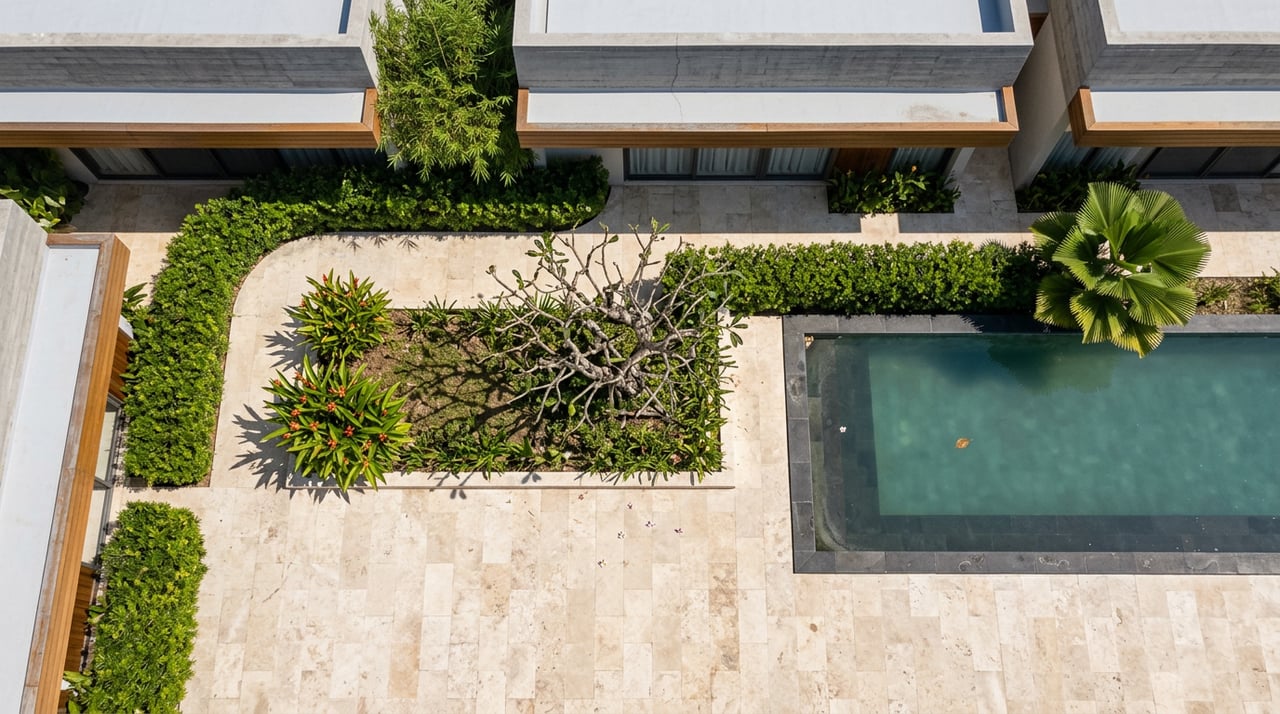
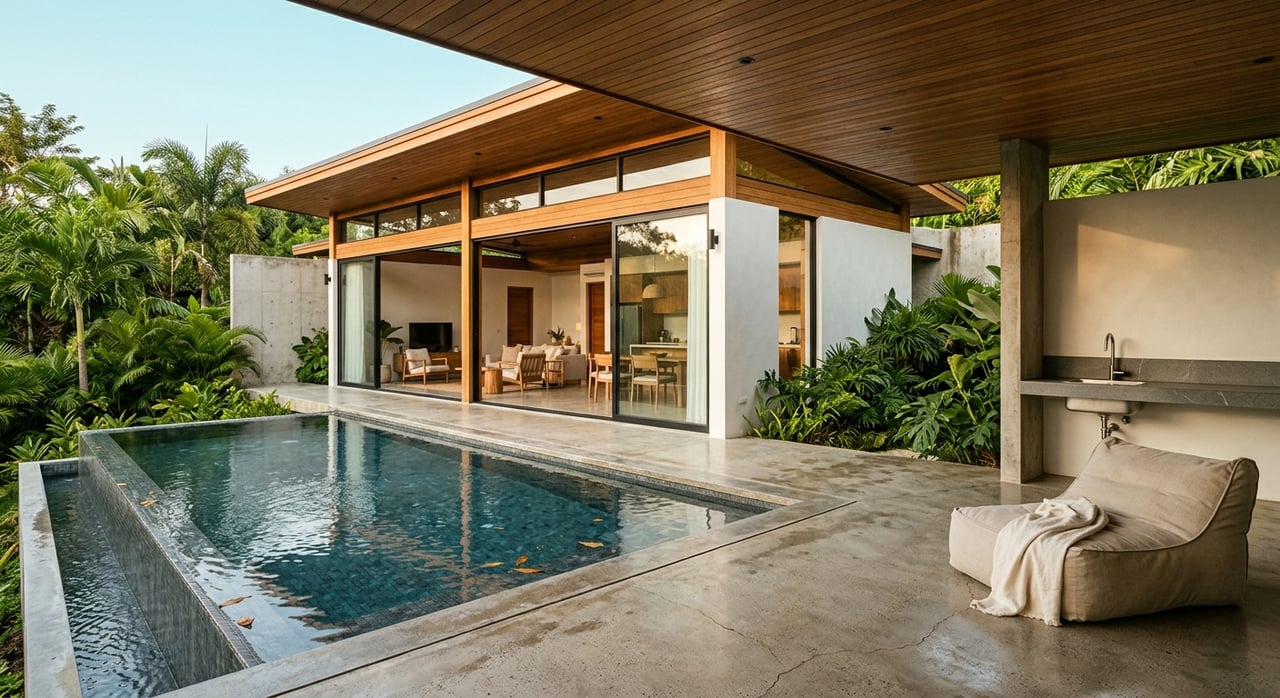
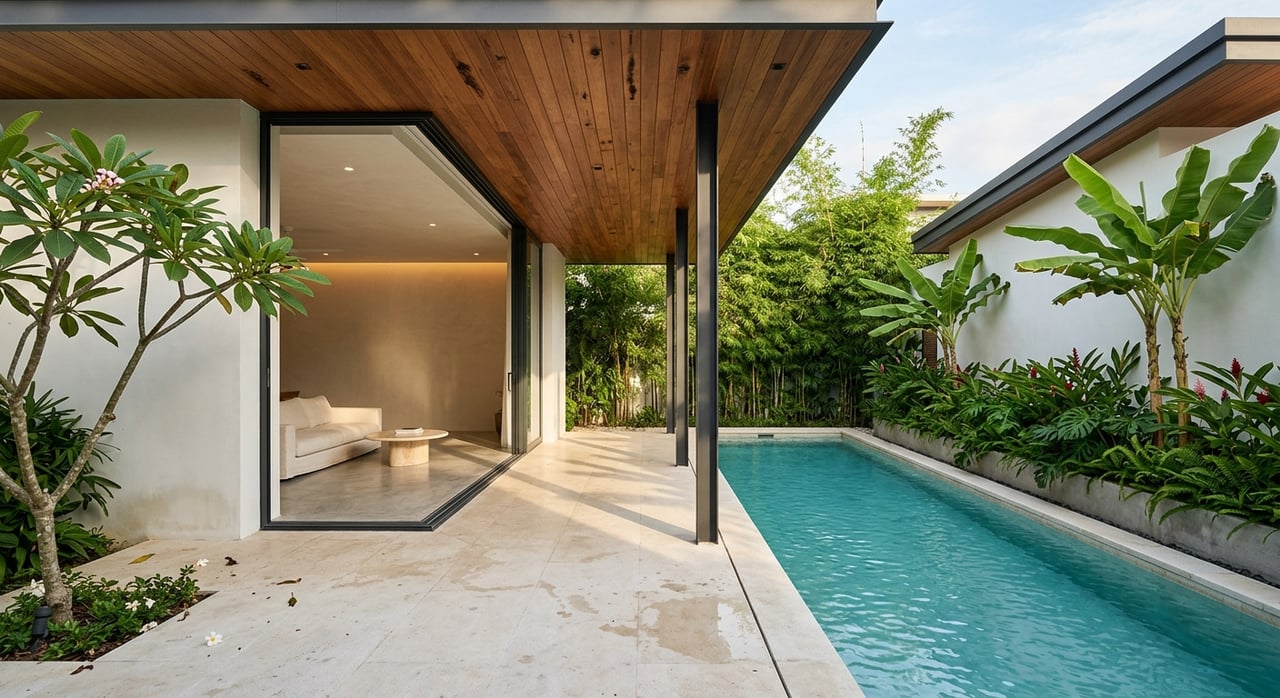
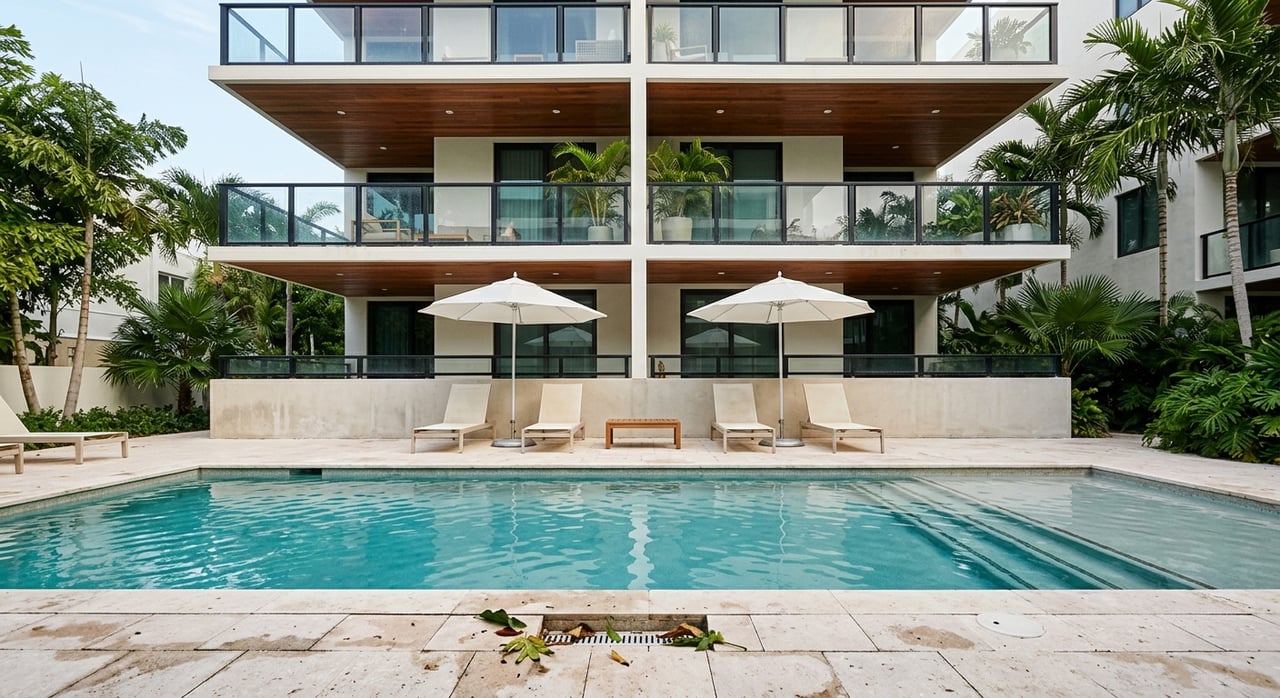
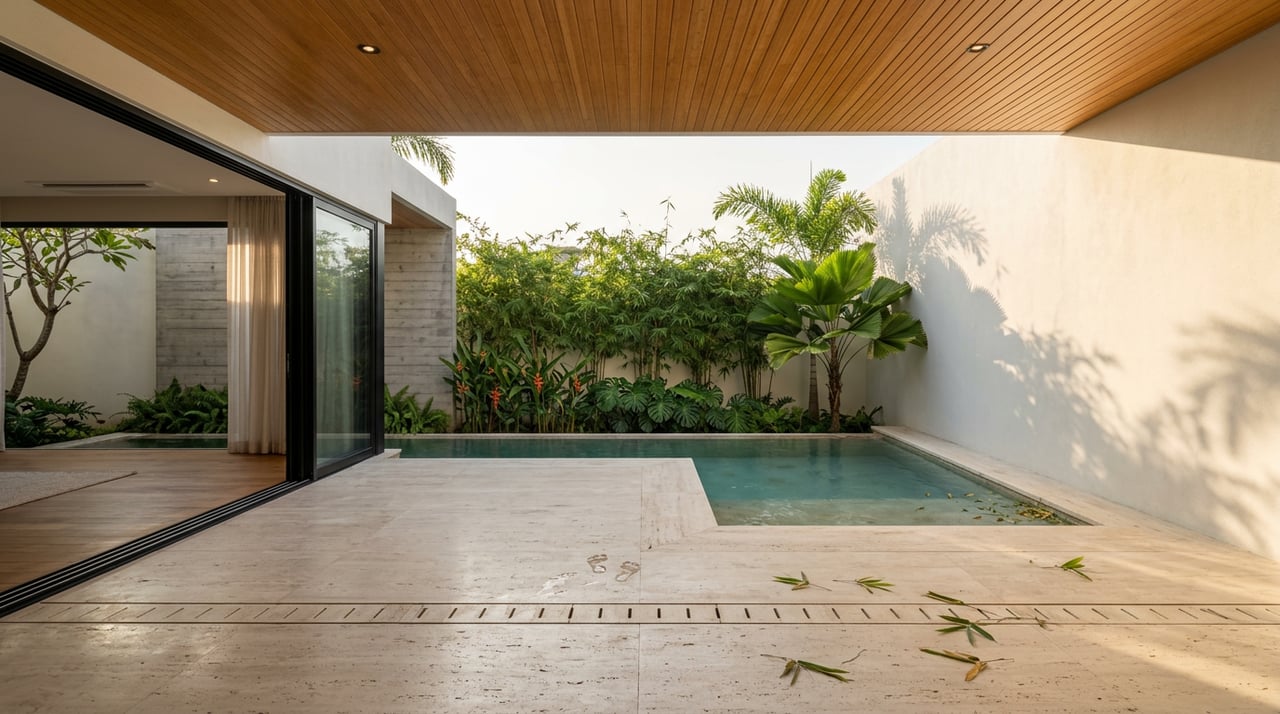
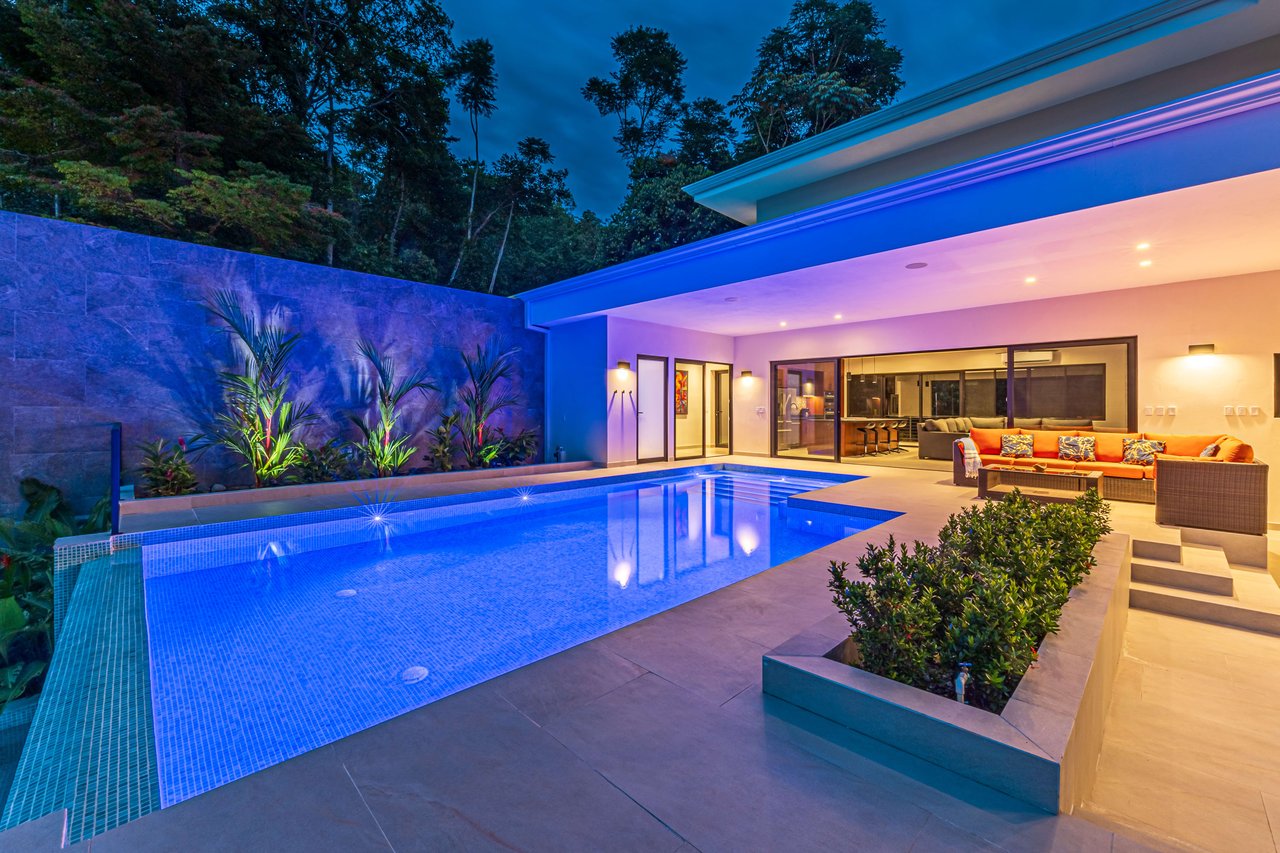
Every improvement, from the swimming pool and terrace to the perimeter walls and landscaping, is documented and factored into the total building value.
Every improvement, from the swimming pool and terrace to the perimeter walls and landscaping, is documented and factored into the total building value.
Evaluating Location and Topographic Features
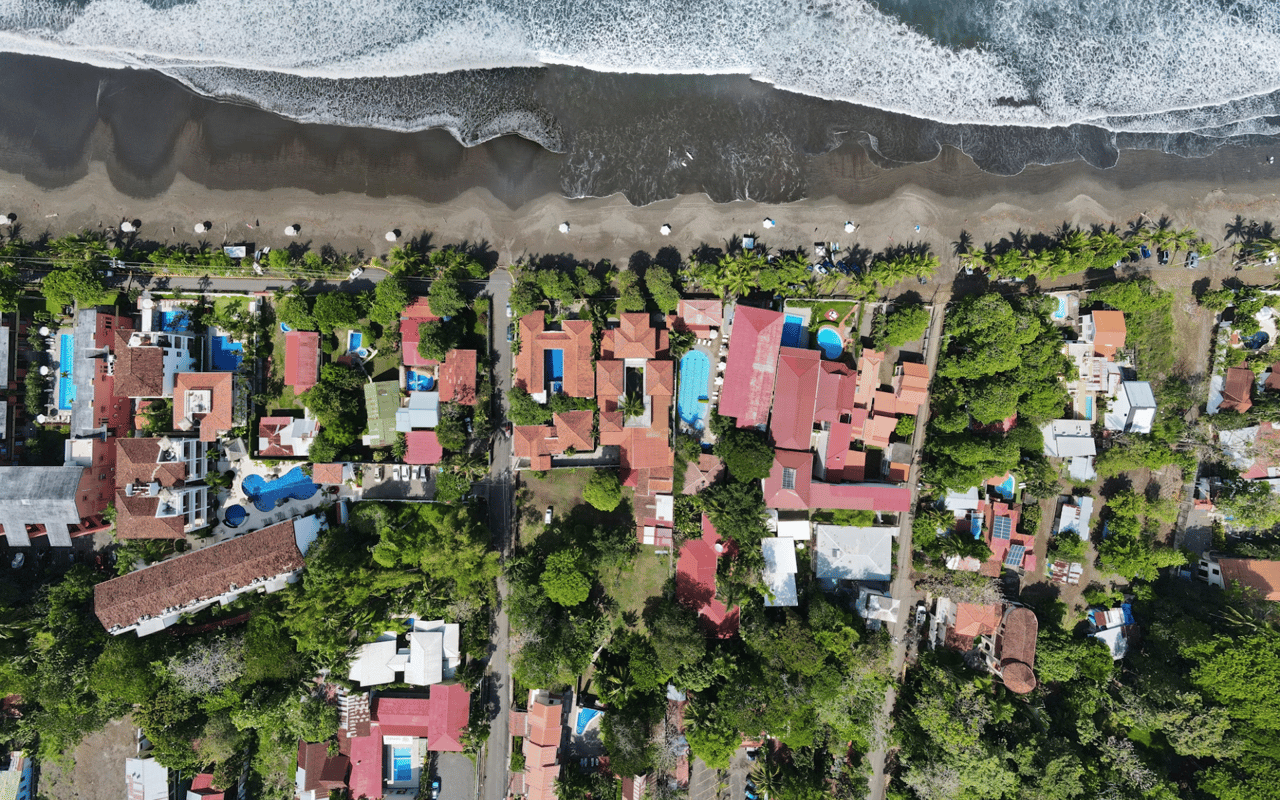
In the mountainous terrain surrounding Uvita, the specific characteristics of the land are often as valuable as the house itself. The appraiser evaluates the property's topography, looking for usable "plantels" or building pads and assessing the stability of the soil. Proximity to local landmarks, such as the Whale's Tail (Marino Ballena National Park) or the Uvita waterfall, significantly boosts the appeal.
The quality of access is also a significant factor. Properties located on a well-maintained public road with easy access to the Costanera Highway generally appraise higher than those requiring a rugged 4x4 journey through remote jungle tracks. The appraiser also checks for the presence of reliable public utilities, including ASADA water connections and high-speed fiber optic internet.
The quality of access is also a significant factor. Properties located on a well-maintained public road with easy access to the Costanera Highway generally appraise higher than those requiring a rugged 4x4 journey through remote jungle tracks. The appraiser also checks for the presence of reliable public utilities, including ASADA water connections and high-speed fiber optic internet.
The Impact of Ocean and Jungle Views
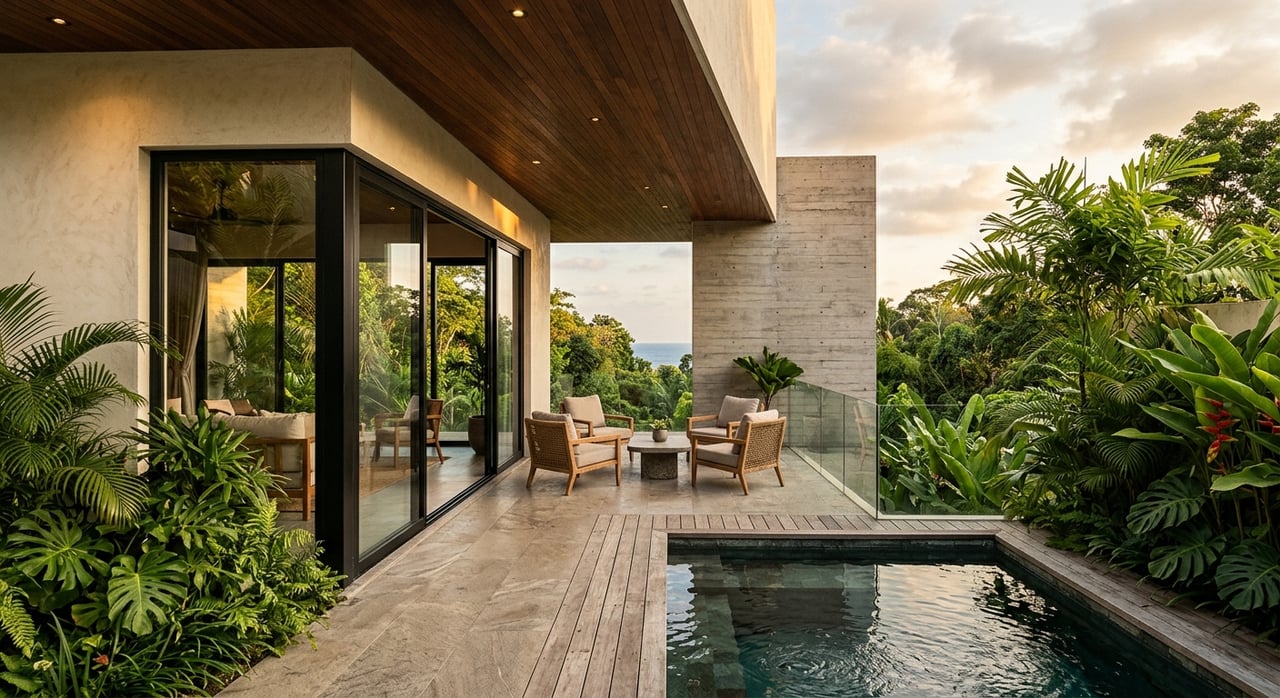
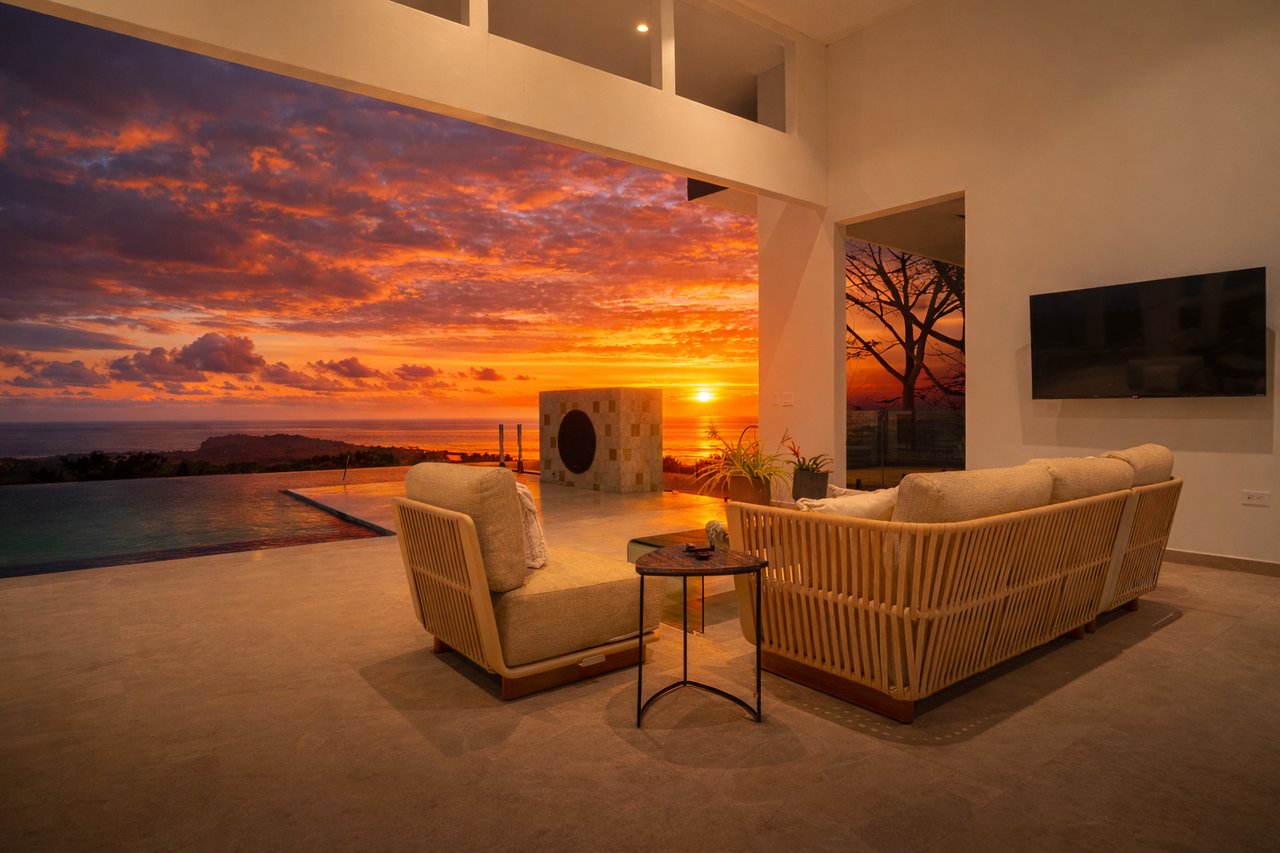
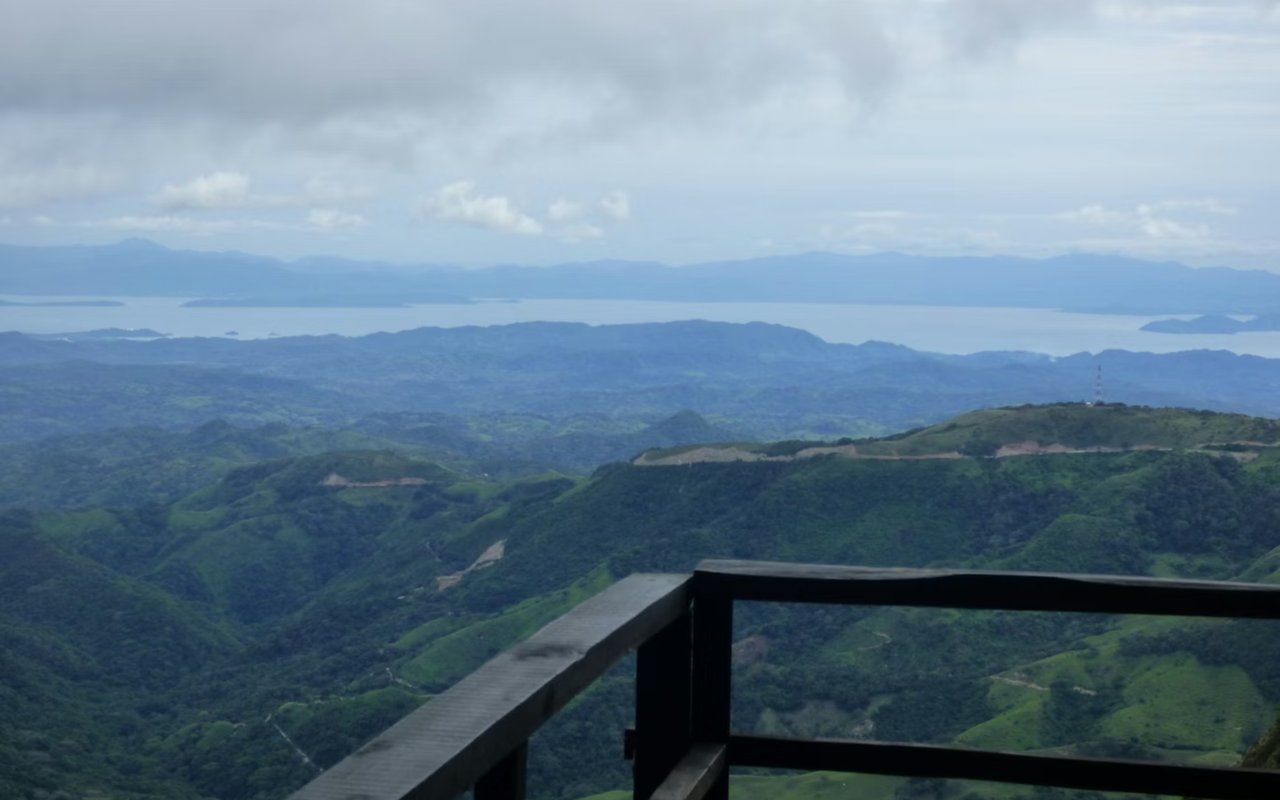
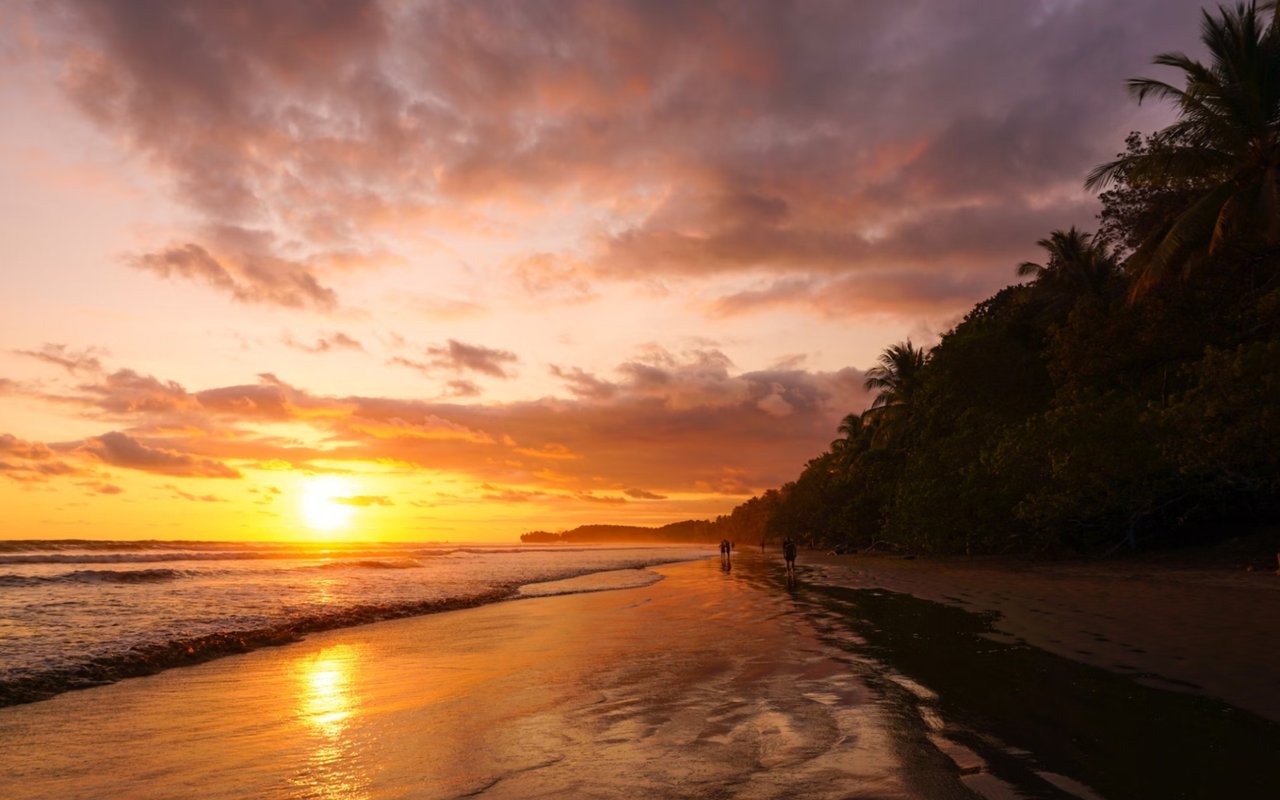
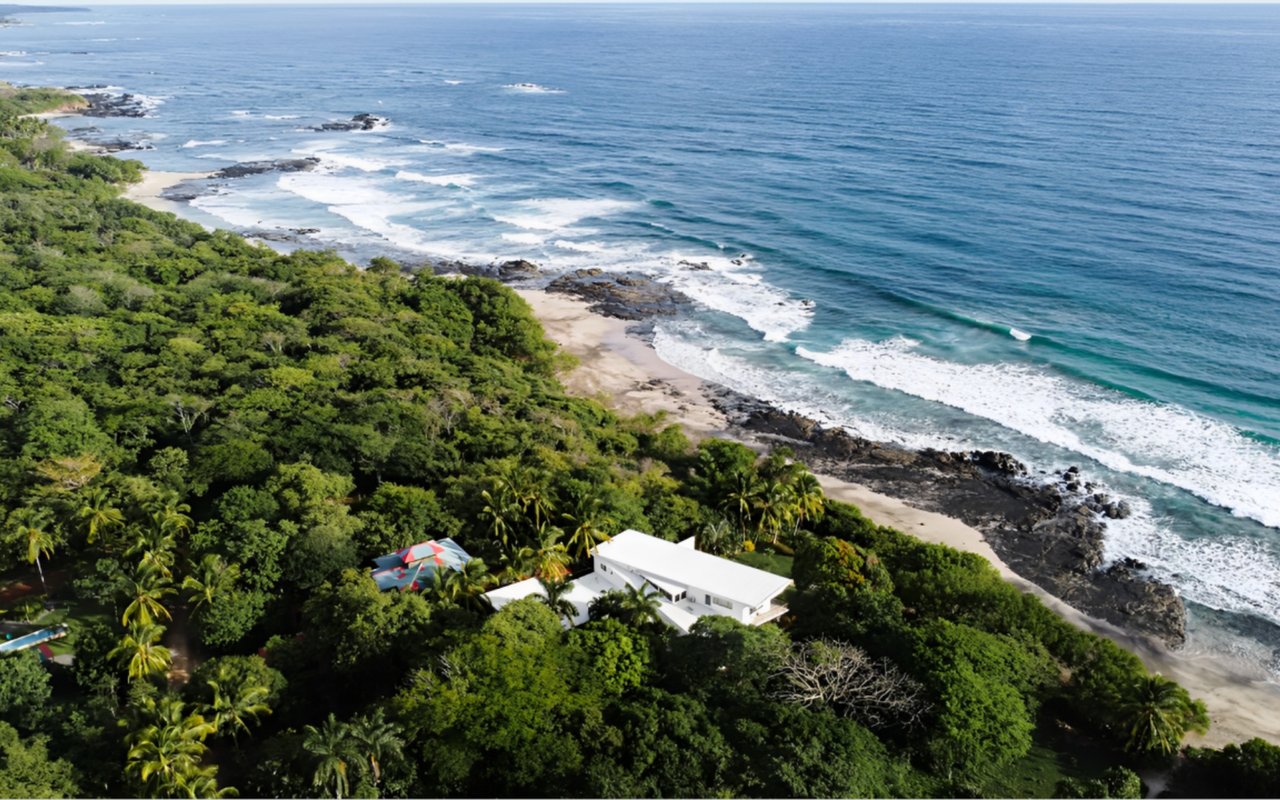
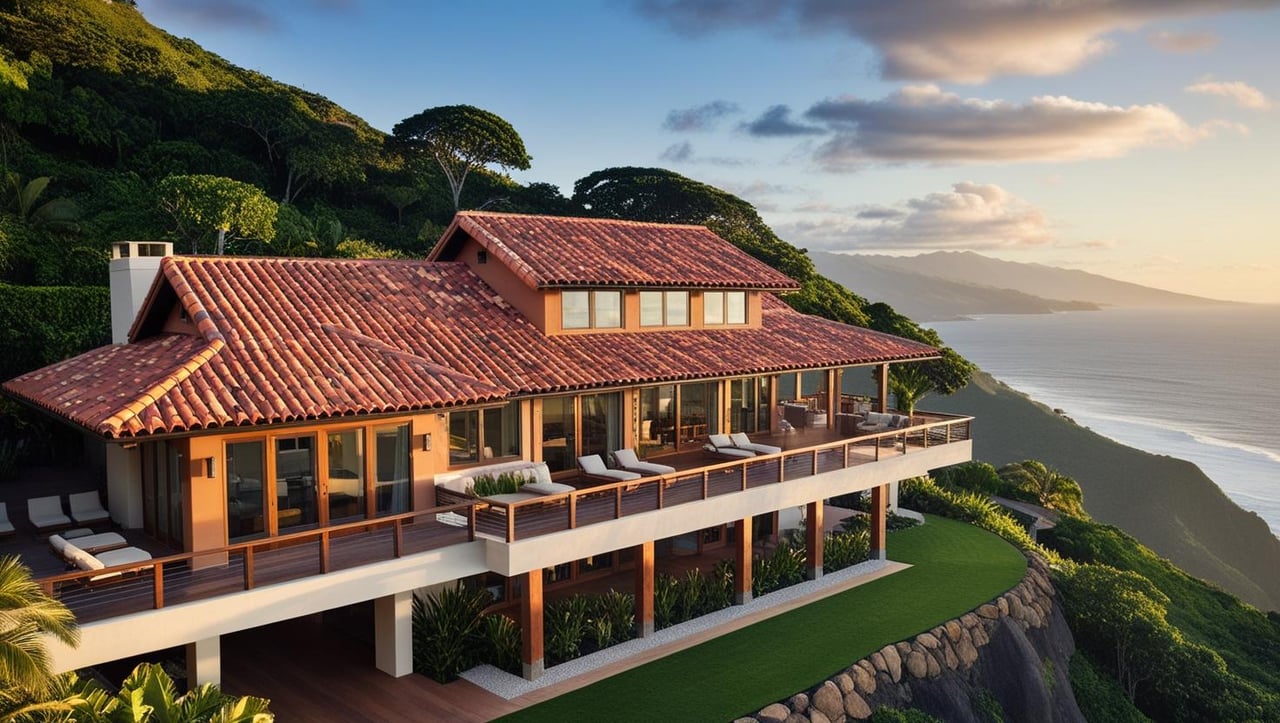
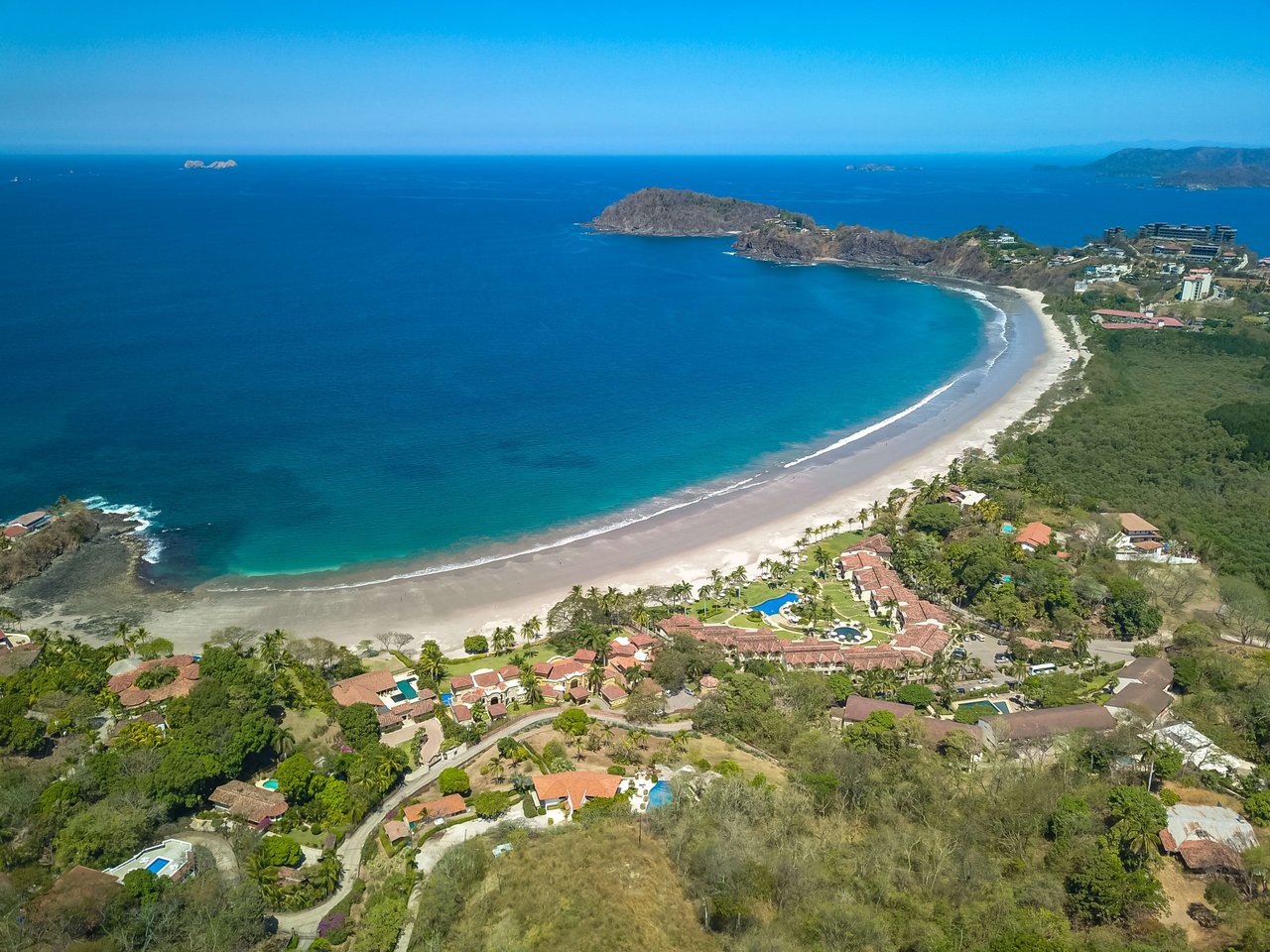
Vistas are a primary driver of luxury real estate value in the South Pacific. A clear, unobstructed view of the Pacific Ocean can increase a property's appraisal value by 30% to 50% compared to a similar home with a jungle view. The appraiser classifies the quality of the view, distinguishing between a "white-water" view, where you can see the waves breaking, and a more distant "blue-water" horizon.
They also consider the permanence of the view, checking for neighboring foliage or potential future construction that could block the sightlines. Properties that offer a "dual view," combining the coastline with the lush mountains of the Fila Tinamaste, command the highest premiums.
They also consider the permanence of the view, checking for neighboring foliage or potential future construction that could block the sightlines. Properties that offer a "dual view," combining the coastline with the lush mountains of the Fila Tinamaste, command the highest premiums.
Comparative Market Analysis and Recent Sales
The appraiser performs a "market study" by comparing the subject property to similar homes that have recently sold in the Uvita and Dominical areas. Since Costa Rica does not have a centralized, public Multiple Listing Service (MLS), the appraiser relies on their own database of past valuations and a network of local professionals to find accurate "comps." They adjust the value based on differences in square footage, age, and amenities.
This comparative approach ensures the appraisal reflects the reality of what buyers are currently willing to pay in the Osa region. If the market is experiencing a surge in demand, the assessment may reflect an upward trend in value based on these recent successful transactions.
This comparative approach ensures the appraisal reflects the reality of what buyers are currently willing to pay in the Osa region. If the market is experiencing a surge in demand, the assessment may reflect an upward trend in value based on these recent successful transactions.
Environmental Risks and Zoning Restrictions
Uvita’s natural beauty comes with specific environmental considerations that the appraiser must document. They check for proximity to rivers and creeks, as Costa Rican law requires specific setbacks (retiros) for any construction near water sources. The appraiser also evaluates the risk of landslides on steep slopes and checks if the property is located within a flood-prone zone near the river mouth.
Zoning regulations, also known as "uso de suelo," are reviewed to ensure that the current or intended use of the property complies with municipal standards. These environmental gating factors are essential for determining the long-term viability and safety of the investment.
Zoning regulations, also known as "uso de suelo," are reviewed to ensure that the current or intended use of the property complies with municipal standards. These environmental gating factors are essential for determining the long-term viability and safety of the investment.
Finalizing the Appraisal Report and Timeline
After the site visit and data analysis, the appraiser compiles a detailed report that typically spans twenty to thirty pages. This document includes a breakdown of land value, construction costs, and the market study findings. You should expect the entire process to take between five and ten business days from the initial site visit.
In Costa Rica, appraisal fees typically range from $300 to $1,000, depending on the property's complexity and the lending institution's requirements. The final "avalúo" provides the definitive value used for the mortgage application, ensuring all parties are aligned before the final transfer of the title.
In Costa Rica, appraisal fees typically range from $300 to $1,000, depending on the property's complexity and the lending institution's requirements. The final "avalúo" provides the definitive value used for the mortgage application, ensuring all parties are aligned before the final transfer of the title.
Ace Your Home Appraisal in Costa Rica
Bluezone Realty International understands that a professional and accurate appraisal is the cornerstone of every successful real estate transaction in the South Pacific. Their team provides the localized expertise and professional advocacy required to help clients navigate the appraisal process and secure their ideal residence in Uvita.
If you're considering getting a home appraisal in Costa Rica, reach out to Bluezone Realty for expert advice and support.
If you're considering getting a home appraisal in Costa Rica, reach out to Bluezone Realty for expert advice and support.