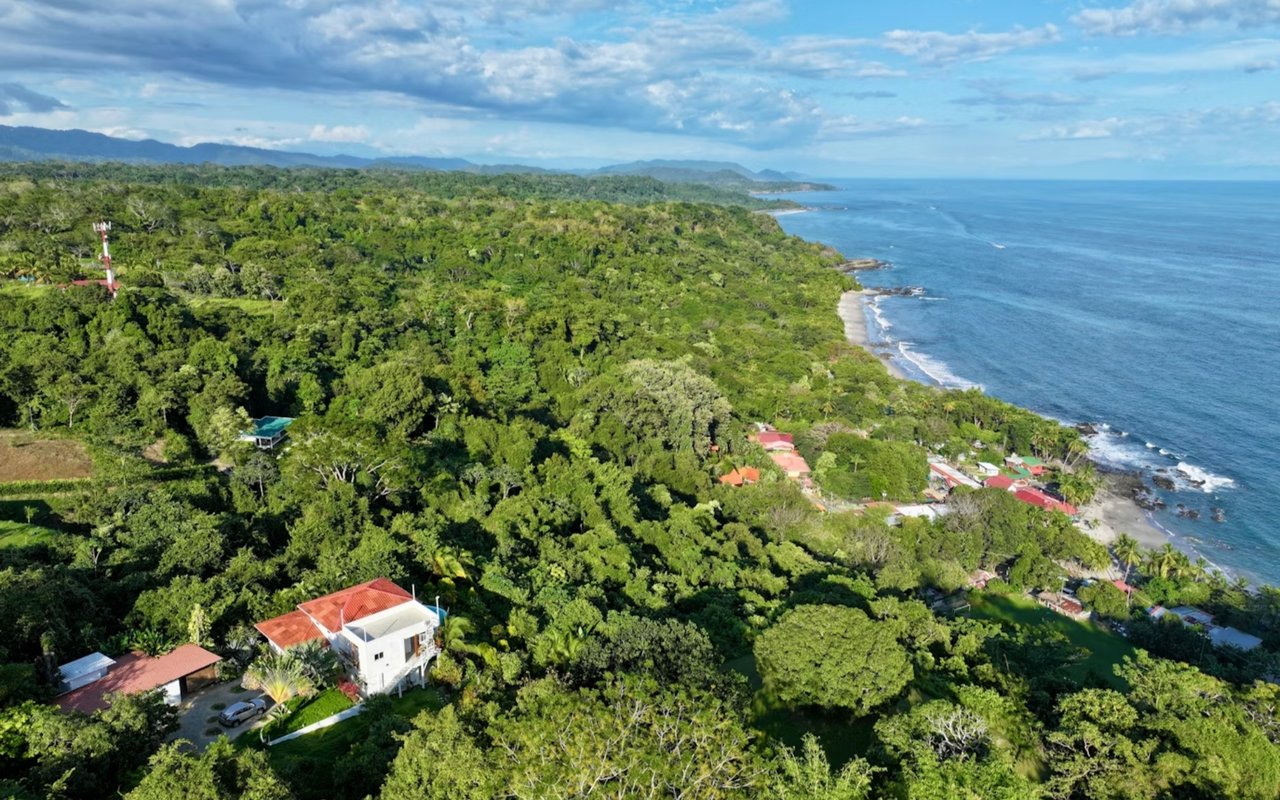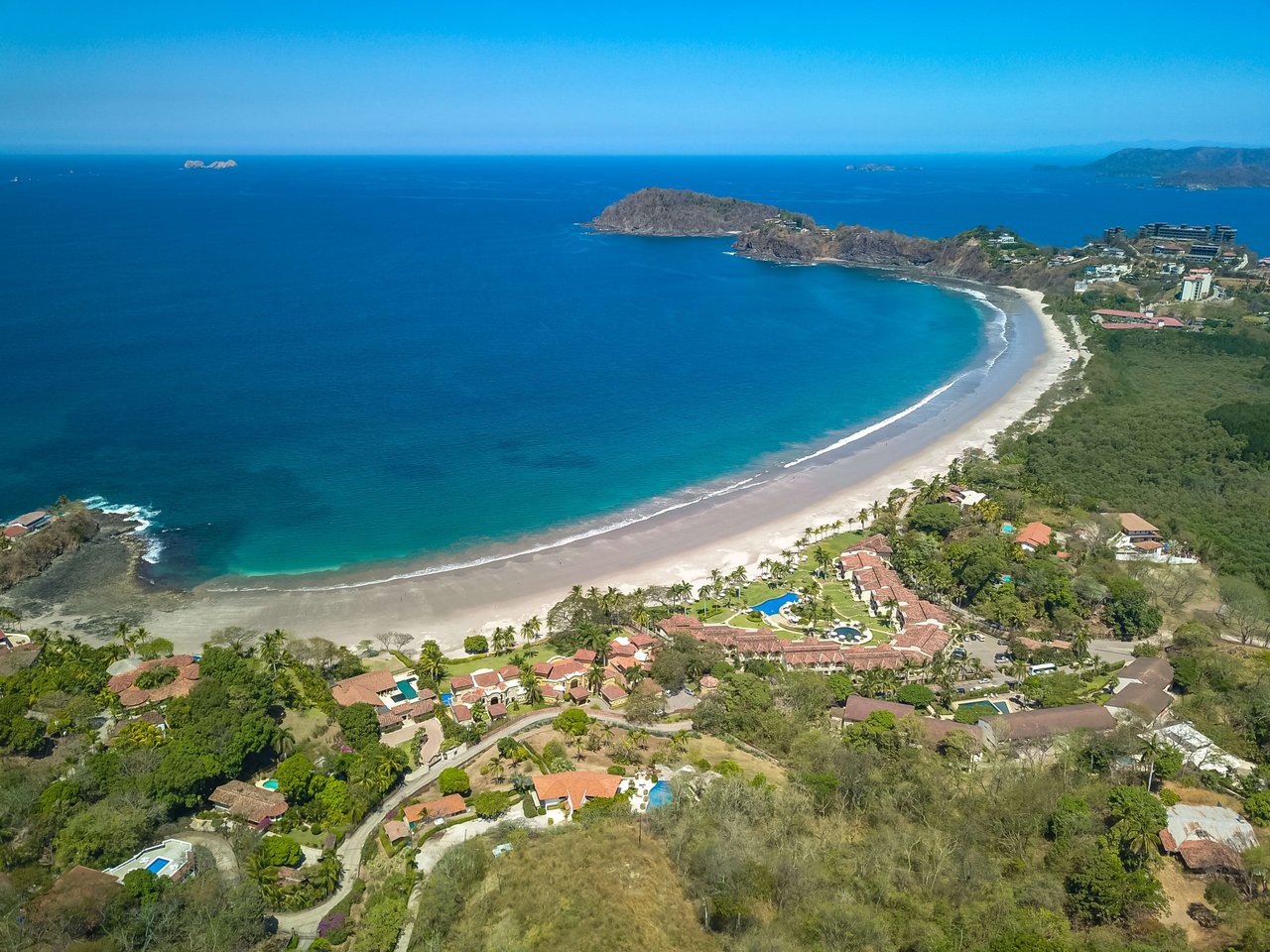
Ojochal has roughly 4,000 residents and, as of January 2026, 26 listed restaurants. That ratio — one restaurant for every 154 people — would be remarkable in a town built around tourism. Ojochal is not built around tourism.
That distinction explains everything about how this scene works. Expat residents put it plainly: if you own a restaurant in a non-tourist town and your food is not good or overpriced, you will quickly go out of business. The people eating at these tables on a Wednesday night are the same people who will be at the farmers market on Saturday and at the next table over at the next restaurant the following week. There is no forgiving stream of one-time visitors to absorb a bad meal. This is peer accountability with a menu, and it has been quietly producing some of the most consistent food on Costa Rica's Pacific coast.
Why the Menu Map Looks the Way It Does
The cuisine range here — French, Indonesian, Thai, Vietnamese, Italian, Polynesian, Japanese fusion, Tico, Mediterranean — is not the product of deliberate curation. It grew from who moved here. Ojochal has a larger percentage of foreign residents than nearly any other town in Costa Rica, with a French-Canadian contingent large enough that the village holds the highest concentration of French expats in the country. Dutch, American, Estonian, and Indonesian residents fill out a community where the local supermarket, Jaucaloa, stocks five kinds of capers, spring roll wrappers, nori, polenta, and curry on the same shelf.
When expats open restaurants in Ojochal, they tend to cook what they grew up eating. The cuisine map of this village traces the biography of its residents more than any planning document. A study published in the Tico Times in June 2025, drawing on research covering 2,240 properties across roughly 3,000 hectares from 1990 to 2024, found that 70 to 75 percent of Ojochal's properties are now in foreign hands. That figure has complicated implications for the community, but it also explains why a village this size has a restaurant serving Polynesian fish and another serving Vietnamese pho within walking distance of each other. The restaurants exist because the people who opened them live here.
The Fine Dining Tier That Earns Its Reputation Weekly
Citrus, at Plaza Tangara on the main road, is the baseline against which most of the fine dining gets measured. Chef Marcella Marciano has been running it for over 13 years, and the menu moves across French technique, Asian influence, and Middle Eastern flavors without losing coherence. For a village of 4,000 people, this is the kind of restaurant that requires a reservation and rewards having one.
Exotica sits 1 kilometer from the highway entrance on the main street and is easy to walk past — which seems intentional. The kitchen handles French-fusion alongside Polynesian, Thai, and Vietnamese preparations using mostly locally sourced ingredients. The duck breast in orange sauce and the homemade desserts are cited repeatedly by long-term residents as the reason to call ahead. Hours run Tuesday through Saturday from 5pm.
Heliconia occupies a different position. Where Citrus is polished and Exotica is intimate, Heliconia reads as organic-first, with colorful plated dishes and a cocktail list worth staying for. Residents who eat at all three regularly tend to describe them less as competitors than as different uses of the same evening, depending on who is visiting and how long the week has been.
Where the Social Week Actually Unfolds
Most Ojochal residents are not at Citrus on a Tuesday. They are at the Bamboo Room, which functions as the village's social anchor: live music most nights, an American menu with local influences, and a crowd where you recognize half the room from the hardware store that morning. It opens at 11am Monday through Saturday and runs at a pace that suits people who are not in a hurry to be anywhere else.
Kua Kua, the restaurant at Hotel Three Sixty, operates at a different altitude — literally. The kitchen runs a seasonal menu with local sourcing through breakfast, lunch, and dinner, and the dining room sits high enough on the Calle Perezoso ridge that the Pacific view becomes part of the meal. Bar 360 on the same property distills its own 360 Vodka and runs a tapas menu with locally sourced ingredients that makes it a destination in its own right before heading elsewhere for the evening.
Momento Wine and Sushi Bar handles Japanese-tropical fusion and a curated wine list — filling a specific gap that residents recognized before the restaurant did. Los Gatos Locos is the treehouse-style option: everything made from scratch, live music most nights, a room where dinner does not feel like a production.
What the Newest Arrival Signals
Potz Bistro, 200 meters from the entrance of Ojochal in the Sabor Ojochal Plaza, is the most recent addition to the lineup. It opens daily from 7am to 9pm, making it one of the few places in the village that serves all three meals seven days a week. The kitchen runs a multicultural fusion menu built on deliberately sourced ingredients: organic eggs, olive and coconut oil instead of seed oils, artisan bread stored without plastic packaging.
The house cocktail is called the Ojochal 43. The bakery produces homemade gelato. Bitcoin is accepted alongside card, which says something about who the operators expected to walk through the door.
Potz is connected to Sibu, an established restaurant in Uvita, which suggests its operators understood the neighborhood before opening in it. Its arrival matters less for any single dish than for what it filled: residents who were already well-served for fine dining and live-music nights needed a reliable all-day option. A new restaurant identifying that gap, committing to it, and executing it well is a sign of a maturing scene rather than a saturating one.
The Infrastructure Behind the Tables
The dining scene extends below the sit-down options. Jaucaloa, the village supermarket, stocks the kind of specialty ingredients that signal who is cooking at home: nori, polenta, spring roll wrappers, five varieties of capers, caviar, curry. The Saturday farmers market overlaps with what a Mennonite community nearby supplies — locally produced dairy and baked goods that show up both at home tables and in restaurant kitchens around the village.
Ballena Bistro, at kilometer 169 on the Costanera Sur between Uvita and Ojochal, runs a farm-to-table menu of homemade dishes with fresh local produce and is closed on Mondays. Restaurante Tilapias La Cascada, near the Cascada Pavon trailhead, serves tilapia cooked directly from its on-site ponds in an open-air setting that operates on a completely different register than Citrus or Exotica. It is better for it.
One practical detail for residents hosting guests from outside the village: most Ojochal restaurants take a short break in October at the deepest point of the rainy season. Planning visits for November through April means the full range is available.
The full scene only makes sense when you understand that it was never built for anyone passing through. A community this international, this residential, and this unwilling to tolerate a mediocre meal created something that looks like a culinary destination from the outside and feels, from the inside, like exactly what it is: people cooking for their neighbors.
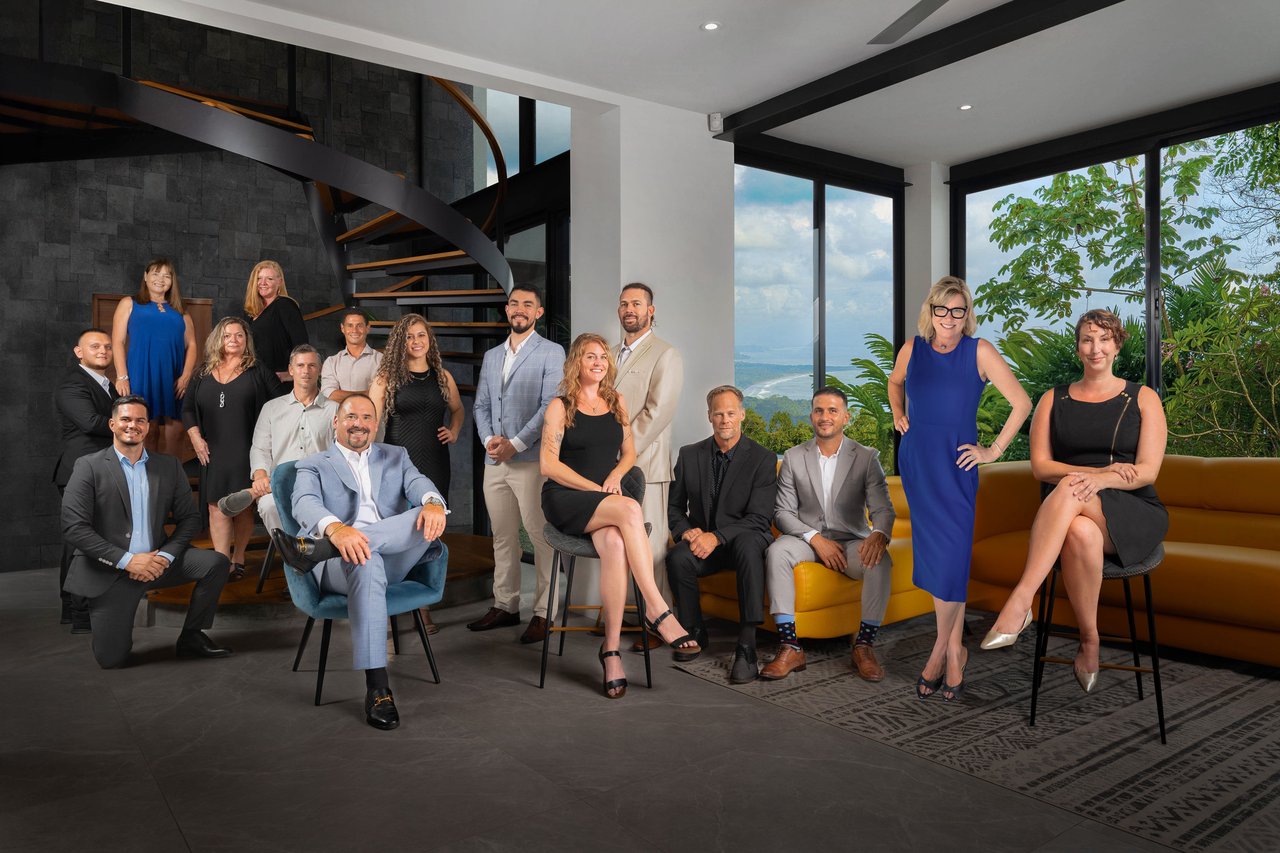
Curious about what daily life actually looks like in Ojochal or the surrounding Southern Pacific communities? Blue Zone Realty International works with buyers and sellers across Ojochal, Uvita, Dominical, and Manuel Antonio. Schedule a private consultation.