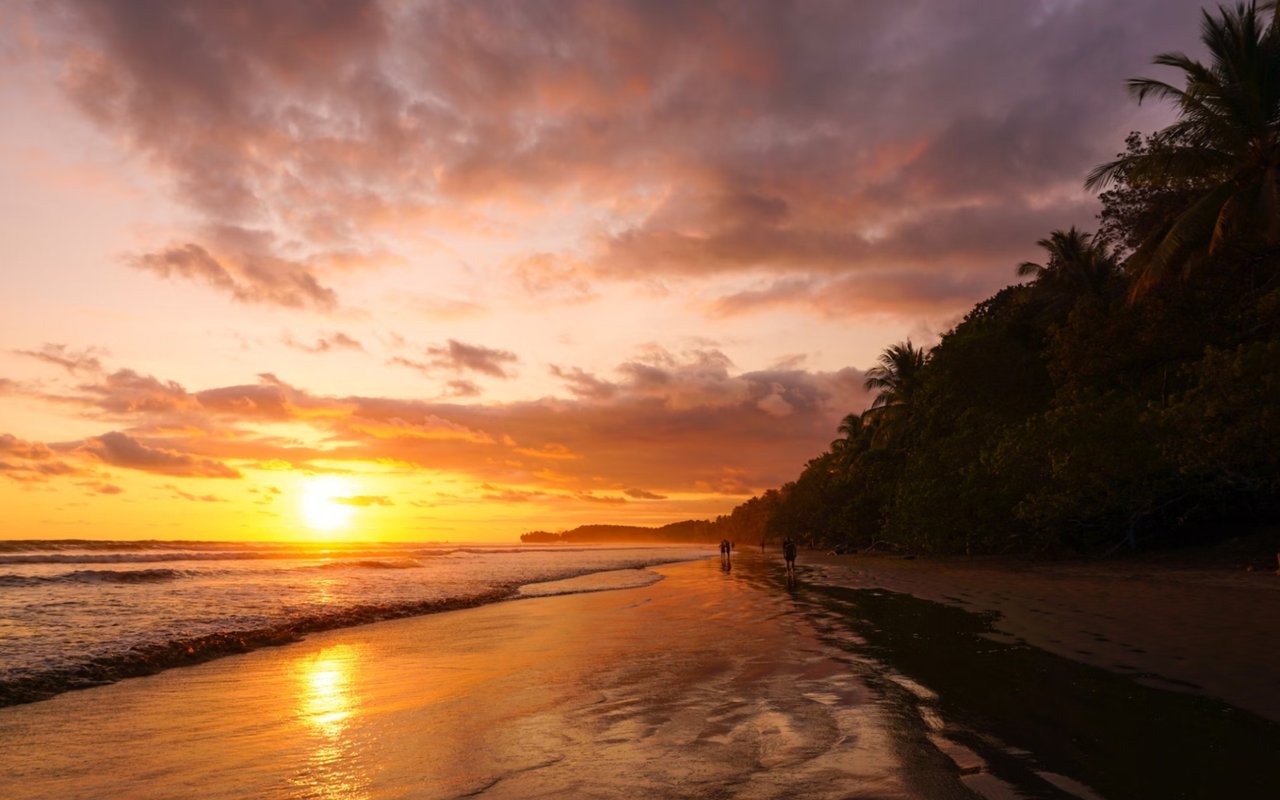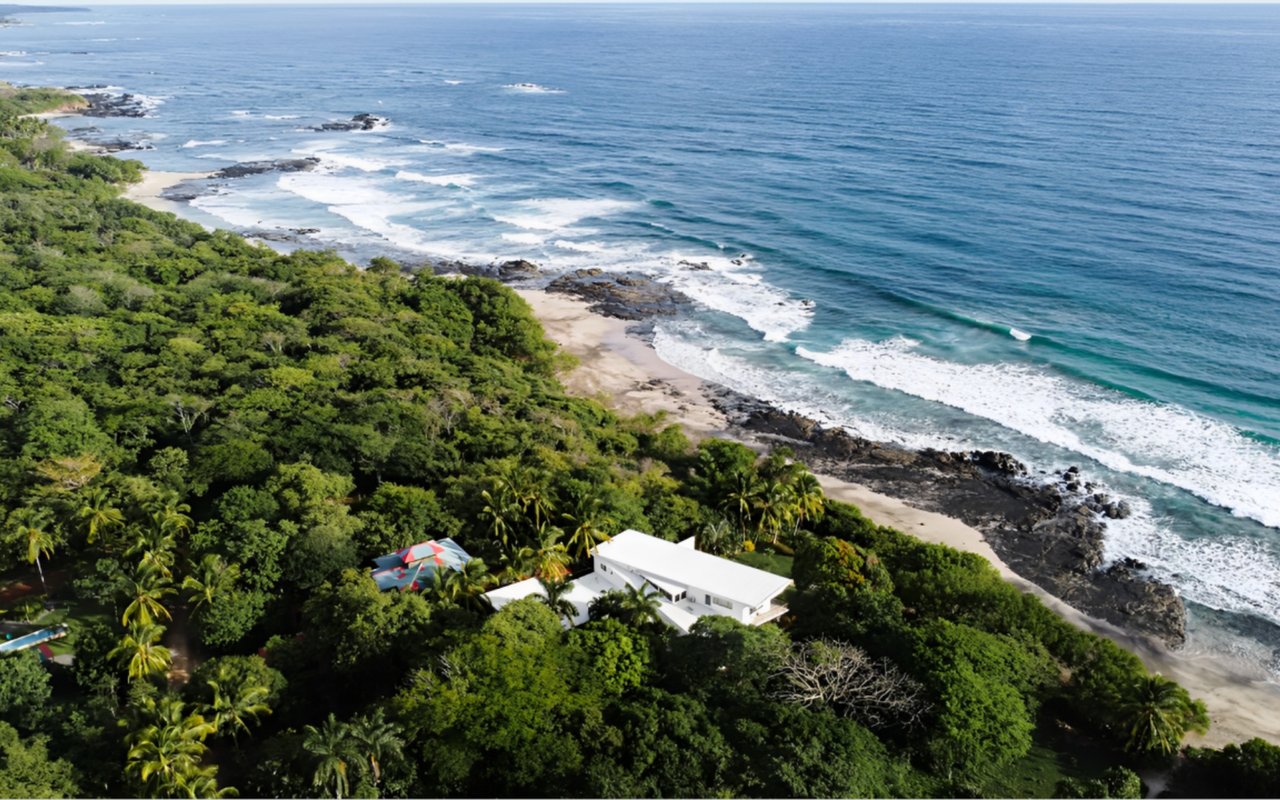
Thinking about buying a jungle-meets-ocean home in Uvita but not sure how to do it from abroad? You’re not alone. The process in Costa Rica has a few unique steps, and the coastal setting around Marino Ballena National Park adds important rules to understand before you make an offer. In this guide, you’ll learn the simplest path to ownership, how to run airtight due diligence, what closing costs to expect, and how long it typically takes. Let’s dive in.
Uvita snapshot and coastal context
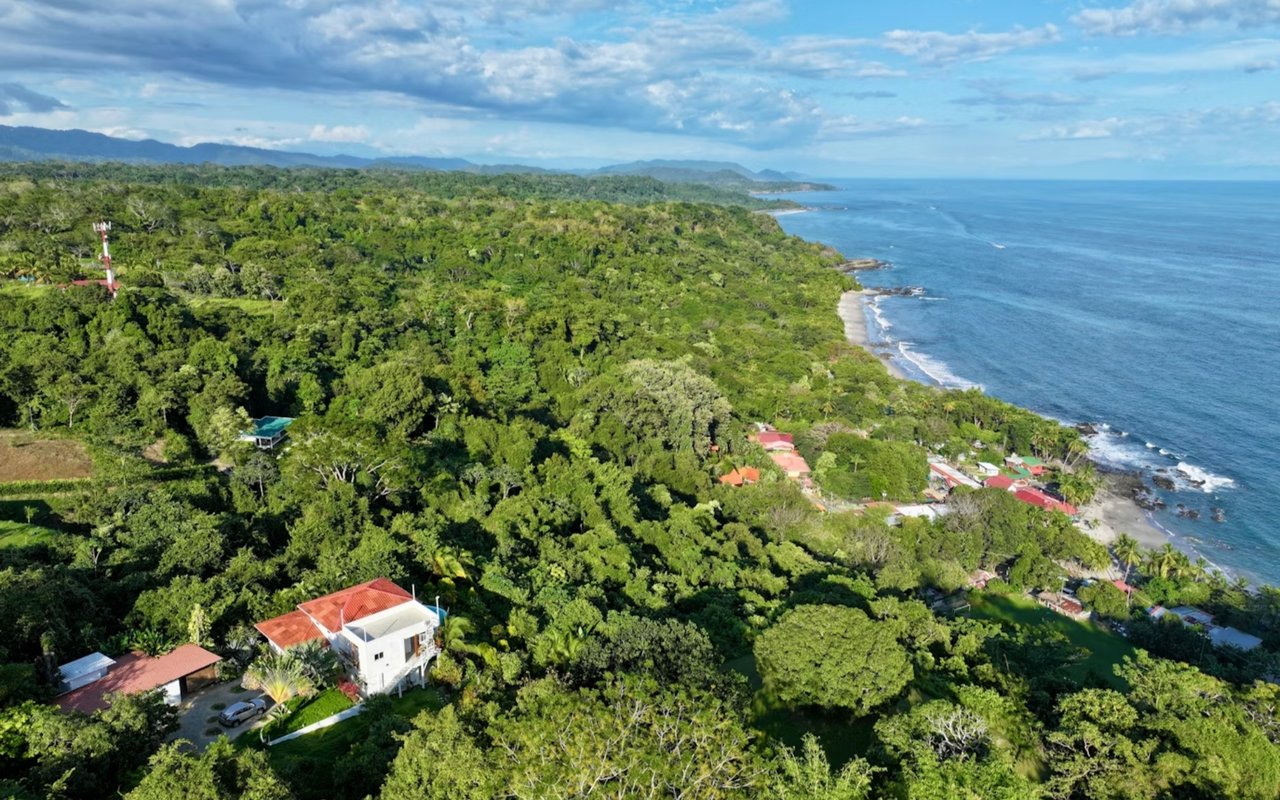
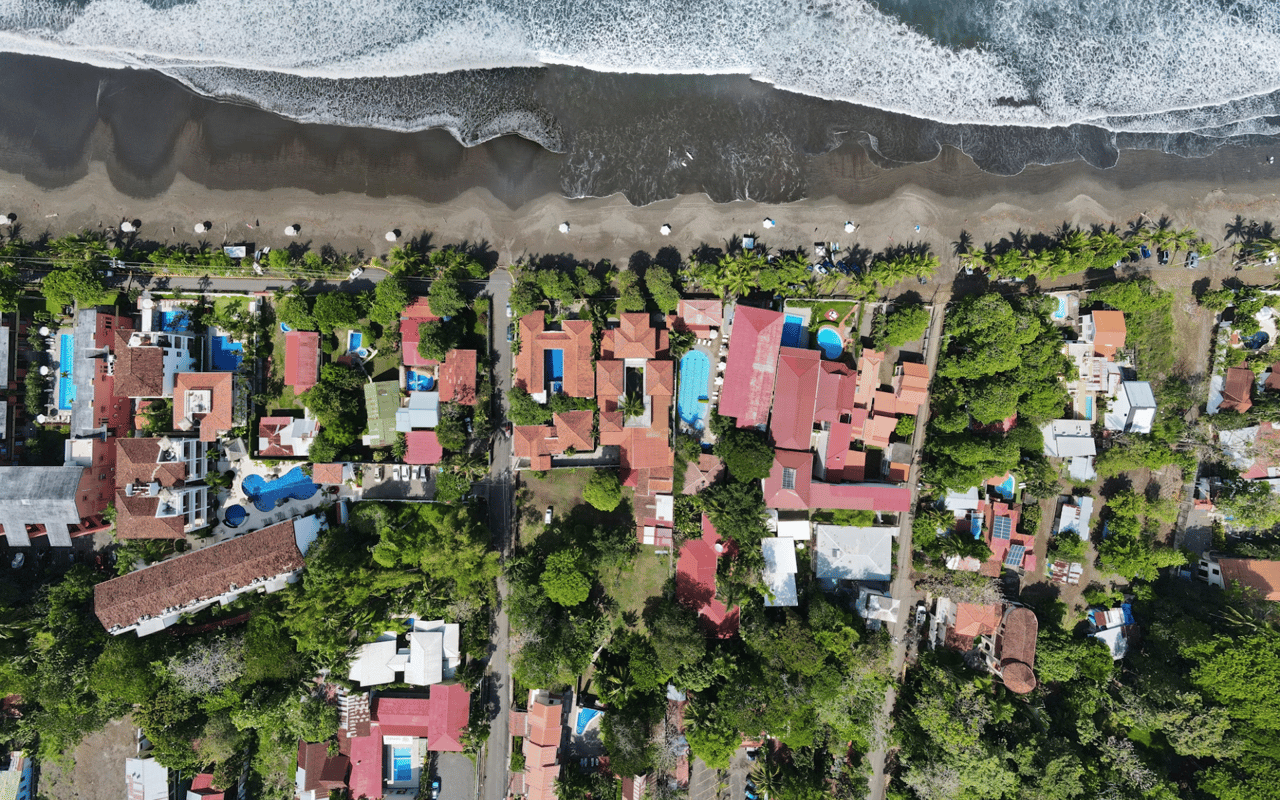
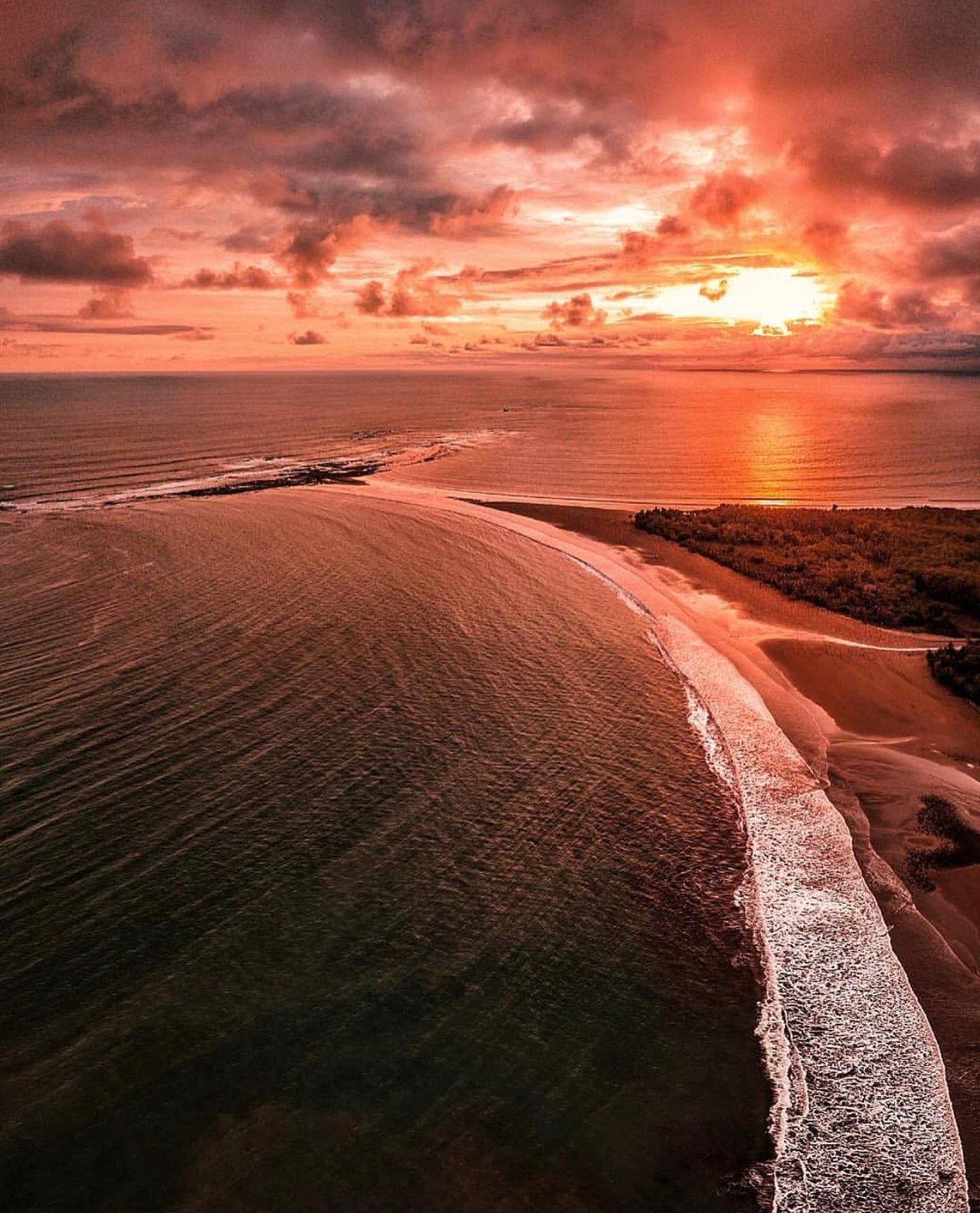
Uvita is the service hub of the Bahía Ballena district in Osa, at the heart of Costa Ballena. The area blends nature, lifestyle, and strong visitor demand, which is why many international buyers target it for second homes or investment. Always verify how local zoning applies to a specific parcel using the Municipal Plan Regulador for Osa, which defines permitted uses, setbacks, heights, and special protections.
Properties near the protected Marino Ballena National Park face stricter rules on use and construction. Before you proceed with any parcel close to the shoreline or park, confirm boundaries and protections through Marino Ballena National Park guidance and municipal records.
- Check Osa’s zoning and coastal protections in the Municipal Plan Regulador.
Property types: titled vs concession
- Titled property: This is private ownership registered in the National Registry. It is the most straightforward route for international buyers. Confirm that the deed details match the official map at the Registro Nacional (RNP Digital).
- Maritime Terrestrial Zone (ZMT) concessions: The first 200 meters from the ordinary high-tide line is state domain. Rights in this zone are typically concessions governed by the Maritime Terrestrial Zone law. Concessions are not the same as private title and can come with limits on ownership, transfer, term, and construction. If you see beachfront or near-beach land, have an attorney verify any ZMT status at the municipality.
Your step-by-step roadmap to buy in Uvita
Define goals and budget. Clarify whether you want a second home, a rental-focused villa, or land to build, and pick your sub-areas around Uvita and the Costa Ballena corridor.
Request core documents early. Ask the seller for the current folio real (registry extract), the most recent deed, and the plano catastrado (official map) to review against the Registro Nacional.
Make an offer and reserve the property. Many buyers sign a reservation agreement or promesa de compraventa with a deposit held by escrow or the attorney’s client account while due diligence runs. Learn common practice for a reservation agreement or promesa de compraventa.
Complete due diligence. Your attorney reviews title, liens, the cadastral plan, municipal zoning, environmental status, utilities, HOA standing, and the seller’s identity and capacity.
Close before a Notario Público. The notary-attorney drafts the Escritura Pública, records the transfer with the National Registry, and coordinates tax forms and payments. See the role of a Notario Público in Costa Rica.
Pay taxes and stamps. Costa Rica charges a real estate transfer tax, registry stamps, and other fees, which must be paid or the transfer will not record. See details on the real estate transfer tax.
Register and fund. You typically wire funds on the signing day, with any required withholdings processed through TRIBU-CR so the registry can finalize the transfer.
Typical timeline and presence
Most straightforward titled purchases close in about 4 to 8 weeks from a signed offer, depending on due diligence findings, banking, and government processing. If you cannot attend closing, you can grant a limited power of attorney that is properly legalized and translated, which your notary will guide you through.
Due diligence checklist for Bahía Ballena
Title and liens. Ask your attorney for a certified folio extract, a gravamen search for mortgages or judicial liens, and confirmation of any annotations. Cross-check the folio, deed, and map at the RNP Digital.
Boundaries and map. Compare the plano catastrado to the physical site. For oceanfronts, ridgelines, or irregular parcels, commission a local topographic survey to verify corners and area.
Zoning and permits. Confirm the exact zoning, permitted uses, setbacks, and heights under the Osa Plan Regulador. If improvements exist, verify they match the permits on file.
Environmental and protected areas. Determine whether a SETENA environmental filing or viability is needed for your project and whether the parcel overlaps any protected area or buffer. Review the SETENA environmental process and municipal/SINAC maps.
Coastal ZMT status. If the parcel sits near the shore, confirm whether any part falls in ZMT and whether a concession applies, using the Maritime Terrestrial Zone law and municipal records.
Operational checks. Verify potable water source and availability, electric service, road easements and access deeds, septic or sewer approvals, and HOA rules and balances if applicable.
Costs, taxes, and who pays what
Transfer tax. The real estate transfer tax is 1.5 percent of the higher of the deed price or the fiscal value. See details in Hacienda’s guidance on the real estate transfer tax.
Registry stamps and fees. Plan for roughly 0.5 to 0.9 percent in combined registry and administrative stamps and fees, typically paid at closing by your notary as part of the registration package.
Legal and notary fees. Many transactions budget around 1.0 to 1.5 percent for attorney and notary services, plus VAT where applicable. Always confirm the fee quote and scope in writing.
New capital gains withholding. Recent Hacienda rules require the buyer to act as withholding agent for capital-gains tax at closing, generally 2 percent when the seller is domiciled in Costa Rica and 2.5 percent when not domiciled. Payment and filing go through TRIBU-CR, and registration can be delayed without it. Review Hacienda’s resolution on new withholding with your attorney.
Who pays what. Practice varies and is negotiated in the contract. Because the buyer must withhold capital-gains tax, be prepared to allocate funds and document the arrangement clearly.
Ongoing property tax. Municipal property tax is relatively low compared with many countries. A commonly cited rate is around 0.25 percent of the fiscal value. Review general context for municipal property tax rates and confirm the current Osa levy with the municipality.
Financing and ownership options
Financing. Cash is common and fastest. Some local banks lend to non-residents, often with larger down payments and stricter documentation. Private or seller financing may be available. Engage lenders early and compare offer terms.
Ownership. You can hold property in your personal name or through a Costa Rican company such as an S.A. or S.R.L. If you buy or sell company shares instead of the property itself, be aware that certain indirect share transfers may be taxed similarly to a direct property transfer and require the same filings. See Hacienda’s guidance on indirect transfers in its withholding resolution.
Title protection. Title insurance exists in limited forms, but most buyers rely on rigorous attorney-led due diligence and proper notarial registration.
Red flags that slow or stop closings
- Any overlap with the ZMT or protected park areas that limits construction or transfer rights.
- Mismatches between the deed and the official map, or unclear boundaries on the ground.
- Liens, litigation, inheritance issues, demolition orders, or unpaid municipal obligations.
- Corporate sellers with incomplete records or missing shareholder approvals for the sale.
What to prepare before your first tour
Documents to request from the seller
- Certified folio extract and folio number from the National Registry.
- Recent deed and the plano catastrado.
- Proof of paid municipal property taxes for recent years, plus any HOA statements.
- If the seller is a company, request corporate minutes and powers of attorney.
Questions to ask your attorney or notary
- Can you show a certified folio and plano for this parcel and confirm any annotations or liens at the RNP Digital?
- Is any part of the parcel inside the ZMT or near Marino Ballena, and what rules apply under the Maritime Terrestrial Zone law?
- Who pays transfer tax, notary fees, and the new capital-gains withholding, and how will we process TRIBU-CR filings at closing?
- If I use a Costa Rican company, what annual maintenance is required, and could a share sale trigger the same filings as a property transfer?
- Do you recommend a topo survey, a SETENA check, and a current municipal permit review before we finalize?
Local guidance for a smooth purchase
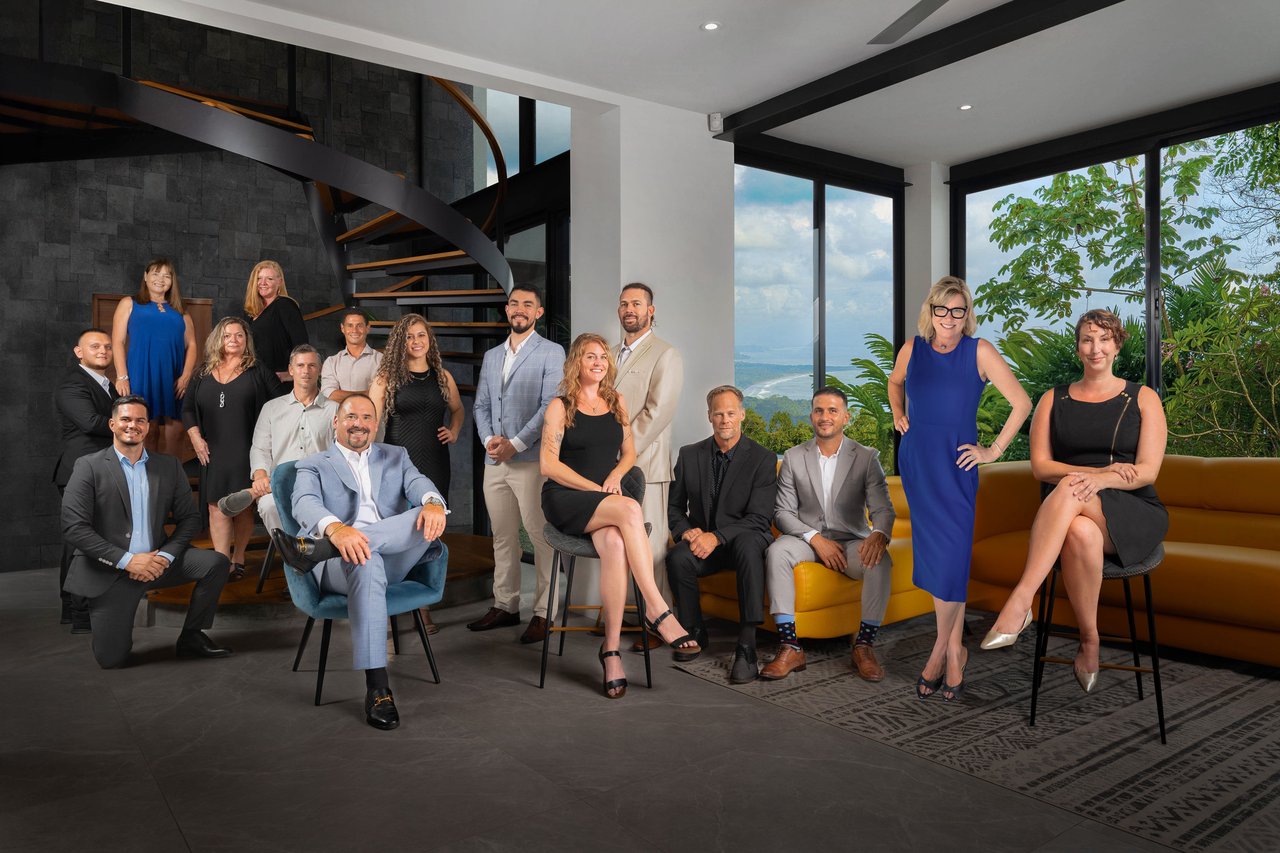
Buying in Costa Ballena goes best when you have a specialized team managing each step, from document gathering to municipal and environmental checks. If you want a concierge-style approach with introductions to vetted attorneys, escrow, surveyors, and post-close resources like property management, connect with our local team. We help you focus on the right properties and avoid surprises at closing.
Ready to explore Uvita with a clear plan? Contact Bluezone Realty International to schedule a private consultation.
FAQs
Can foreigners buy titled property in Uvita without residency?
- Yes. Foreigners can directly own titled property in Costa Rica. Concessions in the coastal ZMT have special rules, so always confirm status under the Maritime Terrestrial Zone law.
How long does a typical closing take in Uvita?
- Many straightforward titled purchases close in about 4 to 8 weeks, while concession, corporate, or development cases can take longer.
What closing costs should I budget for as a buyer?
- Plan for transfer tax at 1.5 percent, about 0.5 to 0.9 percent in registry stamps and fees, and around 1.0 to 1.5 percent for legal and notary services, plus the new withholding your attorney processes with Hacienda.
Do I need to be in Costa Rica to sign the deed?
- No. You can grant a limited power of attorney that is correctly apostilled or legalized and translated as needed, then your notary can sign on your behalf.
How do I confirm park or ZMT restrictions on a parcel?
- Your attorney can verify with registry maps and municipal records. You can also review Marino Ballena National Park information and the Maritime Terrestrial Zone law for context.
What environmental permits do I need to build in Uvita?
- Requirements vary by project size and location. Your attorney or consultant can determine whether a SETENA filing is needed. Start with the SETENA environmental process and confirm municipal zoning first.