Moving to Ojochal can feel like a dream and a puzzle at the same time. You may already picture the tropical setting and slower pace, but you also want clear answers about groceries, healthcare, roads, schools, and what daily life really looks like. This guide will help you understand the practical side of settling into Ojochal so you can plan with more confidence. Let’s dive in.
What daily life in Ojochal feels like
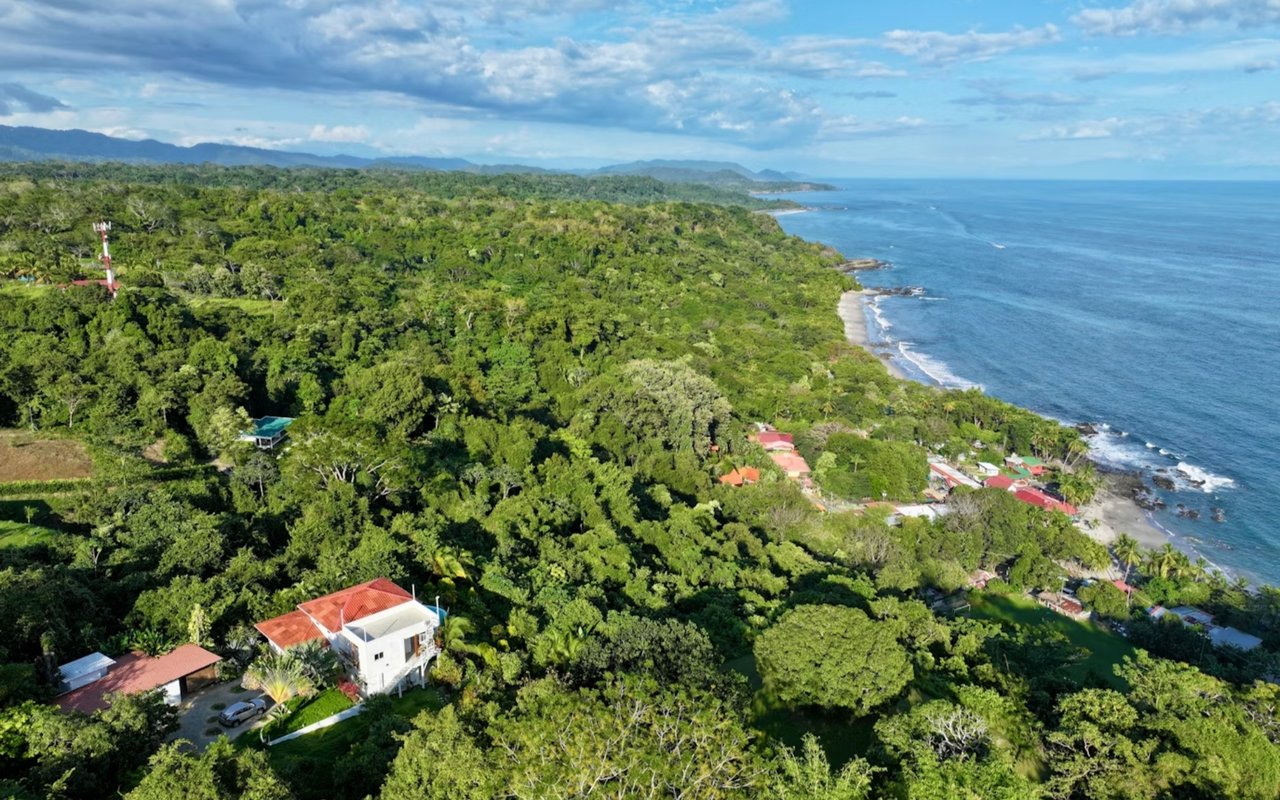
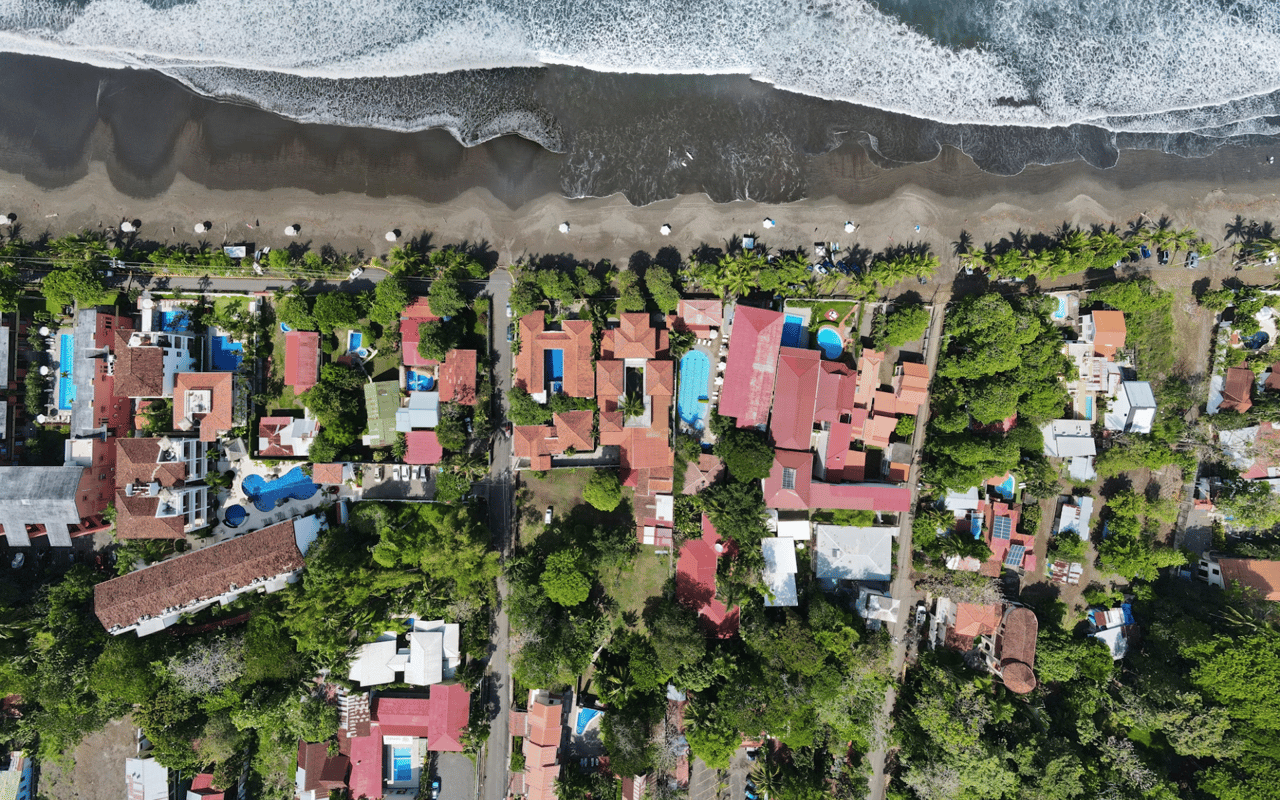
Ojochal works well for everyday living, but it is best understood as a village-scale service center rather than a full urban hub. You can handle some basic needs locally, and the area has several restaurants, a small supermarket, and a butcher shop. There is also a local pharmacy listed in Ojochal.
That setup is often enough for quick errands and day-to-day convenience. Still, if you are used to a larger town with many stores and services close together, you should expect to drive for a wider range of shopping and errands. In practical terms, Ojochal supports daily life, but it is not fully self-contained.
Groceries and basic services
If you are relocating from a city or suburban area, one of the biggest adjustments may be how you shop. In Ojochal, small local stops can cover immediate needs, but larger shopping trips will likely happen in nearby regional centers. That means planning ahead becomes part of your routine.
A simple way to adapt is to think in two layers:
- Local errands for basic groceries, pharmacy needs, and casual dining
- Regional errands for bigger purchases, specialty items, and a broader service selection
This rhythm is very manageable once you settle in. Many new residents find that with a little routine, village living feels more intentional and less rushed.
Transportation in and around Ojochal
Transportation is one of the most important parts of relocation planning in this area. Official tourism materials note access through Palmar Sur and reference both bus and car transportation. They also note that buses are run by private companies rather than one single public transit authority.
For most residents, a car offers the most flexibility. Bus service exists, but schedules and operator logistics matter more when you rely on it regularly. If you want freedom for shopping, appointments, airport runs, or exploring the region, driving will likely be the easier fit.
Why RN 34 matters
RN 34, also known as Costanera Sur, is the key coastal road corridor for the region. It connects many of the communities people use for errands, services, and travel up and down the Southern Pacific area. If you are buying in Ojochal, this road will likely become part of your weekly routine.
Public works can also affect travel conditions over time. MOPT reported renewed road surface work between Dominical and Uvita in 2025 and announced a new bridge project on RN 34 in Osa in 2026. That means access can improve, but it also means conditions may shift as infrastructure projects move forward.
Air access for regional travel
If you expect frequent travel within Costa Rica, the region also has domestic runways in Palmar Sur, Golfito, Drake, and Coto 47. These support short internal flights to and from San José. For some residents, that can make longer regional or national travel easier to manage.
Healthcare options near Ojochal
Healthcare is a major concern when you are moving to a new country or region, and Ojochal residents should think about care at the regional level. Hospital Dr. Tomás Casas Casajús in Ciudad Cortés is the main CCSS hospital context for relocation planning in this area. According to CCSS, it is a Periférico 1 hospital with 50 beds and a broad set of specialties and support services.
Those services include:
- Pediatrics
- Surgery
- Internal medicine
- Gynecology and obstetrics
- Orthopedics
- Psychiatry
- Imaging
- Laboratory
- Pharmacy
- Urgent care
- Telemedicine
- Dental care
- Psychology
- Nutrition
- Physical therapy
- Respiratory therapy
The same CCSS audit notes that the Área de Salud Osa has ten EBAIS and a direct covered population of 30,609. For new residents, that gives helpful context about the broader local care network rather than just one building on a map.
Emergency and regional care planning
CCSS also lists other hospitals in Puntarenas that are part of the emergency network, including facilities in Golfito, Quepos, Ciudad Neily, San Vito, and San Francisco de Asís. This matters because healthcare planning in a rural-coastal region often means understanding where different levels of care are located. It is wise to think beyond the closest option and understand your broader regional map.
CCSS also separates emergencies from less urgent care. For eligible users, the EDUS app can provide access to appointments, prescriptions, diagnoses, and other health record details in areas where that service is enabled. That can be a useful tool as you build your local routine.
Climate and how it shapes your schedule
Ojochal sits in Costa Rica’s South Pacific, where the climate is tropical, hot, and humid. Official climate sources describe an average maximum temperature of 27.9°C and an average minimum of 20.5°C. If you are moving from a cooler or drier climate, this is one of the biggest lifestyle adjustments to expect.
The Pacific side also has a well-defined dry and rainy season. In the South Pacific, the dry period is generally described as running from December or January through April, while the wetter period usually stretches from about May through November or December, depending on local microclimate.
What the rainy season means for real life
The biggest practical takeaway is not just that it rains more. It is that the rain often arrives in the afternoon and early evening. IMN weekly trends regularly forecast afternoon and evening rain and thunderstorms in the Central and South Pacific.
For your daily routine, that means mornings are often the best time for:
- Grocery runs
- Outdoor exercise
- Property errands
- Appointments
- Regional driving
This timing pattern becomes especially important in the green season. Once you build your schedule around it, daily life tends to feel much smoother.
Schools and education planning
If you are moving with children, Ojochal does have a local school presence. MEP reports that Escuela Tortuga in Ojochal de Osa serves about 133 students across preescolar and I-II cycle. That suggests a real local option for primary-level education in the community.
For secondary education, commuting may become part of the plan. Nearby options include Liceo Pacífico Sur in Osa, which participates in Bachillerato Internacional, and Colegio Técnico Profesional de Osa in Palmar Norte, which MEP says serves 926 day students and 201 night students.
For many relocating families, the practical point is simple: primary schooling may be local, while secondary school planning may be more regional. That makes location, transportation, and daily schedule especially important when choosing a home base.
Settling in after closing
A successful move is about more than buying the right property. It is also about learning where to shop, how to organize healthcare, what routes you will drive most often, and which community touchpoints can help you feel oriented early on.
Visit Costa Rica’s Osa directory references the Uvita Information Center as a place that can help newcomers get oriented. For many buyers, this kind of local orientation is valuable in the first weeks and months after a move, especially when you are still learning the region’s pace and geography.
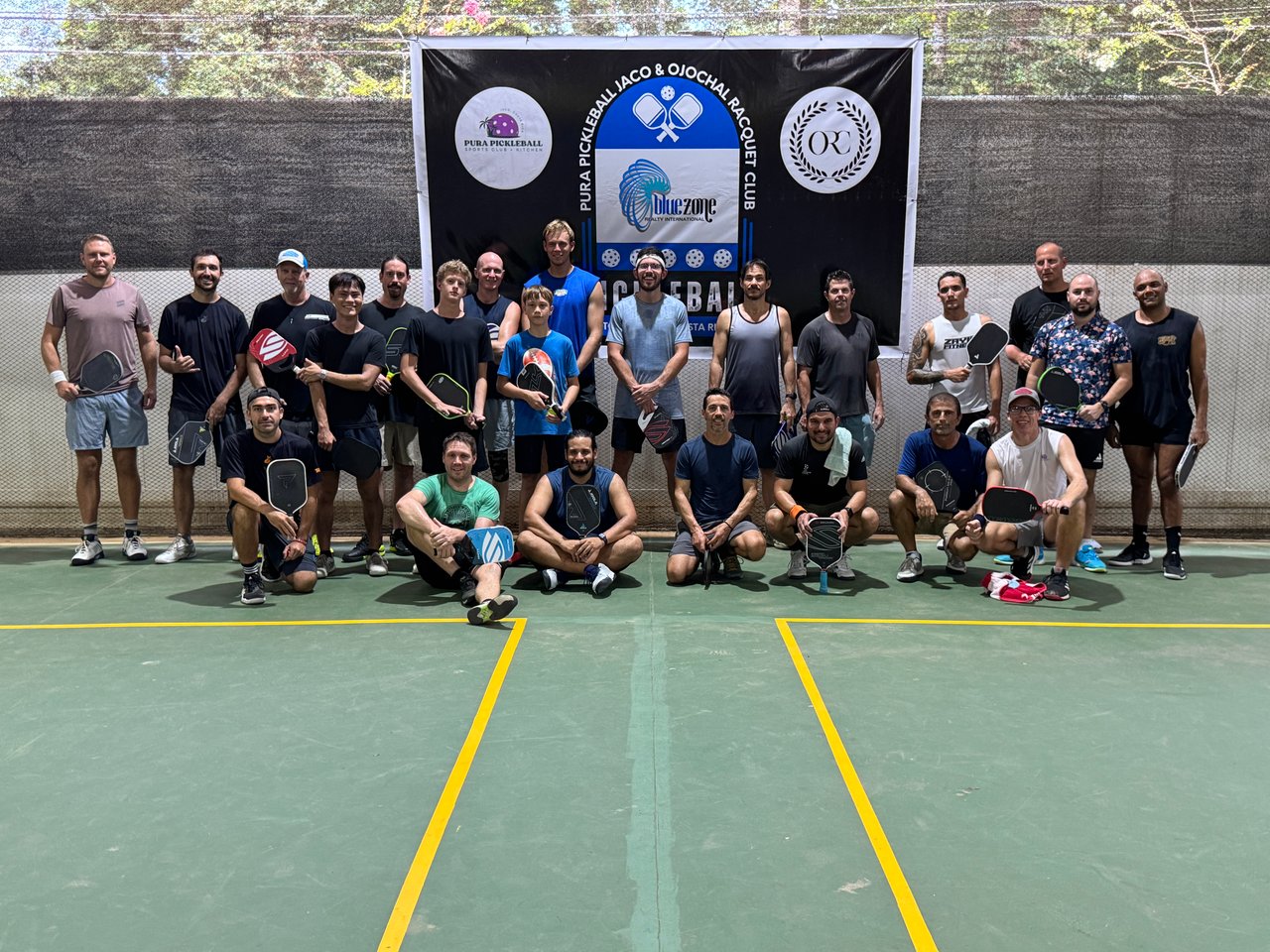
That is also where concierge-style support can make a real difference. Blue Zone Realty International is focused on the Southern Pacific region and provides practical post-closing support through introductions to schools, service providers, and community groups, along with coordination through its partner network. For international buyers, that kind of guidance can make relocation feel much more manageable.
A smart way to prepare for your move
If you are considering Ojochal, the best approach is to plan for a lifestyle that is flexible, regional, and well paced. You do not need a city mindset to thrive here, but you do need to understand the rhythm of village living, road-based travel, and seasonal timing. Once you do, Ojochal can offer a very livable and grounded day-to-day experience.
Before you move, it helps to think through a few basics:
- Where you will handle weekly errands
- How often you expect to drive regionally
- What healthcare access matters most to your household
- Whether school commuting will be part of your routine
- How the rainy season may affect your schedule
If you want expert guidance as you plan your move to Ojochal or explore homes in Costa Rica’s Southern Pacific region, schedule a private consultation with Bluezone Realty International.
FAQs
What is daily life like for new residents in Ojochal?
- Ojochal supports many everyday needs with local restaurants, a small supermarket, a butcher shop, and a pharmacy, but most residents should expect to drive to nearby hubs for larger shopping trips and a wider range of services.
What transportation should you expect when living in Ojochal?
- Road access is central to daily life in Ojochal, and while bus transportation exists, most residents find that having a car offers the most flexibility for errands, appointments, and regional travel.
What healthcare options are available near Ojochal?
- The main hospital context for relocation planning is Hospital Dr. Tomás Casas Casajús in Ciudad Cortés, supported by the Área de Salud Osa network and additional Puntarenas hospitals within the regional emergency network.
What weather patterns should new Ojochal residents plan for?
- Ojochal’s South Pacific climate is tropical, hot, and humid, with a dry season generally from December or January through April and a wetter season from about May through November or December, with rain often arriving in the afternoon and evening.
What school options should families consider when moving to Ojochal?
- Families can look at local primary education through Escuela Tortuga in Ojochal de Osa, while secondary education may involve commuting to regional options such as Liceo Pacífico Sur or Colegio Técnico Profesional de Osa.
What should international buyers know before relocating to Ojochal?
- International buyers should prepare for a village-scale lifestyle, regional driving, seasonal weather planning, and the value of local guidance during and after closing to help with practical integration into the area.