On paper, Ojochal in 2026 looks like a cooling market. Broader Southern Zone commentary from late 2025 and early 2026 has been putting Dominical and Ojochal in the "evolving buyer's market" bucket while calling Manuel Antonio the low-supply, high-demand exception. The absorption numbers back that up. What the summary misses is the shape underneath.
The Ojochal market is not slow so much as segmented. In our own first quarter of 2026 we transacted more units than a typical quarter, at a slightly lower average unit price, with the deepest activity in one specific band: three-bedroom homes under $600,000. Above that price, listings are lingering. The interesting question is why the same village is producing both outcomes at the same time, and what a buyer or seller should actually do about it.
The friction most Ojochal sellers don't see coming
The single largest reason a well-located Ojochal home sits past six months is not the market. It is the comp file the seller is looking at. A property listed today is often anchored to a comparable that closed in 2022 or early 2023, when tourism arrivals were still running above pre-pandemic peaks and Southern Zone inventory was tight enough that pricing could stretch. Arrivals have since re-seasonalized. Buyers are more selective, more data-driven, and much more willing to walk away from a number that assumes conditions that no longer hold.
That mismatch is expensive. Ojochal's typical days-on-market for a properly priced home runs somewhere in the five-to-nine-month range. A listing that opens 12 to 15 percent above where the current buyer pool is looking does not just take longer to sell. It usually sells for less than a correctly priced twin would have, because the first price reduction almost always overshoots, and every week on market since the second showing has been quietly training buyers to expect a discount. The friction is not in the closing. It is in the list price.
What $600,000 actually buys in Ojochal versus Uvita
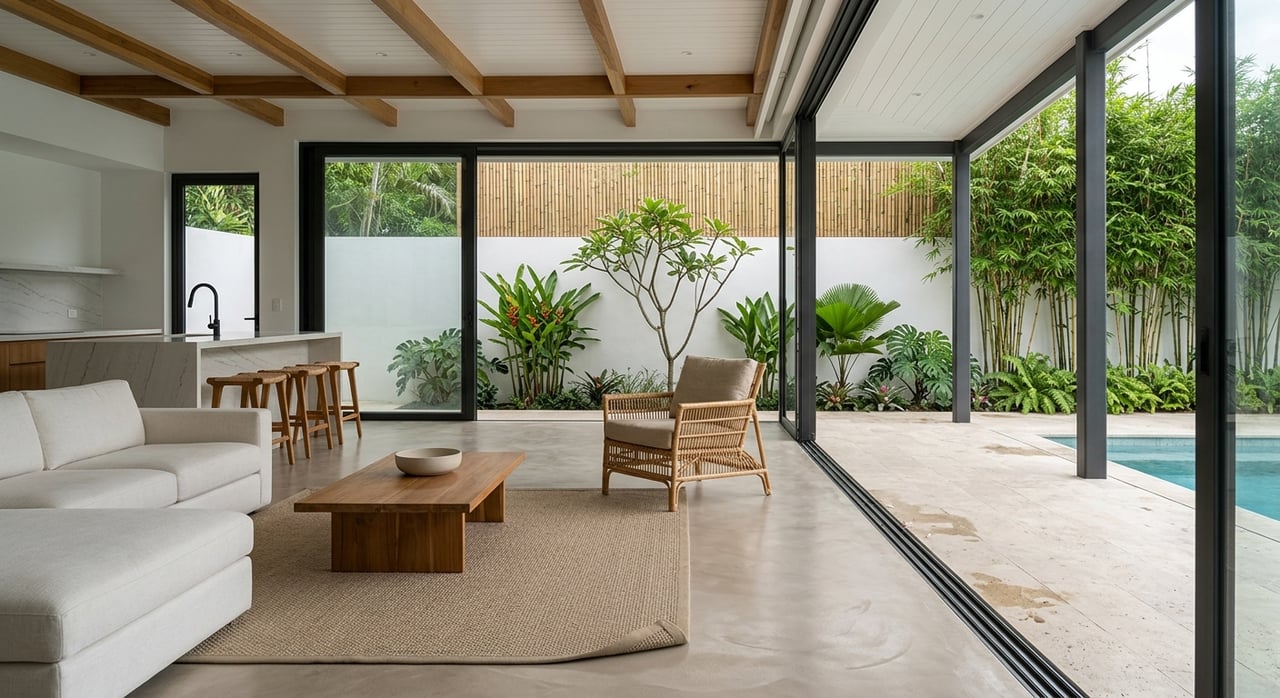
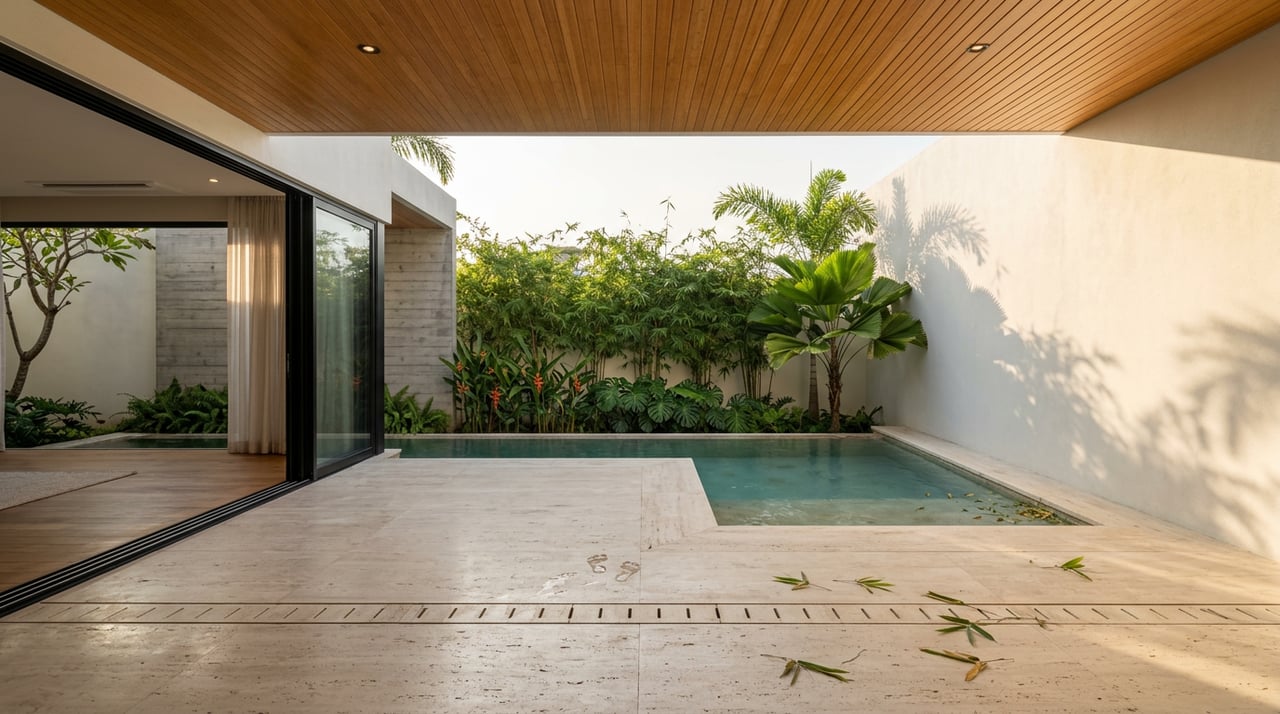
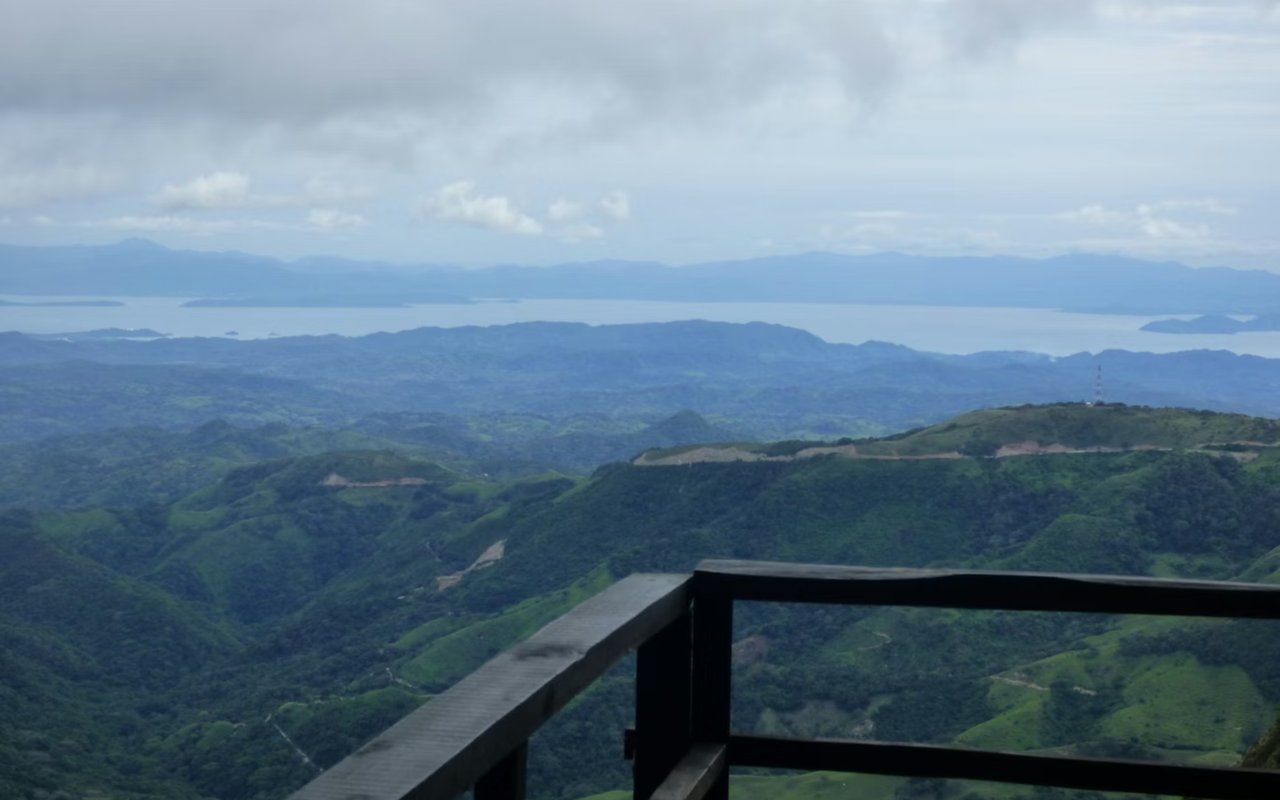
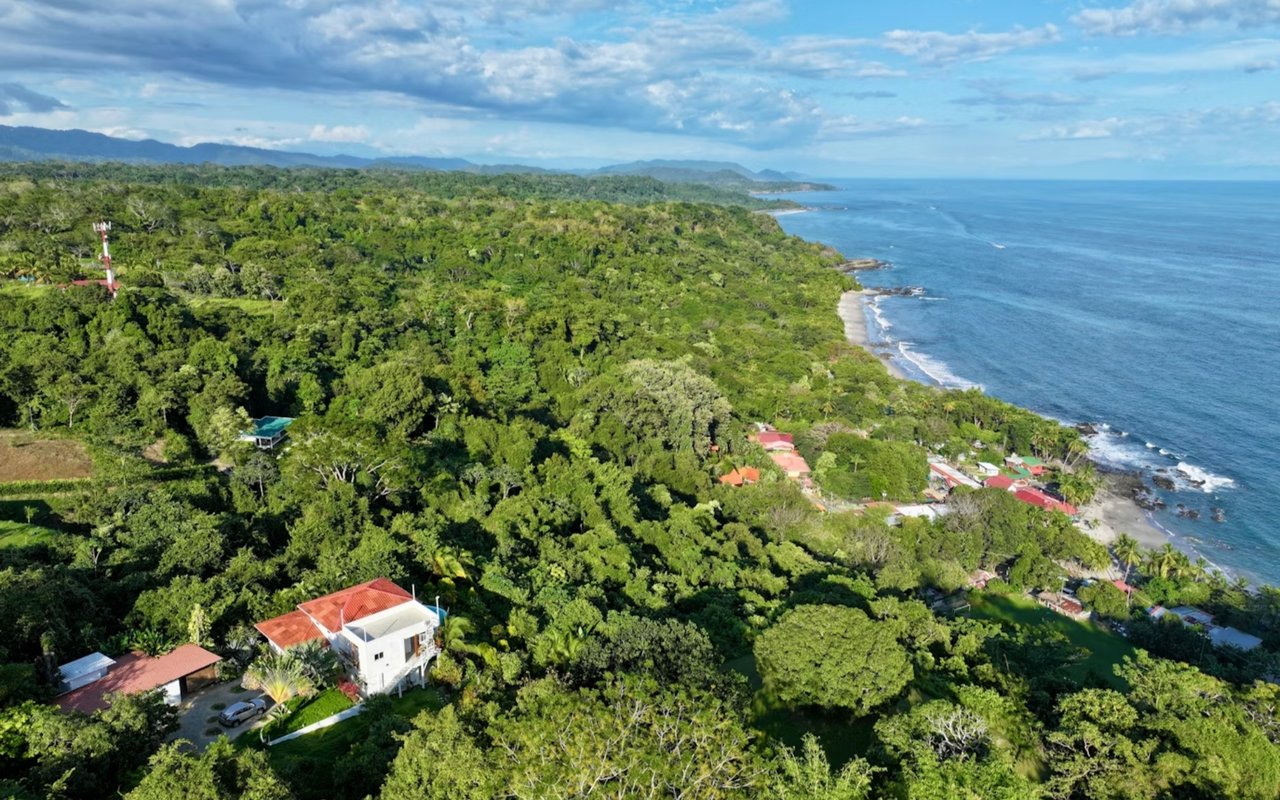
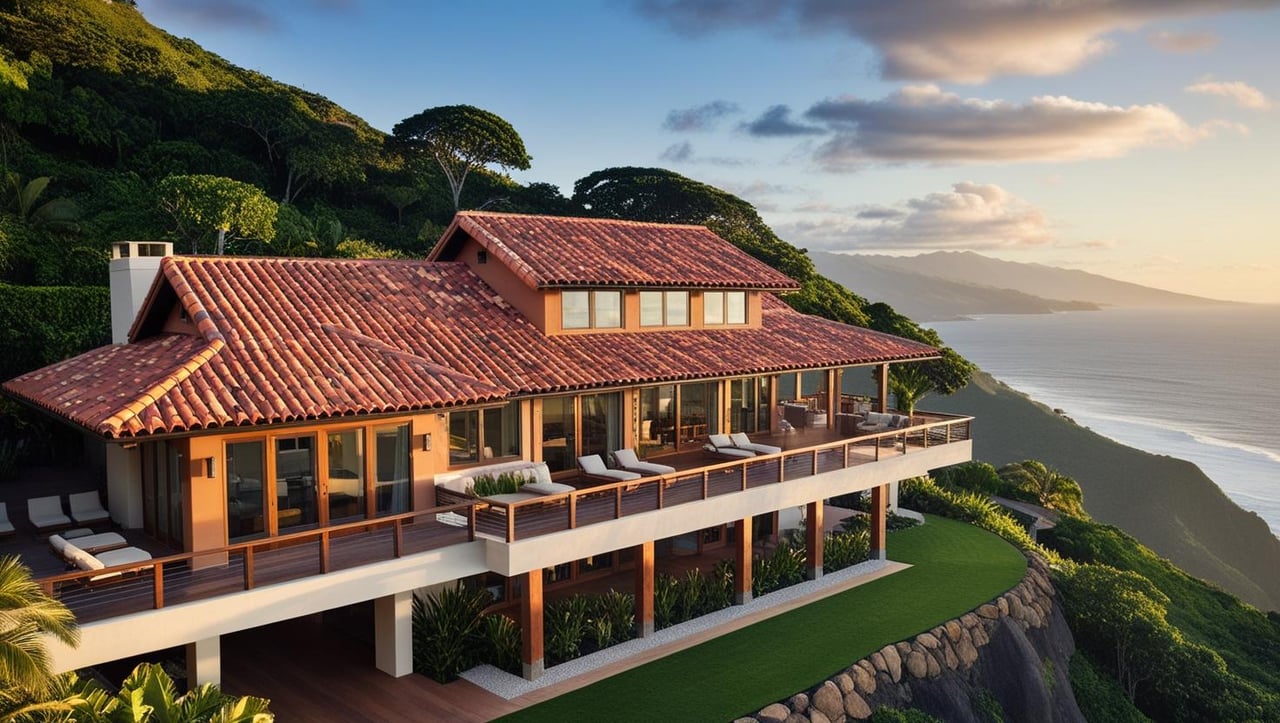
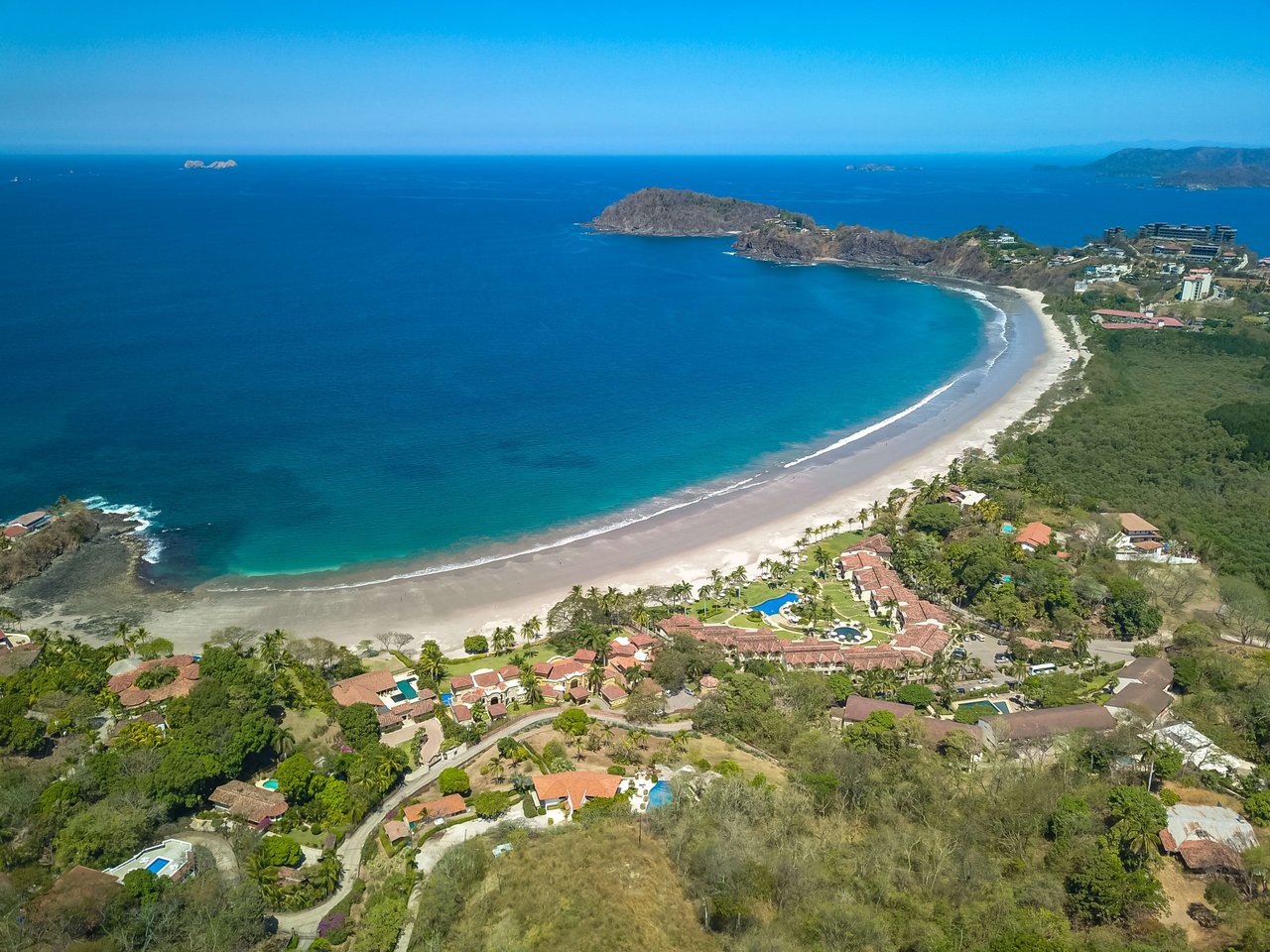
The reason the sub-$600K three-bedroom band is absorbing so fast is that this is where Ojochal's structural value proposition versus Uvita shows up most cleanly. On a same-budget comparison, hillside ocean-view inventory in Ojochal generally delivers meaningfully more square footage and larger lots than the equivalent listing 15 minutes north in Uvita. A buyer working from a portal median can miss this entirely. The median tells you the middle of a distribution. It does not tell you what the middle of the distribution physically looks like.
Roughly:
| Budget band | Ojochal typical result | Uvita typical result |
|---|---|---|
| $300K to $500K | Two to three-bedroom jungle home, small ocean view, older build, buildable lots also available in this range | One-bedroom or small two-bedroom, often further from the beach, tighter lot |
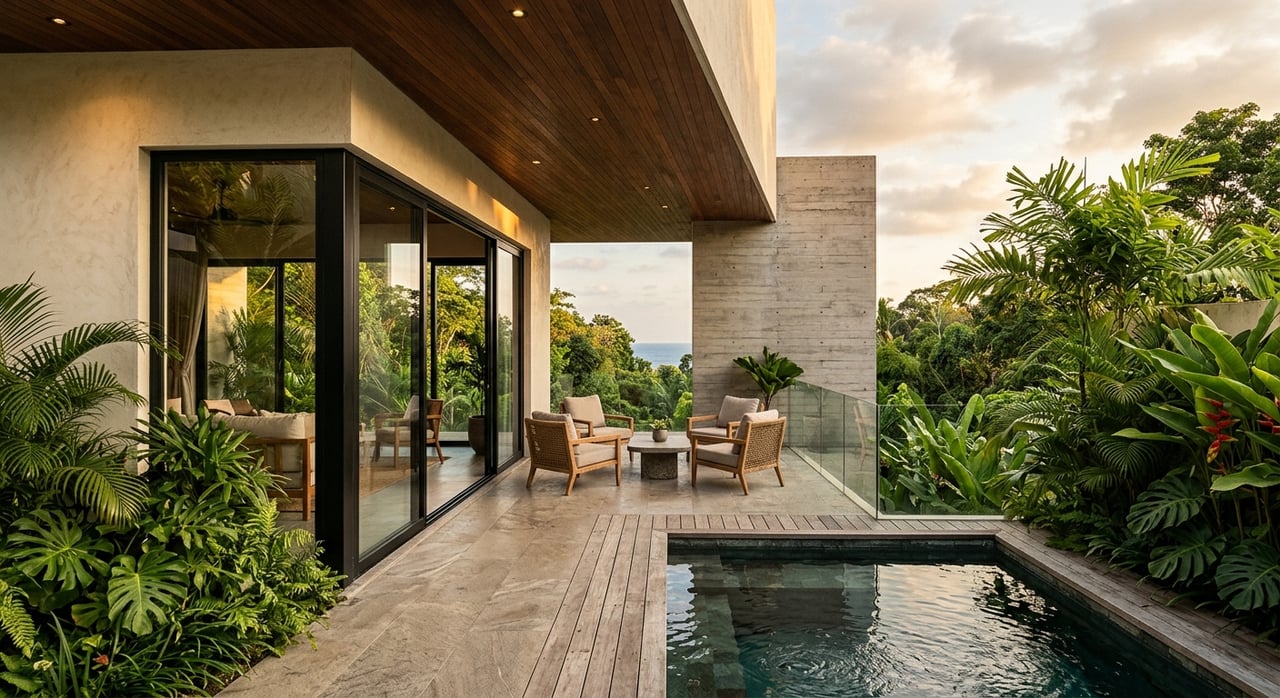
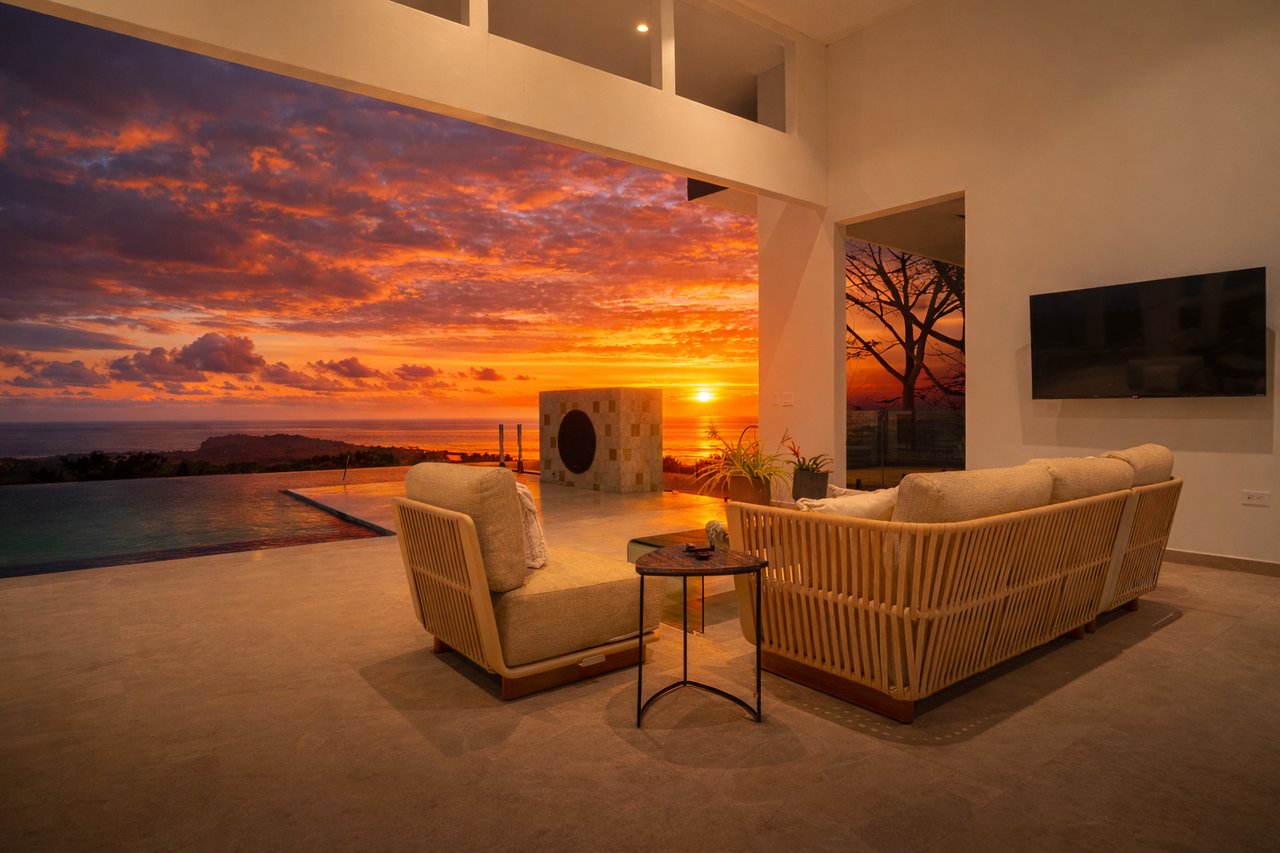
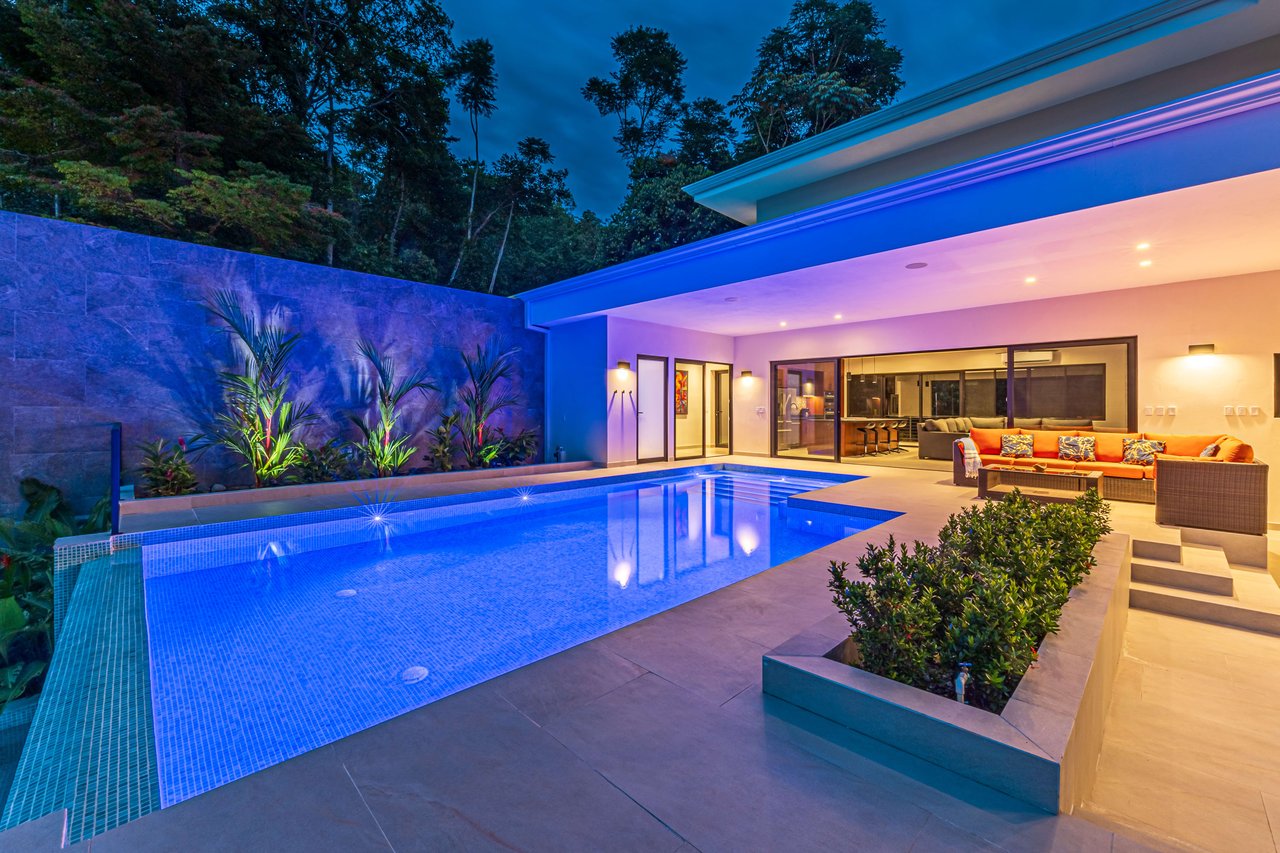
| $500K to $800K | Three-bedroom ocean-view home with pool, sized for rental underwriting | Two-bedroom ocean-view condo or small hillside home, less land |
| $800K to $1.5M+ | Larger estate, several bedrooms, primary-residence scale, sometimes with guest apartment | Newer construction on smaller footprint, closer to services and beach access |
The table is directional, not a promise. But it explains the buyer behavior. A cross-border buyer running a spreadsheet finds that the Ojochal listing checks the bedroom count the underwriting requires, at a price that leaves room for a Fideicomiso structure and closing costs, while the Uvita listing at the same price forces a compromise on one of those variables. When the buyer pool skews toward retirement-planning families and hybrid second-home investors, the compromise usually breaks Ojochal's way.
Why three bedrooms is the underwriting line
Rental math is the reason the three-bedroom cutoff matters more than the price cutoff. Two-bedroom rentals in Ojochal typically cover holding costs. They rarely produce a meaningful yield after property management, HOA, and shoulder-season vacancy are honestly modeled. Three bedrooms is where the numbers change, because that is where an owner can achieve nightly rates in the $250 to $300 range for an ocean-view home with a private pool, competing directly with hotels rather than with other short-term rentals.
That is the real filter on the sub-$600K band. The buyer is not chasing a price point. They are chasing an underwriting outcome. A listing that pencils at those nightly rates, in a phase with reliable access and internet, moves in weeks. A listing that does not pencil, at the same price, will sit next to it for a year. Two houses on the same street can post opposite outcomes for reasons that have nothing to do with the market and everything to do with which one the spreadsheet approves of.
The staging math that beats the price cut
If a home is sitting, the reflex is to cut the list price. The math almost never justifies that as the first move. A typical first price reduction in this market runs 5 to 8 percent of ask. Against a $650,000 list, that is $32,500 to $52,000 given away in one signature. The staging and photography work that most Ojochal listings actually need runs a small fraction of that.
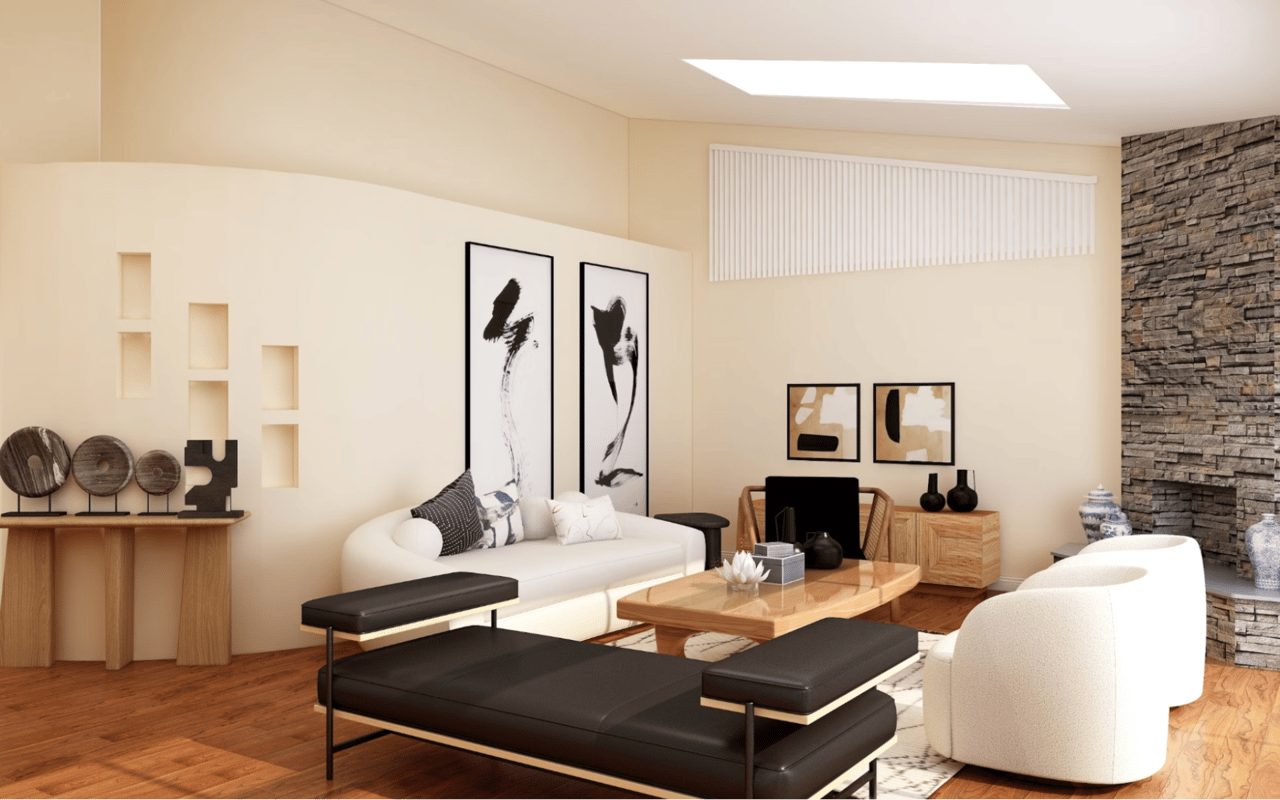
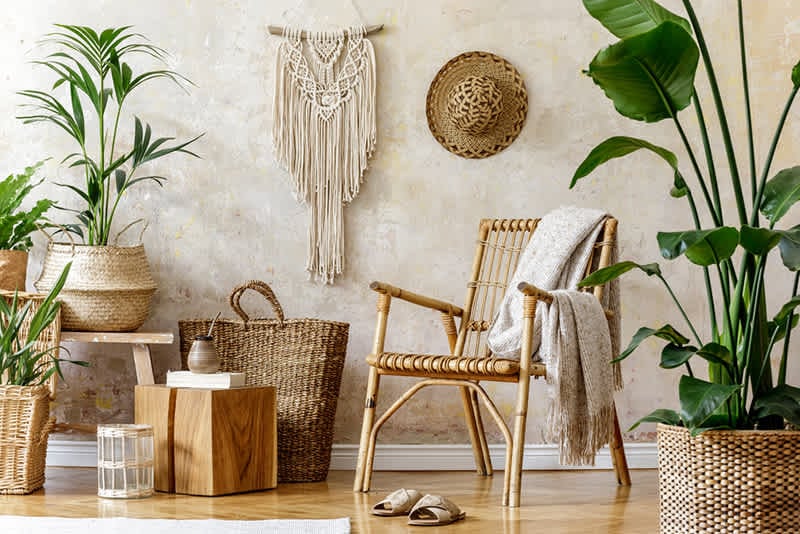
The interior choices that drag Ojochal listings hardest are consistent and correctable:
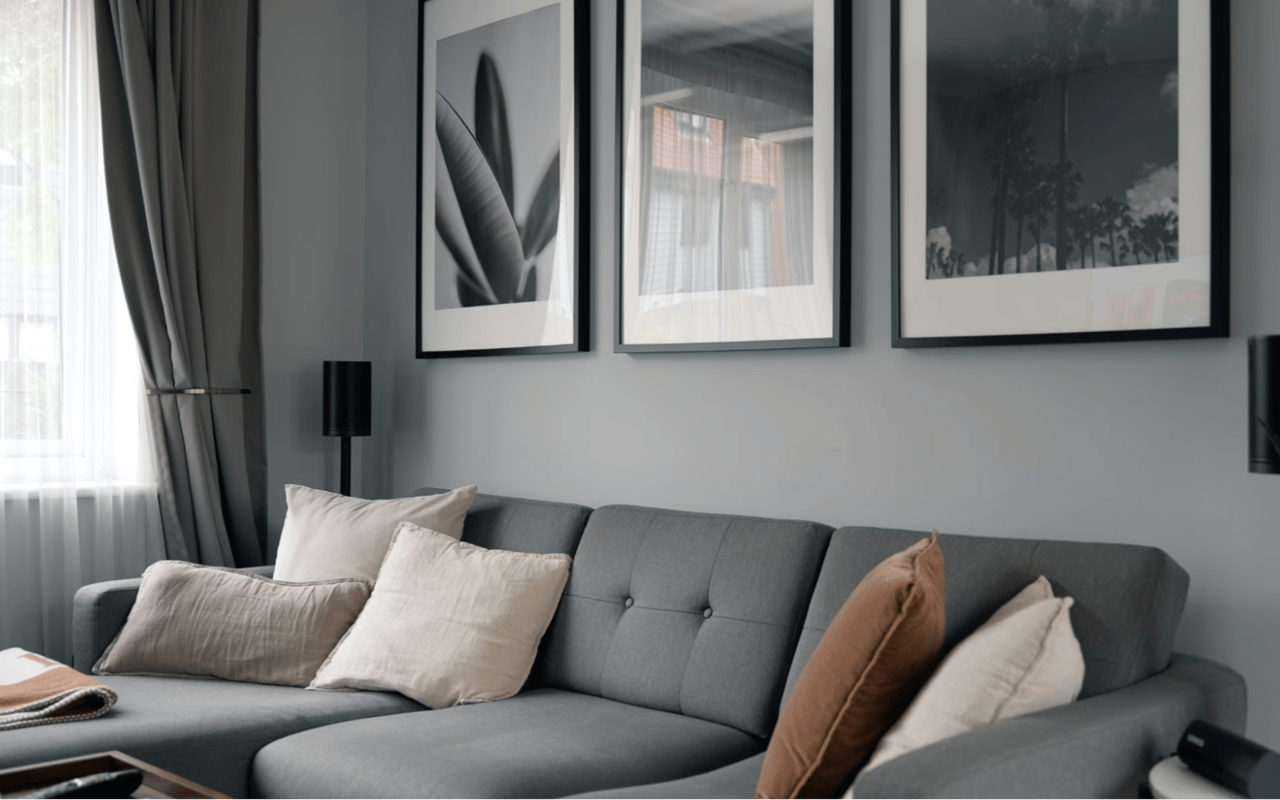
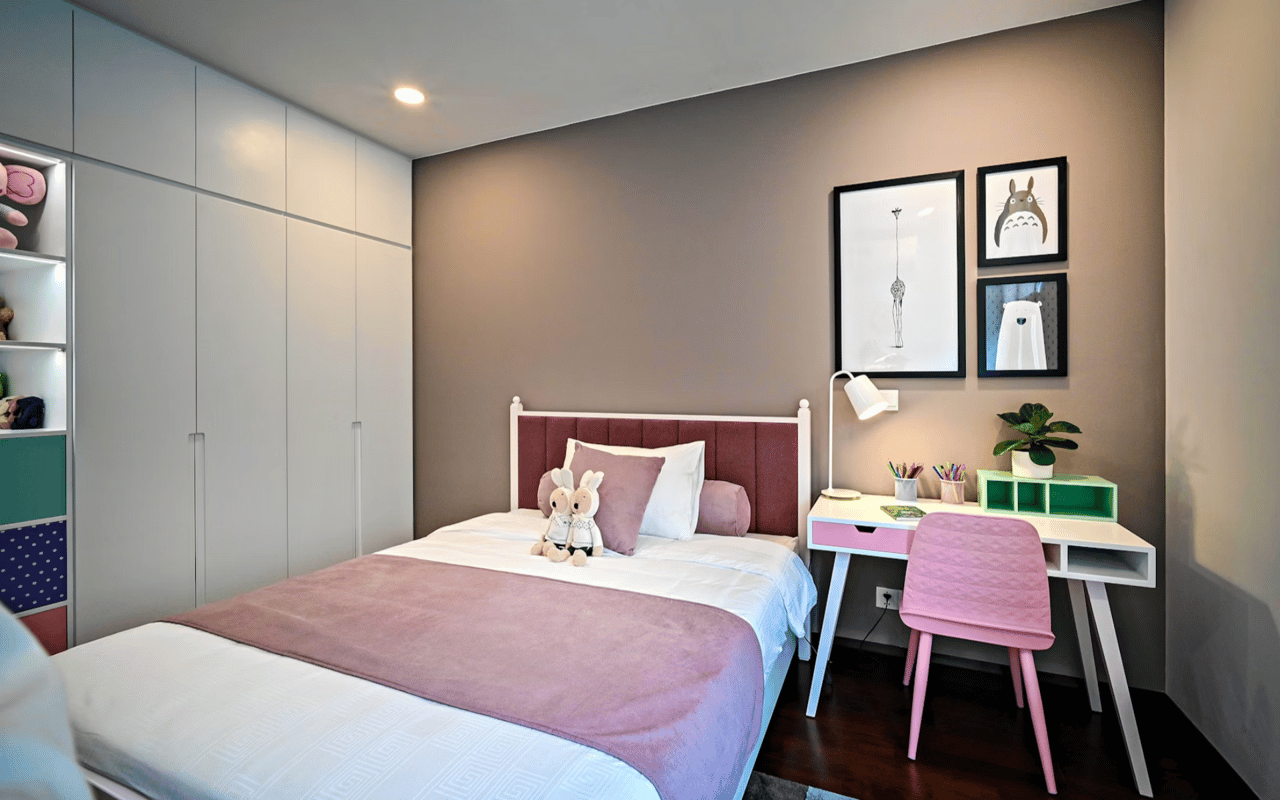
- Dark interior paint, especially in bedrooms and hallways, which flattens the light in the photographs that the buyer sees first
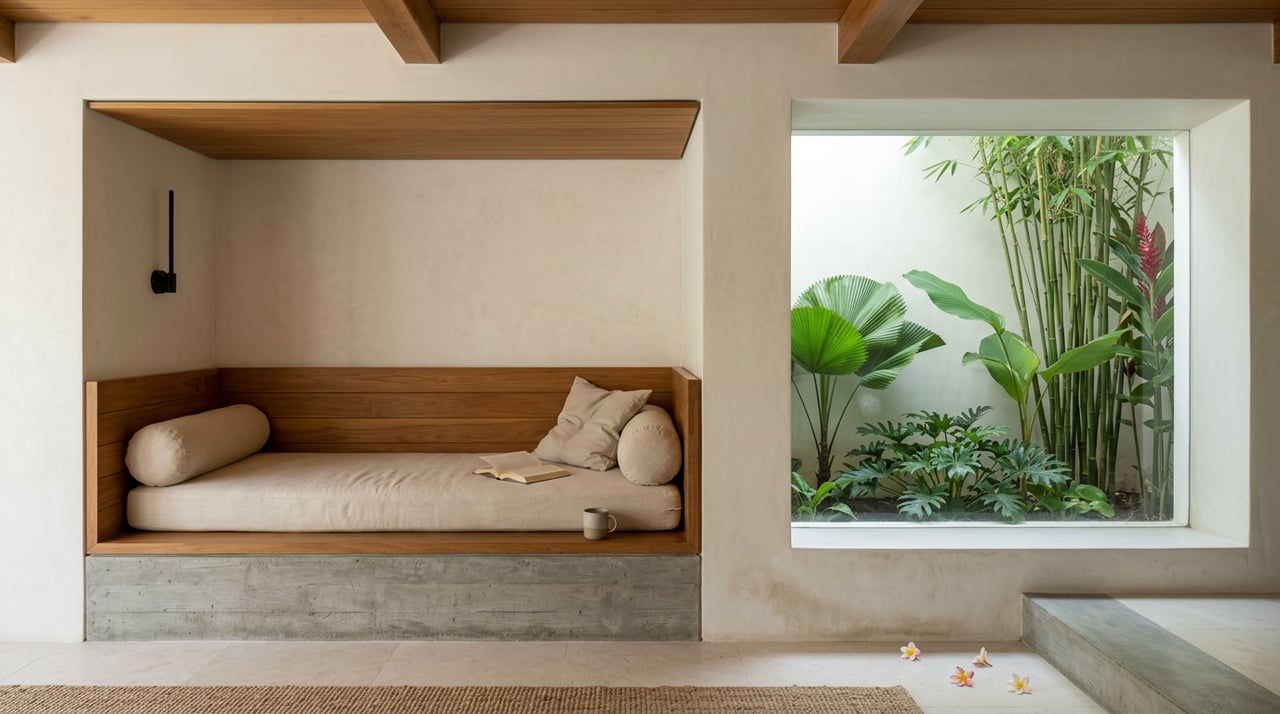
- Jungle-themed murals or aggressive tile choices from earlier build cycles, which read as dated even when the underlying architecture is strong
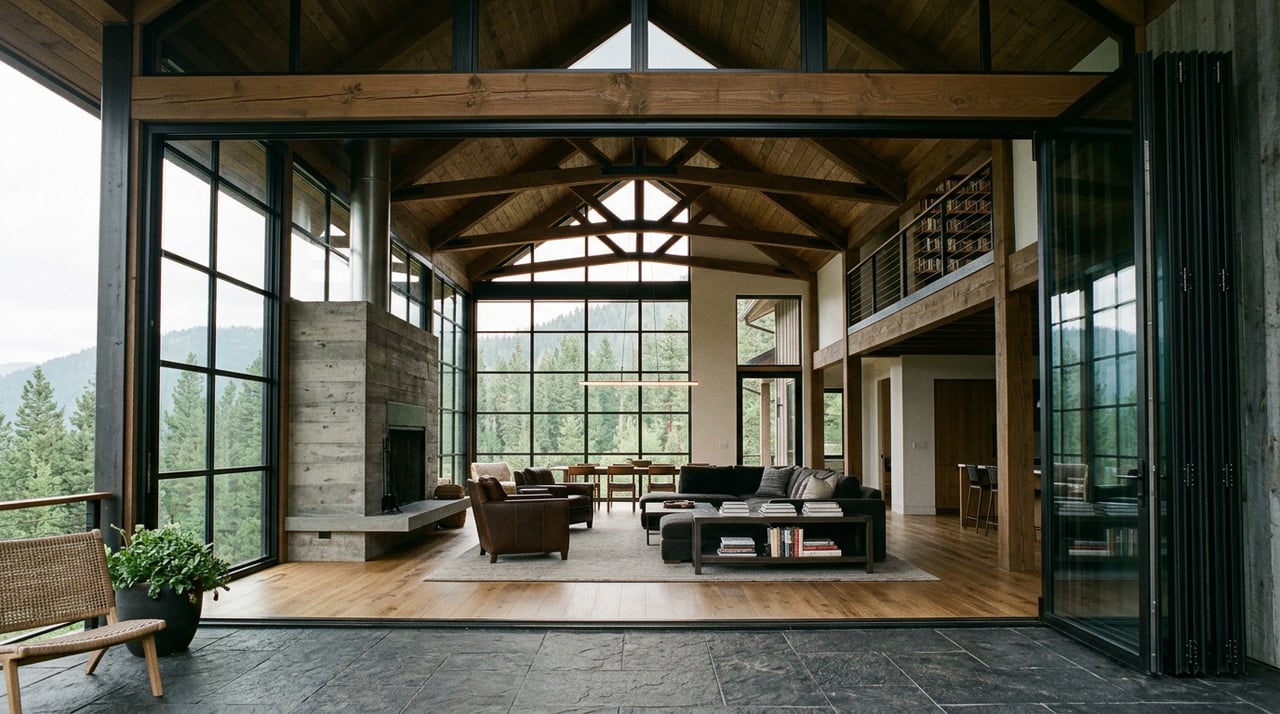
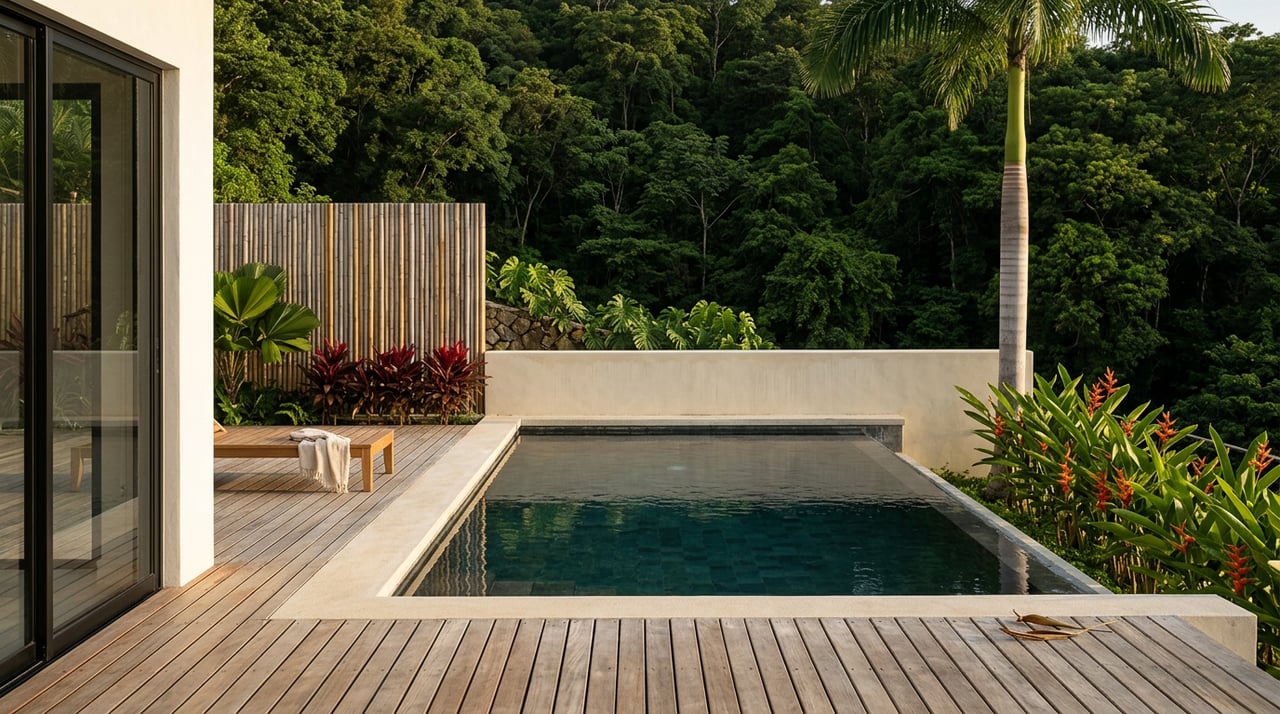
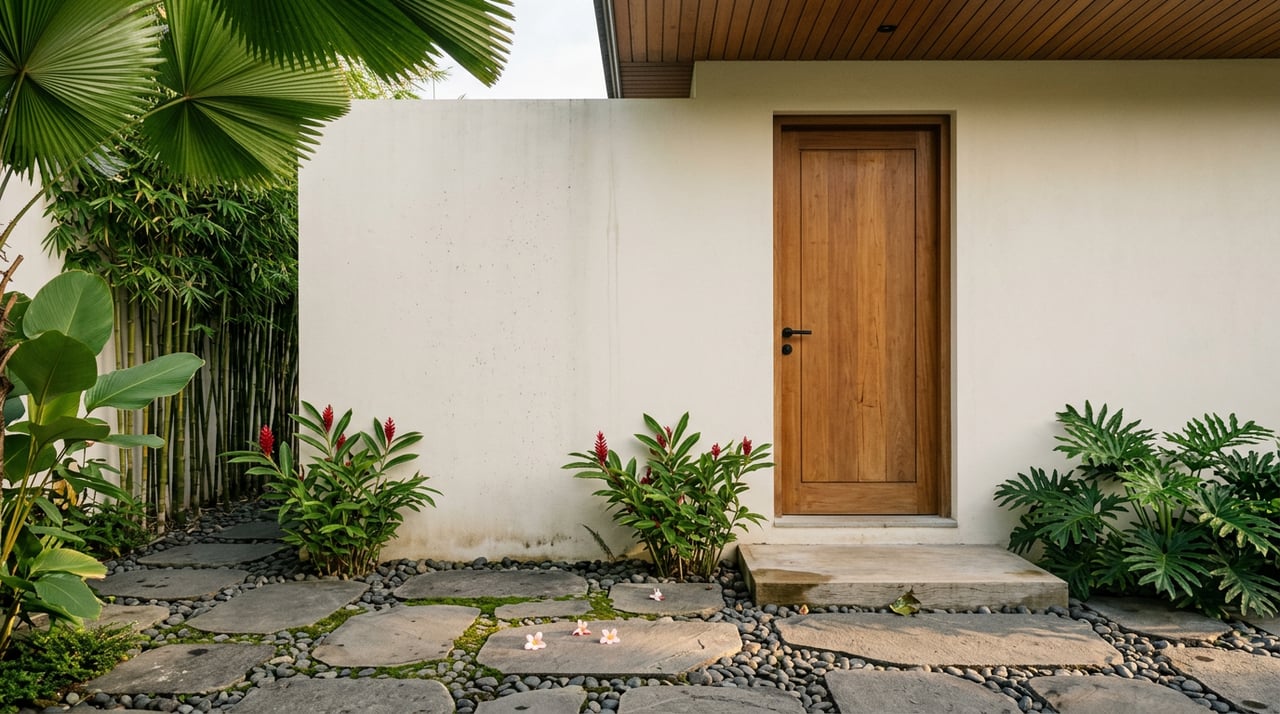
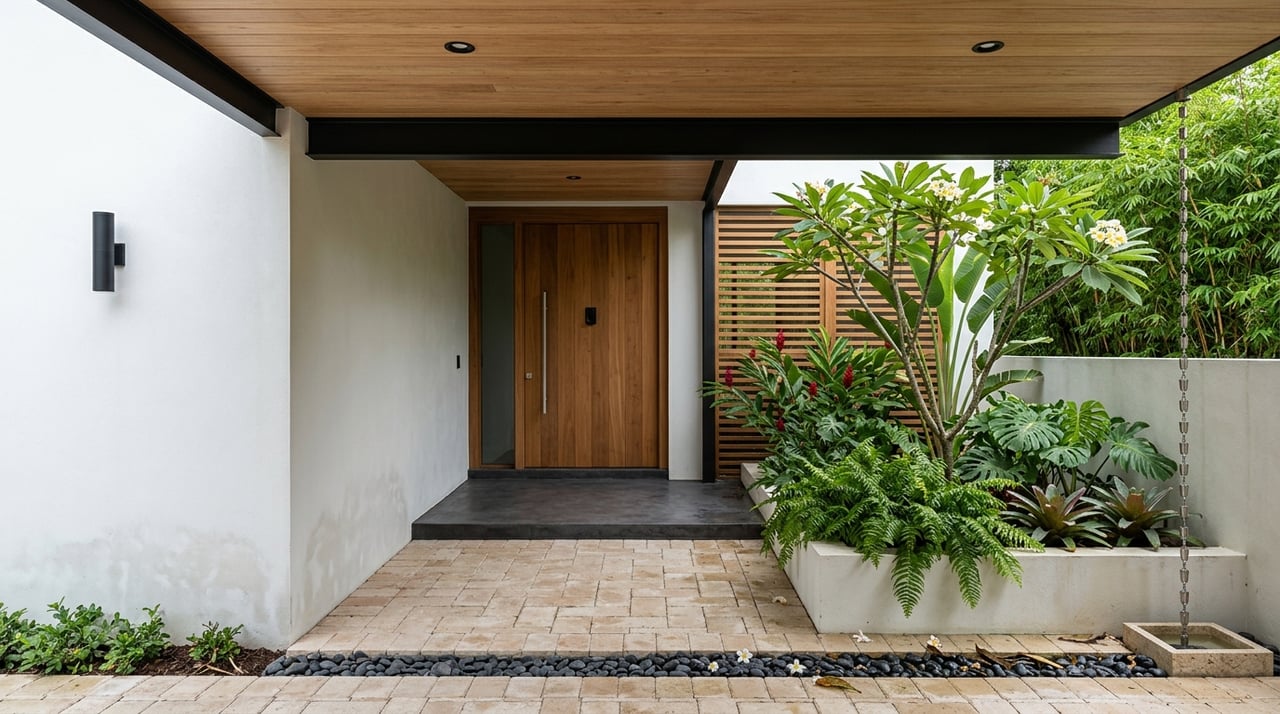
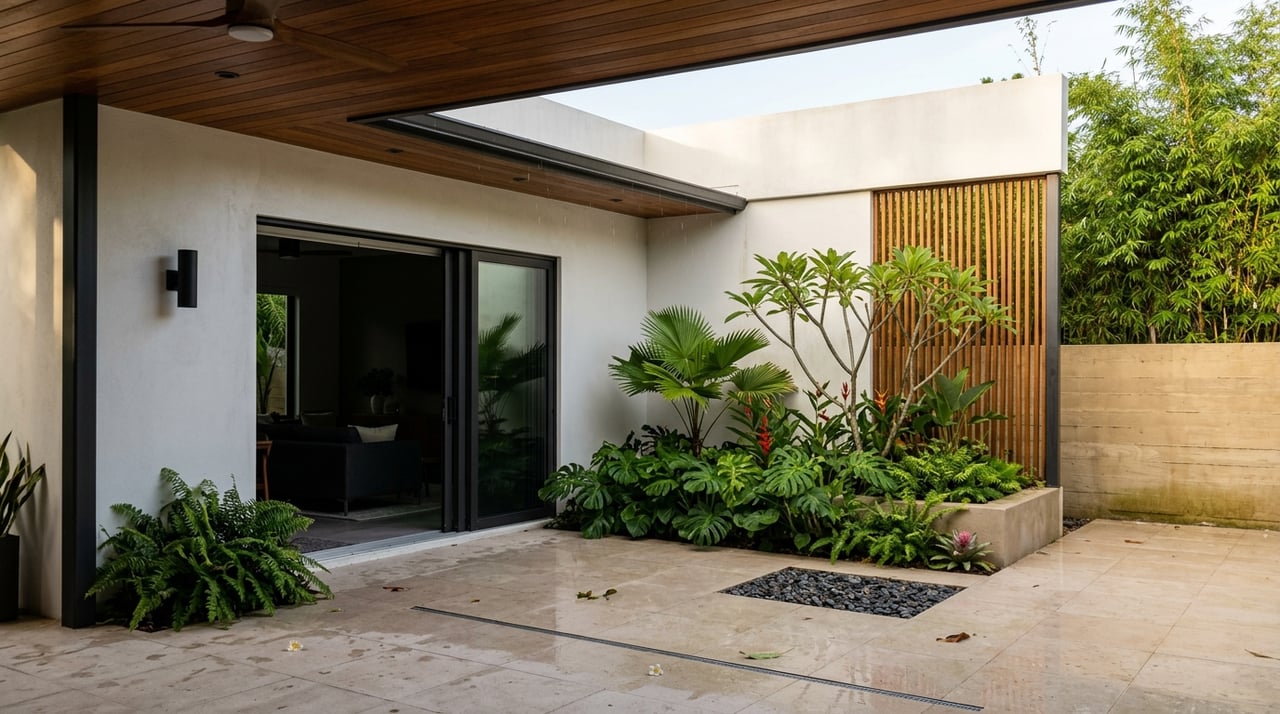
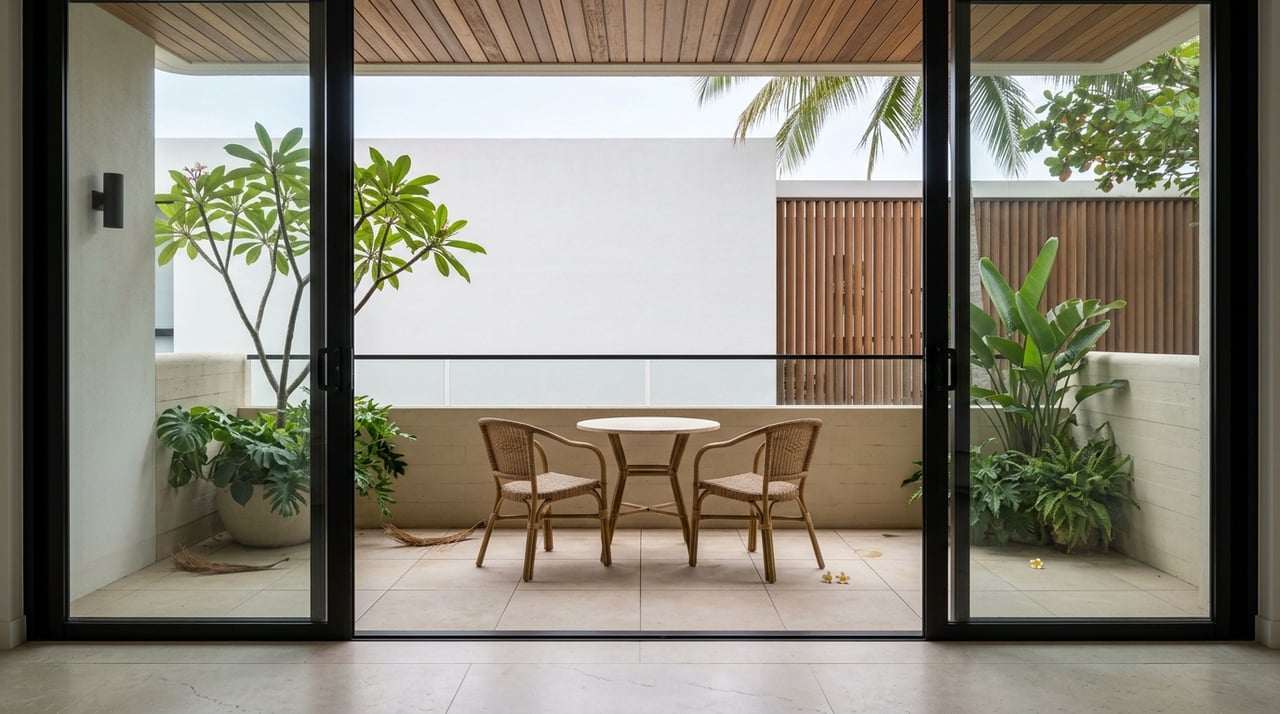
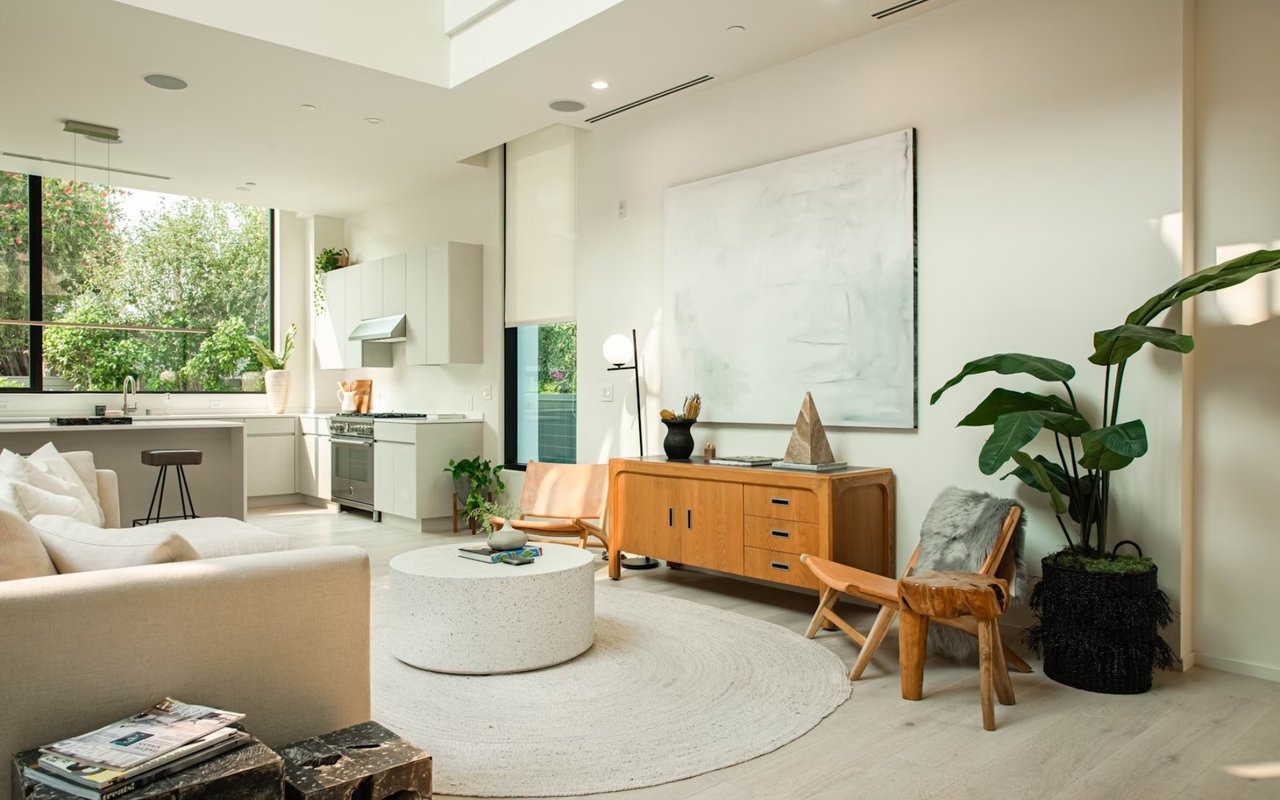
- Cluttered outdoor terraces where the ocean view or the pool edge is the actual product
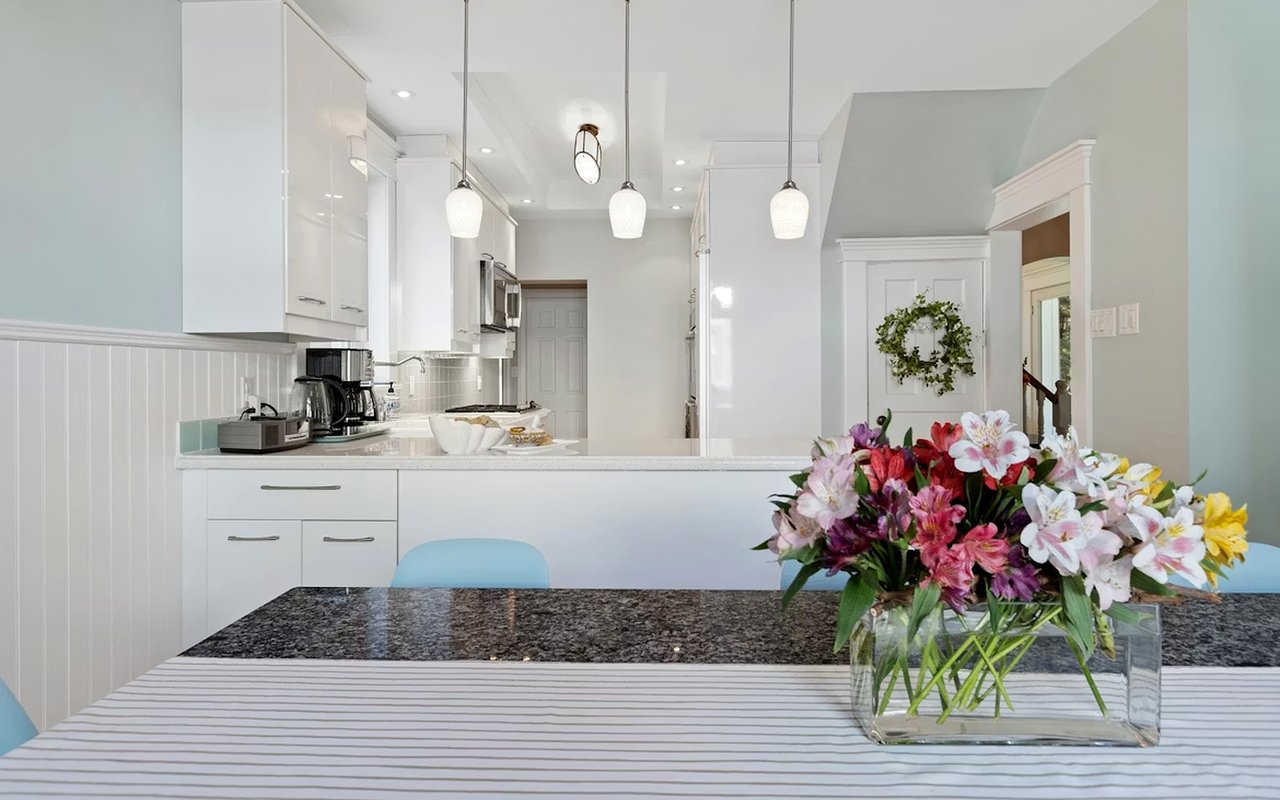
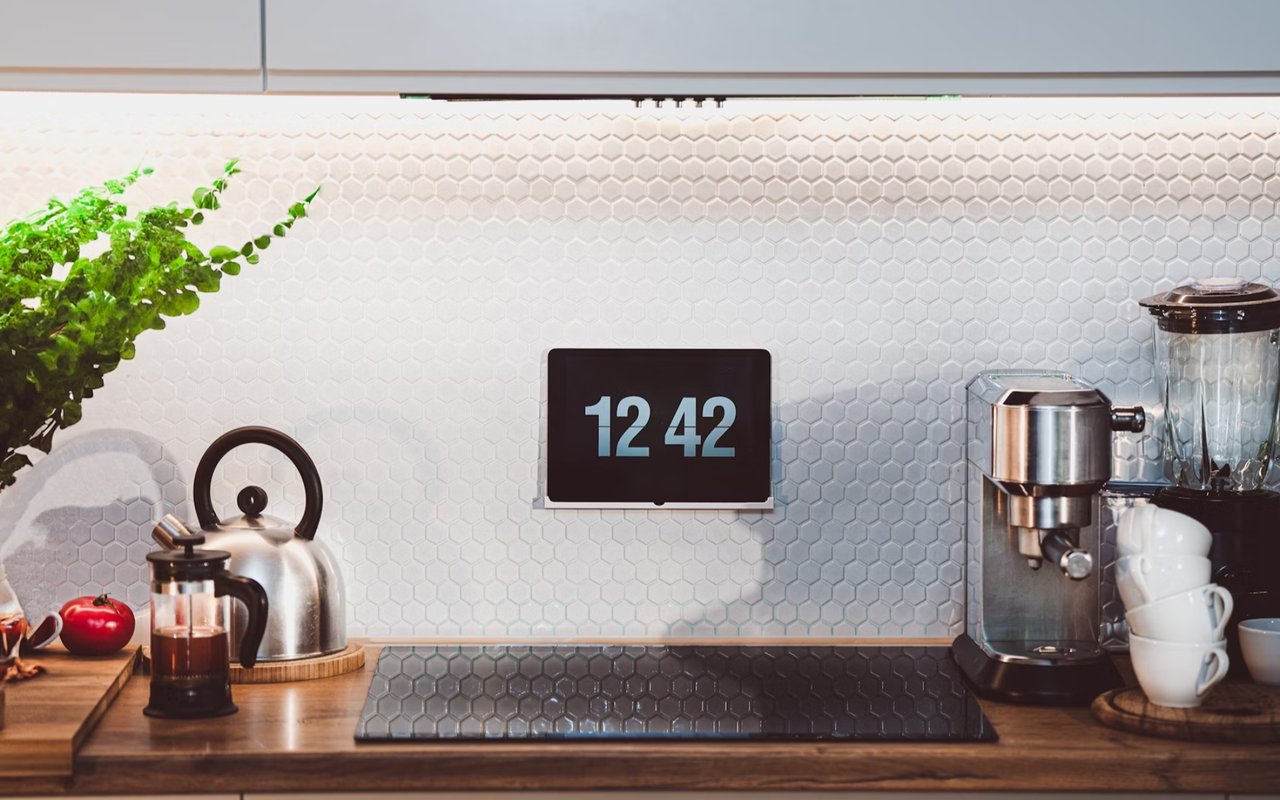
- Kitchens photographed with countertop appliances and daily-life objects still in frame, which makes a well-designed space look smaller than it is
None of those are structural problems. All of them show up in listing performance the same way a price mismatch does. Fixing them is the highest-leverage seller move in this market by a wide margin.
What Ojochal's dining map tells a buyer about the resale market
A buyer touring Costa Ballena for the first time usually treats the restaurant scene as lifestyle context. It is more useful as market data. Ojochal has been developing an expat community since the early 1990s. The dining ecosystem that grew alongside it, including Exotica, Citrus, the Bamboo Room, and Heliconia, is not a marketing amenity. It is a leading indicator that the resale market underneath is deep enough to support businesses whose customer base is other residents rather than tourists passing through.
That maturity shows up in the transaction. Plaza Ventanas has added a gas station, offices, and retail storefronts to a village that used to be almost purely residential. Named phases and streets, from Phase 5 Aves del Sur through Phase 11, and along Calle del Bosque, Calle Perezoso, and Calle Quetzal, carry their own reputations among buyers who have done more than one trip. A buyer who can talk about the differences between those phases is a buyer who is close to writing an offer. Sellers whose listings sit tend to underestimate how much of the buyer pool is already at that level of specificity.
Costs and structures that catch cross-border buyers
The dollar math on the transaction itself is where new international buyers most often get surprised, which is worth setting straight before the offer stage rather than during it.
Costa Rica's annual property tax runs 0.25 percent of the registered property value. The luxury home tax, Impuesto Solidario, applies where construction value exceeds roughly $280,000 and scales from 0.25 percent to 0.55 percent of declared value. Closing costs typically fall in the 3 to 6 percent range of purchase price, including transfer tax, notary fees, and registration. Non-resident buyers frequently take title through a Fideicomiso trust structure for continuity and estate planning reasons. Costa Rica does not have a regulated MLS, which means a meaningful share of the best inventory circulates through agent relationships rather than portal listings. That last point is not a marketing line. It is why two buyers with identical criteria can see completely different shortlists depending on who is representing them.
Frequently asked questions
Is Ojochal actually a buyer's market in 2026, or is that framing too broad? Both. It is a buyer's market for larger villas above roughly $800,000, where price discovery is still catching up to 2025 arrivals data. It is closer to a balanced or seller-favorable market for well-priced three-bedroom homes under $600,000, which typically transact inside the five-to-nine-month window when the listing is set correctly from day one.
How long should a properly priced Ojochal home take to sell? Five to nine months is the honest range for a home priced against current comps, cleanly staged, and photographed well. Listings that beat that window are usually ones where the seller invested in presentation before hitting the market rather than after the first slow month.
Does a non-resident need Costa Rican residency to buy? No. Foreign buyers hold the same property rights as Costa Rican citizens on titled property. Residency is a separate track with its own reasons to pursue it, but it is not a purchase requirement.
Working through the market from here
Ojochal in 2026 rewards buyers who know which band they are shopping in and sellers who resist the impulse to price against a memory of the last cycle. If you are considering an entry into the Southern Zone or preparing a home for sale in Ojochal, Uvita, or Dominical, Bluezone Realty International works with international clients across the full arc from listing preparation to closing coordination. Schedule a private consultation.