The rain arrives most afternoons in July, but it does not slow the week down. It reorganizes it. If you have lived in Dominical for a season or two, you already know that the calendar you brought with you from somewhere else stops working around May, and a different one takes over. This is the one built around the Rio Barú, a Friday market at Domi Plaza, and a handful of businesses that have quietly rearranged the main street since last dry season ended.
The thesis of what follows is simple. Green season is not a slower version of high season. It is when the town's real weekly geography surfaces, because the wave, the ferias, and the new arrivals along the highway have redrawn where residents actually spend their week.
The river does the scheduling
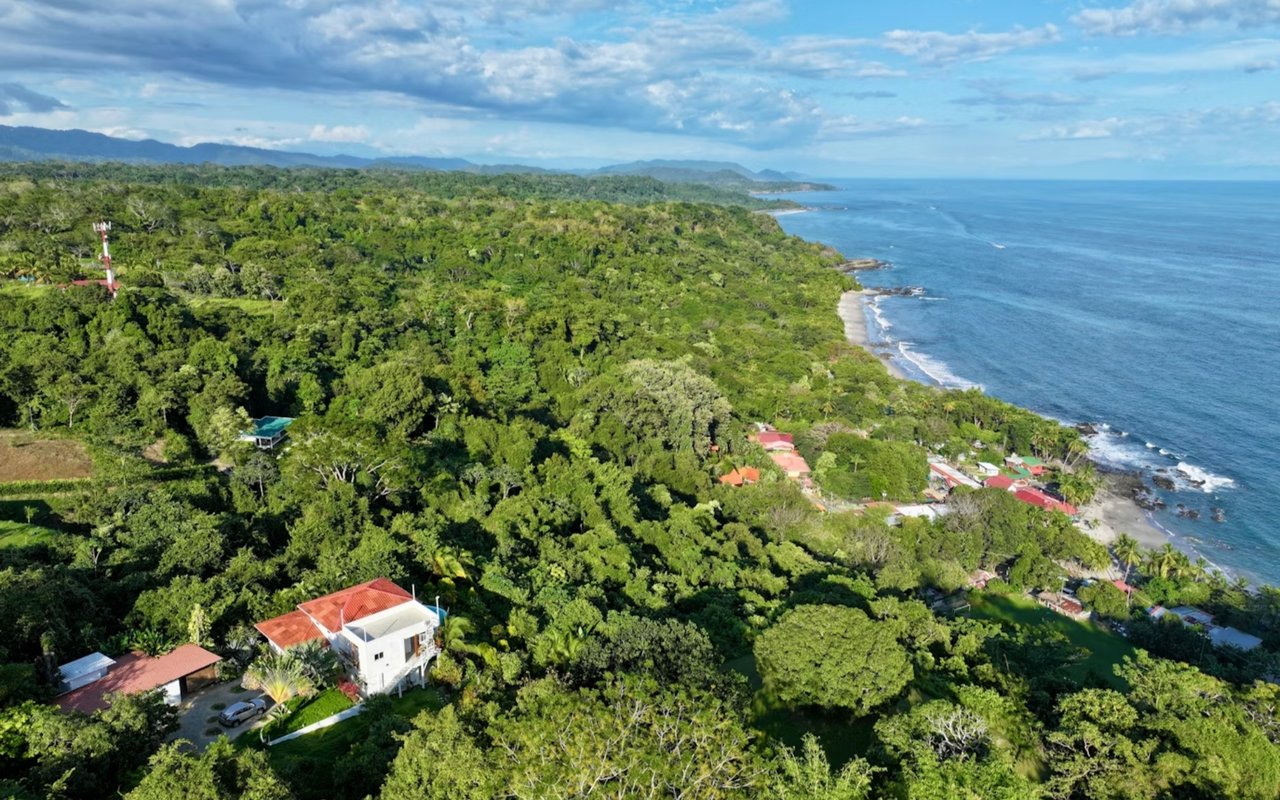
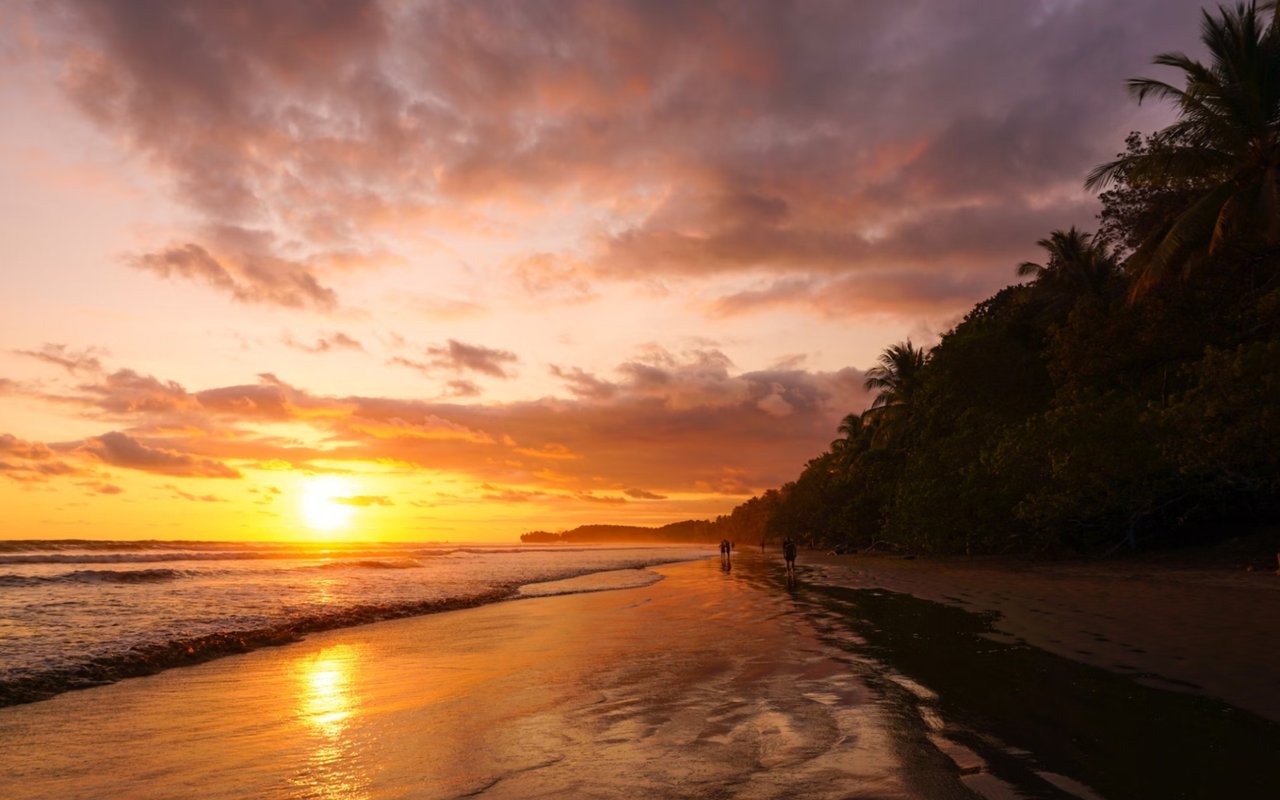
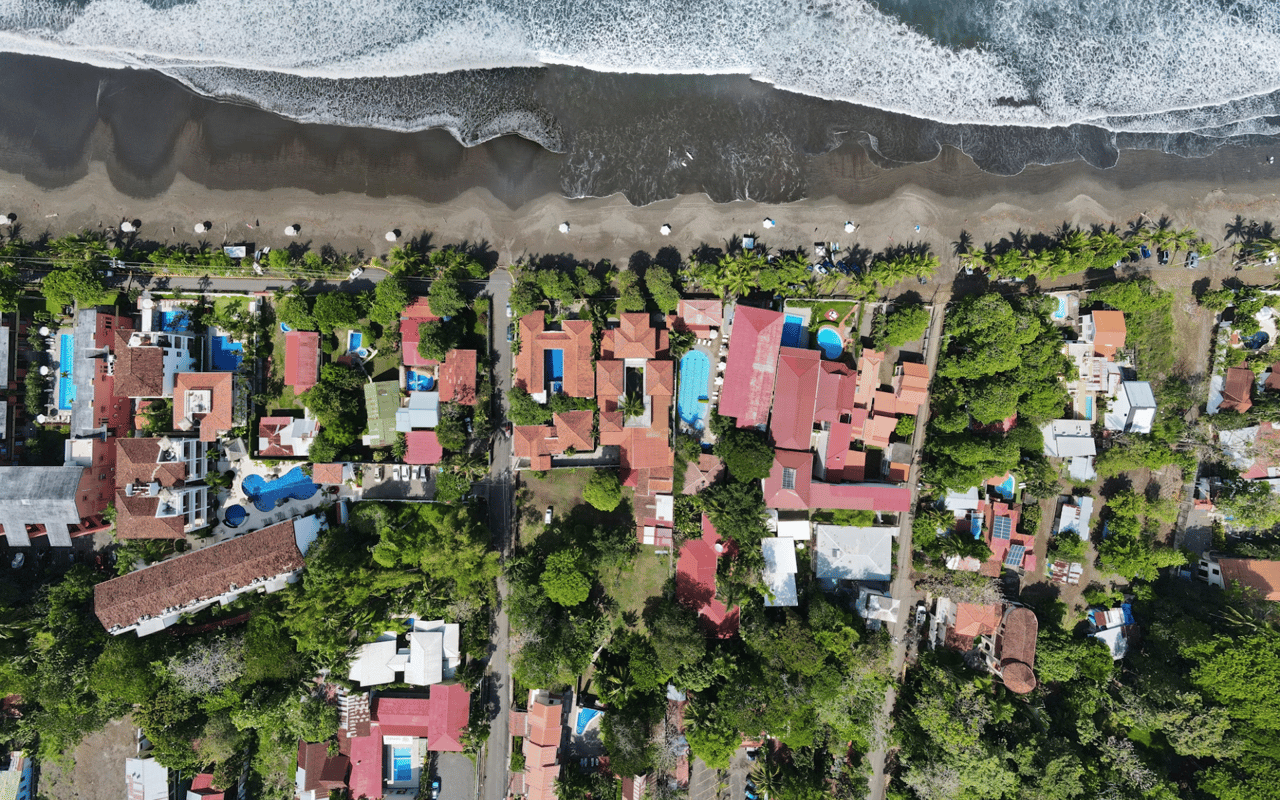
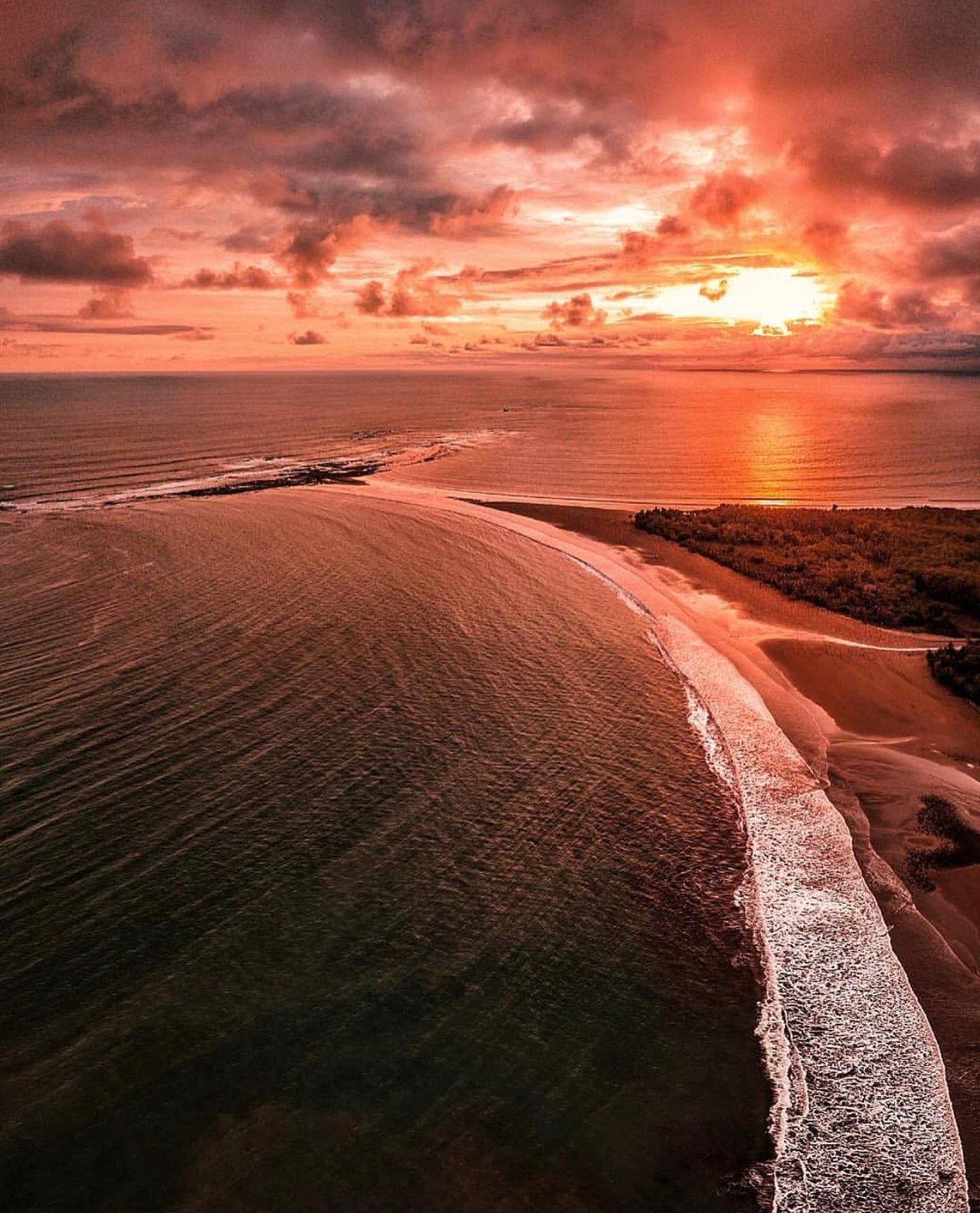
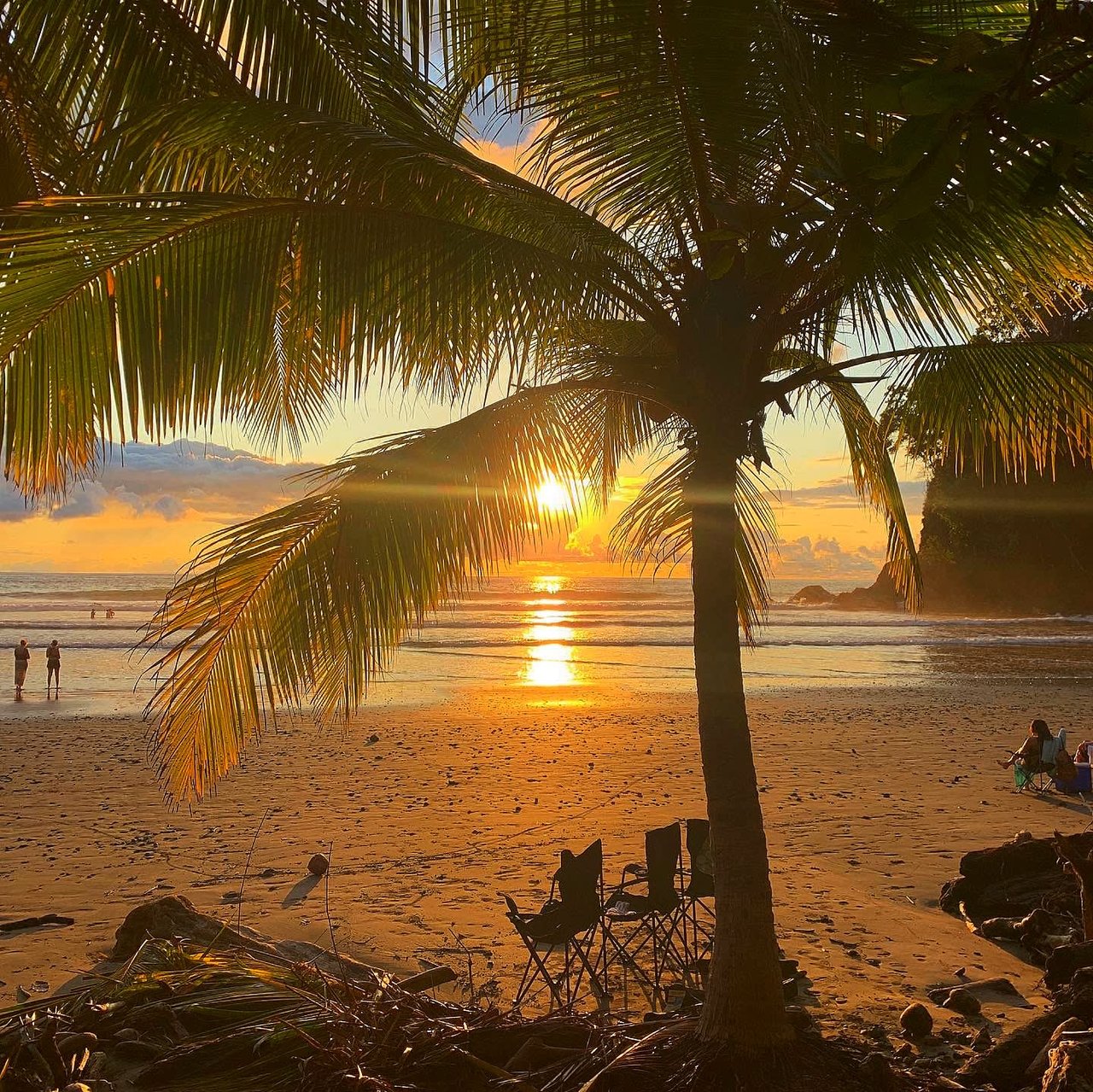
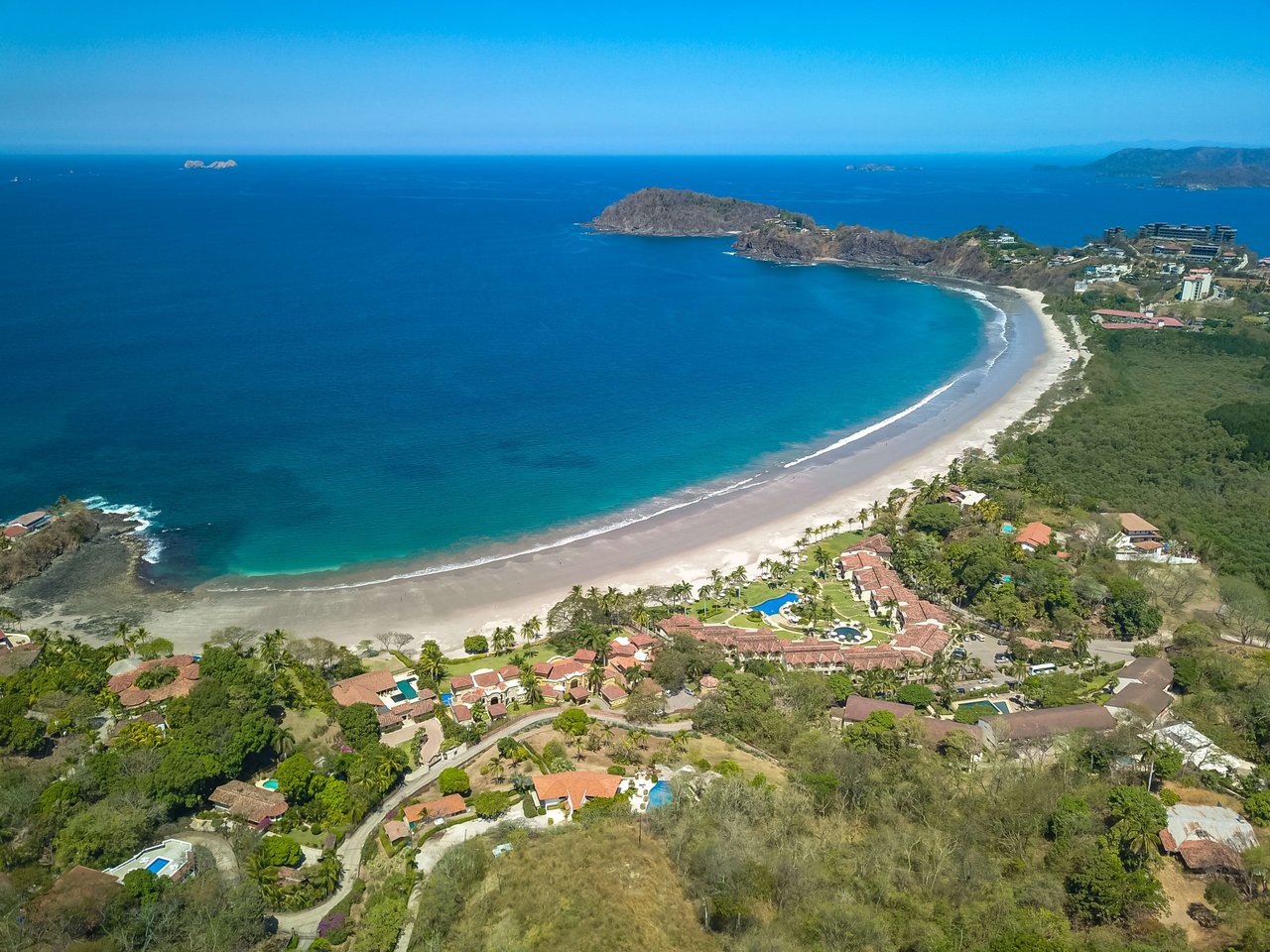
Playa Dominical is two miles of sand split by the mouth of the Rio Barú, and the river is the reason the surf holds up the way it does. As it empties into the Pacific, it digs a trench parallel to shore that runs south of the rivermouth and holds waves consistent roughly 95 percent of the time. Most beach breaks close out on a big swell. The Barú trench does not, which is why the biggest sets of the year come through between June and September, in the heart of green season.
July has its own quirk inside that window. The month often carries a mini dry-season known locally as the veranillo, with solid swell and occasional glassy windows across the Southern Pacific. For anyone living here, that is the practical reason to keep boards waxed and errands flexible in the second and third weeks of July. The rain will still come in the afternoon. The mornings can be some of the cleanest of the year.
Friday still anchors the week, but the blocks around it have moved
The Friday Eco Feria at Domi Plaza has become the fixed point of resident life in a way that even the surf schedule cannot claim. It runs each Friday from 8:30 am to 1:30 pm, and coordinator Keyna Aguilar Corella built it around the idea that the vast majority of products come directly from the producer, with no resellers. That distinction matters for the shopping list. Cashew cheese, Finca Biamonte butter, cacao, and organic rice from small-lot Costa Rican producers show up on the tables in a way they do not at the highway supermarkets.
Here is what the surrounding retail block actually looks like right now, as of mid-2026, compared with two or three years ago:
| Where | Role for residents | What has shifted |
|---|---|---|
| Domi Plaza (Pueblo del Río) | Friday feria, Phat Noodle, Dominical Sushi | Phat Noodle still runs its Thai kitchen out of a food-truck bus, serving since 2016 |
| Highway entrance | Mama Toucan's Natural Market | Now paired with a larger grocery store called BM that recently opened on the highway |
| Main street center | Fuego Brew Co., Moromo Forneria | Moromo is a newer Italian and Mediterranean bakery-restaurant in the heart of town |
| Across from soccer field | Bar y Restaurante Su Raza, Jolly Roger | Jolly Roger was relocated from the mountain road to Playa Dominical, right across from the soccer field |
| Rio Barú riverside | Fuego Brew Co. | Still a three-level, treehouse-like brewery on jungle-shrouded land where the Rio Barú meets the Pacific |
None of these are dramatic changes on their own. Read together, they change the resident's route. The Friday walk that used to end at Fuego now often threads through Moromo for bread, past the relocated Jolly Roger, and out to BM on the way home. It is a shorter loop than it was, and more of it happens on foot.
The restaurant map redrew itself while most of us were on the beach
La Junta Dominical, run by Chef Chris Cogswell and his family, has become one of the more ambitious kitchens on the southern Pacific coast, with Cogswell drawing on more than 25 years of cooking. It is not the only recent reshuffle. Del Mar Taco Shop, the beach-adjacent taco counter that residents defaulted to for a fast lunch, has been signaling a move as well. Owner Jason has promised more space and an atmosphere that matches the town at the new location, which is worth tracking if it is on your regular Friday route.
Fuego Brew Co. deserves its own note this year for a reason that has nothing to do with Dominical itself. Envision Festival's 2026 edition brought in beer from Dominical alongside kombucha brewed in Uvita and cacao from local regenerative farms. Envision runs at Rancho La Merced up in Uvita, and the fact that the festival now pours a Dominical beer to roughly 5,500 attendees in a reduced-capacity 2026 edition is the kind of small economic detail that quietly reshapes a town's off-season revenue.
The tell of a resident restaurant is not the reviews. It is what stays open through October and November, when the veranillo is over and the road up to Nauyaca is closed half the week. That is the list worth keeping on your phone.
Tuesday belongs to Tinamastes
The Friday feria gets most of the attention, but residents who cook seriously have a second market on their calendar. Tinamastes runs Tuesdays 8am to noon and sits about 40 minutes up the mountain, on the road toward San Isidro. The produce there is a different animal. More farmers, fewer artisans, and prices that reflect what growers in the highlands can actually deliver rather than what a beach-town clientele will pay.
The trade-off is straightforward. Friday in Dominical is walkable, social, and heavy on prepared food. Tuesday in Tinamastes is a driving morning that fills the fridge for a week. Residents who split the two learn the pattern quickly. Highland vegetables and staples on Tuesday. Fish, bread, and cheese on Friday. The gap between them, mid-week, is when Mama Toucan's and the new BM supermarket cover what has already run out.
What the week actually looks like when you already live here
Once the wave calendar and the market calendar overlay, the days start to have a shape. This is roughly how a green-season week runs for someone who lives in town and works remotely or part-time.
- Monday. Dawn check at the rivermouth. If the trench is working, this is a surf day, because the crowd from the weekend has left. The Alturas Wildlife Sanctuary is a good rain-afternoon fallback for anyone with visitors staying over.
- Tuesday. Tinamastes market run. Coffee on the way back at Cafe Mono Congo. Groceries put away by early afternoon, ahead of the rain.
- Wednesday. Administrative day. Bank, pharmacy at the new plaza with the doctor's office and medical lab along the main street, service appointments in Uvita.
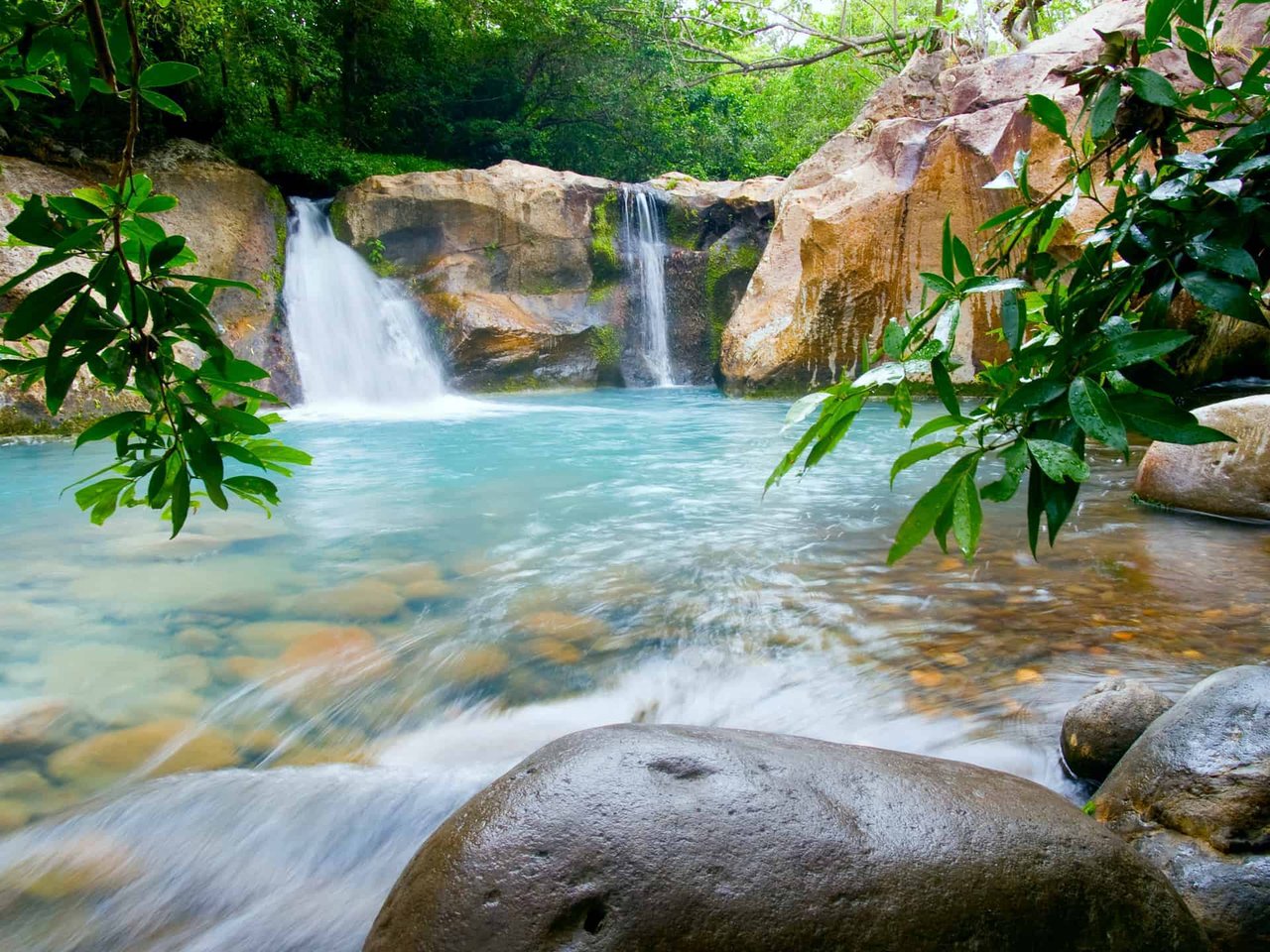
- Thursday. Nauyaca Waterfalls or Hacienda Barú if the road is holding. The Hacienda Barú Ecolodge sits inside a wildlife refuge with its own trail network and is closer than most residents remember.
- Friday. Eco Feria from 9 onward. Lunch at Phat Noodle or Moromo. Beer at Fuego in the late afternoon if the rain holds off.
- Saturday. The Uvita feria if the Friday one did not cover everything. Or a short trip down to Playa Dominicalito, the smaller point-influenced break just outside Dominical that softens the big SW swells and rolls them into the bay more smoothly.
- Sunday. Slow. Long lunch at La Junta or Crocodile Grill at Rio Mar. Rio walk before the rain.
That rhythm is the reason people who bought here in the dry season are sometimes surprised by how much better the town feels in July than in February. The crowds are gone. The wave is on. The Friday plaza is populated by people who actually live here. And the businesses that have moved or opened in the last eighteen months have made the walk from one end of town to the other genuinely useful.
If you are considering a home in Dominical, or already own one and are thinking about what a longer stay could look like, the honest test is a green-season Friday. Walk the plaza. Eat at two of the new places. Watch the rivermouth on the way home. The map you build that afternoon is closer to the one you will actually use as a resident than any dry-season visit will give you.
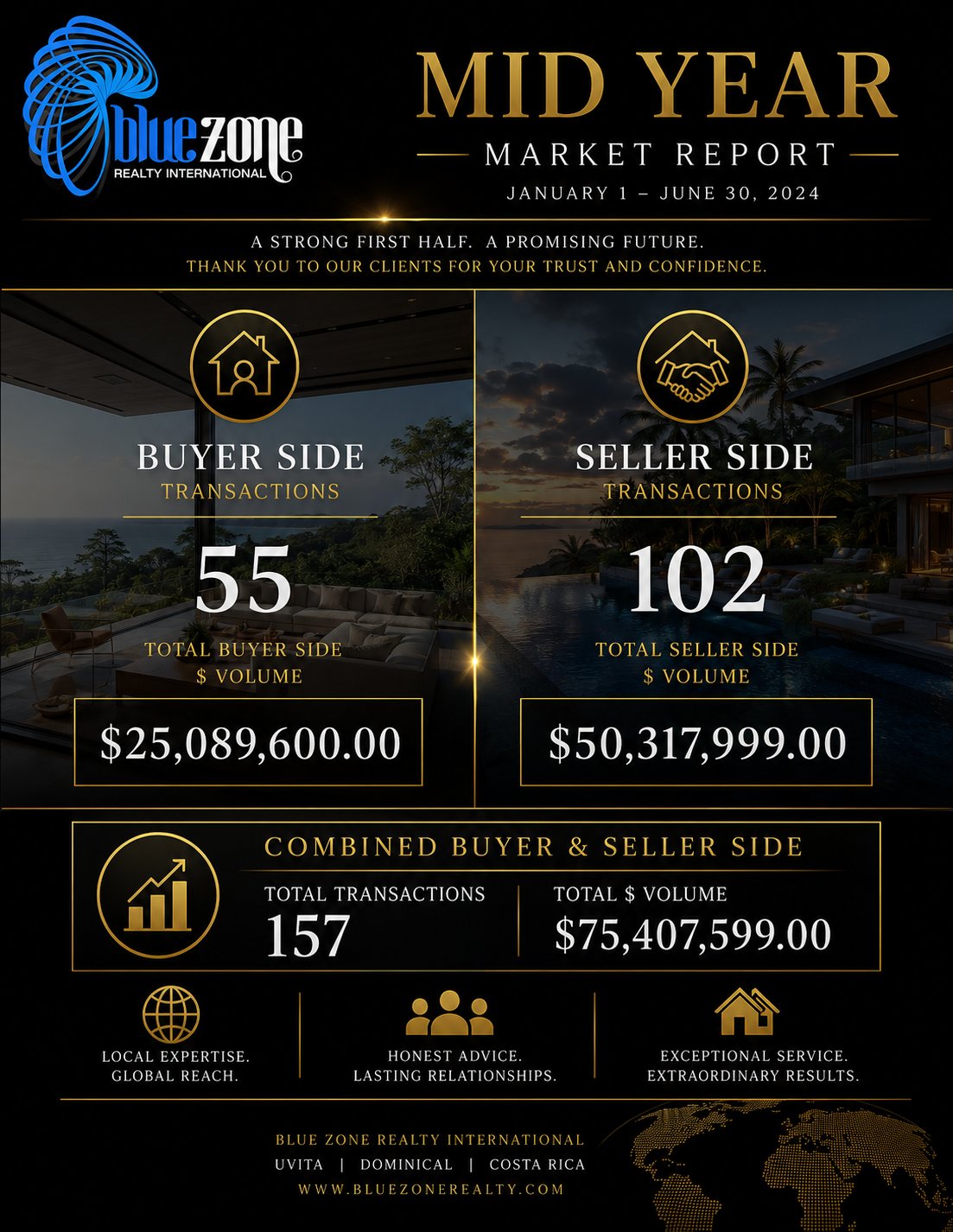
When you are ready to talk about how a property fits into that week rather than just a floor plan, Blue Zone Realty International is here to schedule a private consultation.