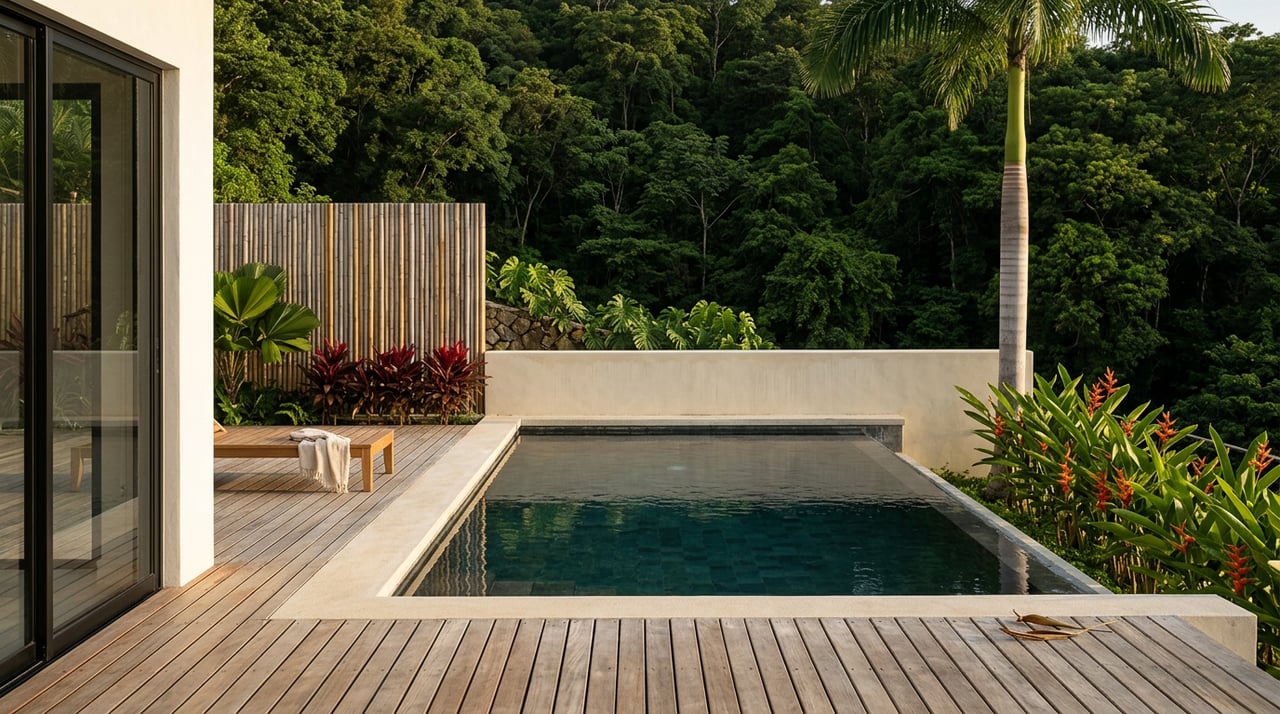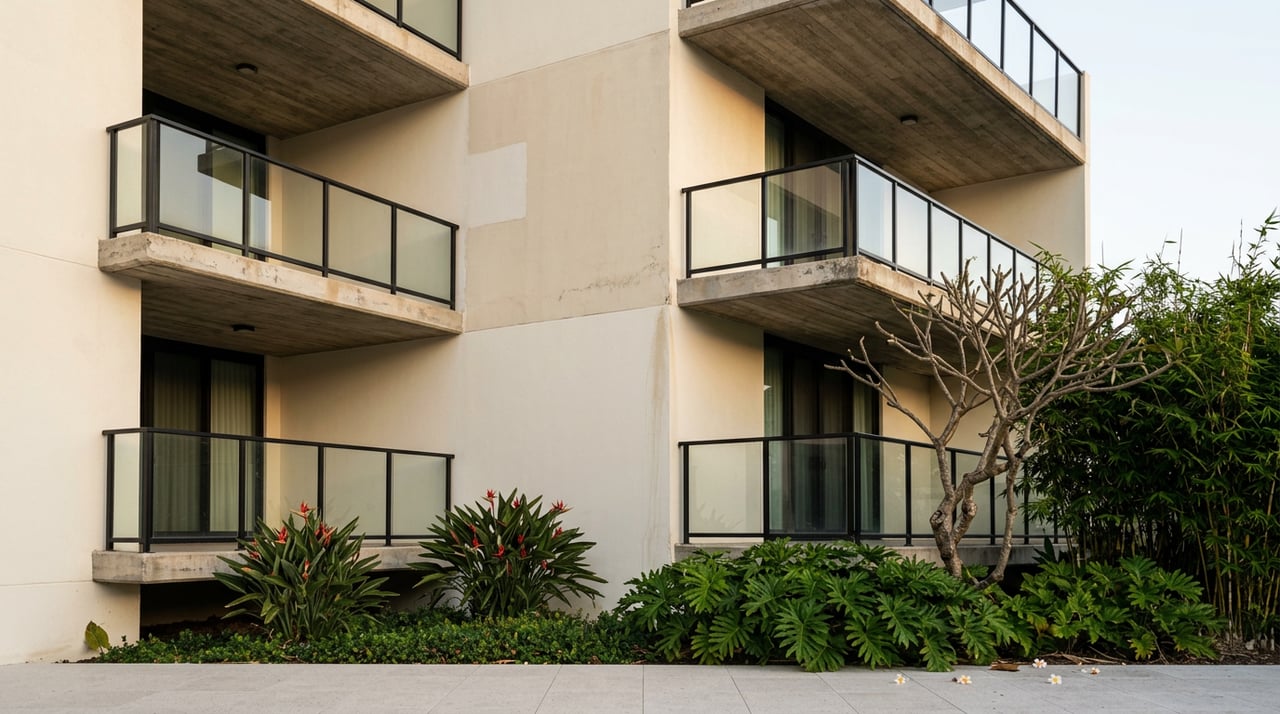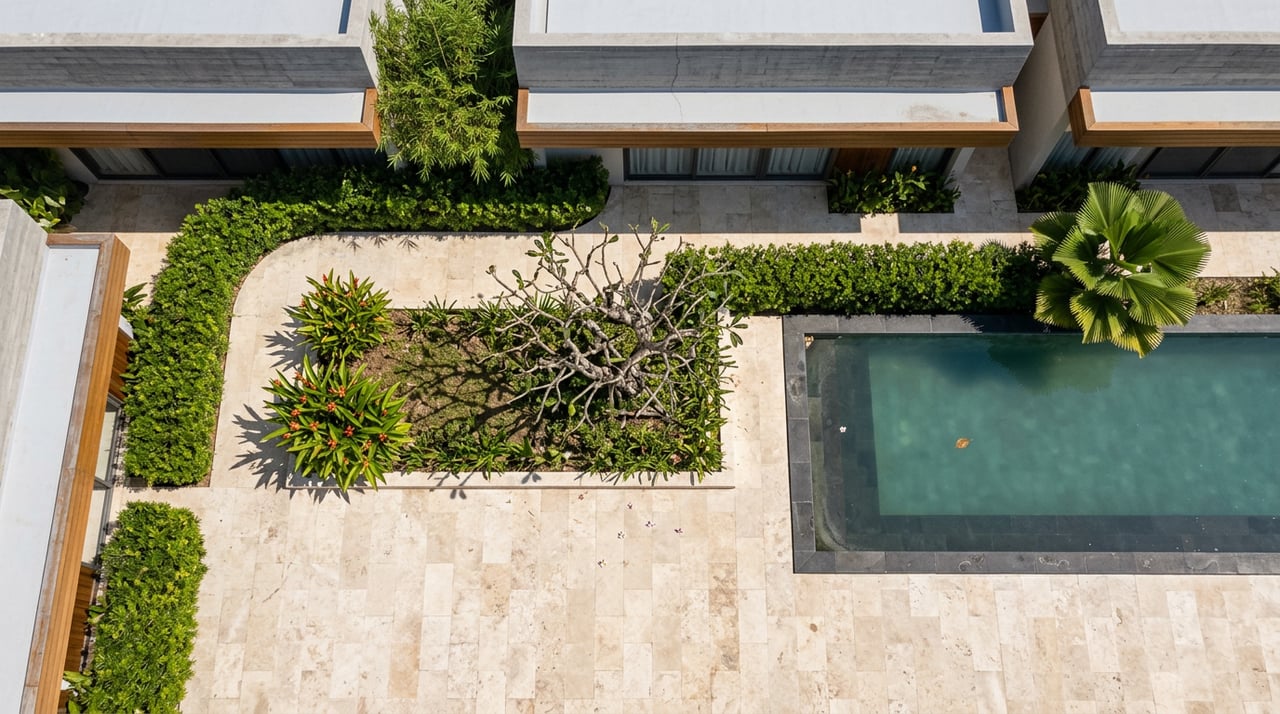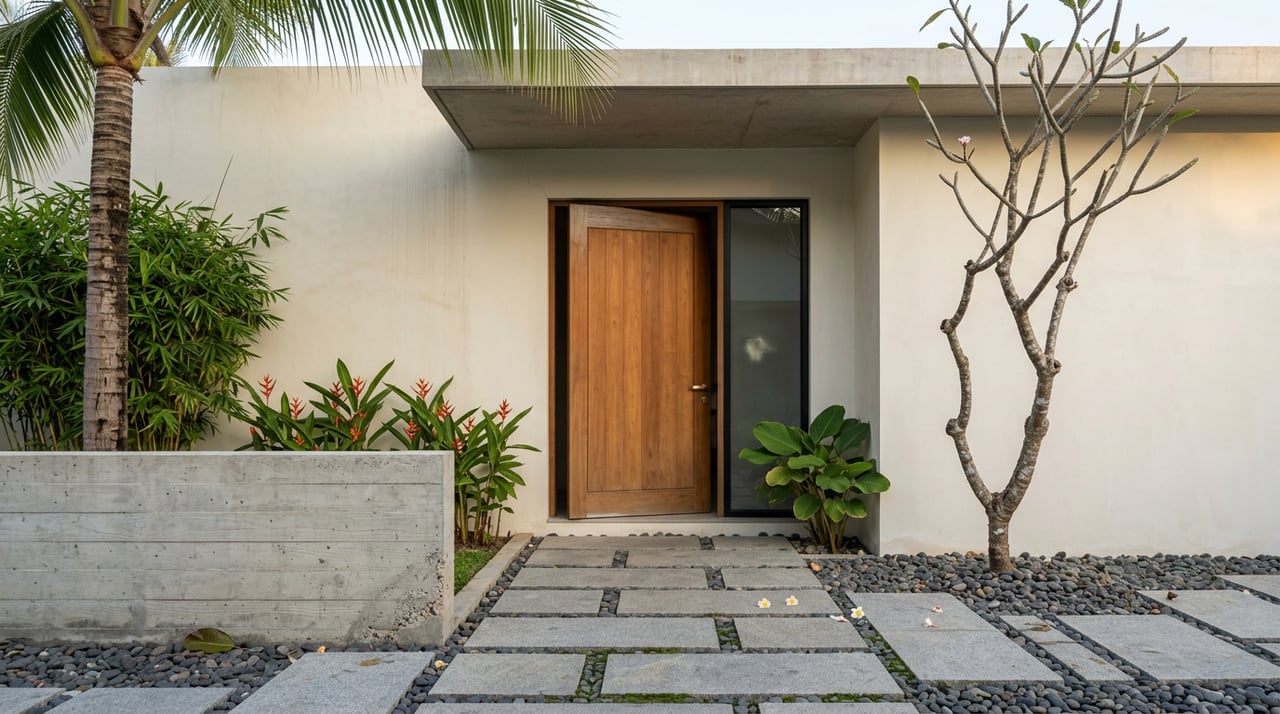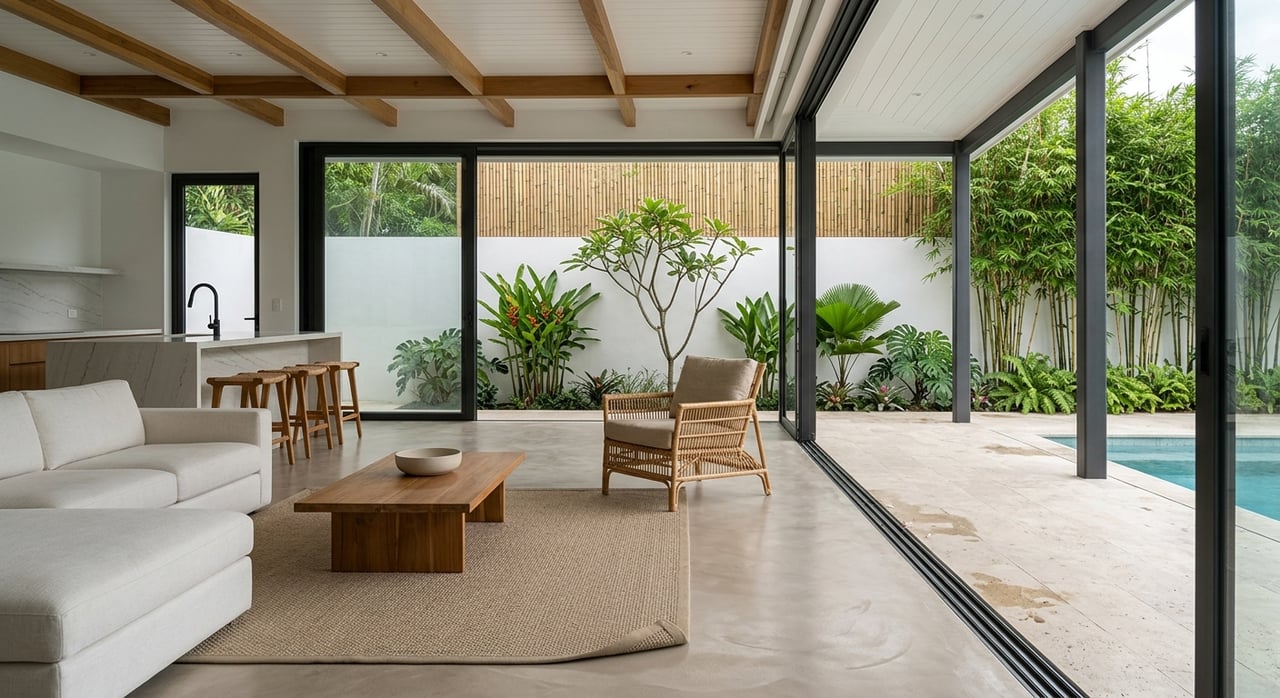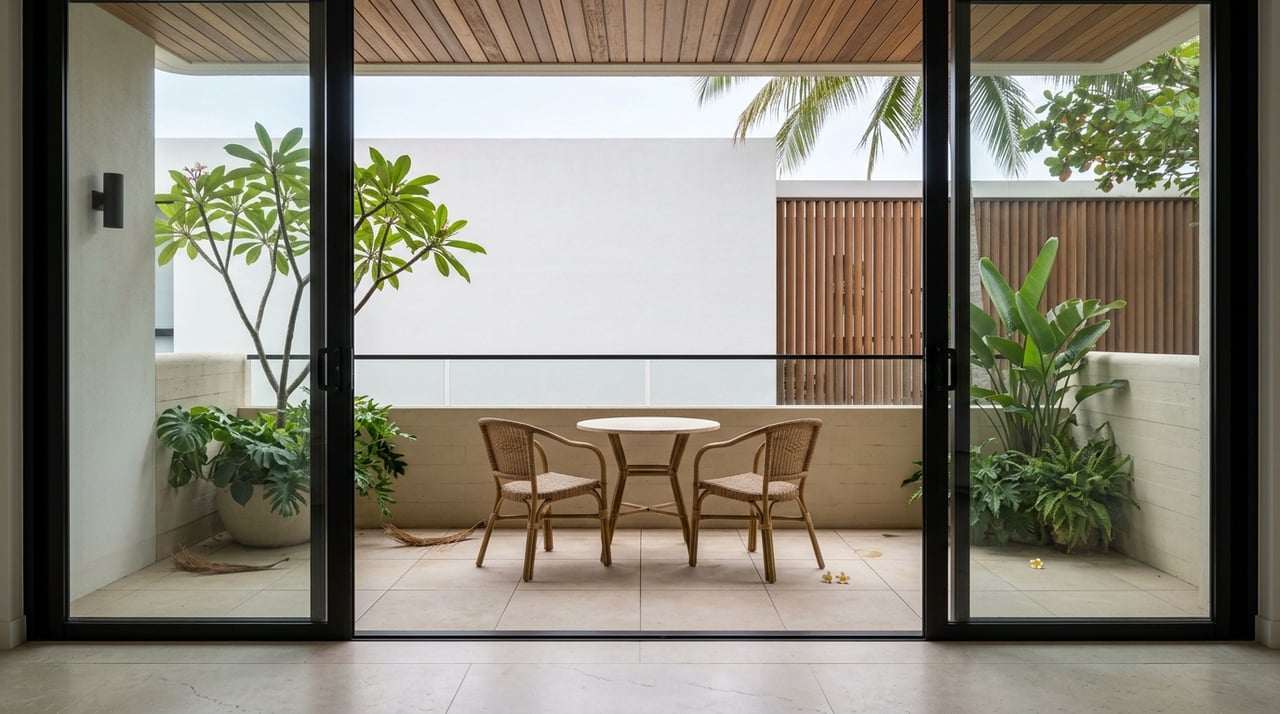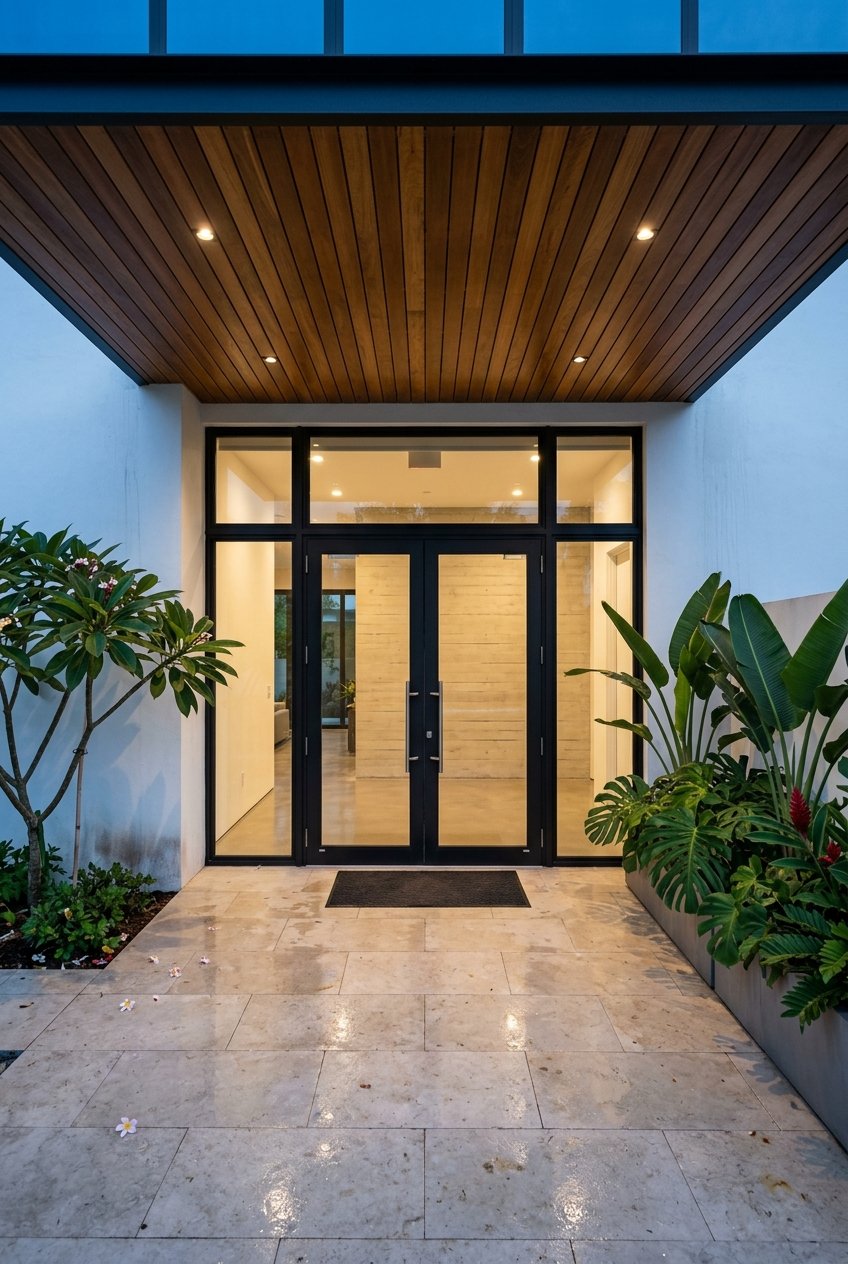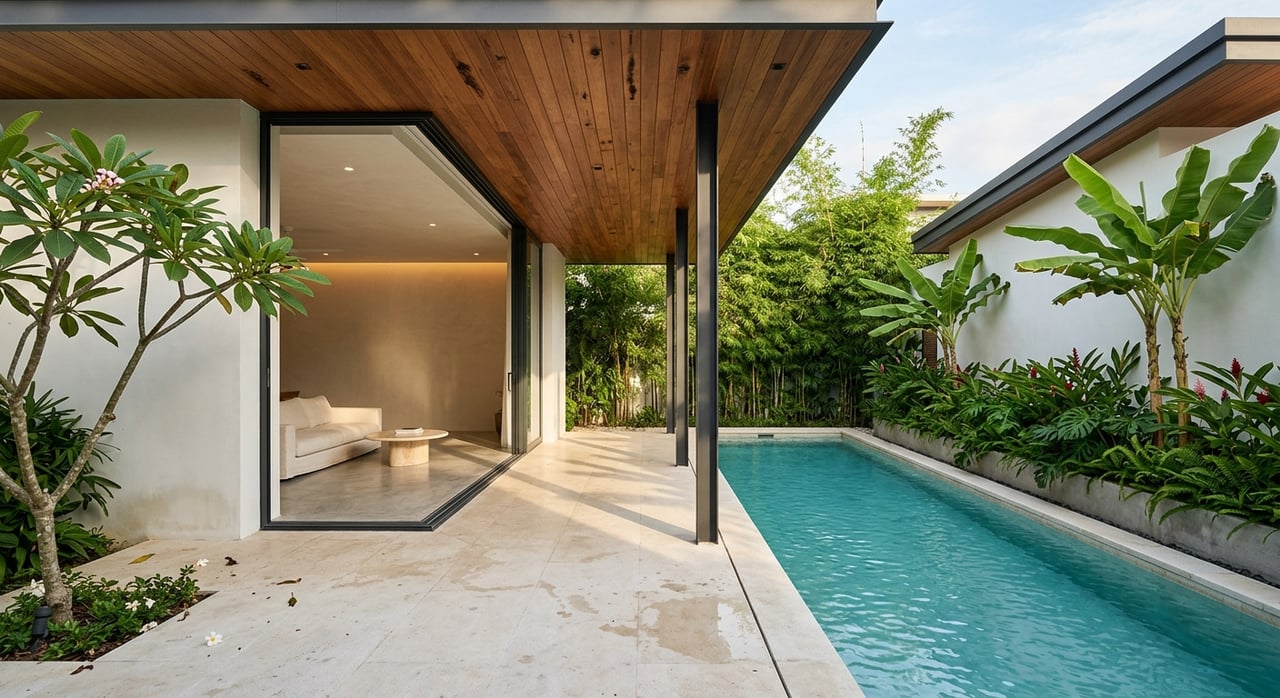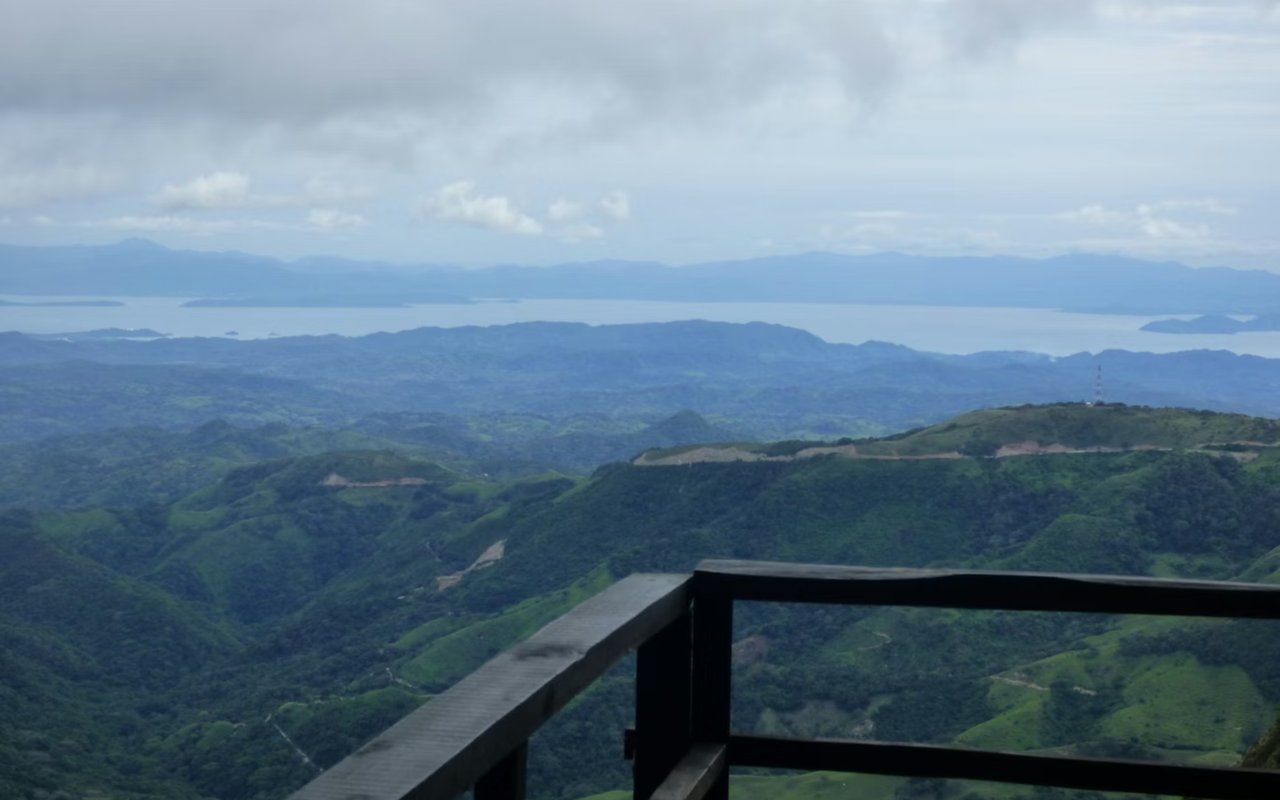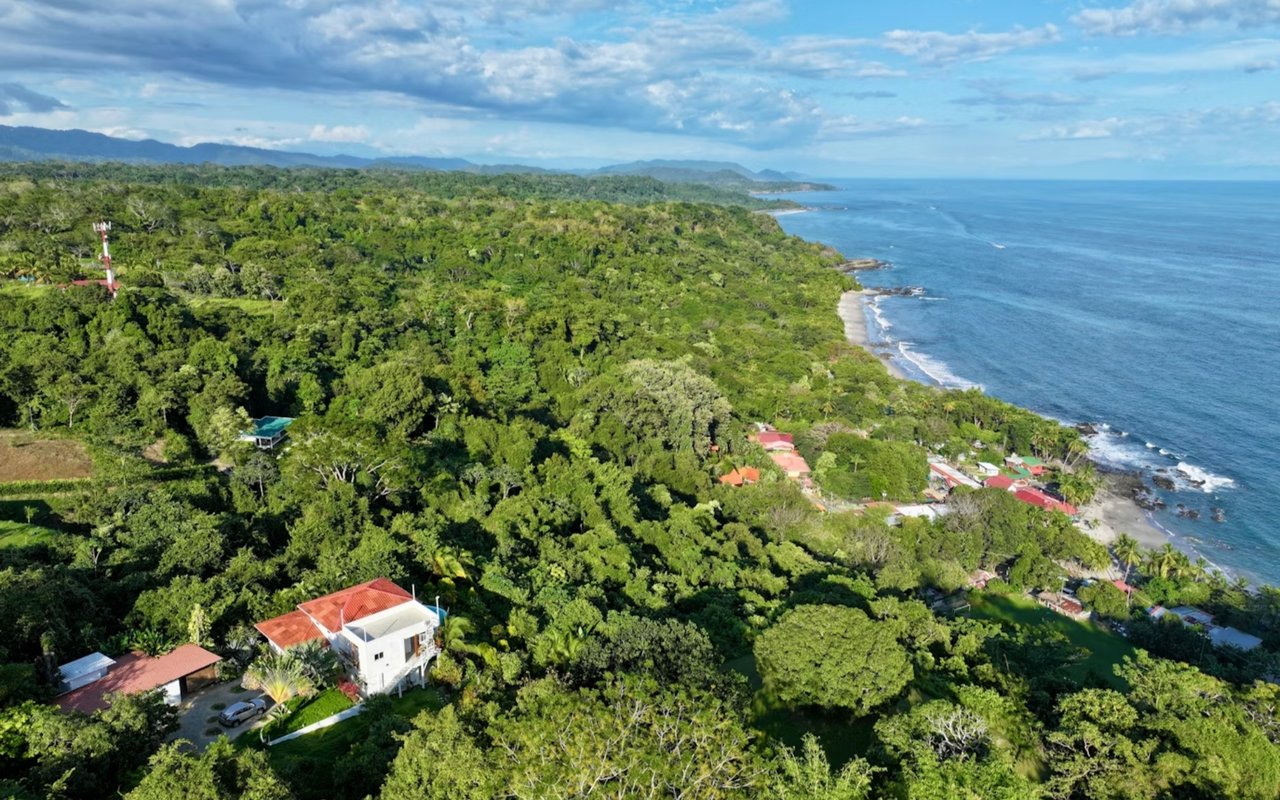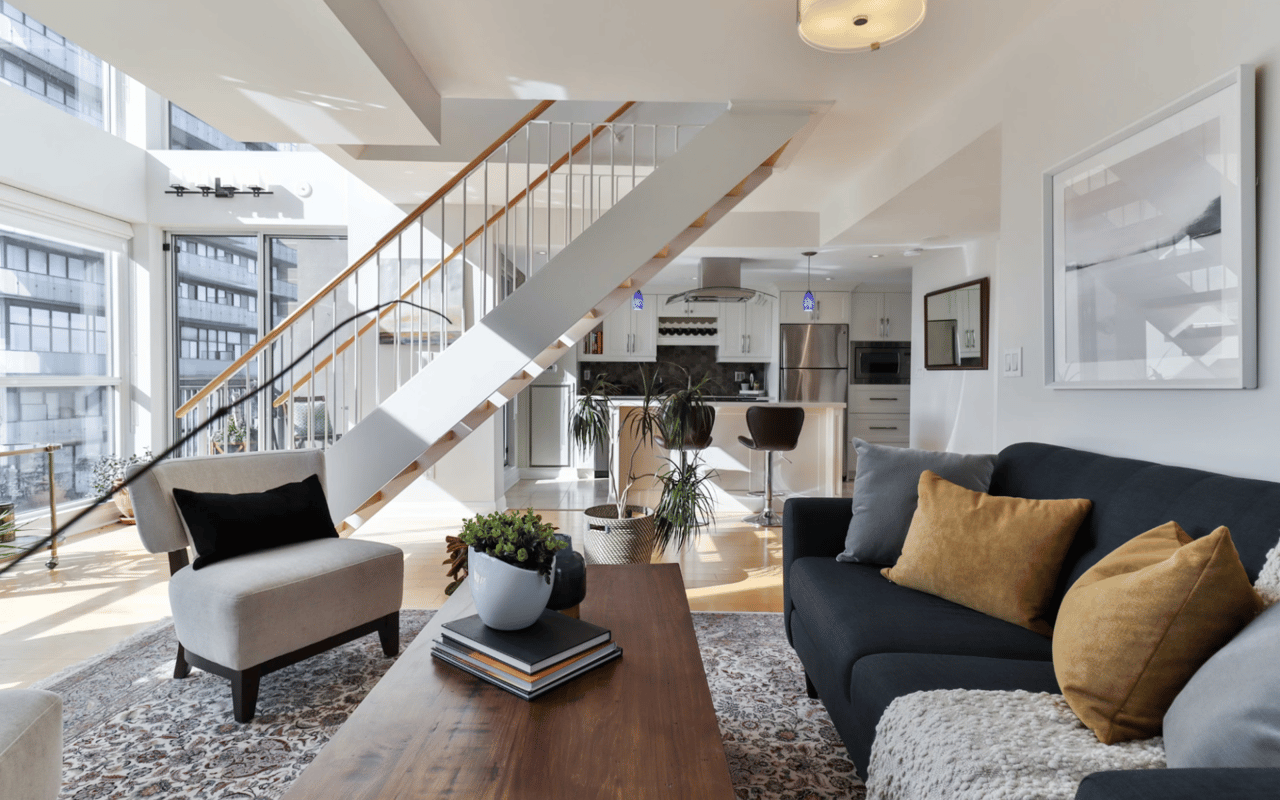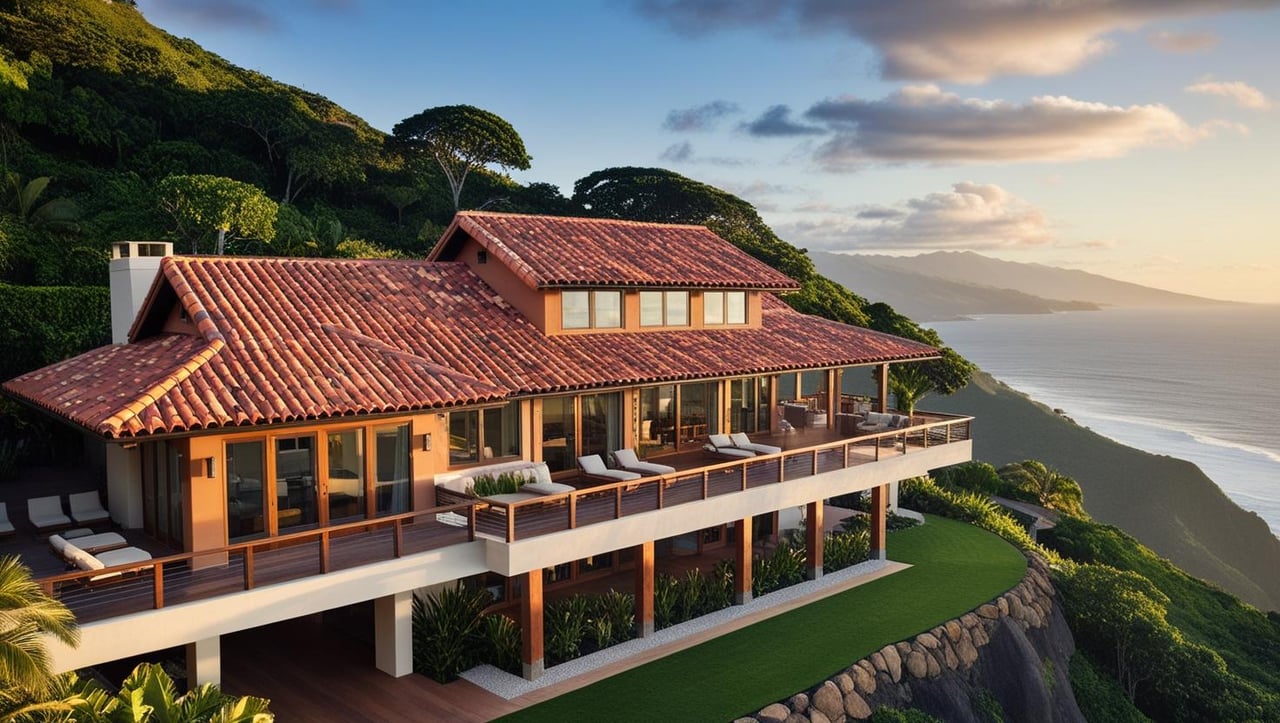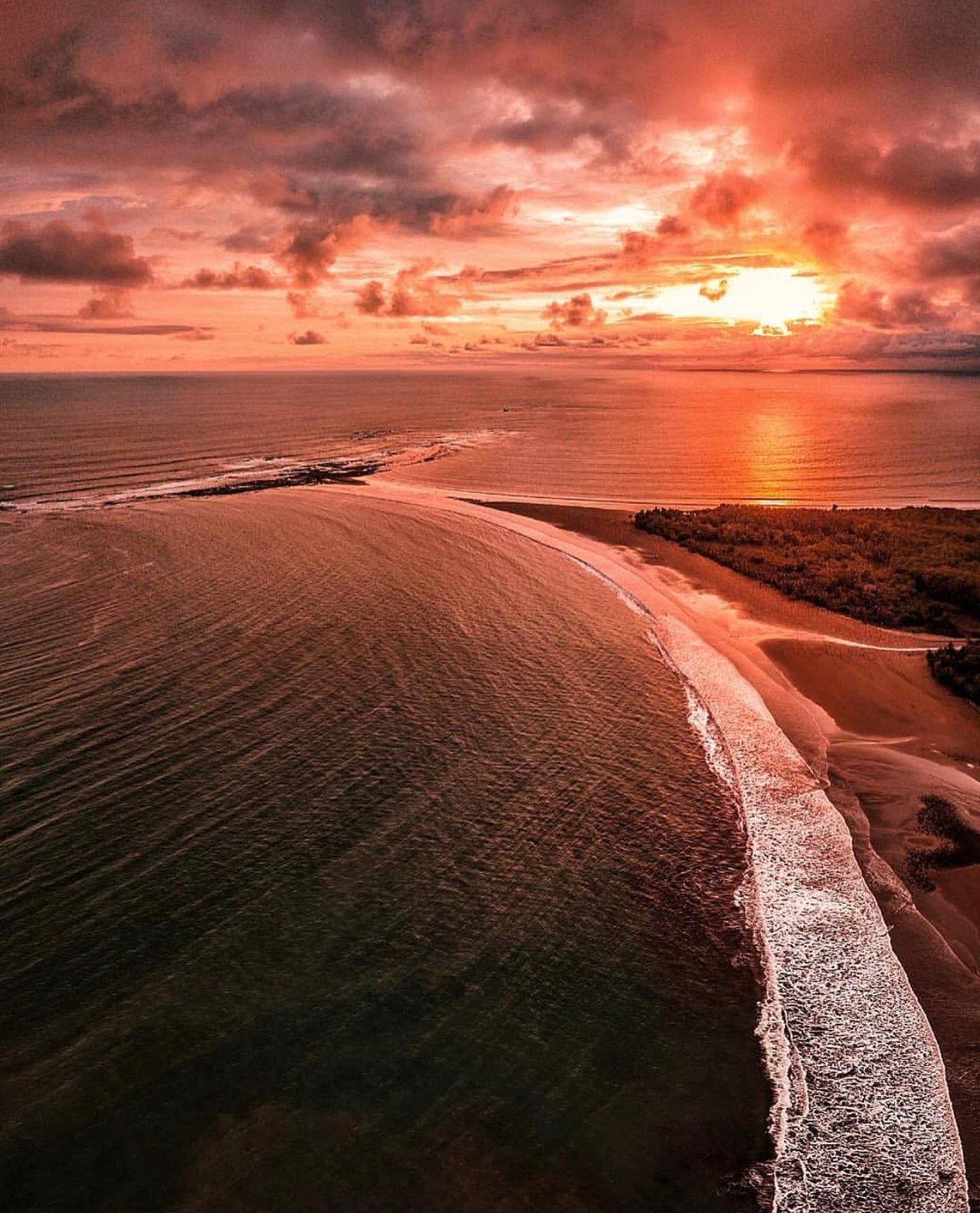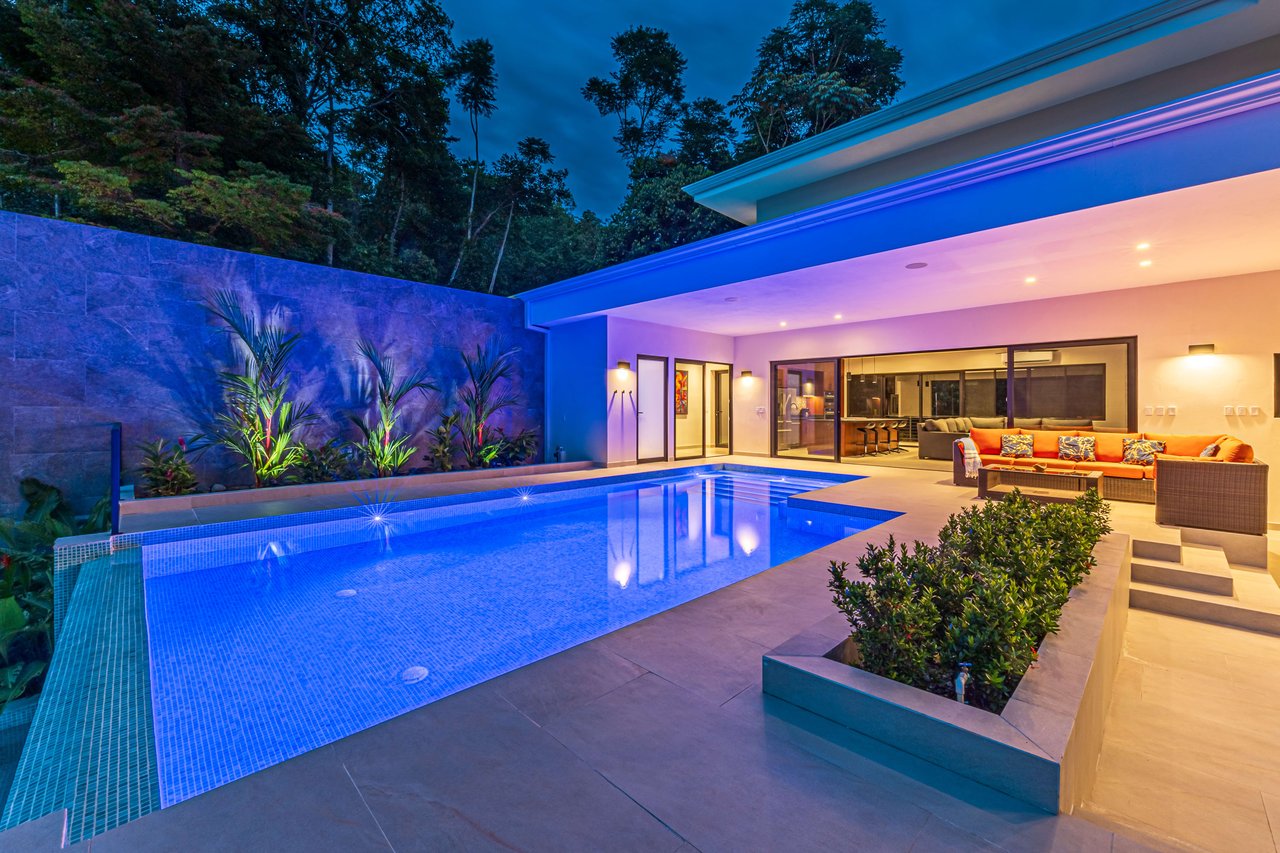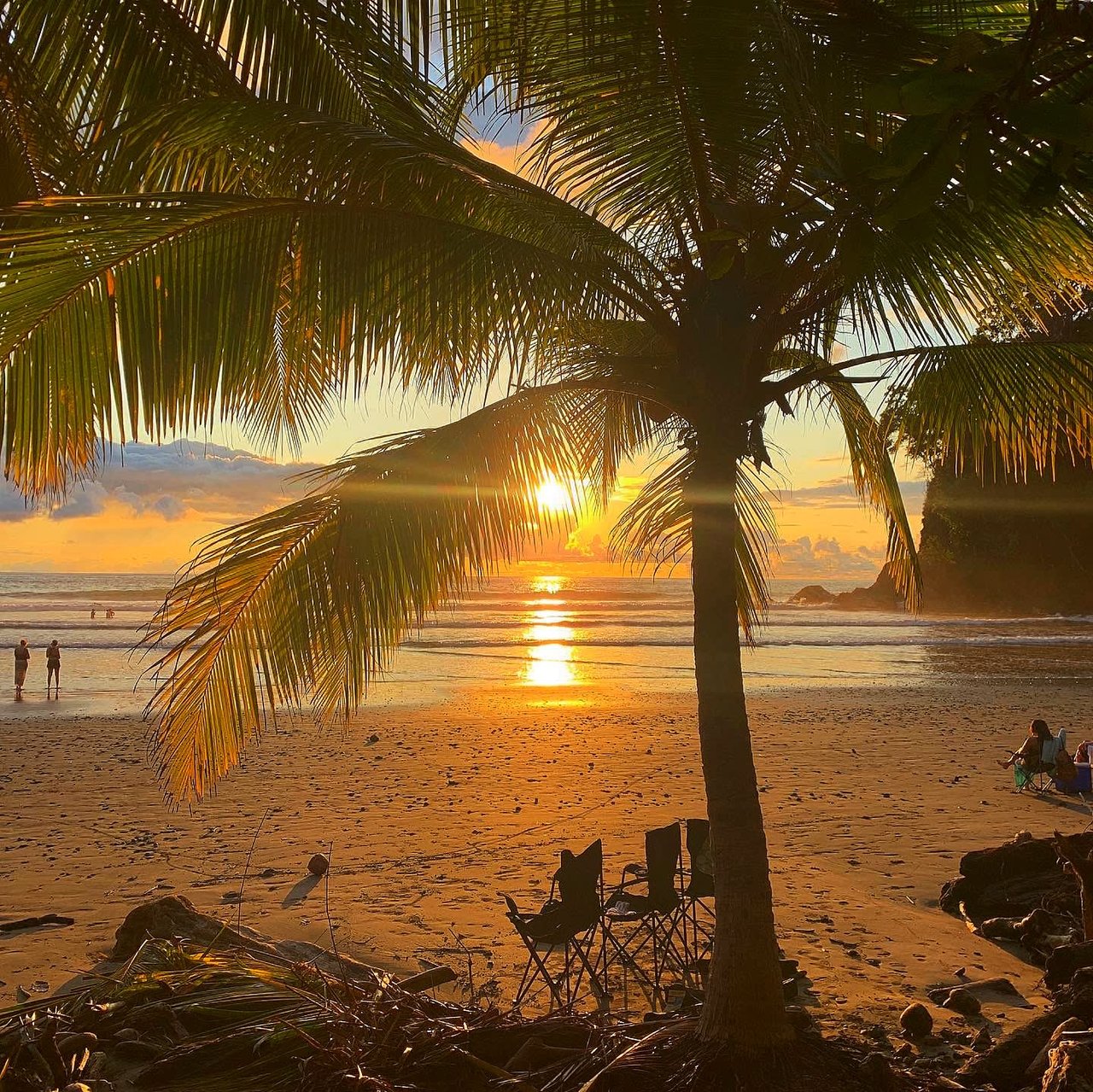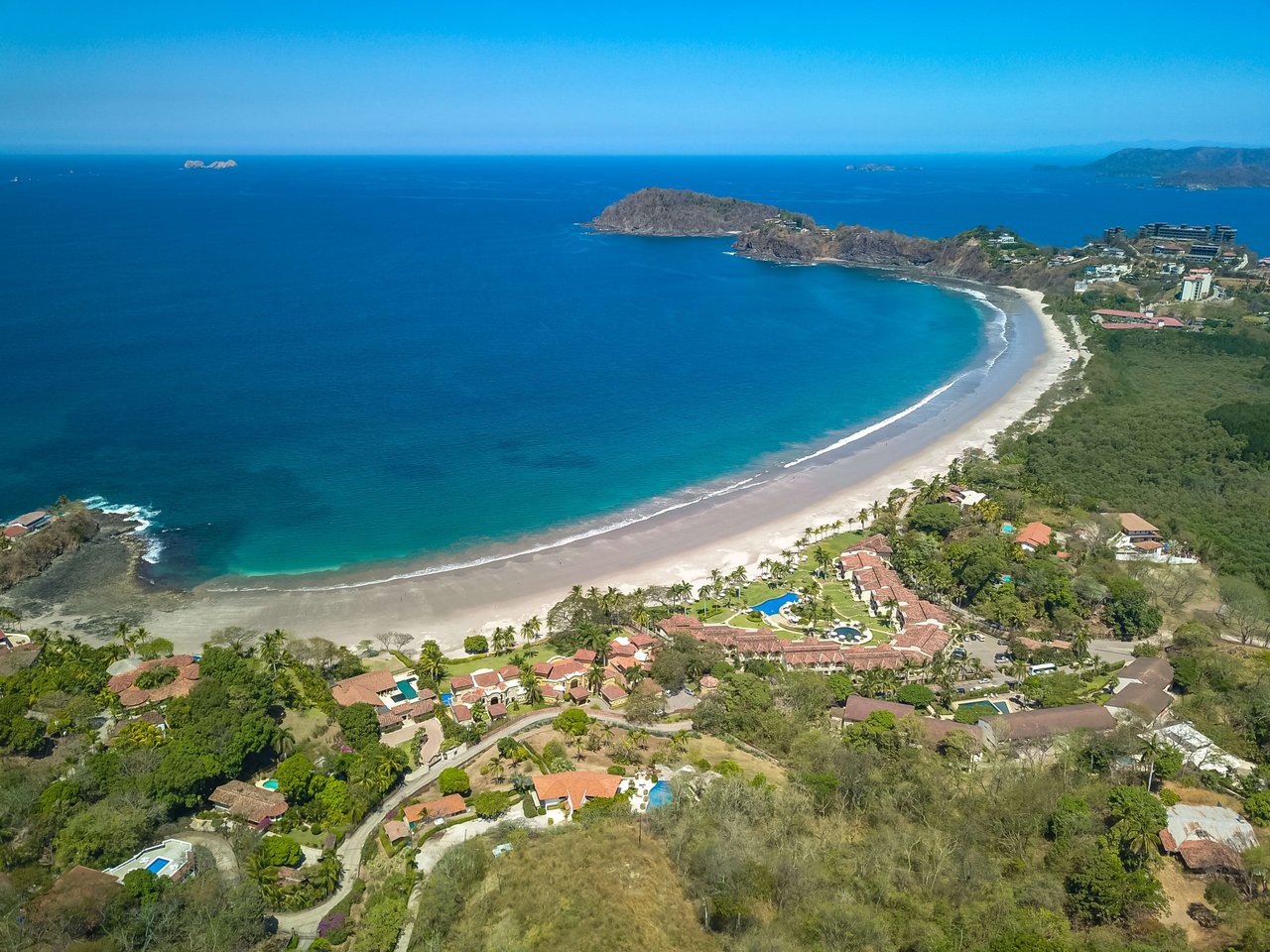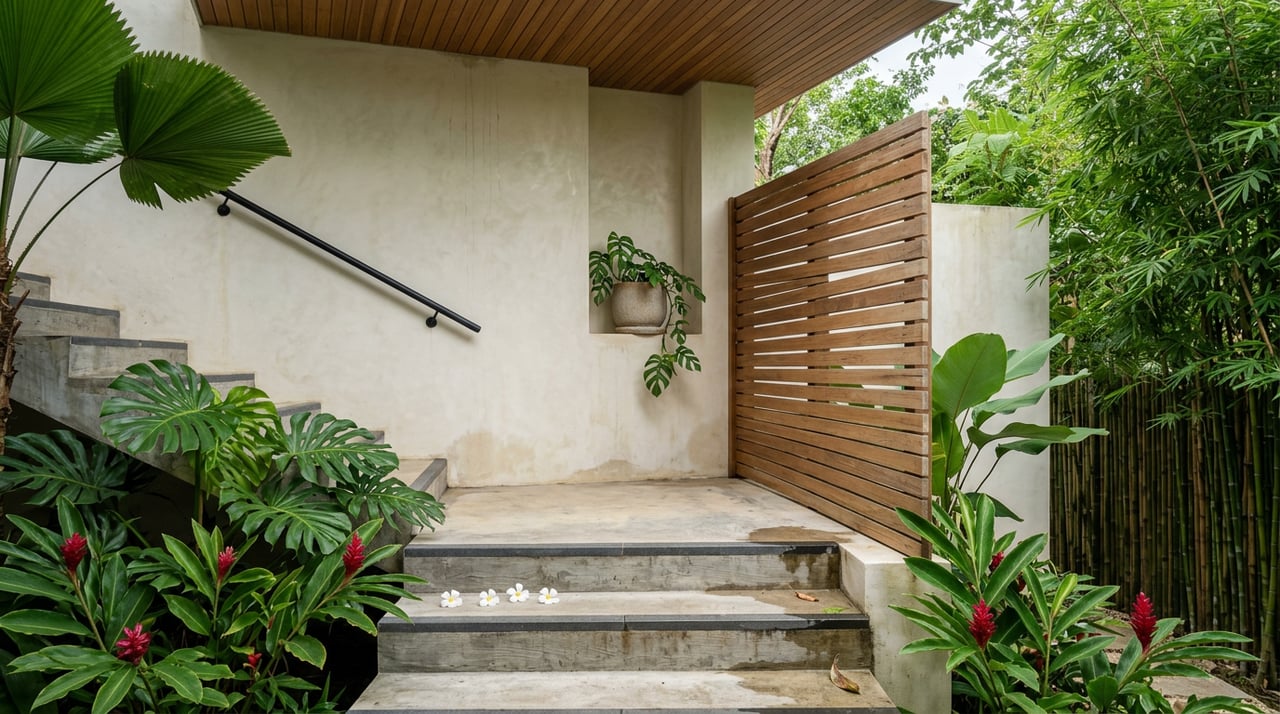
Two identical wire transfers land in escrow this week. One buyer closes on a Quepos condo ten minutes from the marina. The other closes on a hillside home in Manuel Antonio with a slice of ocean between the ridges. Same price on paper. Very different assets, and increasingly, very different businesses.
The 2026 asking-price data has been read the same way on every portal: Manuel Antonio is hot, prices are up, buy before they climb again. The average asking price for active residential listings in Manuel Antonio sits at roughly $2,939 per square meter in 2026, a 14.3% increase from February to October 2025 according to the 2CRRE quarterly report. That number is real. It is also the least interesting thing on the page.
The friction that shows up at underwriting, not on the portal
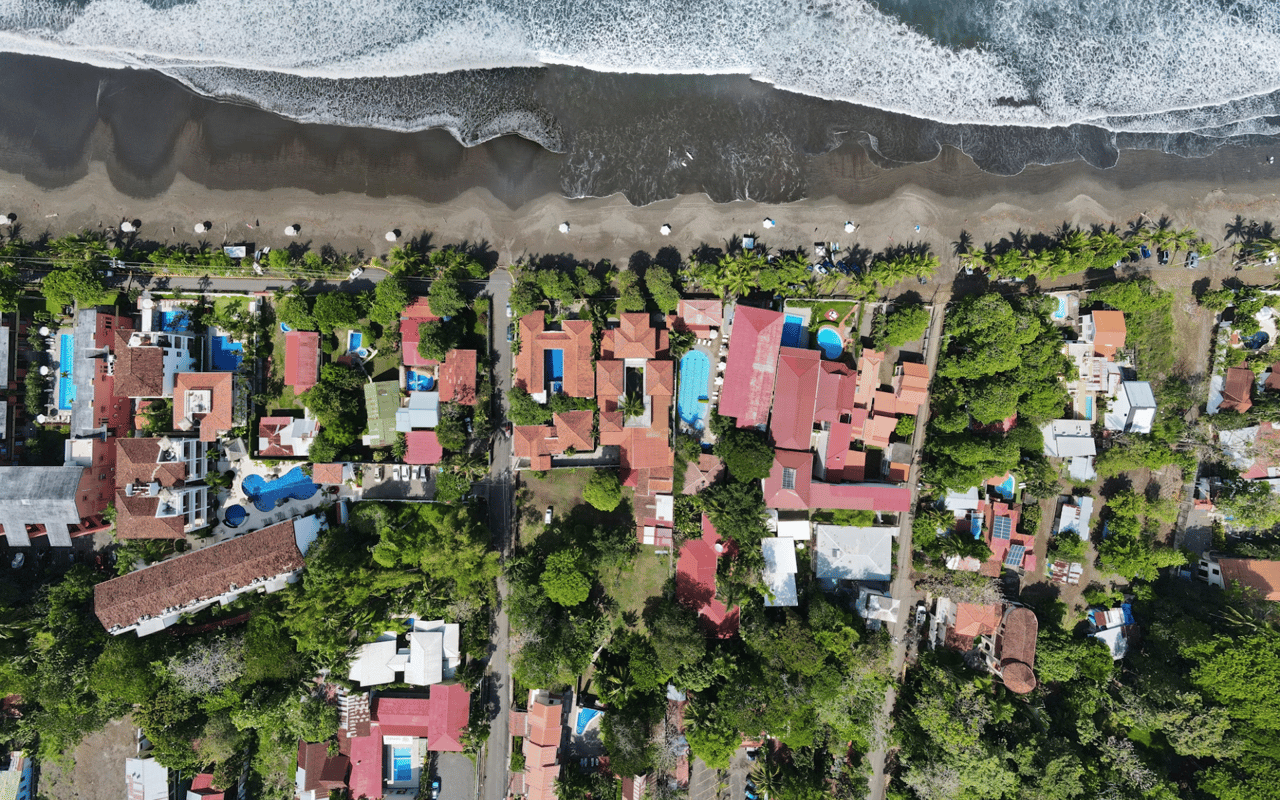
The reason two identical checks buy such different assets is that the Quepos side and the Manuel Antonio side are no longer competing for the same buyer. As of April 2026, Marina Pez Vela has hosted the inaugural Bisbee's Costa Rica Offshore Tournament, the first event in the tournament series' 44-year history held outside Cabo San Lucas. Bisbee's Offshore reported 79 elite teams and more than $2.155 million in prize money across 15 paying positions at the debut event. That single week now sits on the same calendar as the 10th anniversary Pelagic Rockstar Offshore in January, the Sailfish Slam on March 7, the IGFA Open on March 12–14, and the Costa Offshore World Championship on April 19–23, all hosted at Marina Pez Vela.
For a Quepos-side buyer, that is not lifestyle color. It is a rate table. Six to eight weeks between mid-January and late April now anchor the peak of an otherwise seasonal rental year, and they are anchored to a fixed geographic point rather than a general "beach" thesis. The closer a unit sits to the marina gate, the more the underwriting looks like a tournament-adjacent hospitality asset and the less it looks like a generic Costa Rica STR.
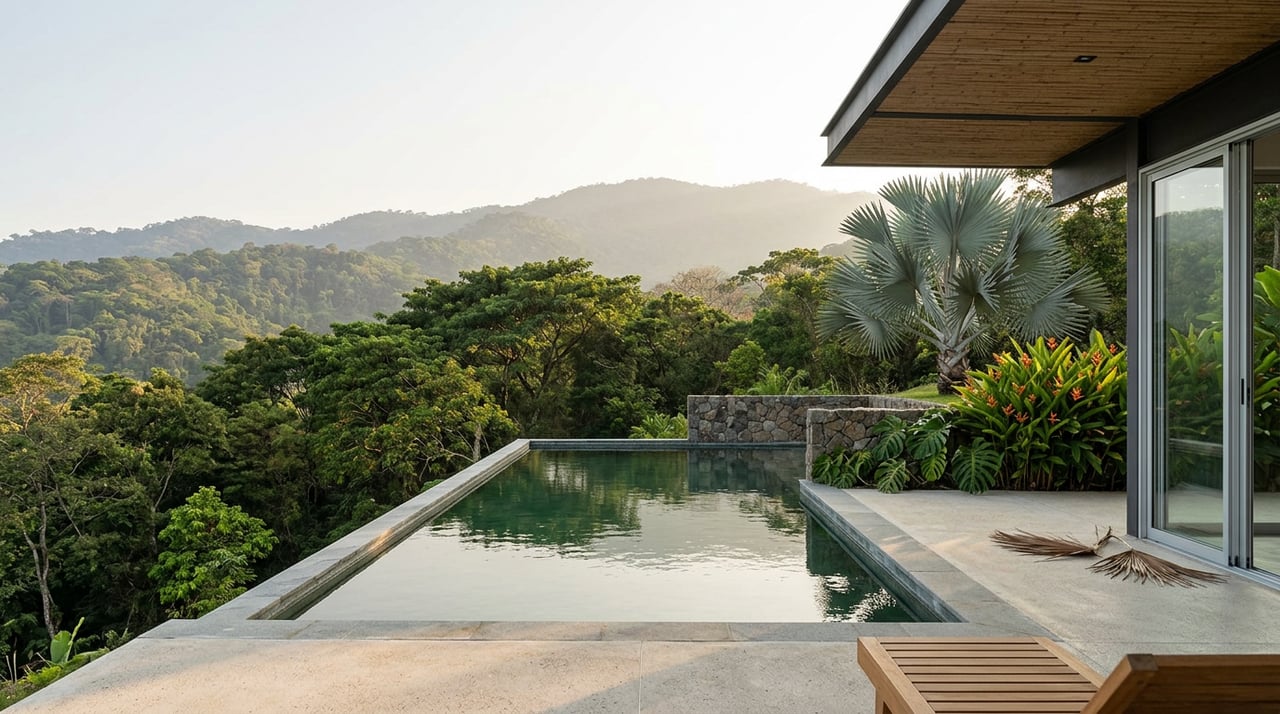
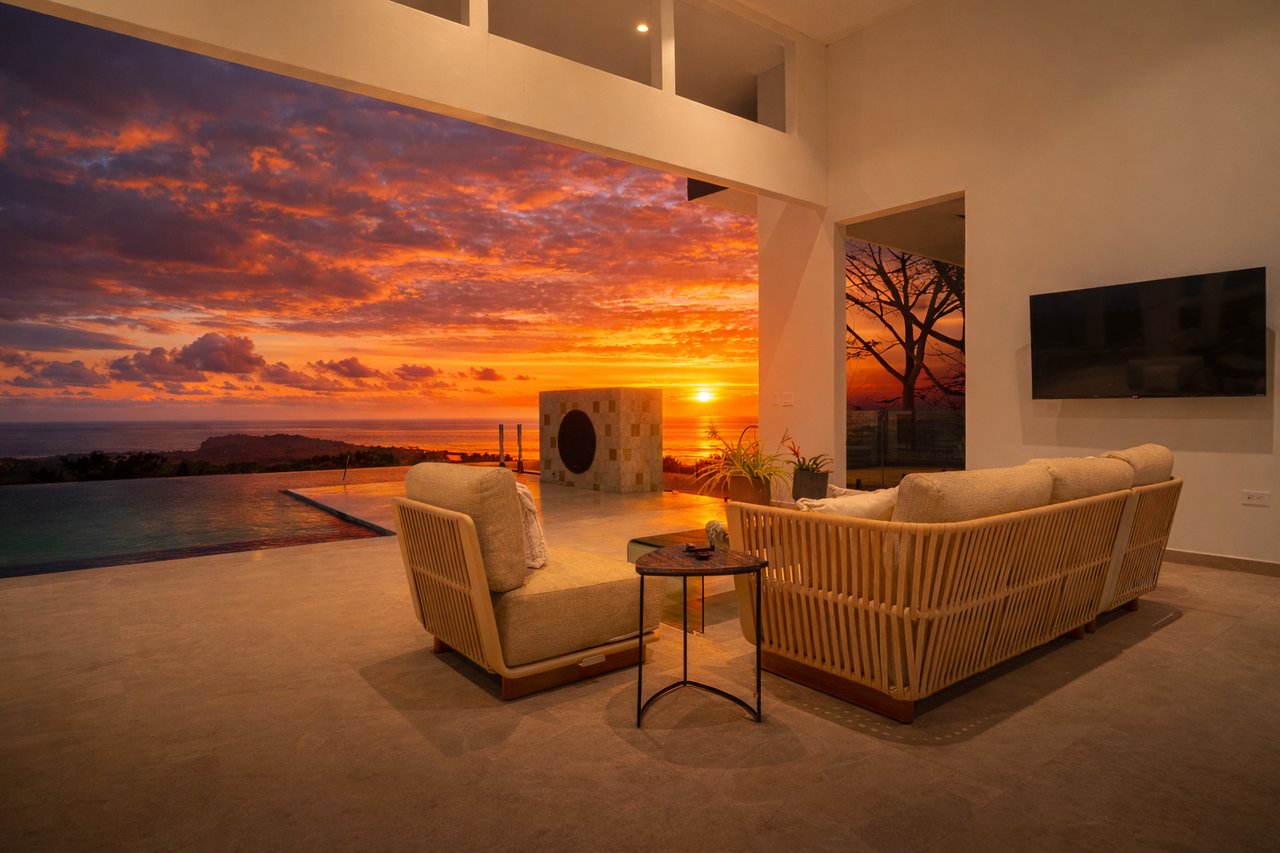
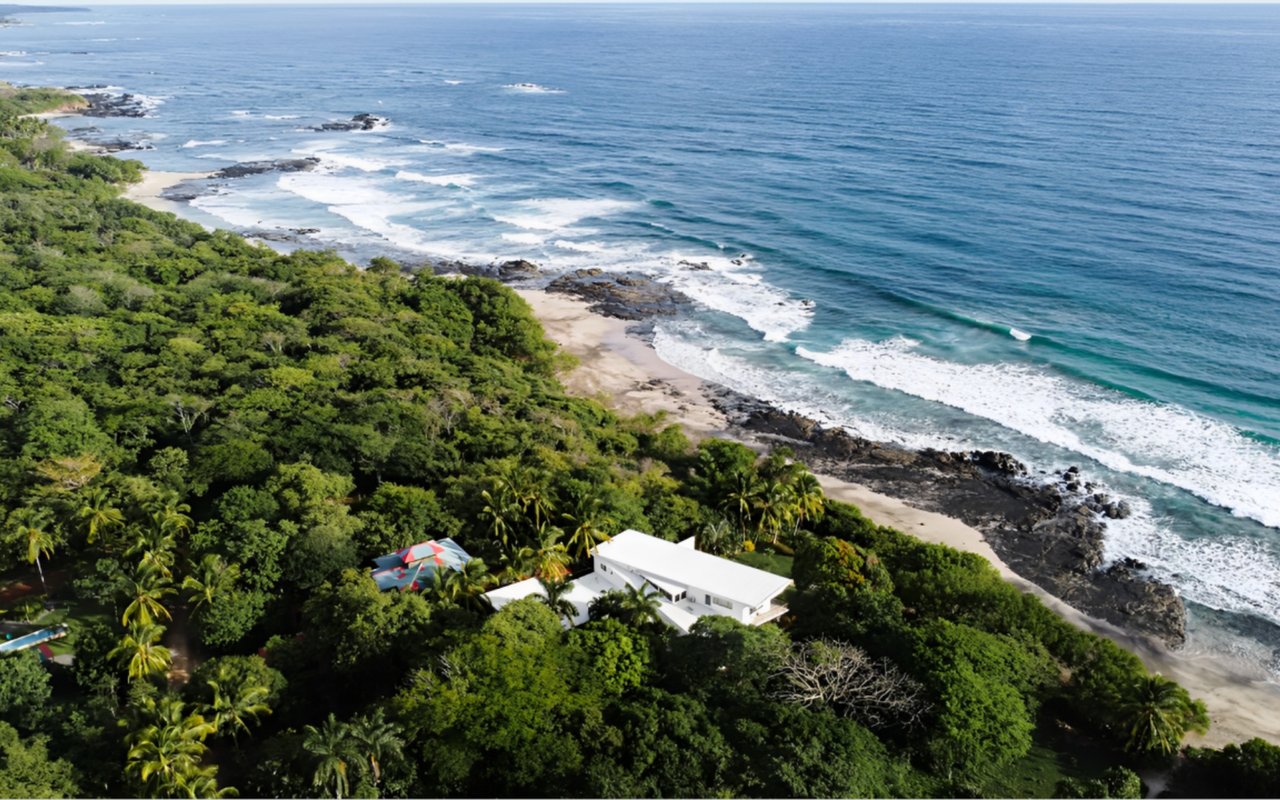
For a Manuel Antonio-side buyer twenty minutes up the hill, the marina calendar is background. What matters is view angle, legal water, and the buildable percentage of the lot. Those three inputs decide whether a listing that shows well on drone footage becomes a permit, a pool, and a rental license.
Where the median hides the actual deal
Manuel Antonio's supply story is not typical scarcity. Manuel Antonio National Park, wildlife refuge zoning, and the protected coastal maritime zone remove a meaningful share of the ridge from the buildable pool. Ocean-view homes in Manuel Antonio often start near $2 million, and a working share of that inventory still needs significant renovation to match the quality of the view.
That gap between "the view is worth $2M" and "the house behind the view is worth $2M" is where transaction friction lives. Two-thirds of the reason a deal falls apart in this corridor has nothing to do with price. It has to do with what a buyer is actually allowed to build, expand, or rent under current setbacks and water availability. As 2CRRE agent Sara Gomez has put it, in Manuel Antonio the drone shot never tells the whole story; zoning, buildable area, and legal water decide if a deal actually works.
A useful way to read the corridor is to map the calendar onto the geography:
| Sub-market | Underwriting anchor | 2026 friction to diligence |
|---|---|---|
| Quepos, near Marina Pez Vela | Tournament weeks + walkable dining plaza | Slip access, HOA rental rules, noise-window rules during weigh-ins |
| Quepos, Colinas del Este and inland | Full-year local + expat demand at ~$285K entry | Titled vs. concession status, road access in green season |
| Manuel Antonio ridge (El Salto, Pacific Canyon, Tulemar) | View angle, elevation, rental license | Legal water letter, buildable %, setbacks from protected zones |
| Matapalo and Portalón | Land banking, larger parcels | Segregation history, easements, ASADA water quotas |
None of those anchors are visible in a per-square-meter average. All of them show up in a purchase and sale agreement.
The mechanism behind the price move
The fastest way to misread the 14.3% increase is to attribute it to generic post-pandemic demand. The corridor has had that demand since 2021. What actually changed between February and October 2025 is that Marina Pez Vela's expansion, adding 50 new wet slips and 40 on-site villas, coincided with the announcement of Bisbee's Costa Rica Offshore for April 2026. Two facts, one implication: the marina graduated from "amenity" to "event venue with anchor tenants," and pricing on nearby inventory repriced to that new use.
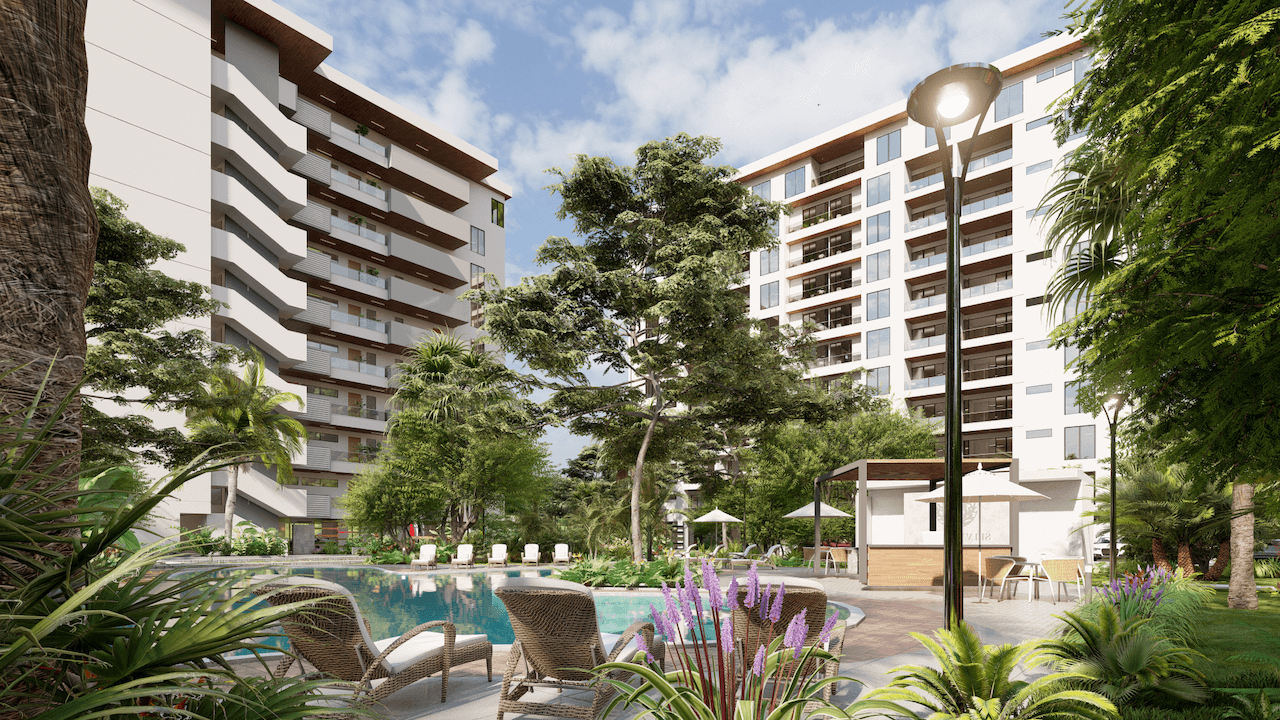
You can read the tenant mix at the marina the same way. Runaway Grill, Gabriella's, Double Hook, Cuba Libre, Agave, Gelateria Amorosi, and FADS are not a random restaurant lineup. They are a walkable evening built around boat-in, boat-out foot traffic, which is why the marina's own Las Villas collection markets itself as a live-above-the-plaza asset rather than a standalone condo. That is a different product from a Manuel Antonio ridge home renting for a family week.
Meanwhile, Manuel Antonio's ridge inventory did not appreciate because the marina expanded. It appreciated because the corridor's total buildable pool has been shrinking faster than demand for view homes has grown. Casa Fantastica on Pacific Canyon Drive, at 1,200 square meters of interior on a 5,093-square-meter lot, is the kind of legacy asset that cannot be reproduced under current zoning. Tulemar Bungalows and Villas, El Salto, and the ridge above Espadilla are drawing from a fixed set of parcels. Two different scarcity engines are running in parallel, and they should not be pooled into a single median.
What this changes about diligence
A buyer treating the corridor as one market will pay for the wrong friction. A buyer who has separated the two will focus their diligence differently in each pocket.
For Quepos-side deals near the marina, expect the following to matter more than usual this year:
- Written confirmation of short-term rental permissions in the condo regime, including any restrictions tied to noise or event nights.
- Slip rights and any transferable marina access, which increasingly trade as a separate line item.
- Historical occupancy tied to the tournament calendar rather than a blended year, because that is what the next buyer will underwrite too.
- Utility redundancy during the January to April window, when the plaza is at peak load.
For Manuel Antonio ridge deals, the diligence sequence looks almost nothing like a US coastal purchase:
- The legal water letter from the local ASADA, not the seller's assurance that water is "on."
- A survey that reconciles the registered plano catastrado with any protected-zone overlay.
- A buildable-area calculation that respects setbacks from the park boundary, the maritime zone, and any watercourse on the parcel.
- Rental license status if the home is being sold as an income-producing asset, since retrofitting a residential-only home into a licensed rental can eat the first year's cash flow.
That sequence is the reason a $2M asking price in Manuel Antonio often clears at a different number than a $2M asking price ninety minutes north. Same headline, different assets, different transactions.
Frequently asked questions
Does the marina expansion mean Quepos condos are now a safer investment than Manuel Antonio homes? Not safer, different. Quepos condos closer to Marina Pez Vela now trade with a concentrated income window tied to a known calendar. Manuel Antonio homes trade on scarcity of view and legal buildable area. Neither is intrinsically safer, but they answer different questions and belong in different portfolios.
Is $2,939 per square meter a fair benchmark for any Manuel Antonio purchase? It is a starting point, not a benchmark. Within the same square-meter figure, a ridge home with clean legal water and a rental license underwrites at a very different implied cap rate than a comparable home without either.
Are the tournaments a durable driver or a one-time bump? The Los Sueños Signature Triple Crown has run for years, the Pelagic Rockstar just marked its 10th anniversary, and Bisbee's added Costa Rica as its fourth annual multi-million-dollar event in its portfolio. A single tournament is a bump. Four to six overlapping ones anchored to one marina is a season.
What is the most common surprise for a first-time buyer in this corridor? That the closing timeline is set by the water letter and the corporate structure, not by the sale price negotiation. Buyers who plan around the price and improvise the paperwork lose weeks. Buyers who front-load the paperwork close on schedule.
The corridor's headline number will keep moving through the rest of 2026. What matters for a buyer writing a real check is which of the two sub-markets they are actually buying into, and whether the diligence sequence matches. If you want a specific read on a listing you are watching, or a private comparison of the Quepos-side and Manuel Antonio-side numbers on comparable budgets, Blue Zone Realty International is ready to sit down for a private consultation.