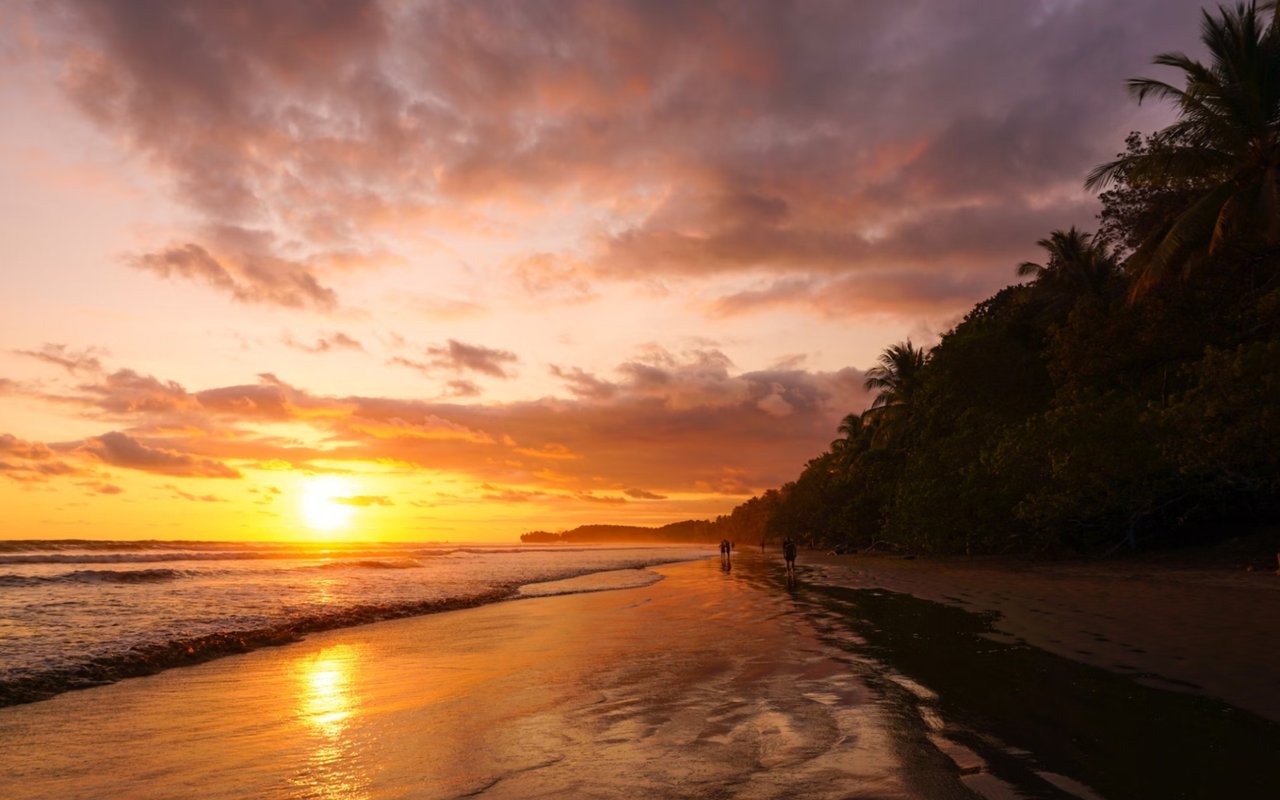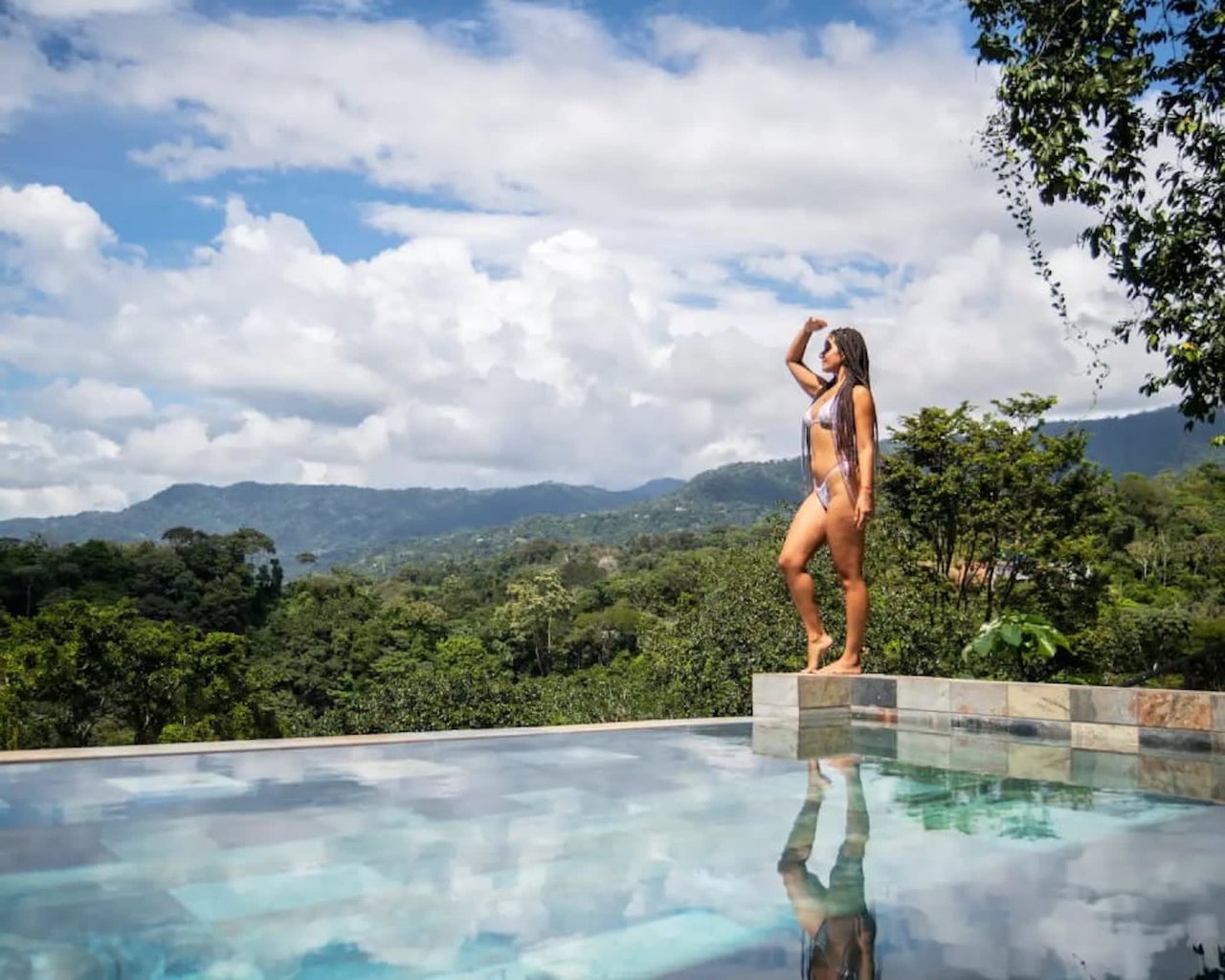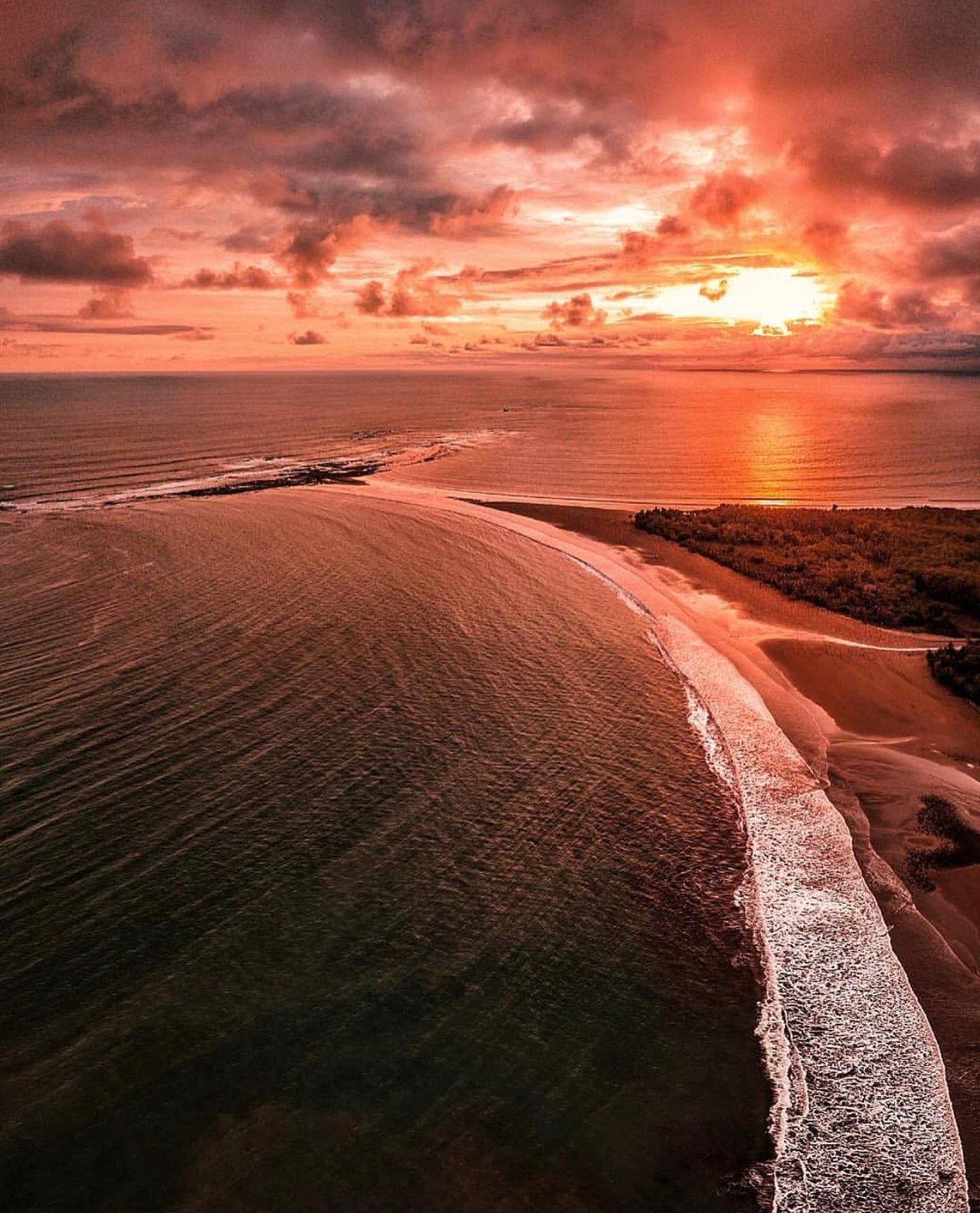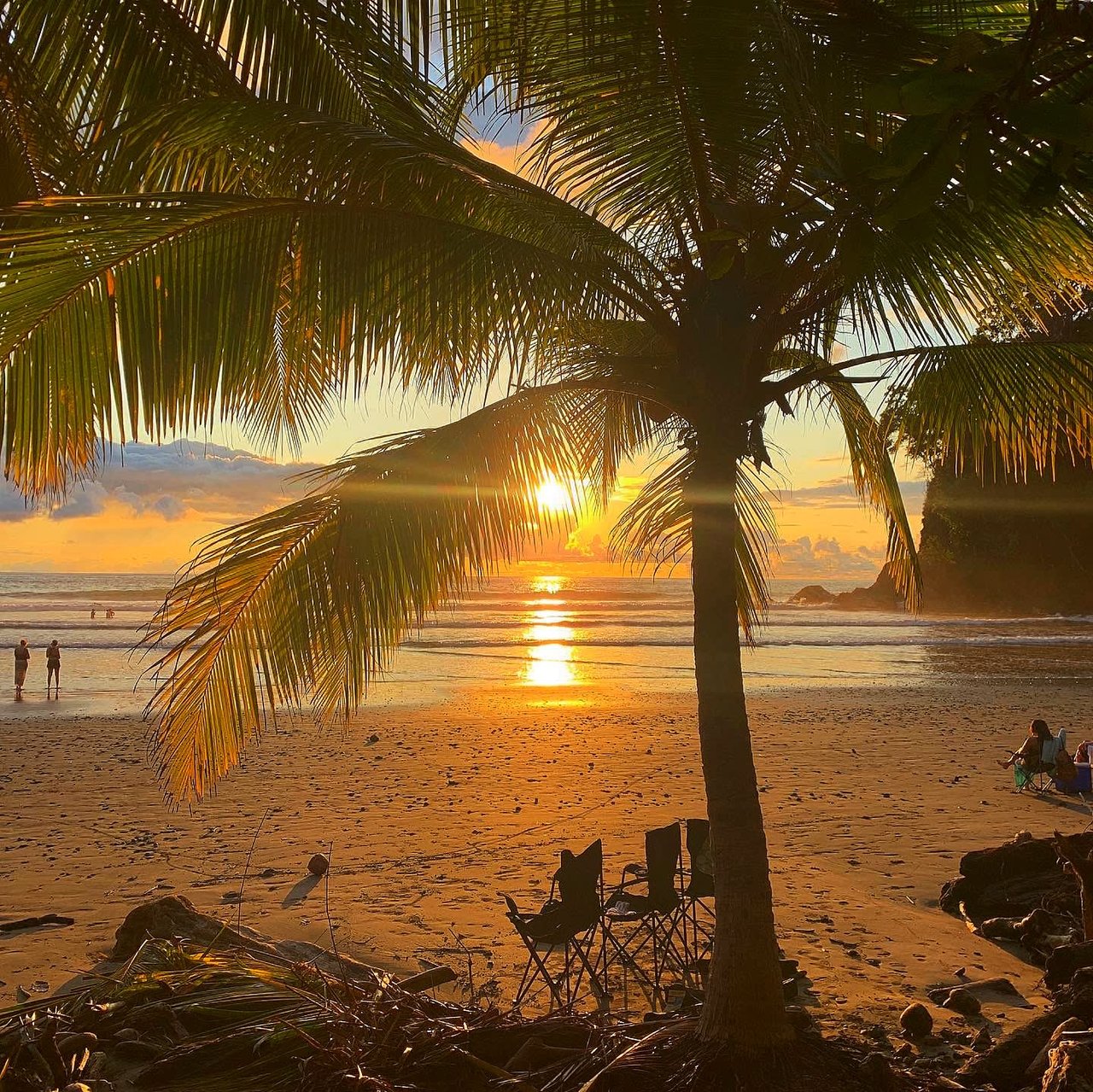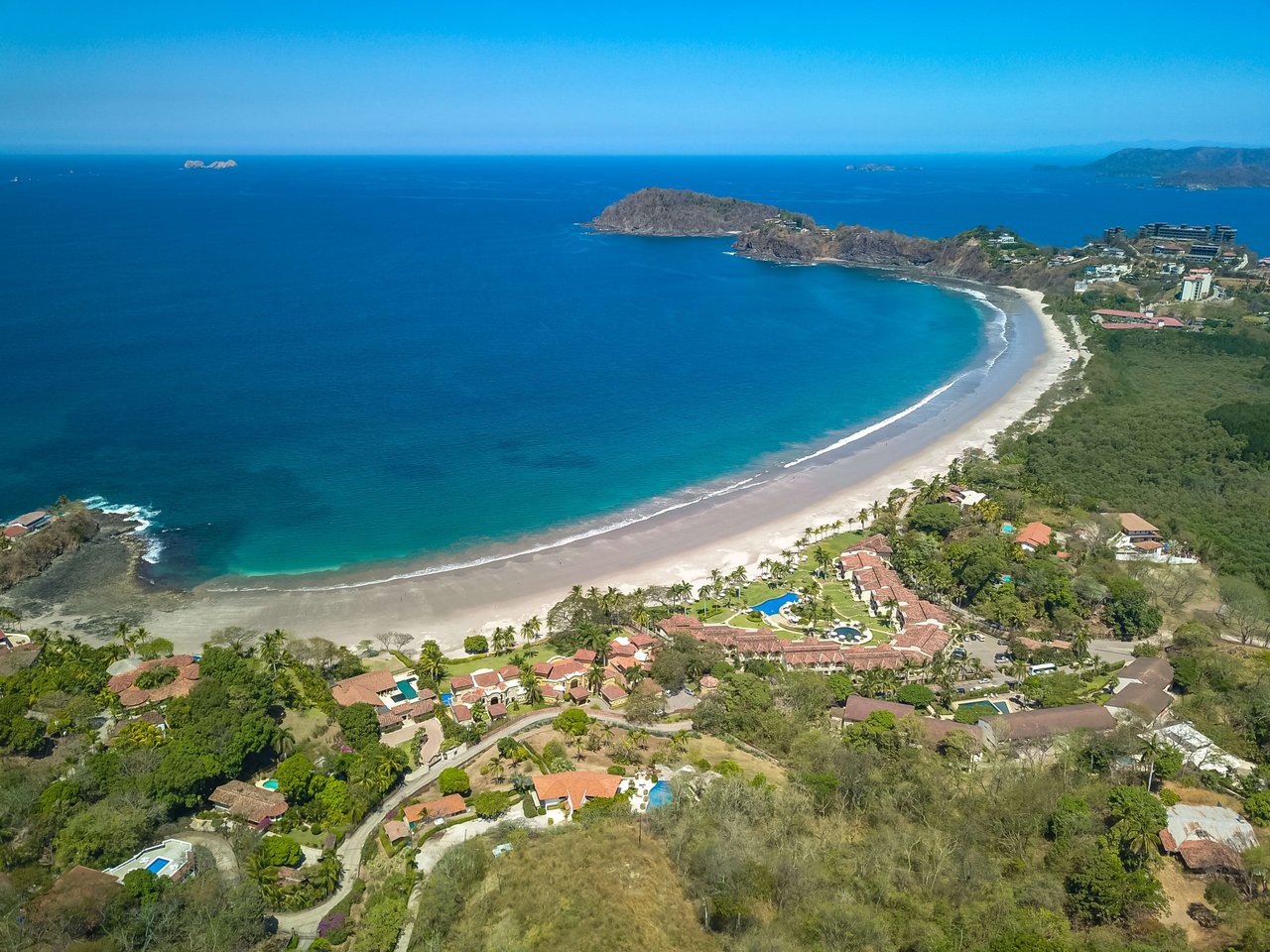
Somewhere around the second week of July, the afternoon storm that has been arriving on schedule since May starts showing up late, then not at all. The road to the park dries between showers. The frogs quiet down. Boats leave the marina at civilized hours because the swell has flattened. If you have lived here a season or two, you know the name for this stretch: the veranillo, or canícula, the little summer inside the green season.
It is the most useful two weeks on the local calendar, and almost no one writes about it as if residents exist. What follows is what to actually do with it while it lasts.
The window itself, briefly
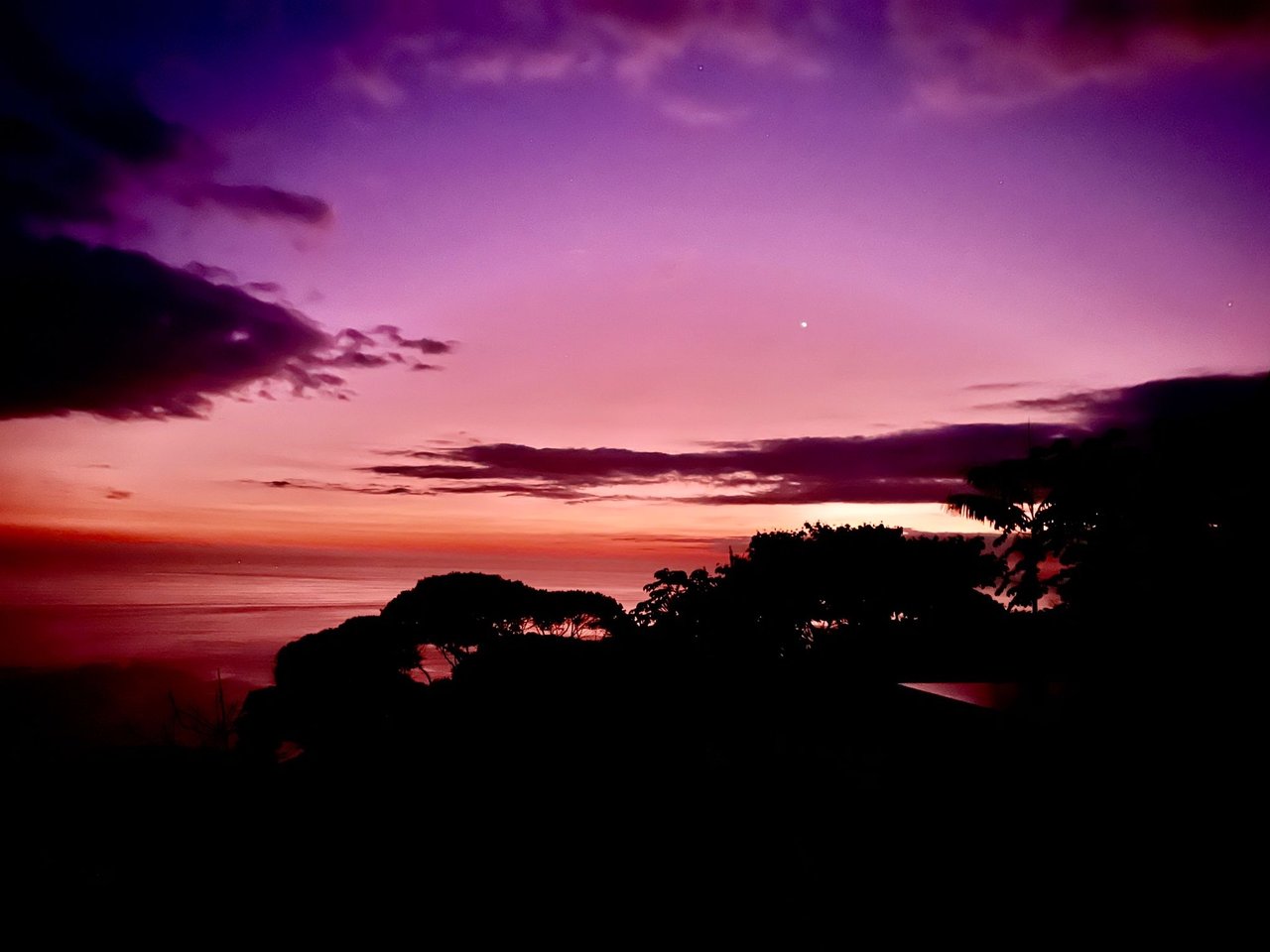
The veranillo is a mid-year dry spell on Costa Rica's Pacific coast when the rains ease for a stretch, most often settling in around the middle of July. It's a strong tendency, not a guarantee, but in most years it delivers the sunniest odds of any wet-season month. The practical upside for anyone who lives here: sunrise stays clean, the ocean lays down, and the trails outside the park drain enough to be walkable by mid-morning.
The catch, according to the same weather guides, is that the dry spell's exact timing and strength vary year to year. So the smart move is to keep mornings loose and pounce when the sky cooperates.
The marina reads different this month
The tournament calendar that owns Marina Pez Vela from January through June has just gone quiet. The Charter Boat Challenge ran May 2 through June 25, 2026, an eight-week event with the weigh station open until 6 p.m. on declared fishing days. The Sailfish Slam, the Rooster Rodeo, the IGFA Open 2026, and even Bisbee's Offshore Tournament Series, casting lines outside Cabo San Lucas for the first time in its 44-year history, all happen in the January-through-May window. Add the tenth anniversary Pelagic Rockstar, which set records earlier this season, and you have a marina that spends half the year hosting championship-level sportfishing.
July is not that. The marlin and sailfish bite softens across June, July, and August, so what remains at the docks is quieter, more social, more resident-facing. This is the month to eat at Runaway Grill on a Wednesday and actually get a table on the balcony, or take a long lunch at Gabriella's and watch the boats drift in without a tournament photographer in your peripheral vision. Cuba Libre, at the same marina, will still turn a fish you brought in that morning into ceviche by lunch. Gelateria Amorosi is where the walk ends.
If you have out-of-town family arriving in August, this is your scouting month. Confirm your menus now while the servers have time to talk.
Whales, before Uvita gets busy
July opens the southern-hemisphere humpback whale season on the central and south Pacific, the year's first whale window since the northern population left in winter. Sightings build toward an August-through-October peak, and the prime base is Marino Ballena National Park near Uvita, roughly an hour south. Some sailing tours out of Quepos begin to encounter them this month as well.
The residents' calculus: the whales are here, but the crowds that will fill Uvita by September aren't yet. A weekday sailing charter out of Marina Pez Vela in mid-July puts you on the water before the school-holiday charter volume hits, and it uses the veranillo's calmer mornings well. If you are going to make the drive down to Playa Ballena and the Whale's Tail sandbar, this is the month to do it without queuing.
The green season is the local's season. The veranillo is the local's window inside it.
Where the food scene actually moves in July
The most interesting change to eating in Manuel Antonio this year is Mercadito Gastronómico Manuel Antonio, the open-air food and lifestyle market that opened on the main road between Quepos and the national park, in front of the Escuela Pública. It is not a farmers' market and not a mall. It is a shared central seating area ringed by small restaurants, boutique shops like Kukula Souvenir and Floristería Bambú, live music a couple of nights a week, a sunset breeze, and free Wi-Fi.
Two things make it worth folding into a resident routine in July. First, it solves the group-with-different-tastes problem: teenagers get burgers from Frankys, someone else grabs Peruvian, everyone sits together. Second, and more useful, Mangata relocated here from central Quepos. Chef and owner Daniel, formerly of the San José scene, is running a Peruvian fusion menu that leans on ceviche, tuna tostadas, and octopus, roughly $15 to $35 a plate, with a terrace that catches the Manuel Antonio sunset the old Quepos location never had. If you had written Mangata off during its downtown years, its new address is a reason to reconsider.
The rest of the map still holds:
- Emilio's Cafe, right before Hotel Mariposa on the road toward Punta Quepos, remains the reliable long-lunch pick. The Eggs Benedict and brioche French toast do the morning work; the sandwiches and homemade baked goods carry the afternoon. Jazz or Latin music on the right night.
- Café Milagro and its sister El Patio de Café Milagro have been here more than 20 years and pour house-roasted coffee. Live music runs Friday and Saturday nights in high season.
- Ronny's Place, up on the farm above town, is where you take visiting parents for the sunset and the private-beach horizon. Reservations recommended in the evening.
- CAVA, Chef Thomas Bernard's Mediterranean-with-a-Greek-lean project, and Victoria's at Tulemar Plaza, next to Tulemar Resort, cover the special-occasion end of the spectrum.
- La Luna at Gaia is still worth the golf-cart ride up the hill, and the 5 to 7 p.m. happy hour in the lounge gets you the setting without the tasting-menu commitment.
- Terrazza by Issimo runs Mediterranean off the endless-pool terrace.
- Shana Restaurant sources roughly 80 percent of its supplies from the Manuel Antonio area, which shows up in what's on the menu that week.
- El Avión, the fuselage-turned-bar on the main road, still has the best casual sunset from the upper deck.
- Falafel Bar stays small and fills up fast; call ahead.
- In Quepos proper, Soda Sanchez is a block from the bus terminal, across from BCR and the Gollo store, and remains the honest answer to the question of where to eat a casado without a view tax.
Nothing here is new information if you have been to any of these places. What is new is that mid-July is the month to visit the ones you keep meaning to try. Kitchens are staffed, service is unhurried, and no one is walking someone through the menu in three languages.
A rain-proof afternoon plan, in case the veranillo skips a year
If the dry spell arrives a week late and you get an actual downpour, the two backups worth building into any July week:
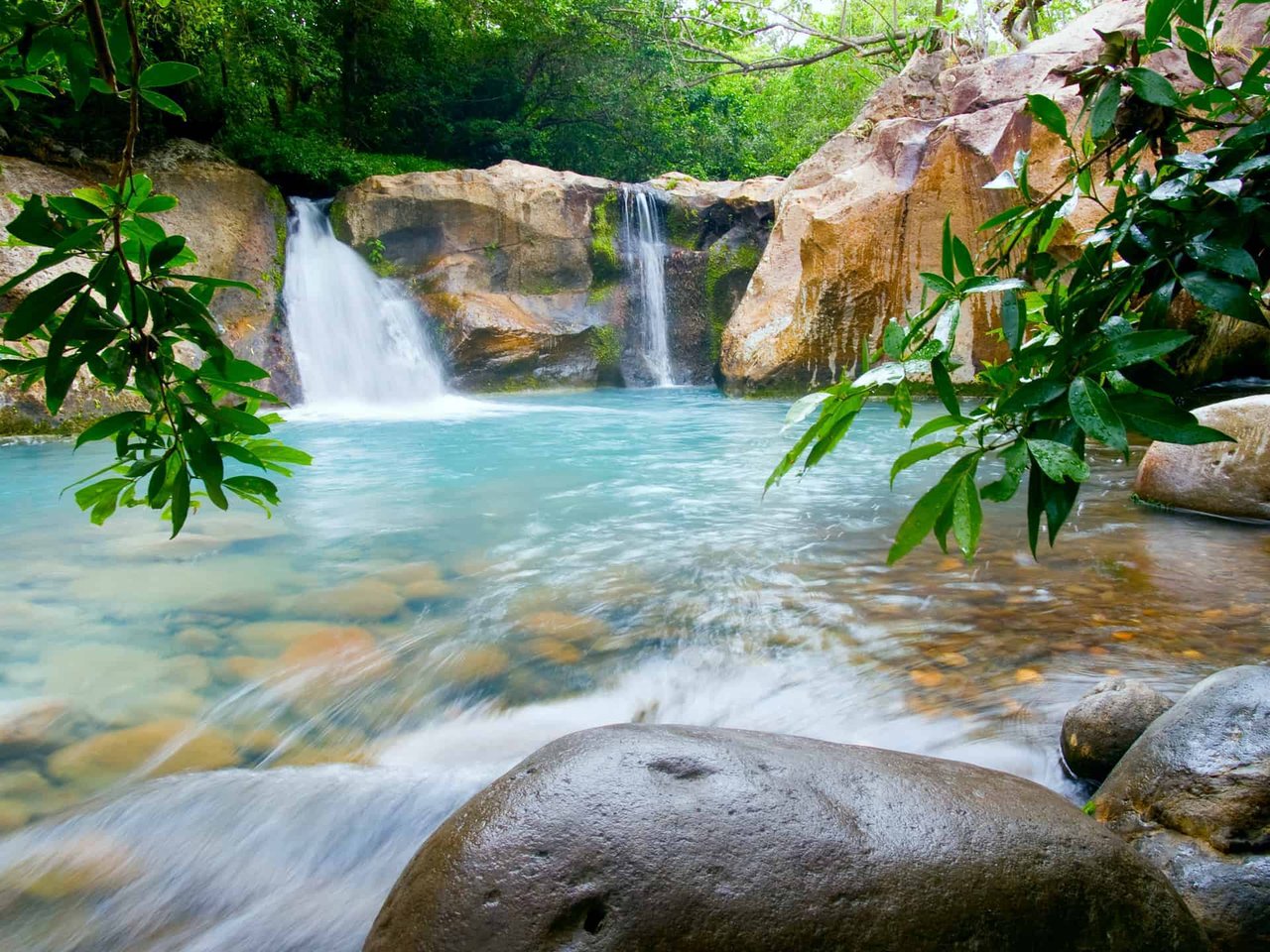
Rainmaker Rainforest Reserve, the private preserve inland from Quepos. Hanging bridges, trails, and full waterfalls that only run at this volume in green season. The canopy gives cover during a passing shower, and it is materially quieter than the national park.
Nauyaca Waterfall Nature Park, roughly 60 to 90 minutes down the coast toward Dominical. The steep road up, then dirt down to the office; the option to be shuttled up and down rather than hike it saves you an hour and a set of calves. The last shuttle out is at 2:30, pickup by 4. Peak-flow month.
Both do their best work between May and November. This is not the season to save them for.
What a resident's mid-July week actually looks like
- Monday morning, Manuel Antonio National Park early, before the summer-holiday tour buses land. Park is closed Tuesdays. Hours 7 a.m. to 4 p.m.
- Wednesday lunch, Marina Pez Vela, choose your table.
- Thursday sunset, Mercadito Gastronómico, split the group across three stalls, sit together.
- Friday morning, sailing charter out of the marina, keep an eye out for the first humpback of the season.
- Saturday, drive to Nauyaca or, if the sky turns, decamp to Rainmaker instead.
- Sunday, Ronny's Place, someone else's parents in town, sunset table on the hill.
The point is not the itinerary. It is that this window closes. By the third week of August, the summer-holiday hotel rates hold, the wildlife gets busier, and the daily rain settles back in for its long September push. Mid-July is the deal.
When you decide this becomes home
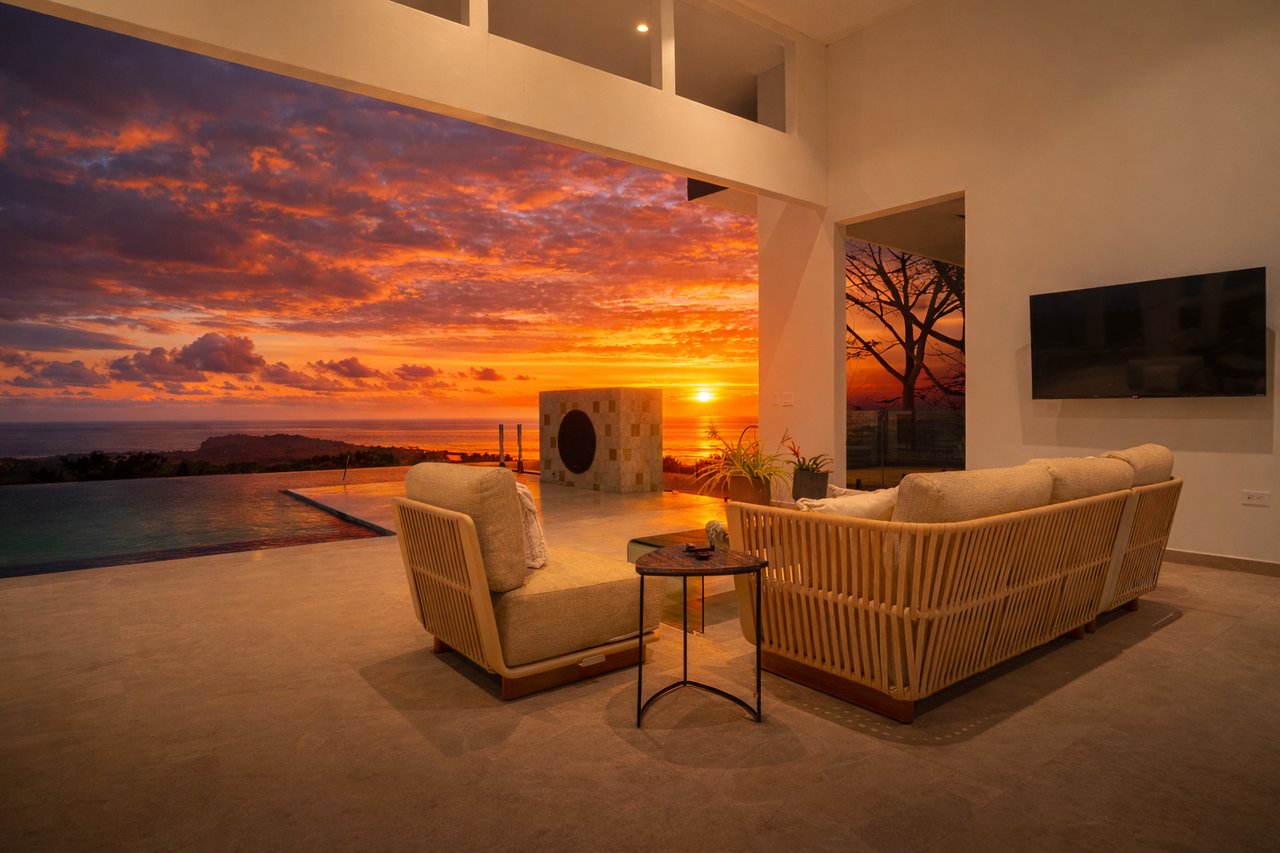
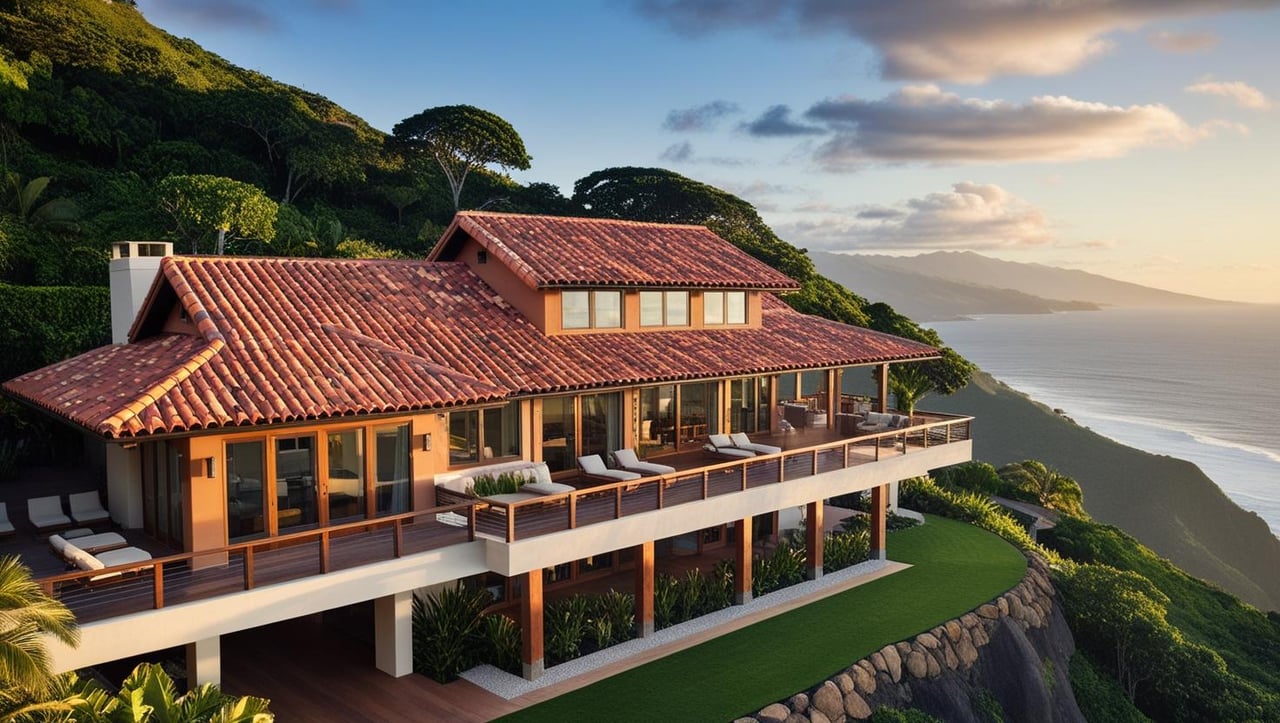
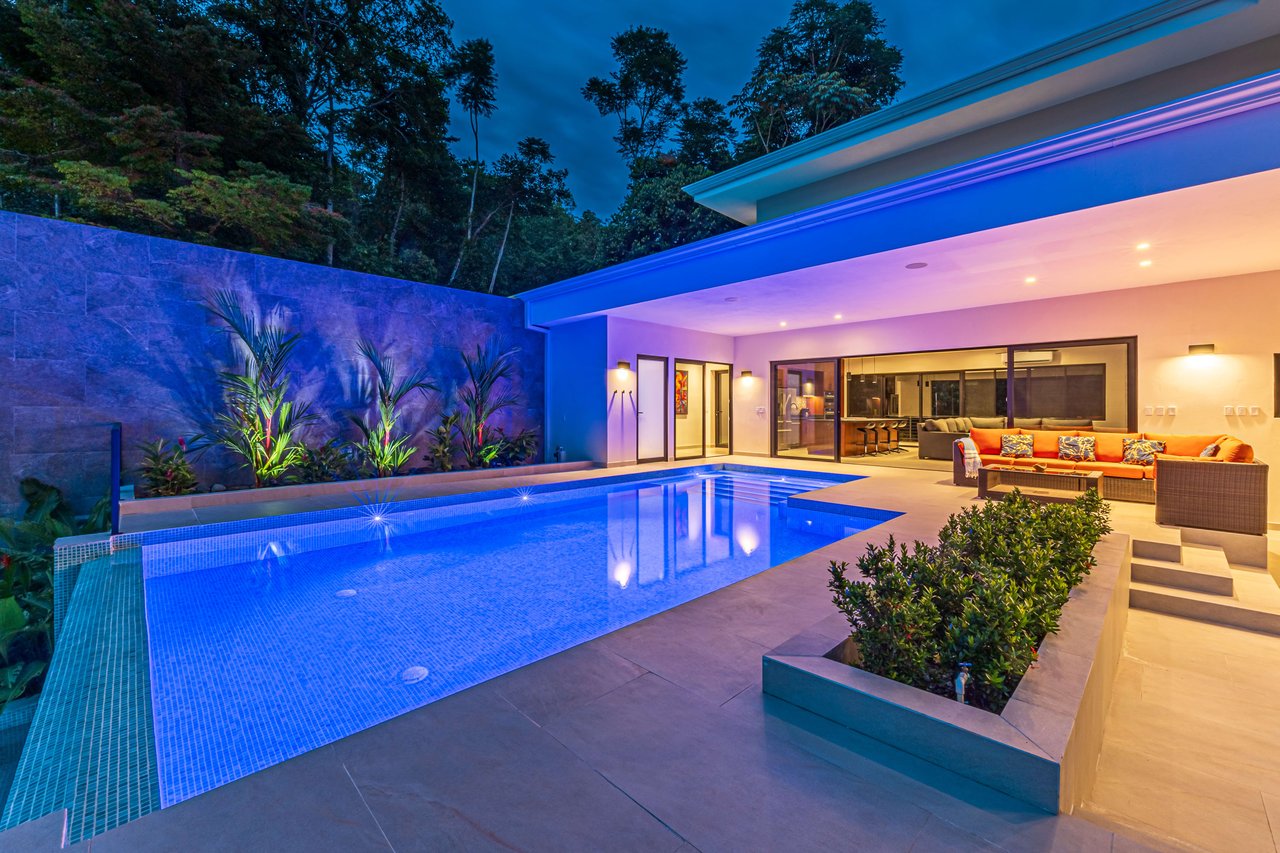
If you have spent a few veranillo seasons here and started noticing that your weeks look less like a vacation and more like a life, that is usually the signal. The team at Blue Zone Realty International works with buyers, sellers, and long-term visitors across Manuel Antonio, Quepos, Dominical, Uvita, and Ojochal, and we are happy to talk through what the ownership side of this coast actually looks like, from titled residences near the marina to hillside homes above the park. Schedule a private consultation when the timing is right.