The headline number a buyer sees for Costa Ballena in 2026 is a regional average sale of about $507,000 across 184 closed deals in 2025. That figure describes almost nothing you can actually buy in Uvita.
Two markets sit inside it. One is a walk-to-beach home segment where supply is capped by geography and the Maritime Terrestrial Zone. The other is a ridge-top land segment where inventory keeps growing and absorption is slow. A budget between $500,000 and $1.2 million puts you into one of those markets, not both, and the diligence order changes with the segment.
The friction that shows up first at the offer stage
The most expensive mistake in Uvita right now is not overpaying. It is writing an offer on the wrong side of a boundary a listing photo cannot show you.
Costa Rica's Maritime Zone Law places the first 200 meters inland from the mean high-tide line into state hands. The first 50 meters is public and cannot be built on. The next 150 meters is concession-only, which is a renewable use-right ratified by the municipality rather than a fee-simple deed. A foreign national who has been a legal resident for fewer than five years cannot hold a concession directly, and a Costa Rican corporation holding one must retain at least 50 percent local ownership, with some legal sources citing 51 percent. If a property sits inside that strip, the transaction is not a normal purchase and the timeline, cost, and exit look different. That single question, titled or concession, is where a buyer's attorney should start before price, view, or condition ever enter the conversation.
What the 2025 close data actually says
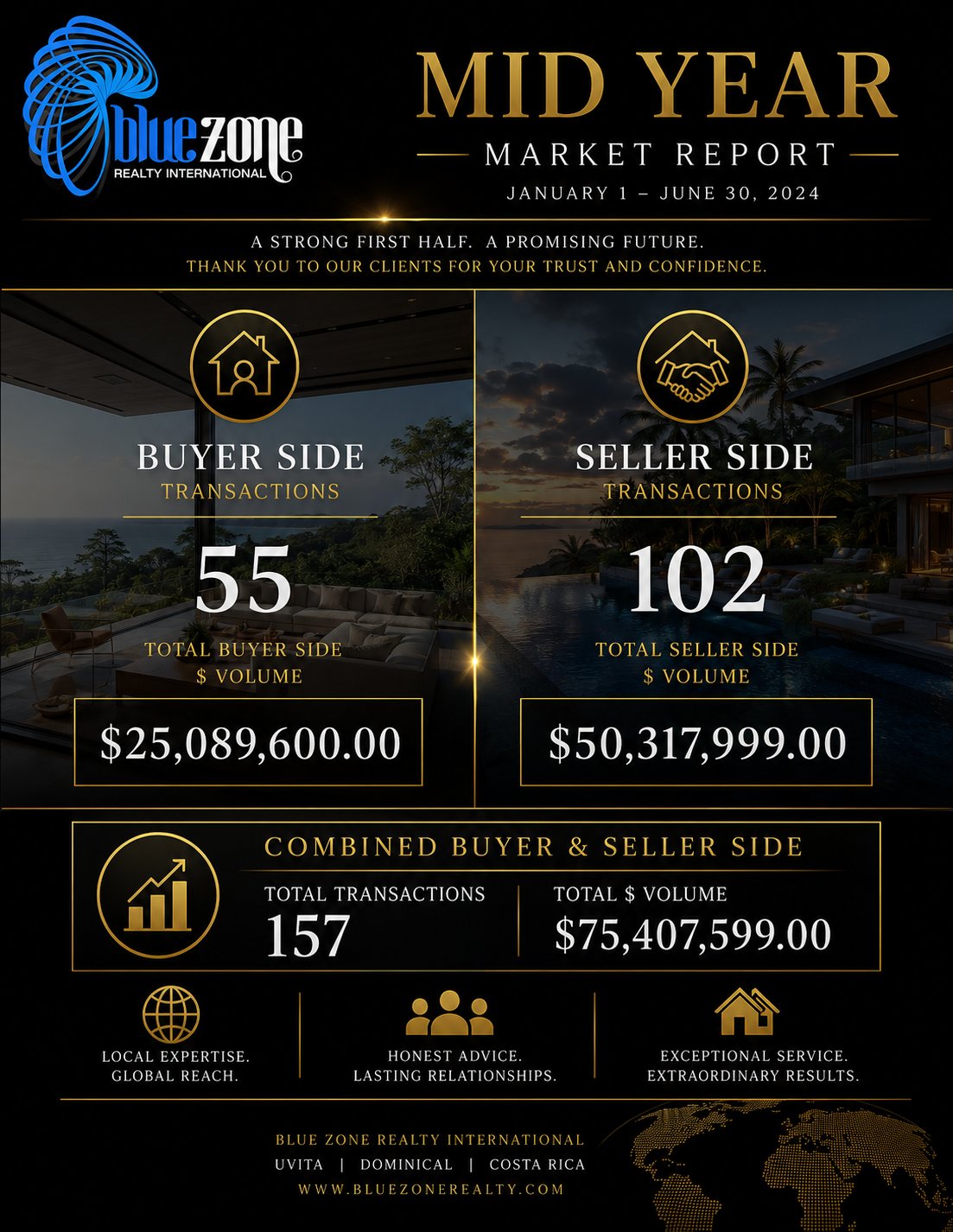
Costa Ballena closed 184 transactions worth $93.25 million in 2025, up from 171 deals but down from $100.91 million in prior-year volume. More sales at lower average dollars is not a soft market. It is a mix shift. Buyers moved down the price ladder and away from the top.
The pricing behavior underneath is where the mechanism becomes readable. About 44.6 percent of 2025 closings involved at least one price reduction, and the timing of the first cut mattered more than the size. As of early 2026, the region held roughly 907 active listings representing close to $900 million in asking value, with vacant land accounting for more than 40 percent of that inventory. Uvita, Ojochal, and Dominical together carry about two-thirds of the total inventory value.
The regional average is a weighted mix of what closed. The regional inventory is a snapshot of what did not. When land is 40 percent of the shelf and a shrinking share of the checkout, the "average" price starts to describe the pile, not the sale.
Why walk-to-beach under $1.2 million keeps clearing
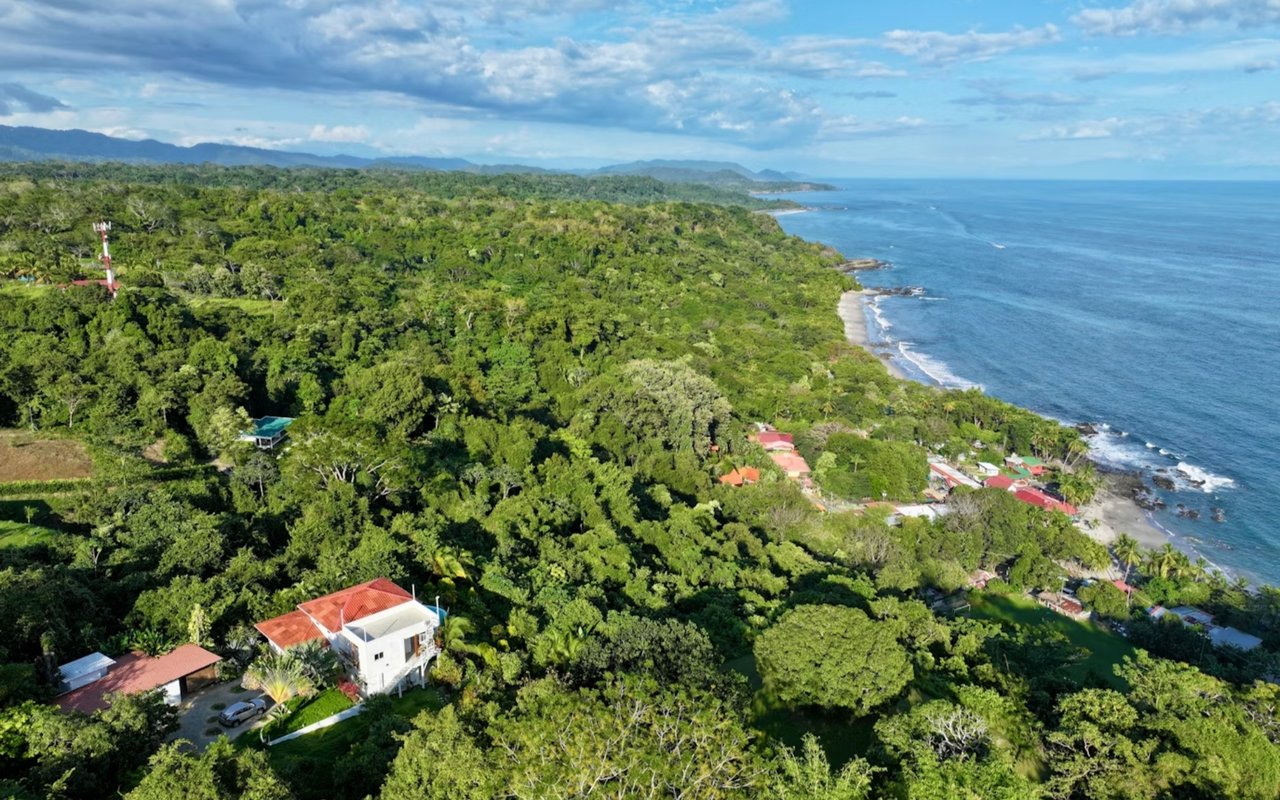
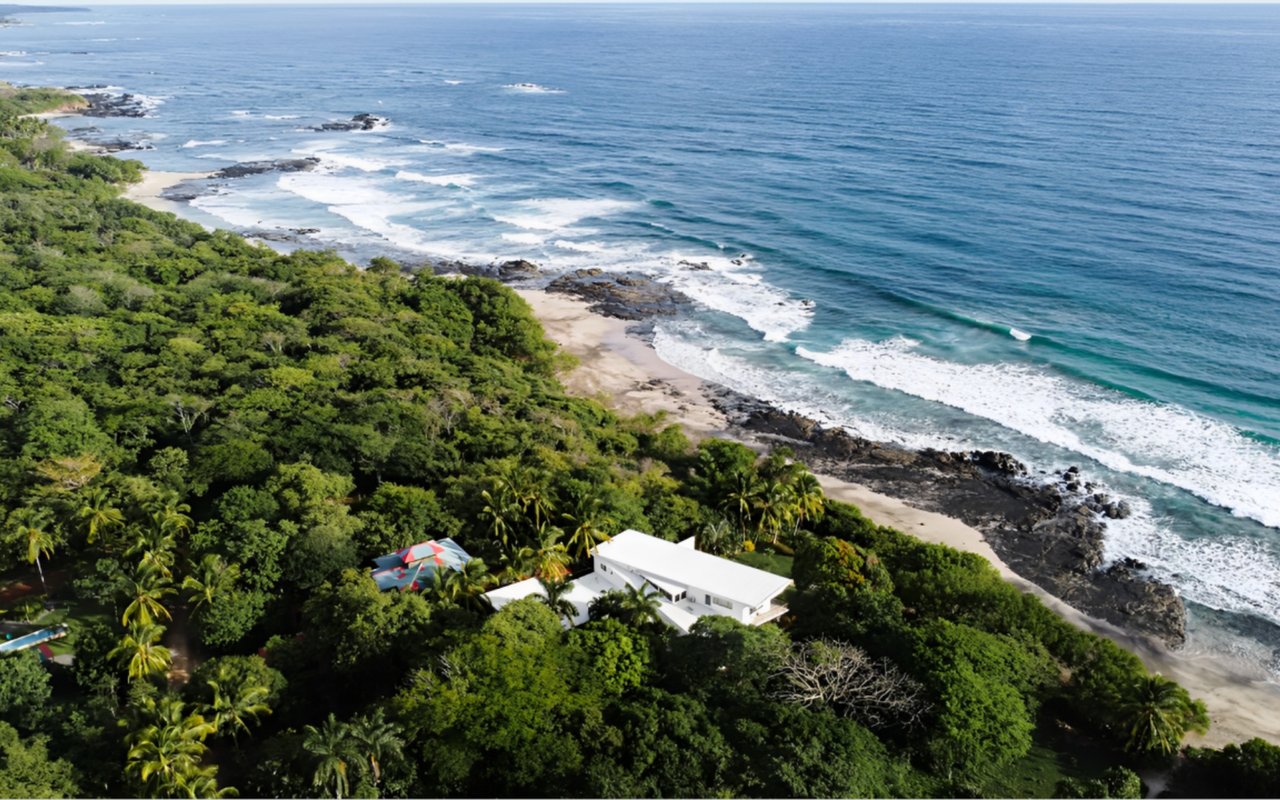
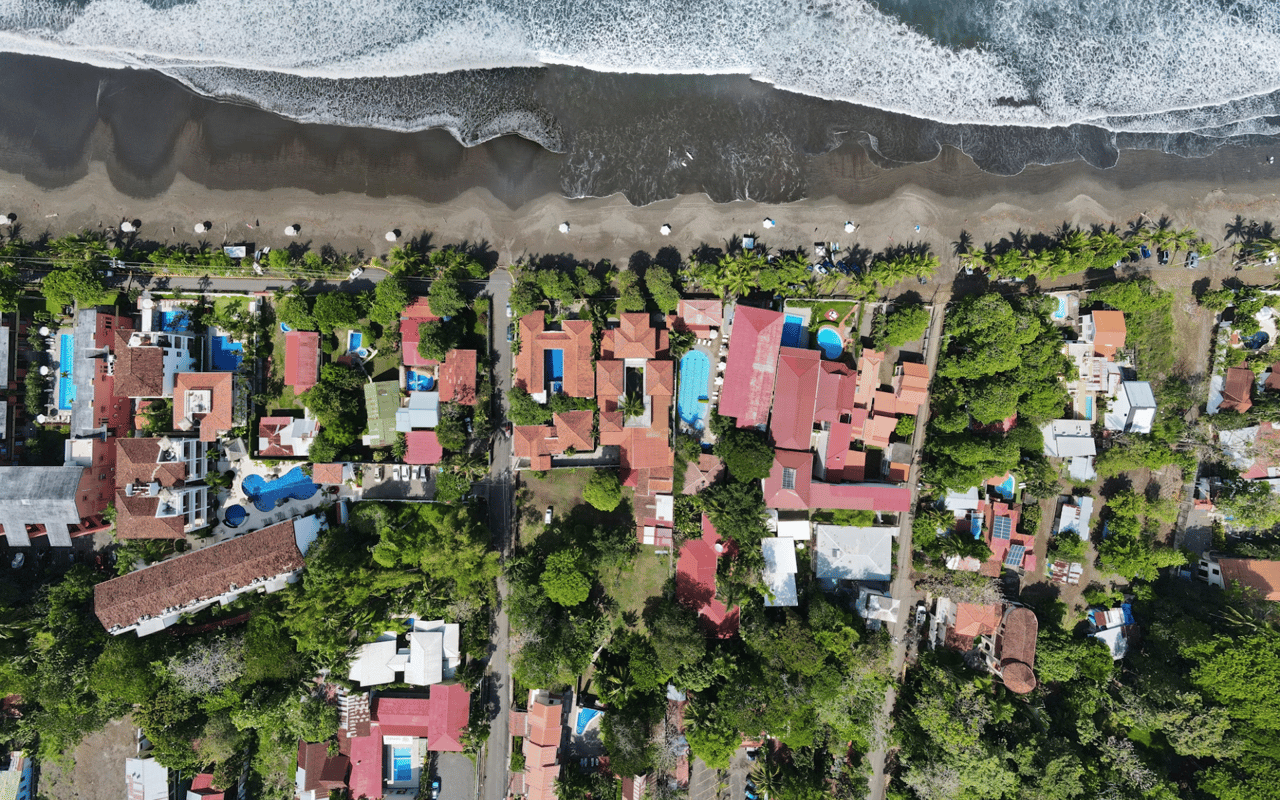
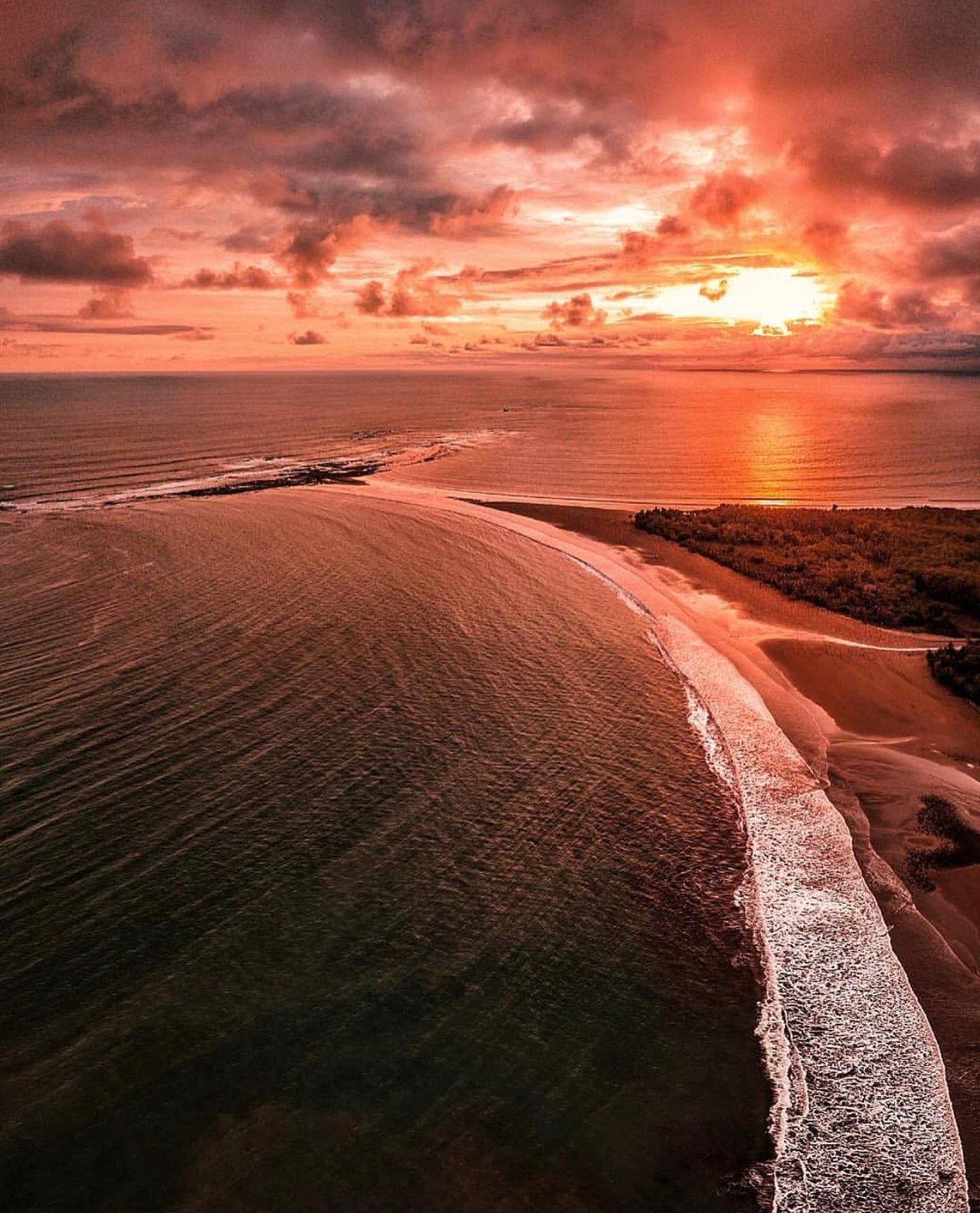
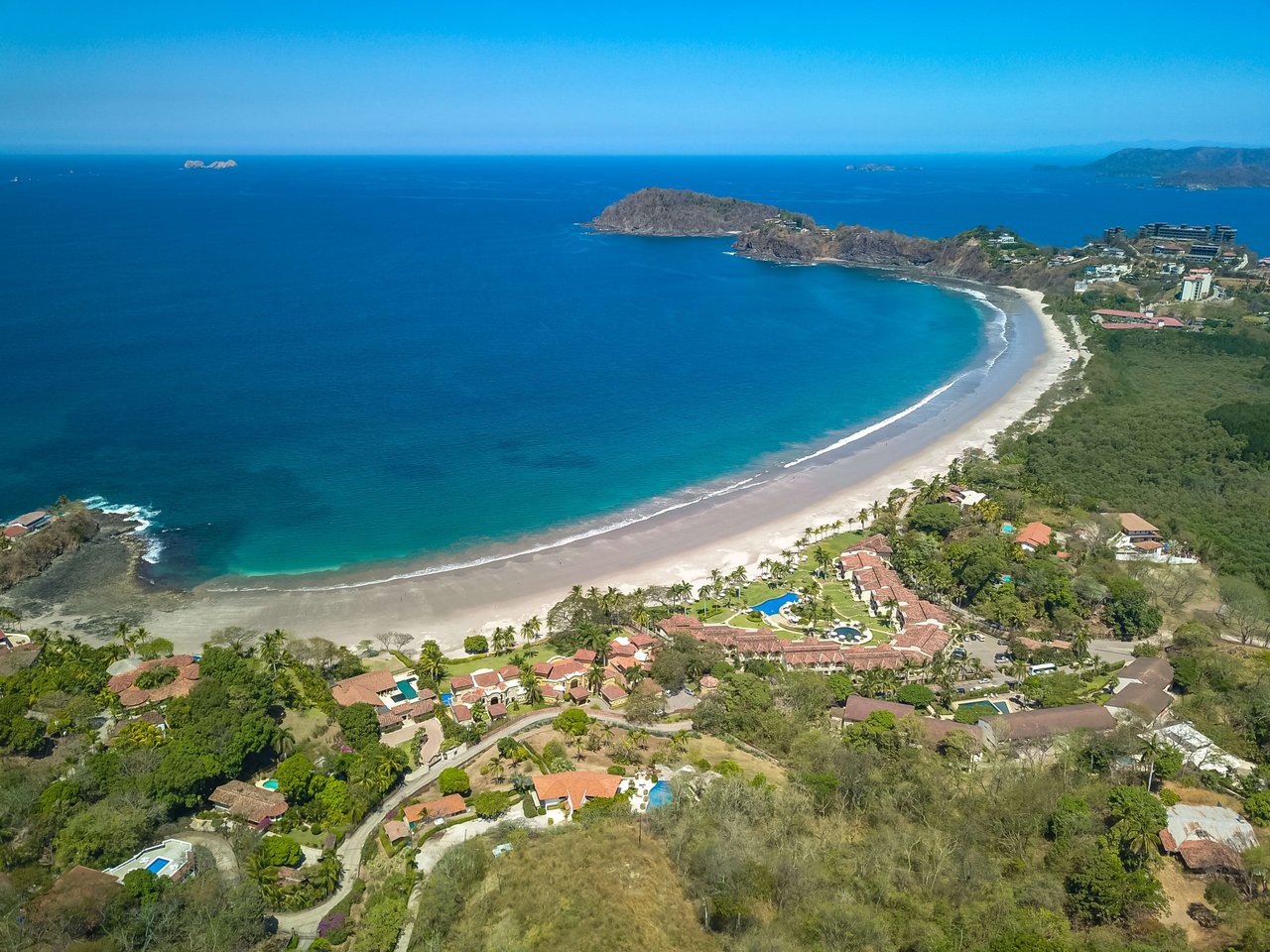
Playa Uvita, Playa Colonia, Playa Hermosa, and the flats behind Bahía sit against a national park boundary and a coastal law that will not permit more of them. Marino Ballena National Park protects roughly 13,500 acres of coastline and reef, including the Whale's Tail sandbar. That protection is not just scenery. It is a zoning ceiling that limits high-density build-out on the parcels ringing the park.
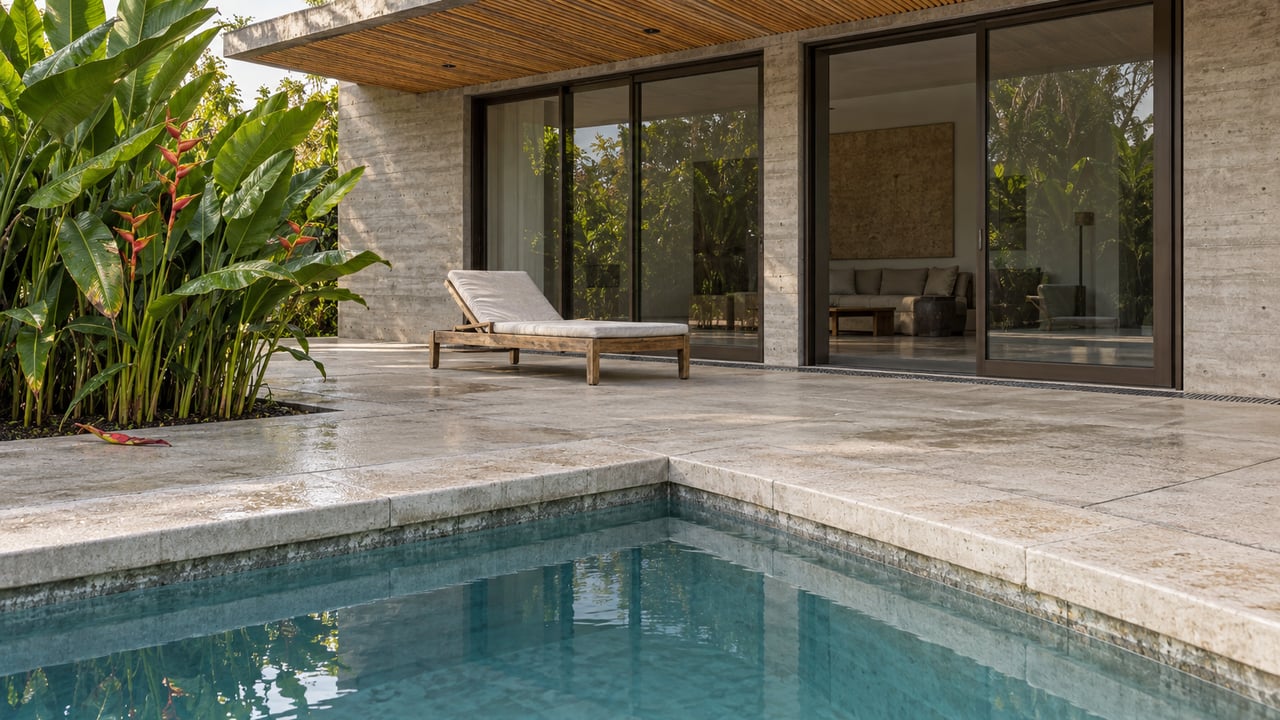
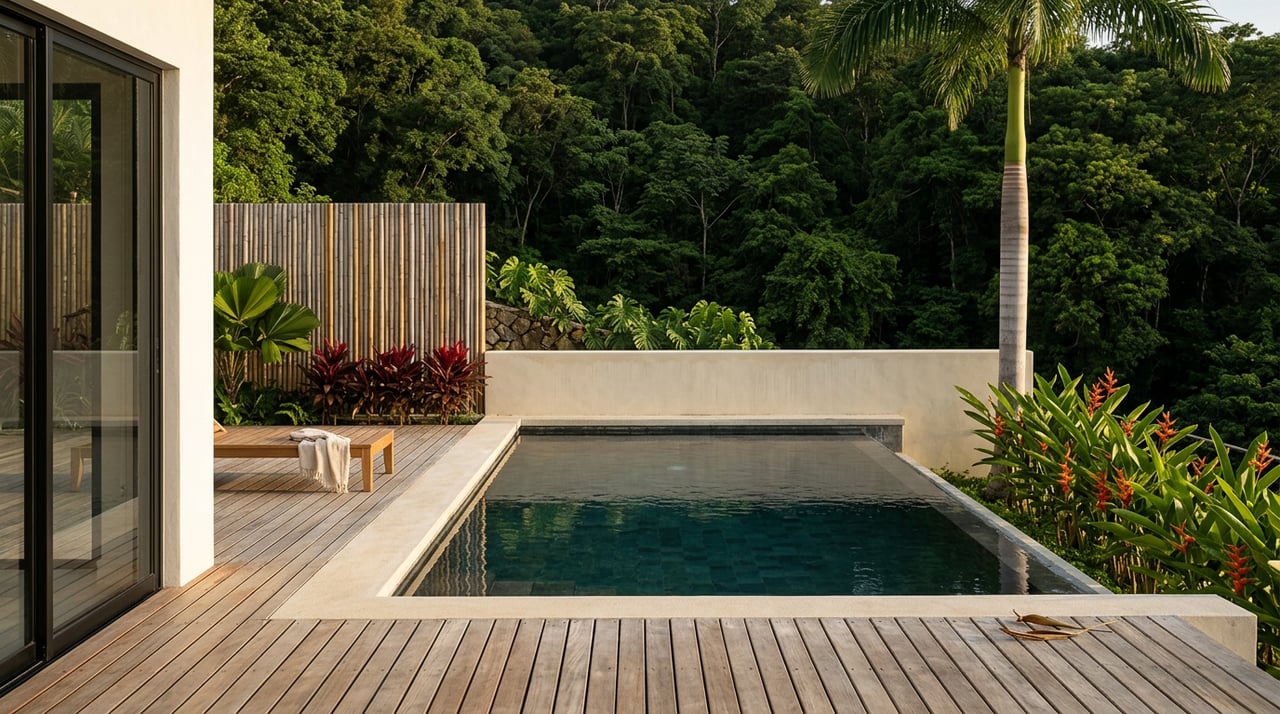
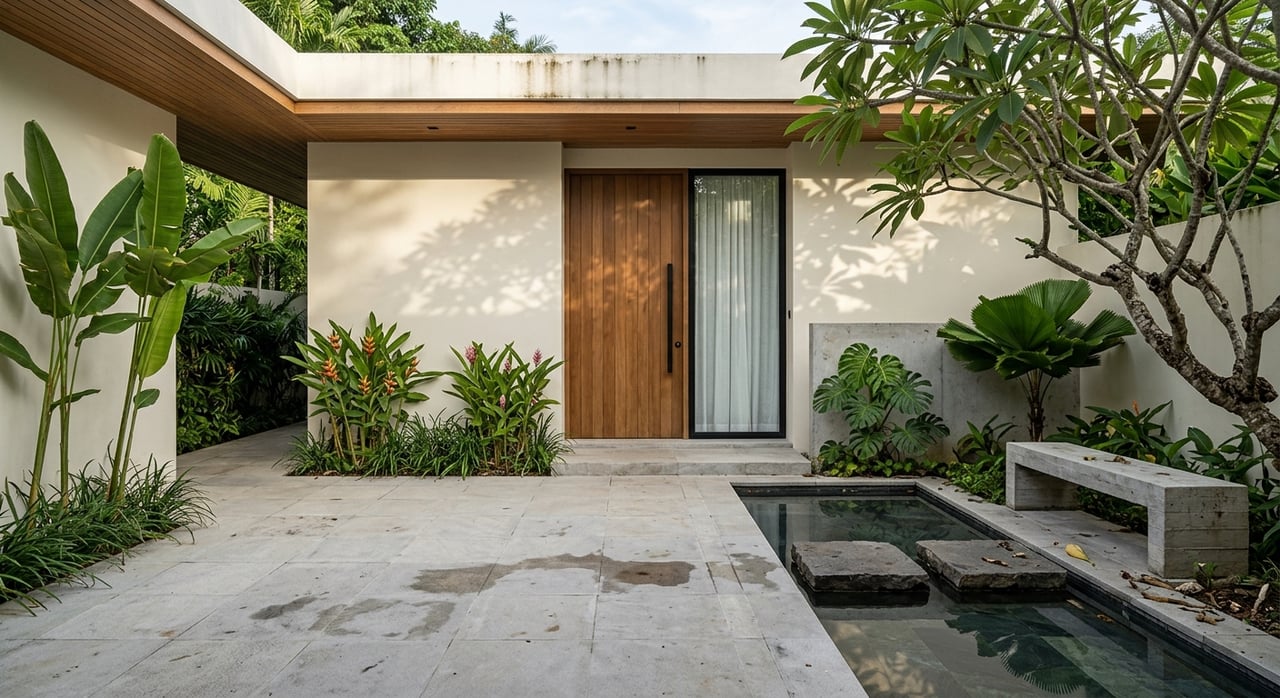
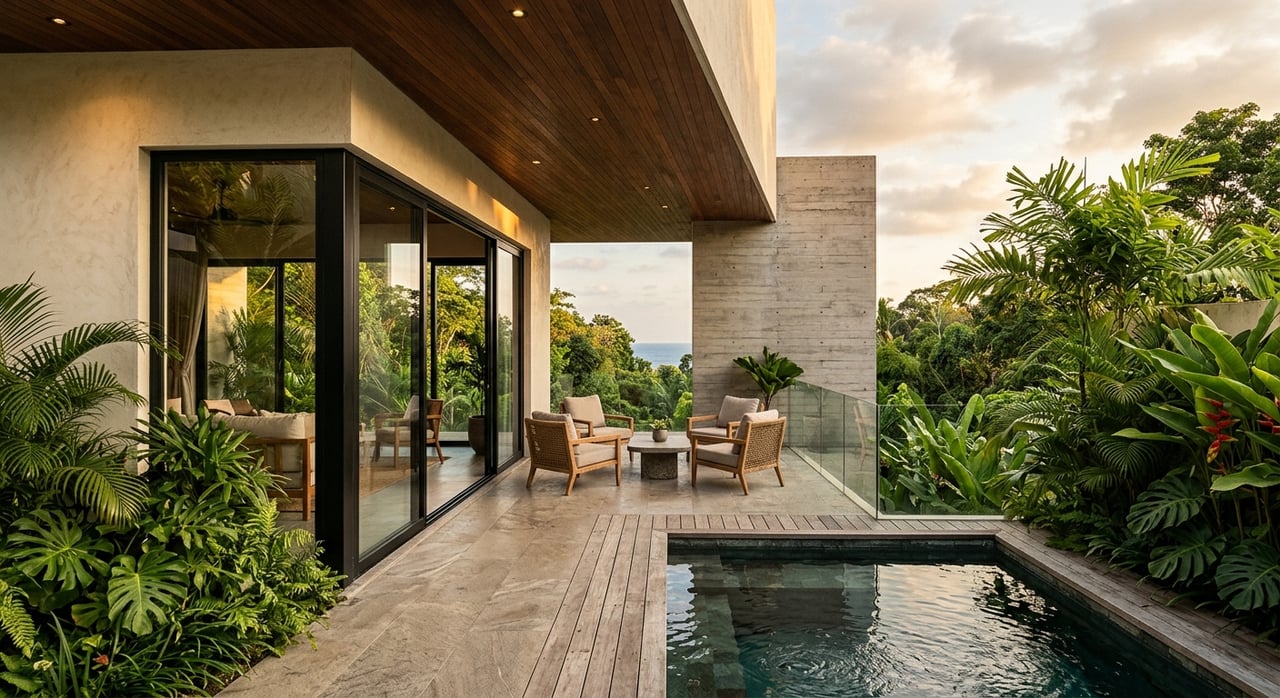
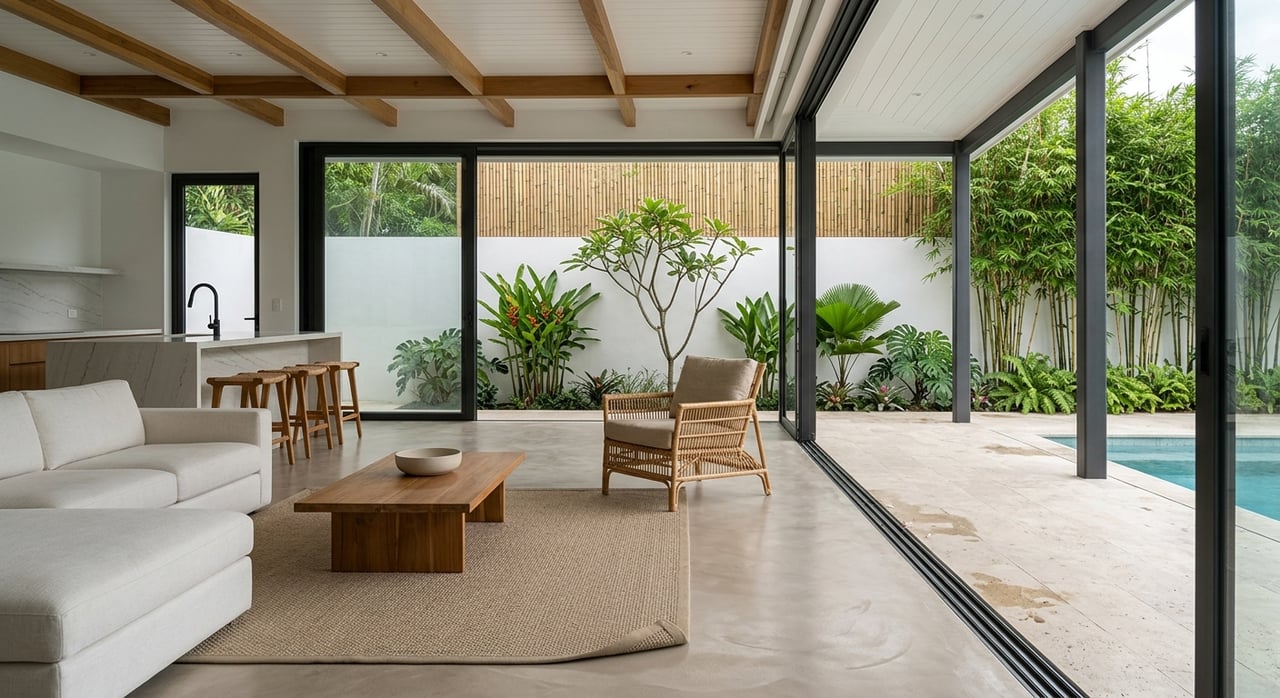
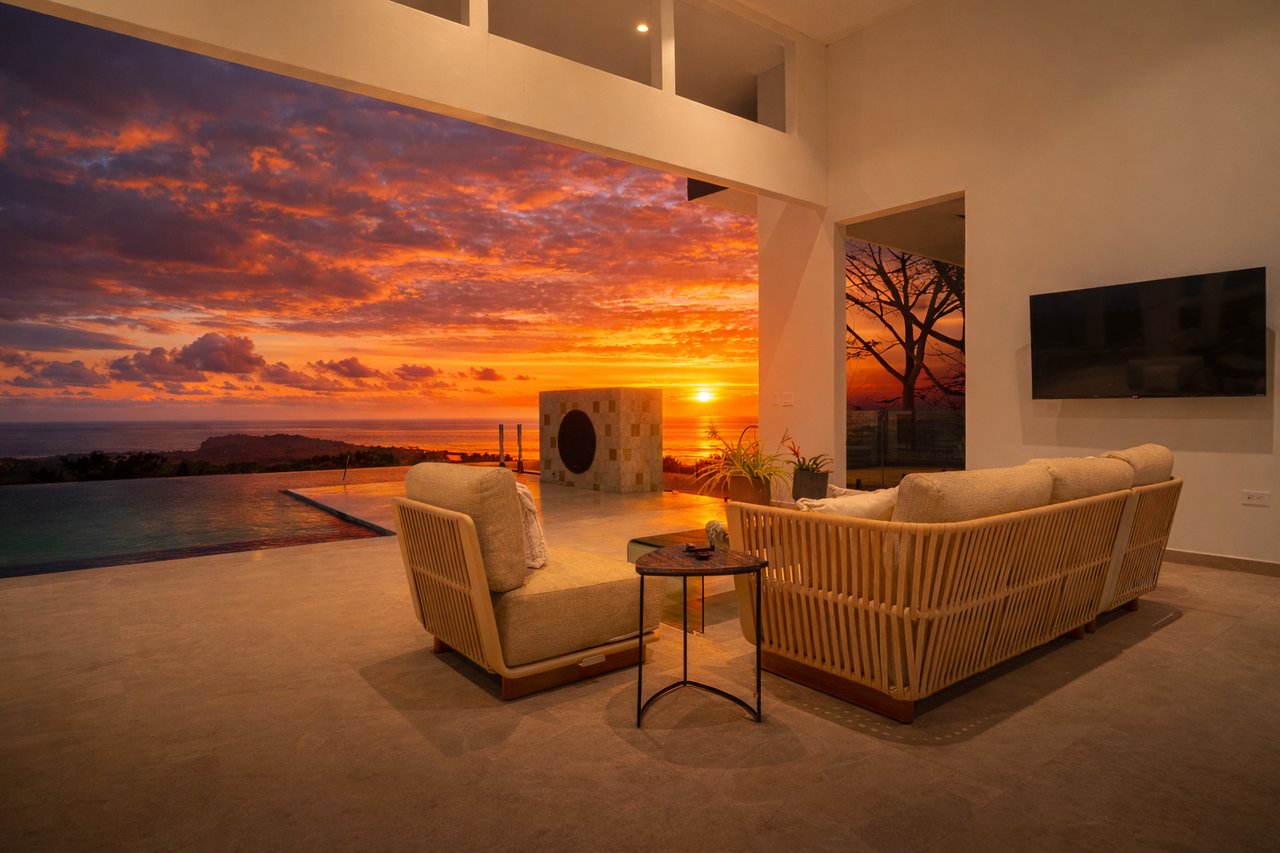
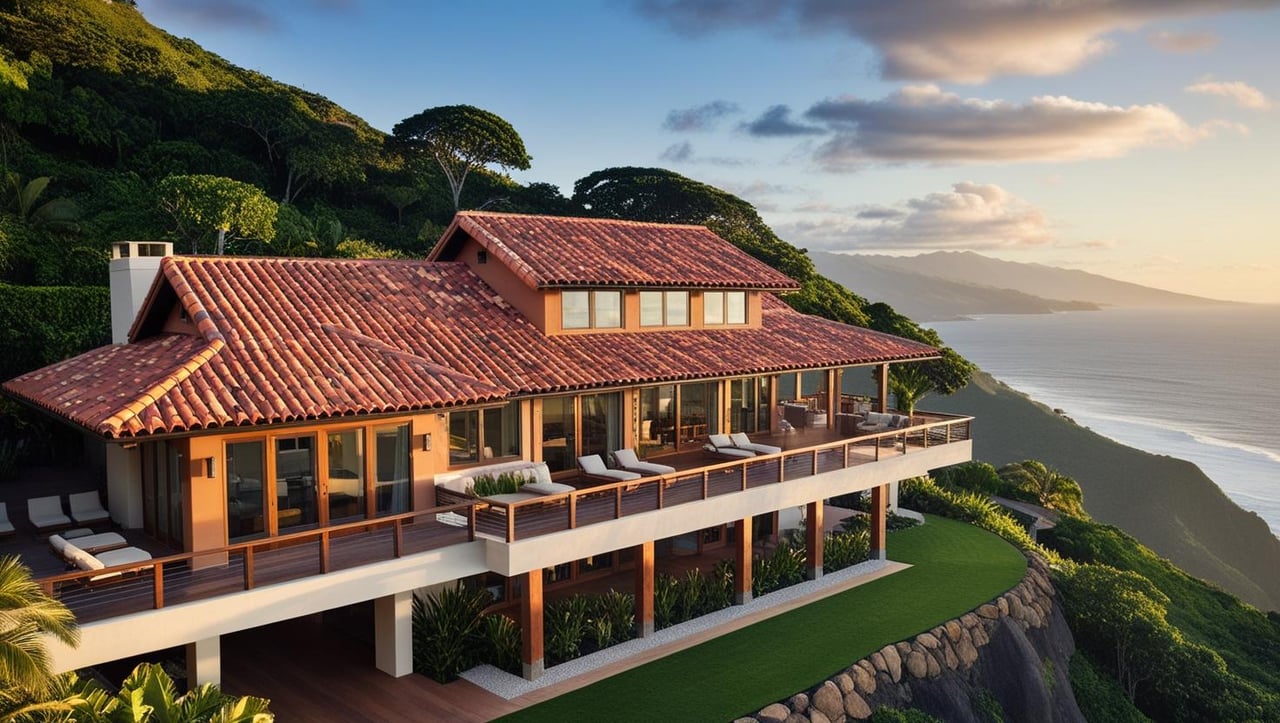
Inside the walk-to-beach band, the $500,000 to $1.2 million tier delivers a specific product: a two- or three-bedroom home on a sloped lot, an upper-floor ocean view, and the beach reachable from the gate on foot. Whale-watching seasons from July through October and December through April keep occupancy windows longer than a single-season beach town would produce. The result is a segment where the scarcity story is real and buyers behave accordingly.
The characteristics that keep clearing in this tier tend to share four features:
- Walkable beach access to Playa Uvita, Playa Colonia, Playa Hermosa, or Bahía, not a drive
- Confirmed ASADA water letter, not a promise of future connection
- Titled fee-simple parcel outside the 200-meter ZMT
- Elevation, drainage, and slope engineering appropriate to the CNE flood-risk mapping for Osa
Sellers holding those four attributes and pricing to 2025 comps, not 2022 peak comps, are the ones closing.
Why ridge-top land is sitting even at attractive prices
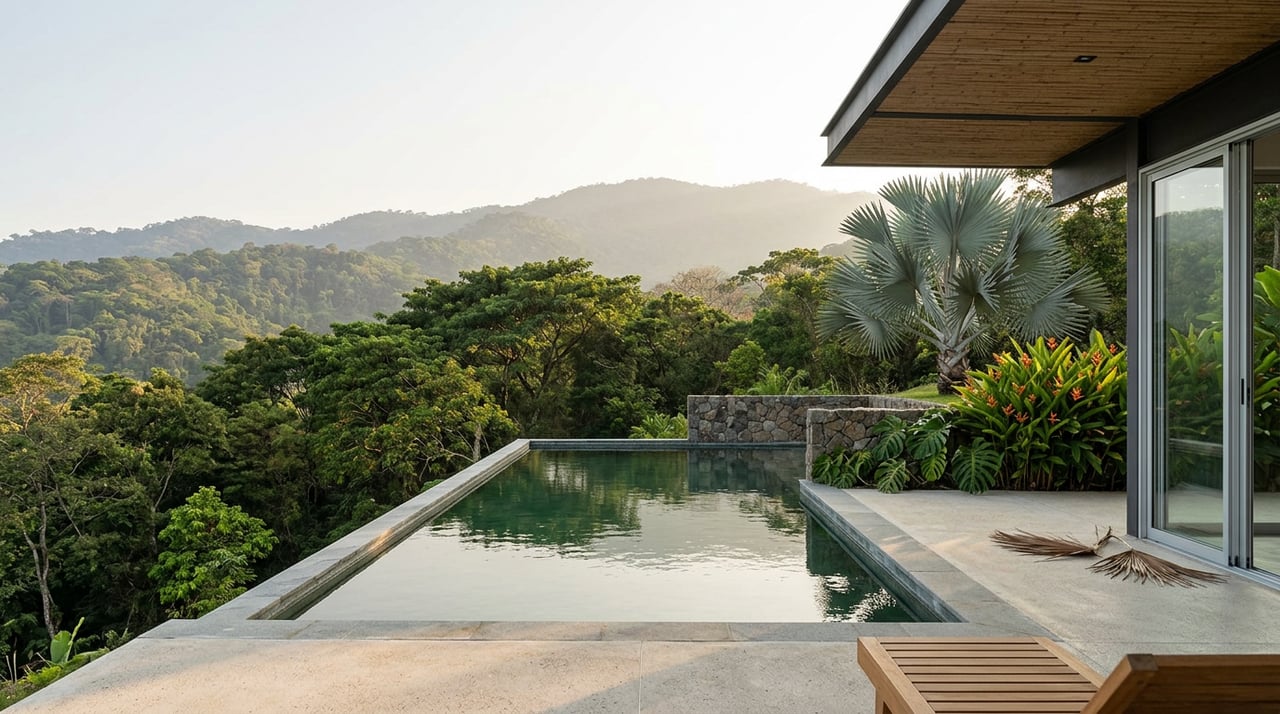
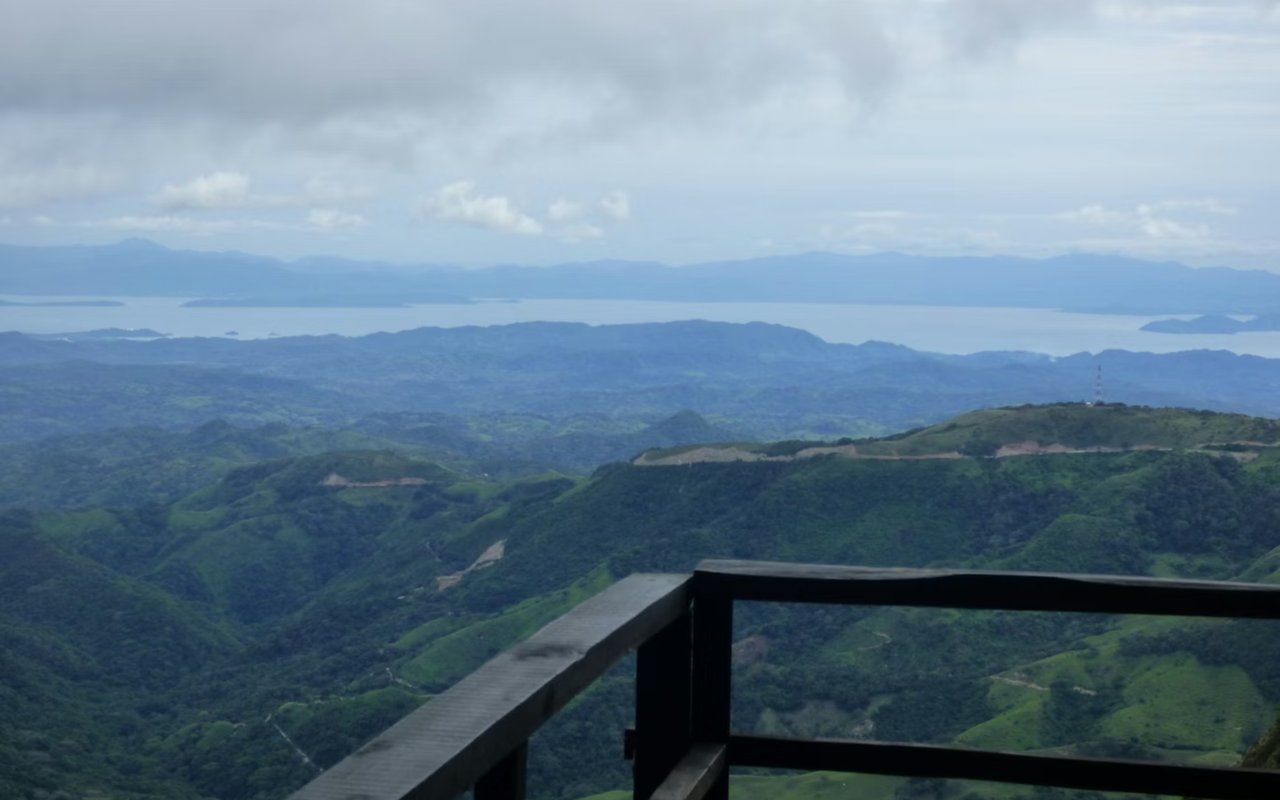
Above town, the hillsides that produce the panoramic listings behave differently. Land is more than 40 percent of Costa Ballena's active inventory, and absorption there has stayed weak through the shift into 2026. A price cut on a view lot does not reliably produce a buyer, because the buyer for that lot is not comparing it to another lot. They are comparing it to a finished home at a similar all-in cost.
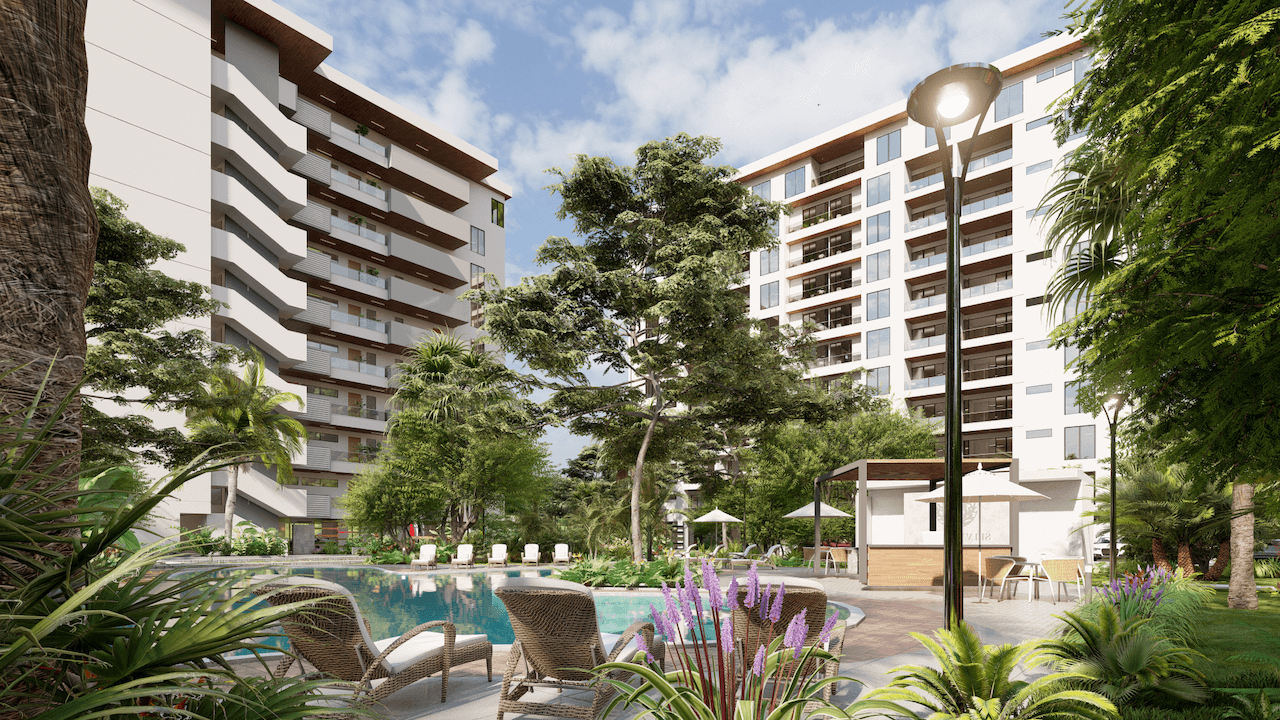
That comparison rarely favors the lot. A ridge-top build in Uvita carries slope engineering, wastewater design, ASADA availability review, and the CNE Osa hazard file, which recognizes portions of the area for flood exposure and identifies seismic and landslide considerations along the coast. The coastal plan even notes that elevated construction may be appropriate in lower-slope areas so water can pass beneath the structure. None of that is a reason not to build. It is a reason a rational buyer with a two-year horizon picks a completed home over a lot when finished inventory is abundant. Land absorption is not broken. It is losing a fair fight to the resale shelf.
For a seller of view land, the practical read is that the reference price is not the last comparable land sale. It is the delta between the buyer's total build cost and the cheapest turnkey home with a similar view. When that delta narrows, the lot moves. When it widens, it sits regardless of the number of price reductions.
The diligence order that matches this split market
The neighborhoods most buyers evaluate inside Uvita are Uvita Centro along Route 34, Bahía toward the park entrance, San Josecito on the hillside above, Villas del Sol as an established residential pocket, and the flats around Playa Hermosa. Each carries a different first question. A concierge diligence sequence that respects the split market looks like this:
- Confirm titled versus concession status by pulling the parcel at the Registro Nacional and, if coastal, requesting the full concession file from the municipality before negotiating price.
- Verify ASADA water availability in writing. Legal water is a first-order gate for both a build and a rental permit, and it is not interchangeable with a well.
- Check the applicable plan regulador and use-of-soil for the parcel. Municipal regulatory plans in Costa Rica vary in ratification status, and grey areas around what can be built are real.
- Order a survey that matches the physical footprint to the registered plano, and cross-check easements and legal access.
- Review the CNE Osa hazard mapping and the coastal plan for flood, slope, and setback considerations before design spend begins.
That order is different from the order most out-of-country buyers work in on their own. It puts the questions that can kill a deal at the front, where they are cheap to answer, and leaves aesthetic questions for after the legal and physical envelope is clear.
Frequently asked questions
Is Uvita a buyer's market or a seller's market in 2026? Neither label fits the whole market. Walk-to-beach homes priced to 2025 comps and cleared for the four diligence gates above tend to behave like a seller's segment on realistic pricing. Ridge-top land and villas anchored to peak-cycle comps behave like a buyer's segment, which is why nearly half of 2025 regional closings included at least one price reduction.
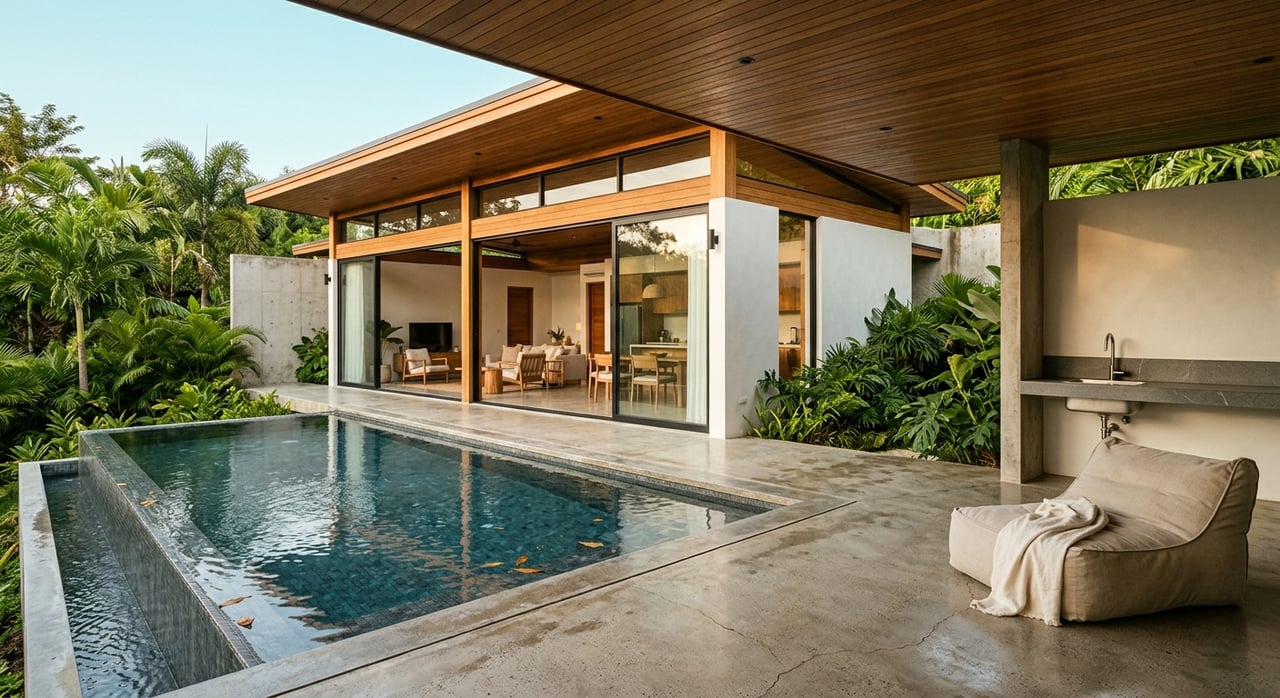
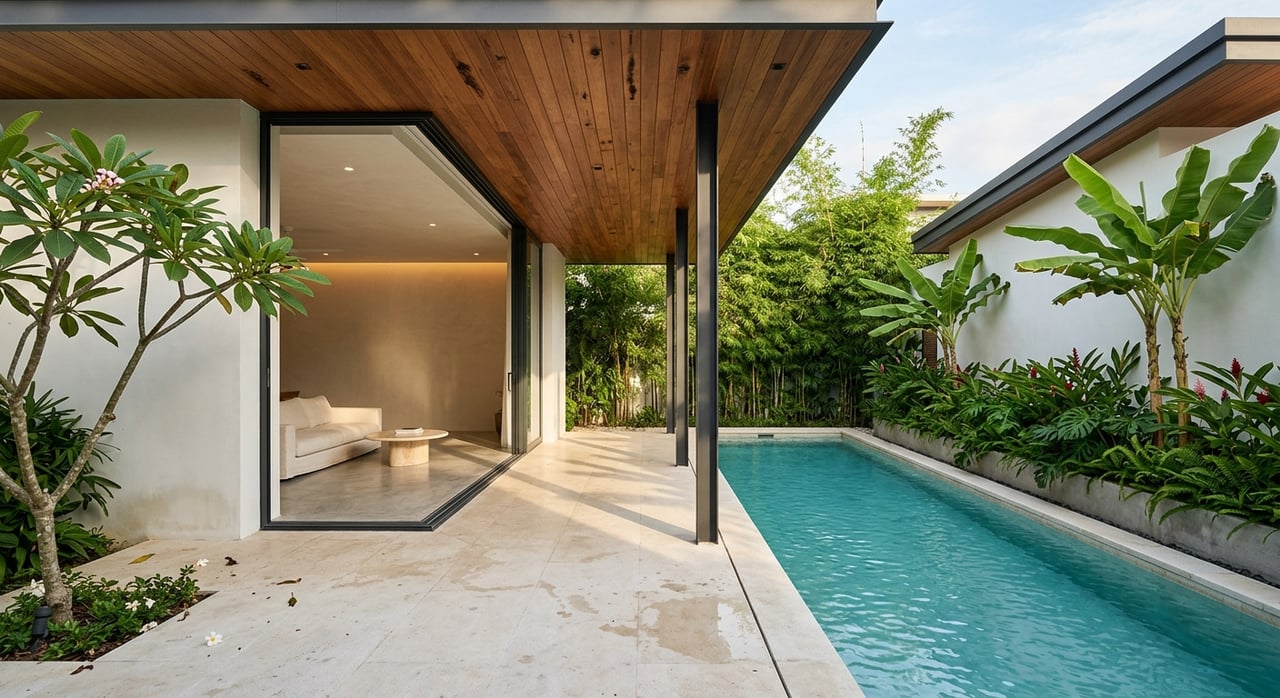
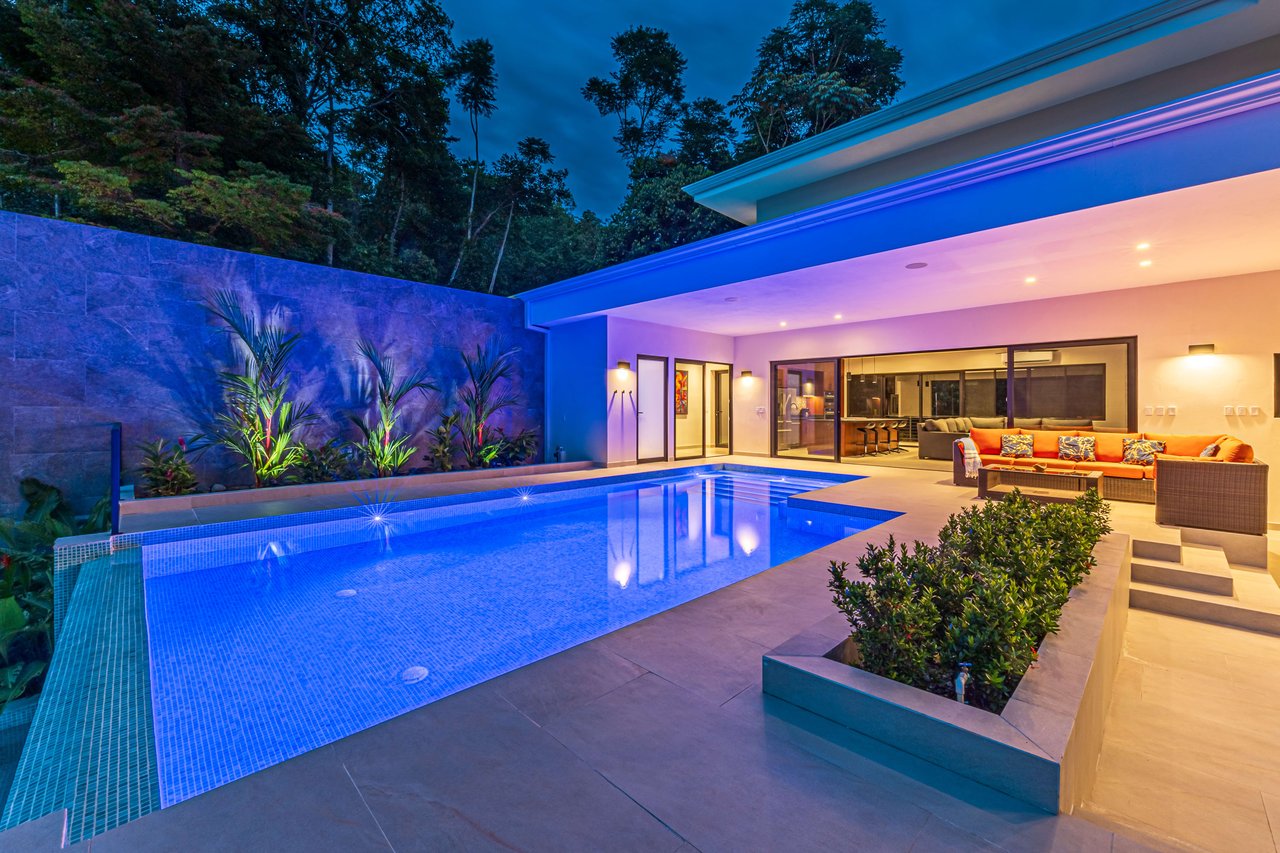
What does $700,000 to $1.2 million actually buy in Uvita today? In that band, buyers are typically looking at three- to four-bedroom ocean-view homes with pools and modern finishes, or premium beach-adjacent properties in Bahía and near Playa Hermosa. The same budget on the ridge above San Josecito buys a larger lot with a bigger view, but the total delivered cost after build is not comparable, which is exactly why the ridge segment is slower to move.
How does the Maritime Zone rule change if I use a Costa Rican corporation? A corporation is the standard structure foreign buyers use to hold a concession, but the corporation must retain at least 50 percent Costa Rican ownership, with some sources citing 51 percent, and shares cannot be freely transferred to foreign owners without invalidating the concession. This is a legal-counsel conversation, not a workaround.
Why is regional inventory so heavy on land if land is slow to sell? Vacant land accumulated during the post-pandemic cycle when buyers underwrote future builds. The market has since re-priced completed homes as the scarce asset, so land inventory sits longer while home inventory turns. That gap is the single most useful signal in the 2026 data.
Working from here
If you are comparing Uvita against Dominical, Ojochal, or the Manuel Antonio corridor, the useful question is not what the regional average says. It is which specific segment your budget puts you into, and which diligence gate is most likely to move your timeline or your price. That answer is different in Bahía than it is above San Josecito, and it is different again on a concession parcel near the park.
Bluezone Realty International works with international buyers and sellers across Uvita and the wider Southern Pacific Zone, coordinating attorneys, escrow, ASADA and municipal reviews, and market-based valuations from a single point of contact. Schedule a private consultation to walk through the segment that fits your budget and the diligence order that fits the parcel.