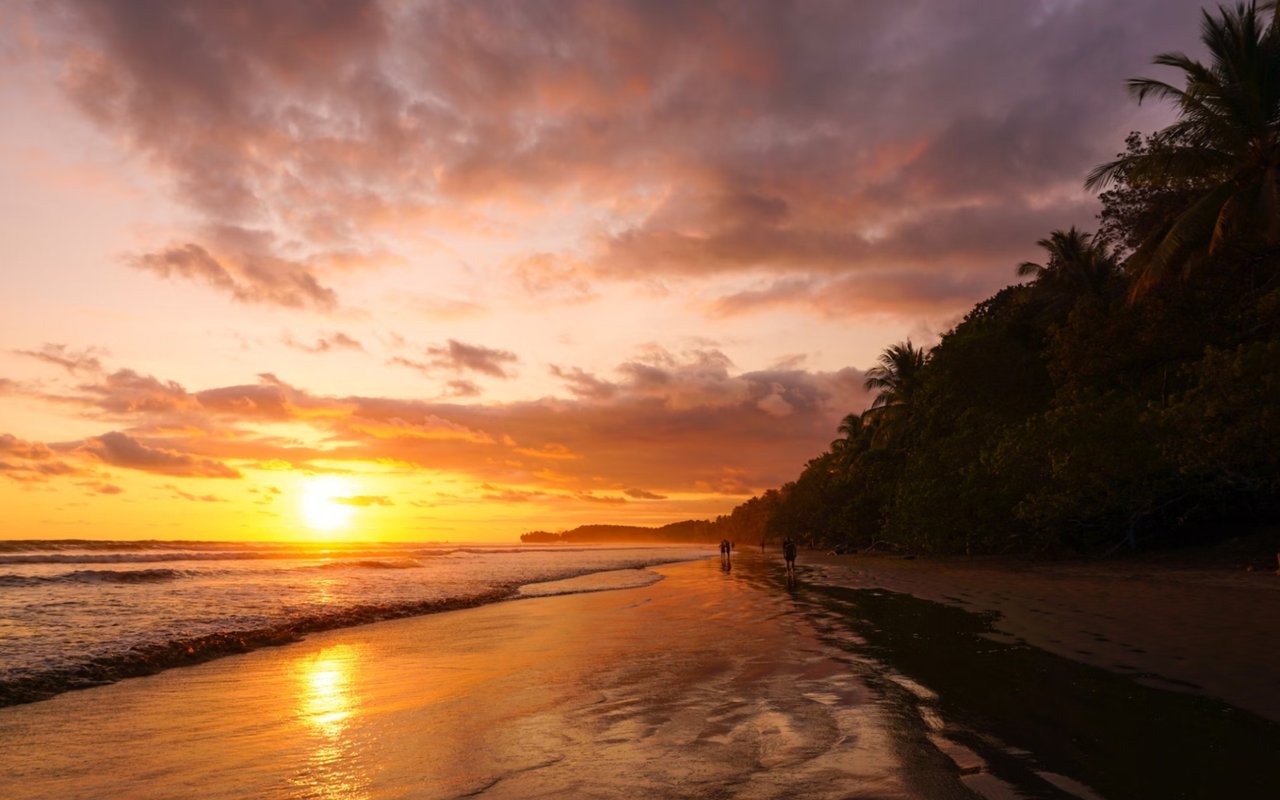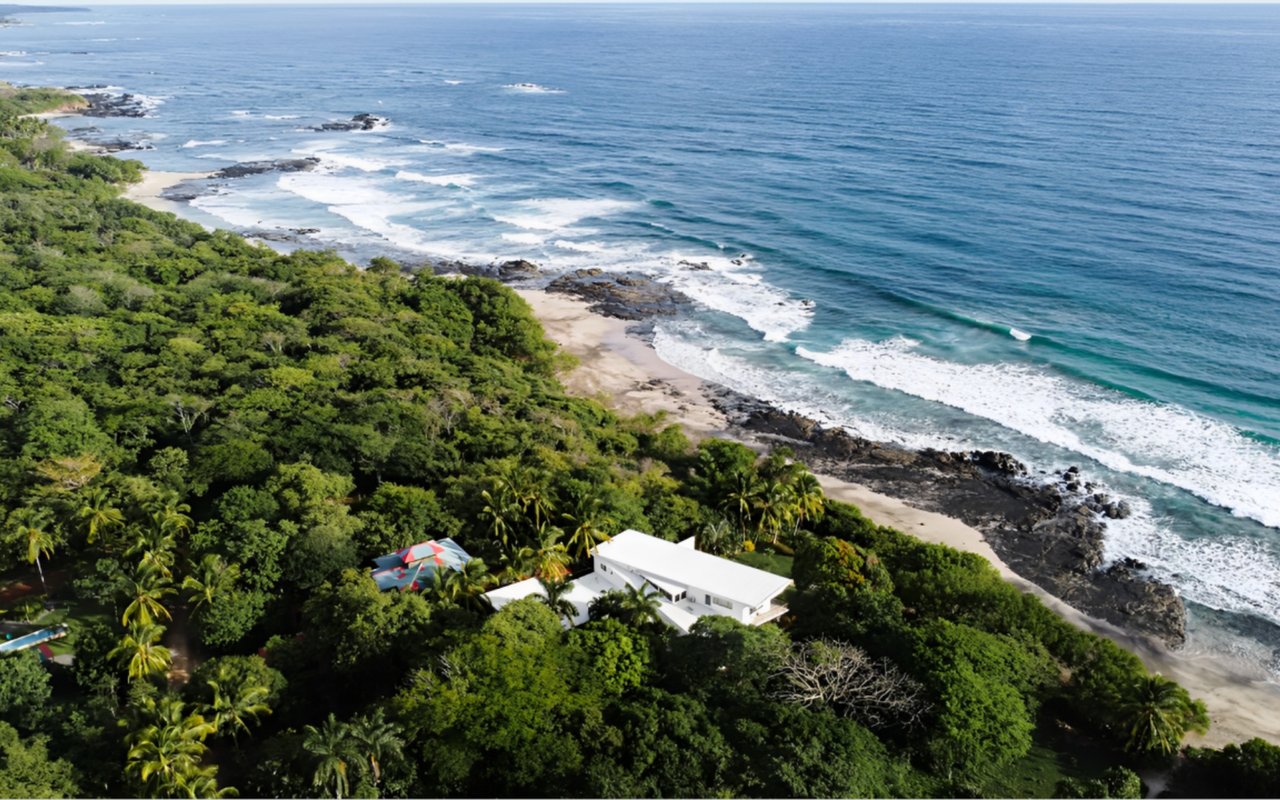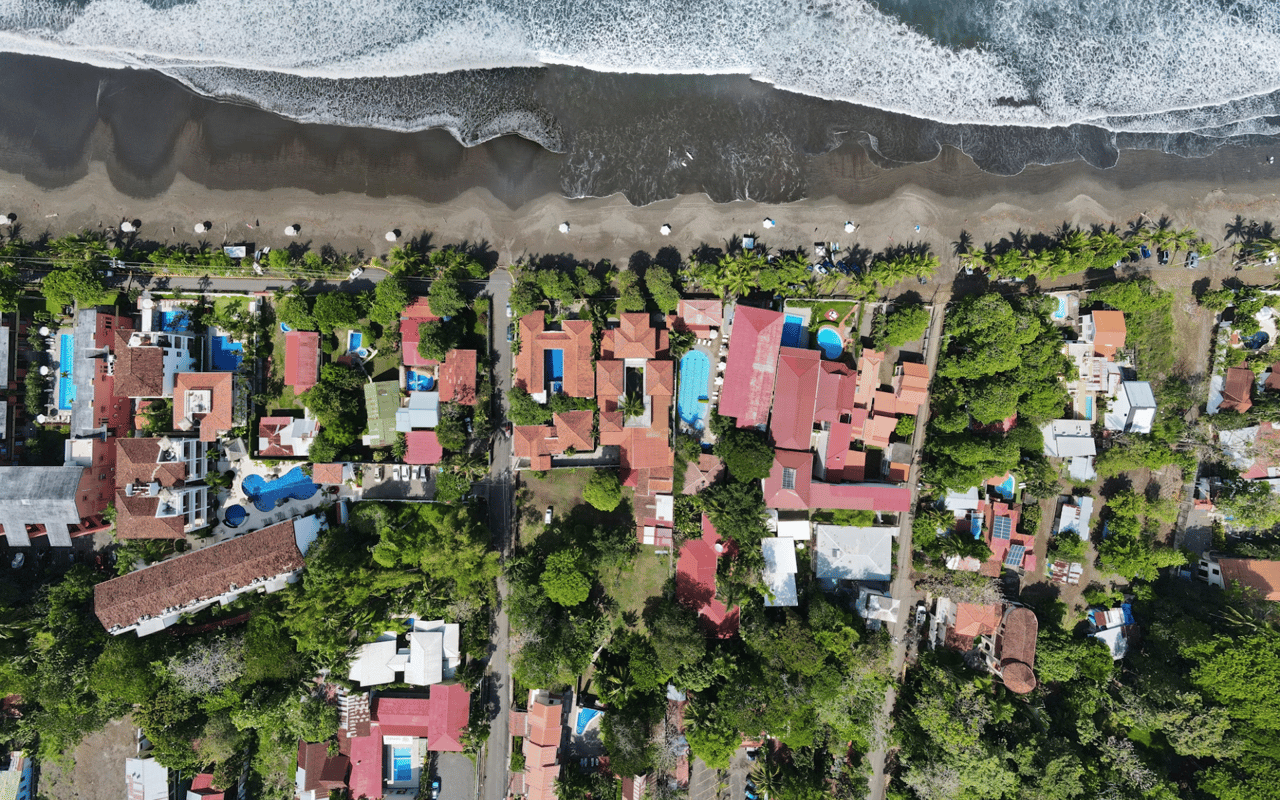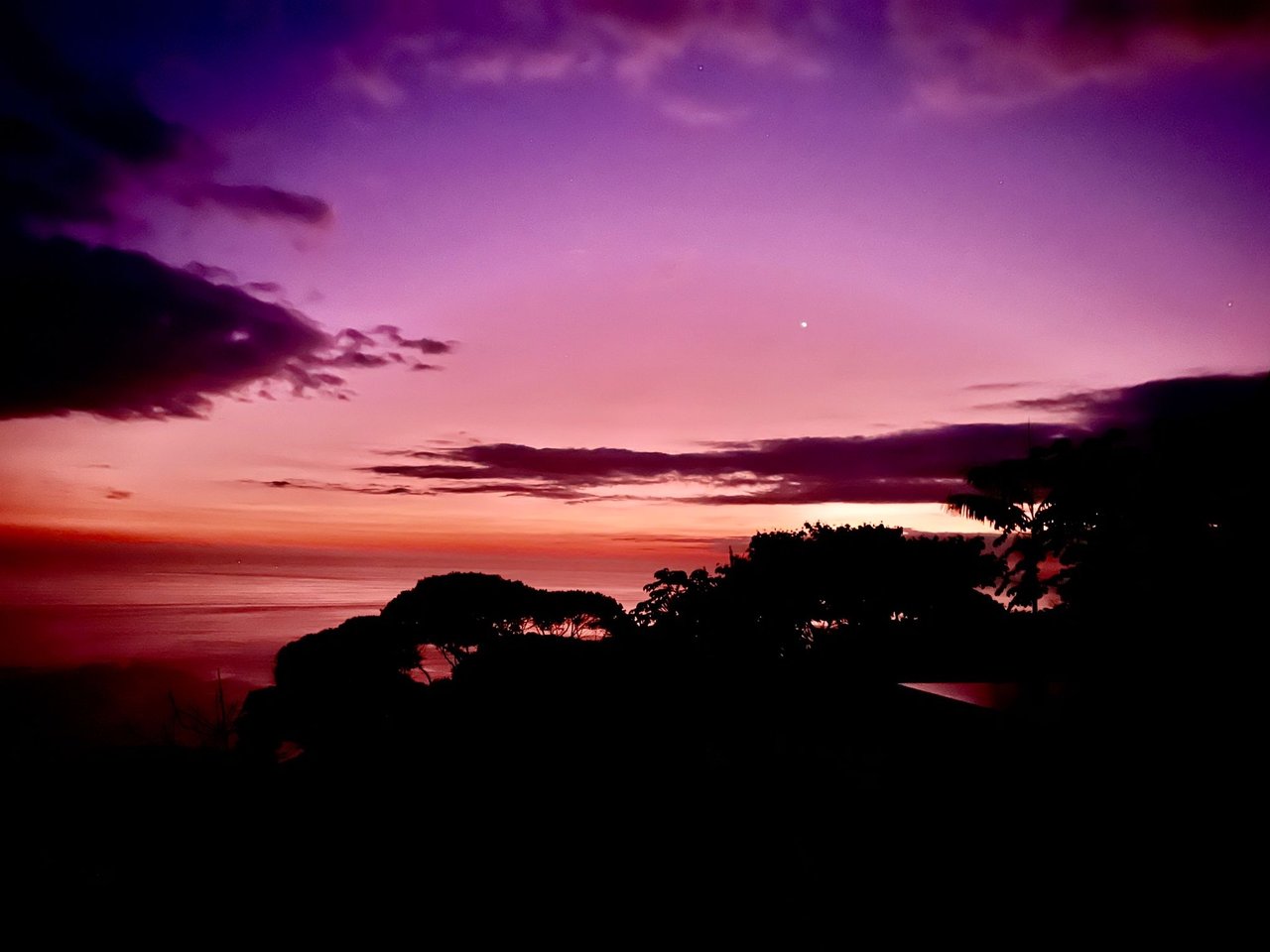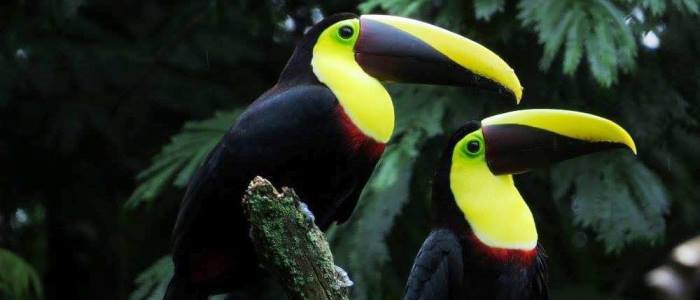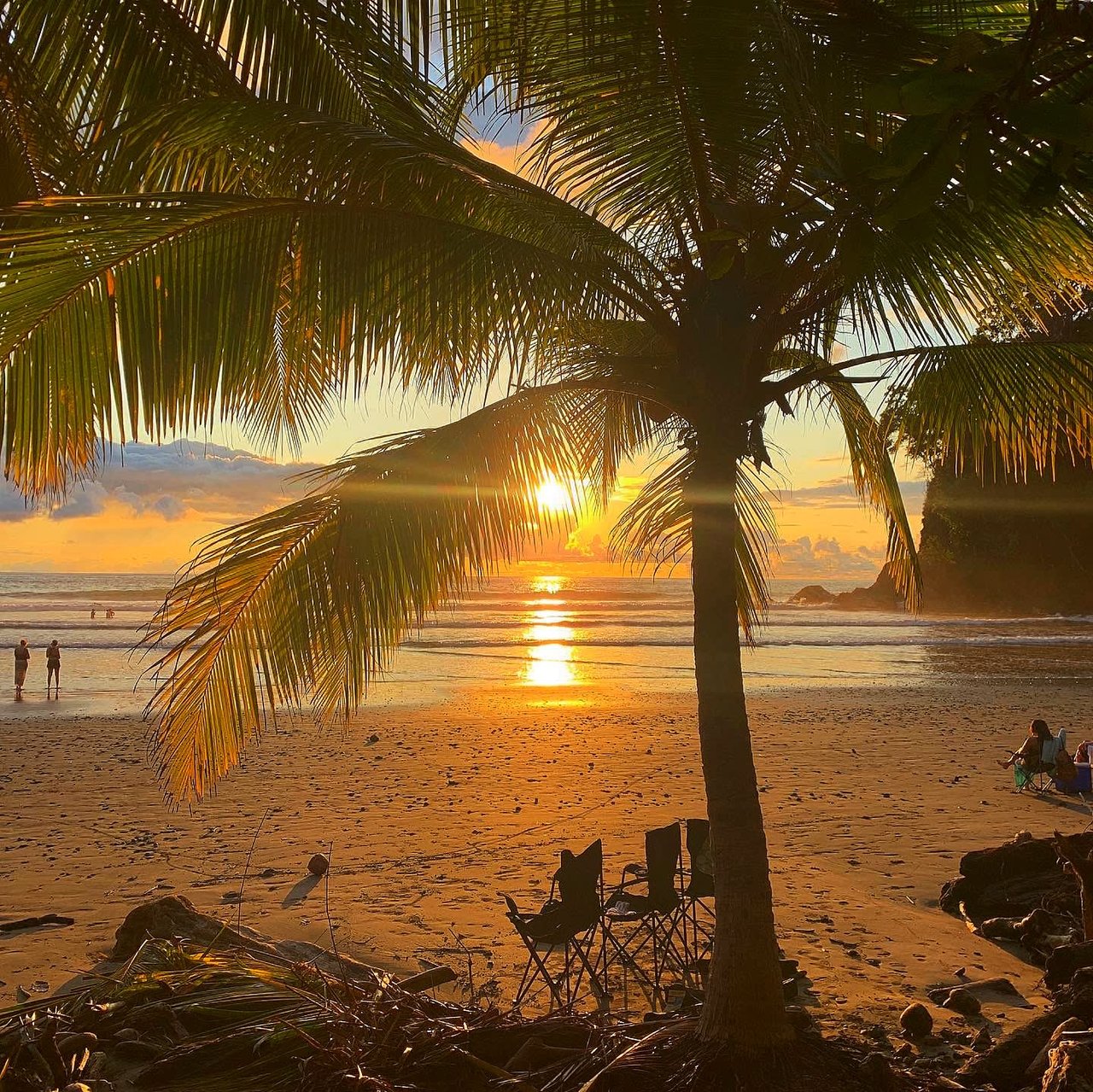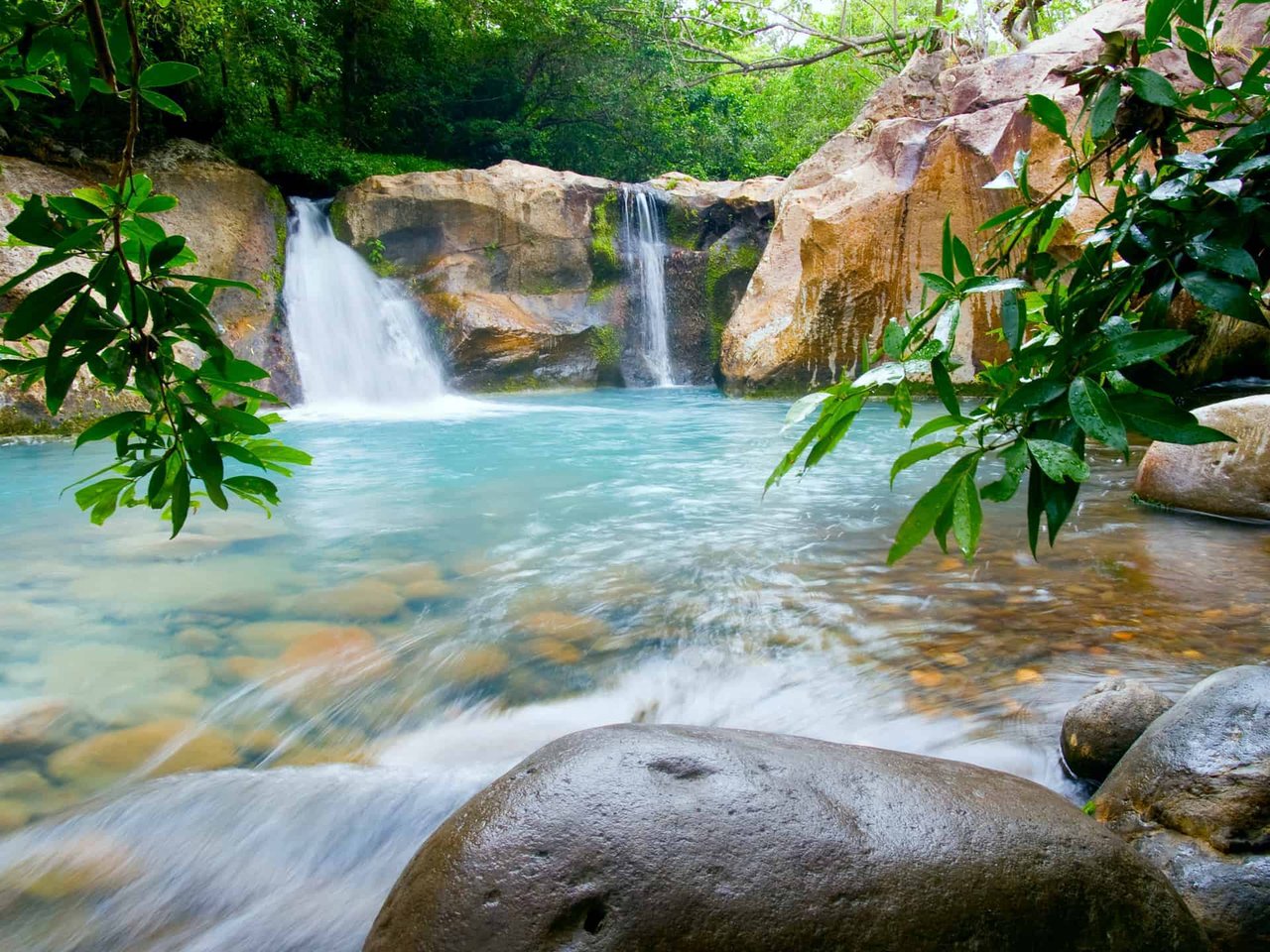
The first weekend of September rearranges Uvita in ways that only make sense if you already live here. The Costanera fills with buses before eight, the Uvita Sector entrance backs up onto the highway, and the Salón Comunal in Bahía turns into a fairground for three days. If you have been here through a previous season, you know the calendar you actually run on is not the festival flyer. It is the tide chart pinned to the fridge.
This post is for residents planning their own September weekends around the XV Festival de Ballenas y Delfines and the surrounding weeks of peak humpback activity. The thesis is simple: the festival is a community event worth showing up for, but the best whale watching and the calmest use of Parque Nacional Marino Ballena happen on the days that bracket it, not during it.
The dates, briefly
The 2026 festival runs September 4, 5, and 6 in Bahía Ballena, and organizers have already confirmed the dates on their public channels. It is the fifteenth edition of the event, organized by the Asociación de Operadores de Turismo del Parque Marino Ballena (ASOTU), the Asociación de Guías de Bahía Ballena (ASOGUIBA), and the Asociación de Desarrollo Integral de Bahía de Osa (ADIBO), with support from the Instituto Costarricense de Turismo. The venues are the campo ferial of the tour operators' association and Playa Uvita inside the national park itself.
Programming leans community-first rather than tourist-first. Expect discounted whale-watching tours, local gastronomy, sporting activities, cultural and artistic performances, and an entrepreneurs' fair, plus kite-making workshops, beach mandalas, a running race, mountain biking, football matches, live concerts, a "Ceviche para todos" cooking course, and inflatables and games for children on the beach. If you have kids in the local school system, this is the weekend they will want to be dropped off in Bahía and picked up when they are tired.
Why September, not the festival, is the actual peak
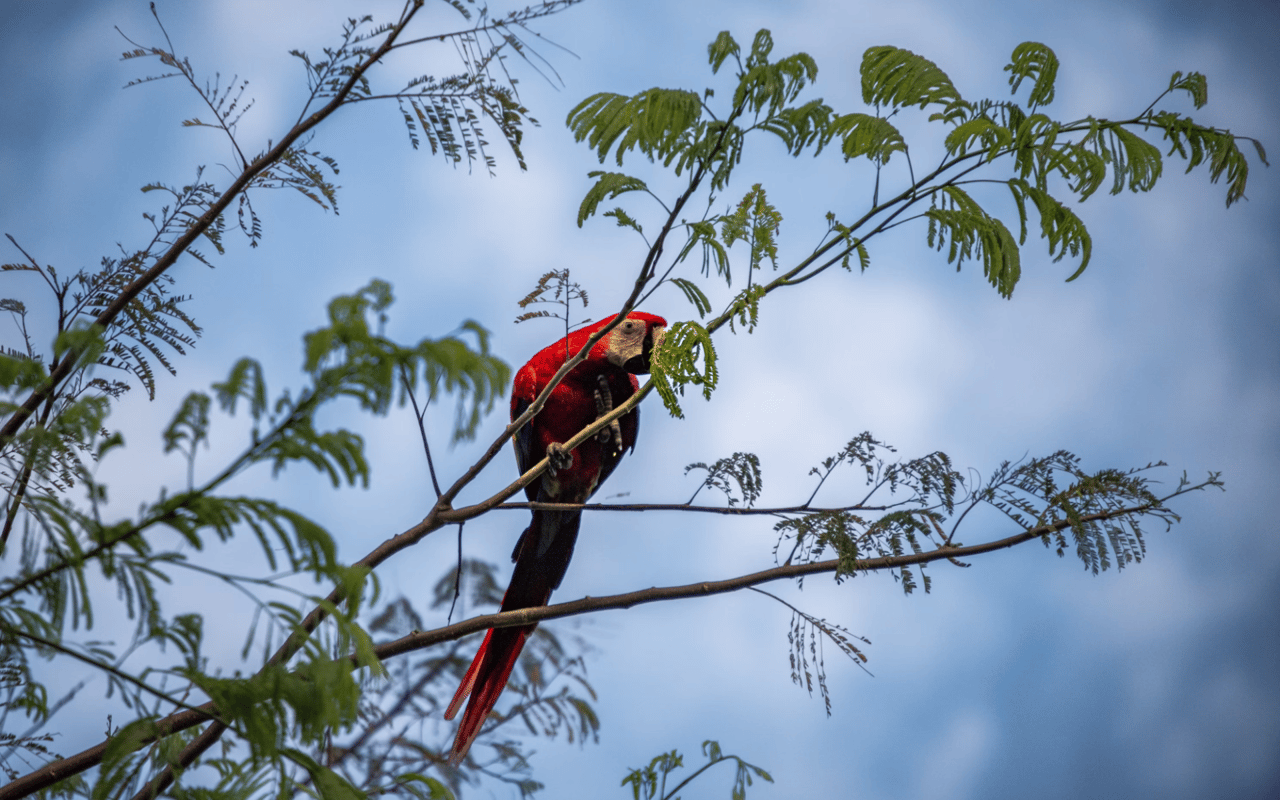
Residents who have been through a couple of seasons already sense this, but it is worth stating plainly. Marino Ballena is one of the few places on the planet with two humpback seasons, and the southern-hemisphere population is the bigger one. These whales migrate from their Antarctic feeding grounds to breed and calve in the warm Pacific between August and October, with peak months of September and October, and sightings almost guaranteed during September.
The behaviors you are hoping to show visiting family are also concentrated in that window. The whales are actively breeding, which means competitive behavior between males, breaching, fin slapping, and the sight of a 40-tonne animal launching completely clear of the water. Fundación Keto's ongoing science work makes this even more interesting for repeat residents. Their photo-identification program recognizes individuals by the unique coloration and edges of their tail flukes, and the monitoring confirms that the same animals return to Costa Rica across seasons. If you took a tour two years ago and photographed a fluke, there is a real chance you can see the same whale again.
The practical implication for residents: if you have out-of-town guests coming in September, the boat tour they will remember is the one you book for a Tuesday or Wednesday, not the Saturday of the festival. The wildlife is the same. The waiting list, the parking, and the shared boat with strangers are not.
The tide is the schedule
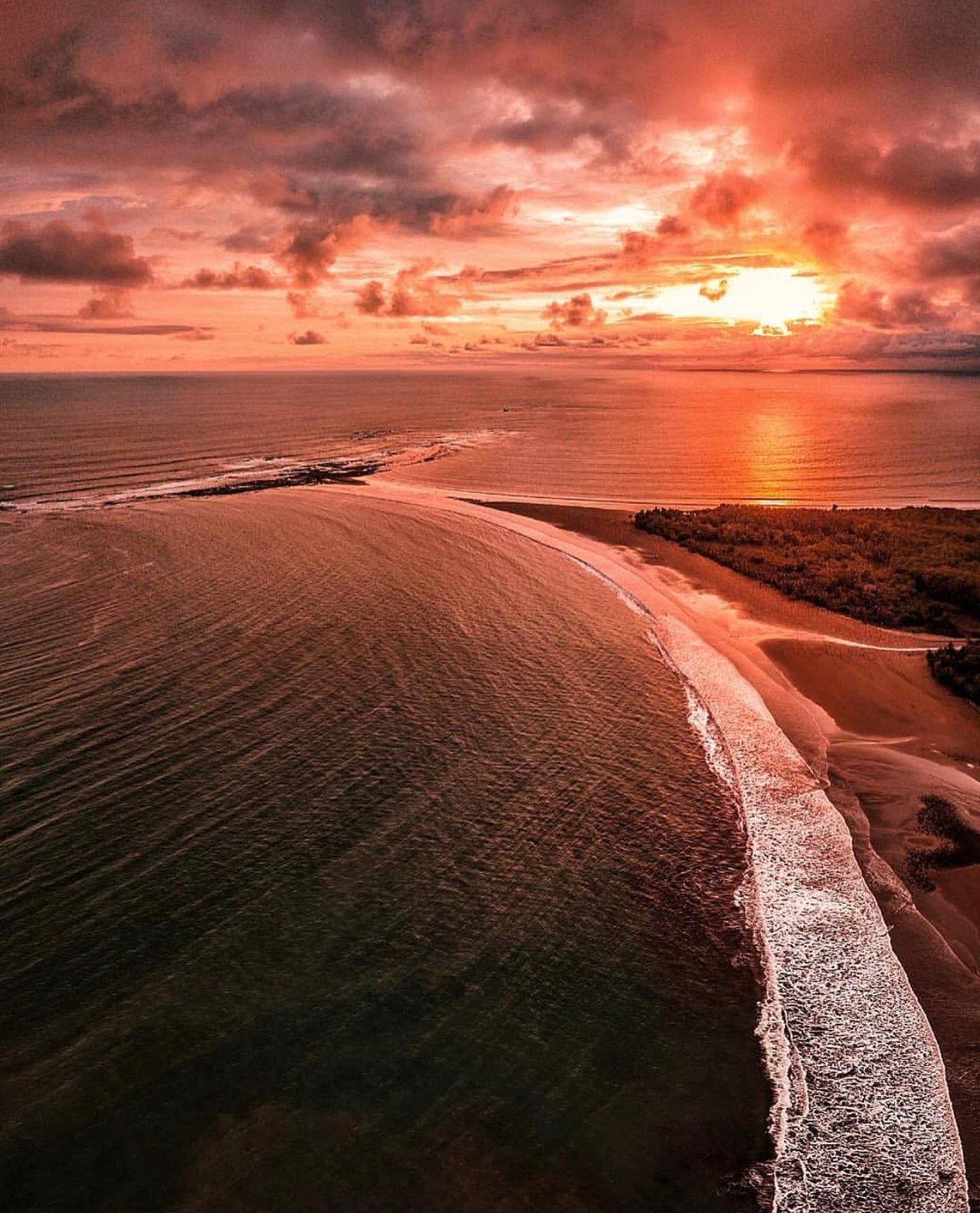
Everything at the Uvita Sector runs on the tombolo. At low tide, a sand bridge connects the main beach to an offshore point, and the sand formation curves into a shape that resembles a humpback whale's tail fluke; the symmetry is remarkable, and the feature is completely submerged at high tide. The park entrance is 6 US dollars per person for the beach section, and the walk from parking to the tip of the tail takes 15 to 30 minutes depending on where the tide is when you start.
The rule most visitors get wrong, and that residents learn quickly:
- Start walking about an hour before the low-tide peak. Setting off an hour or two before low tide gives enough time to walk the spit, spend time at the tip, and return safely.
- Watch the moon. High tides and especially the exceptionally high king tides around new and full moons wash over the sandspit and submerge it.
- Miss the window and you wait. If you miss the tide window, the wait time can be half a day before it is safe to venture out again.
During festival weekend, low-tide windows that fall between roughly 8 a.m. and 3 p.m. will be crowded regardless. Any tide window that opens before 7 a.m. or after 4 p.m. is a residents' window. The park is officially open 7 a.m. to 4 p.m., so early low tides are the more useful side of that split.
What shifts at the ferias
The Wednesday and Saturday ferias are the other calendar residents run on, and both change character during festival week.
El Mercado has been a local staple since December 2017, located at the Salón Comunal in Bahía, where dozens of vendors showcase local produce, hand-made foods, clothing, and art every Wednesday. The Saturday feria sits on the grounds of El Rincón de Uvita from 8 a.m. to 1 p.m., with roughly twenty vendors selling organic vegetables, chickens, fresh eggs, homemade jams, salsa, and bread. Current operating hours pushed by El Mercado's own team are Wednesdays and Saturdays, 8 a.m. to 2 p.m., so plan for the later close if you are running errands.
Two things change on festival week. The Saturday feria overlaps directly with the festival's opening day, so parking near El Rincón fills earlier than usual and the fish vendor tends to sell out by mid-morning rather than the usual noon. The Wednesday feria, which lands two days before the festival, is the calmer window for stocking a household. If you are hosting guests over the weekend, that Wednesday is when to buy for it.
The other quiet detail: several of the festival's food vendors are the same people who work the ferias the rest of the year. Local hoteliers, restaurants, and community businesses see the festival as a direct benefit, and the Wednesday market becomes a soft-launch of what will be sold in Bahía on Friday night.
Where residents go when the Uvita Sector fills
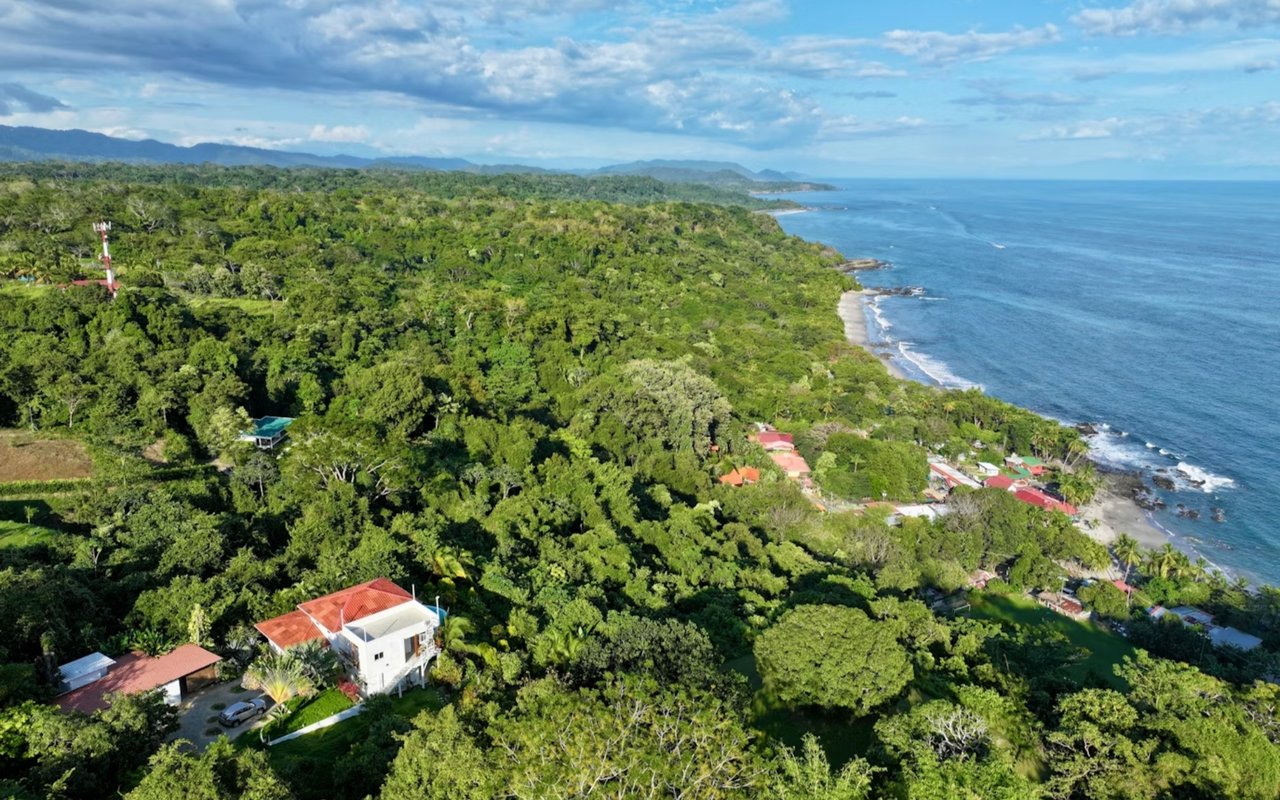
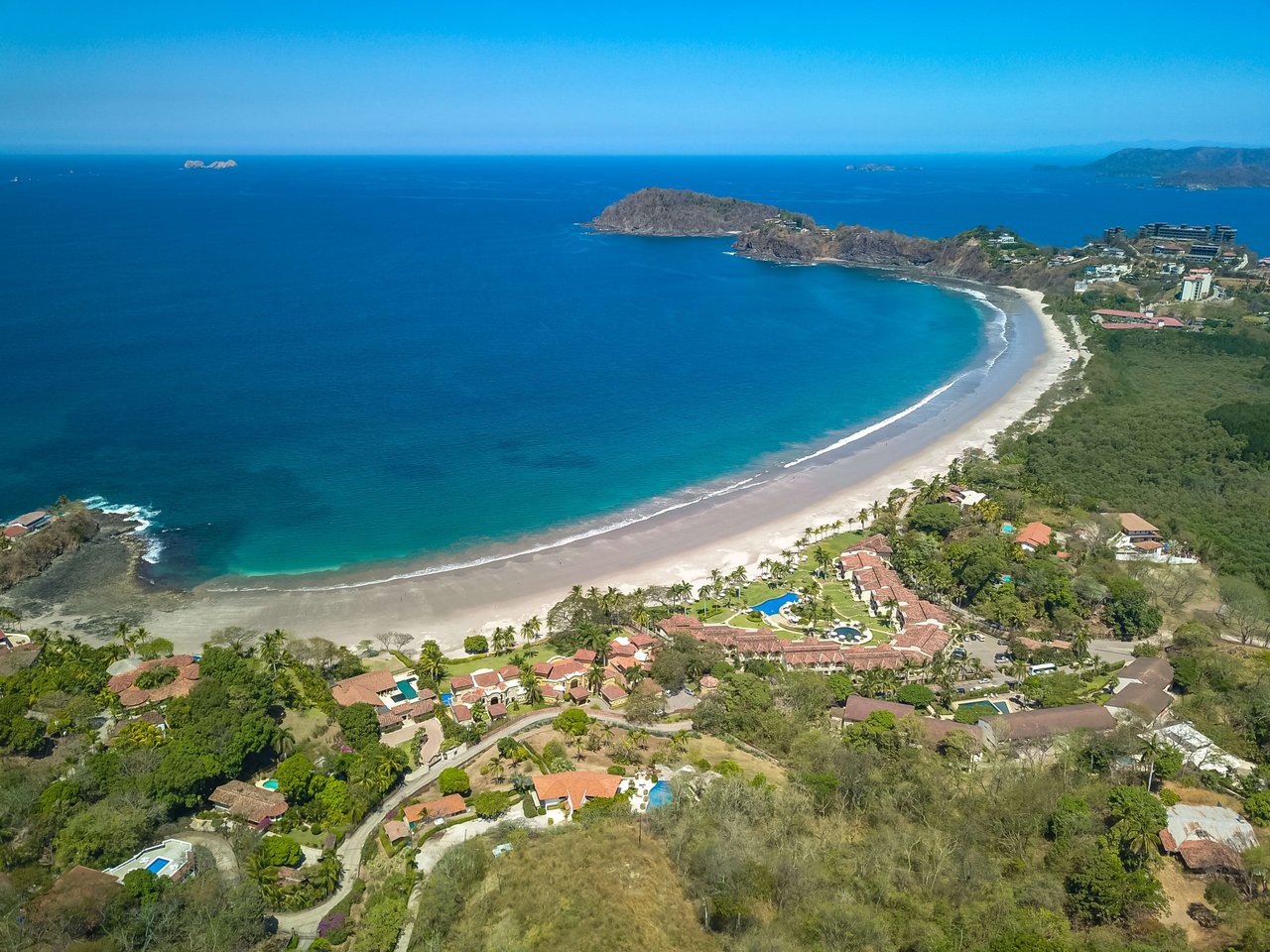
Marino Ballena has more coast than the Uvita Sector. The park was established in 1990 as Costa Rica's first marine protected area, covering 5,375 hectares of ocean and 110 hectares of land in a series of coves, beaches, and rocky headlands between Uvita and Bahía Ballena. During festival Saturday, the Uvita Sector entrance is the choke point, not the park itself.
If you are staying local for a swim rather than a whale tail walk, the alternatives are Playa Hermosa to the north of the tombolo and, further along, the Bahía neighborhood beaches closer to Playa Chamán and Playa Colonia, from which you can walk the roughly 3 km stretch to the whale tail on foot in under an hour. Walking in from the north side rather than driving to the Uvita gate is the local move on festival day.
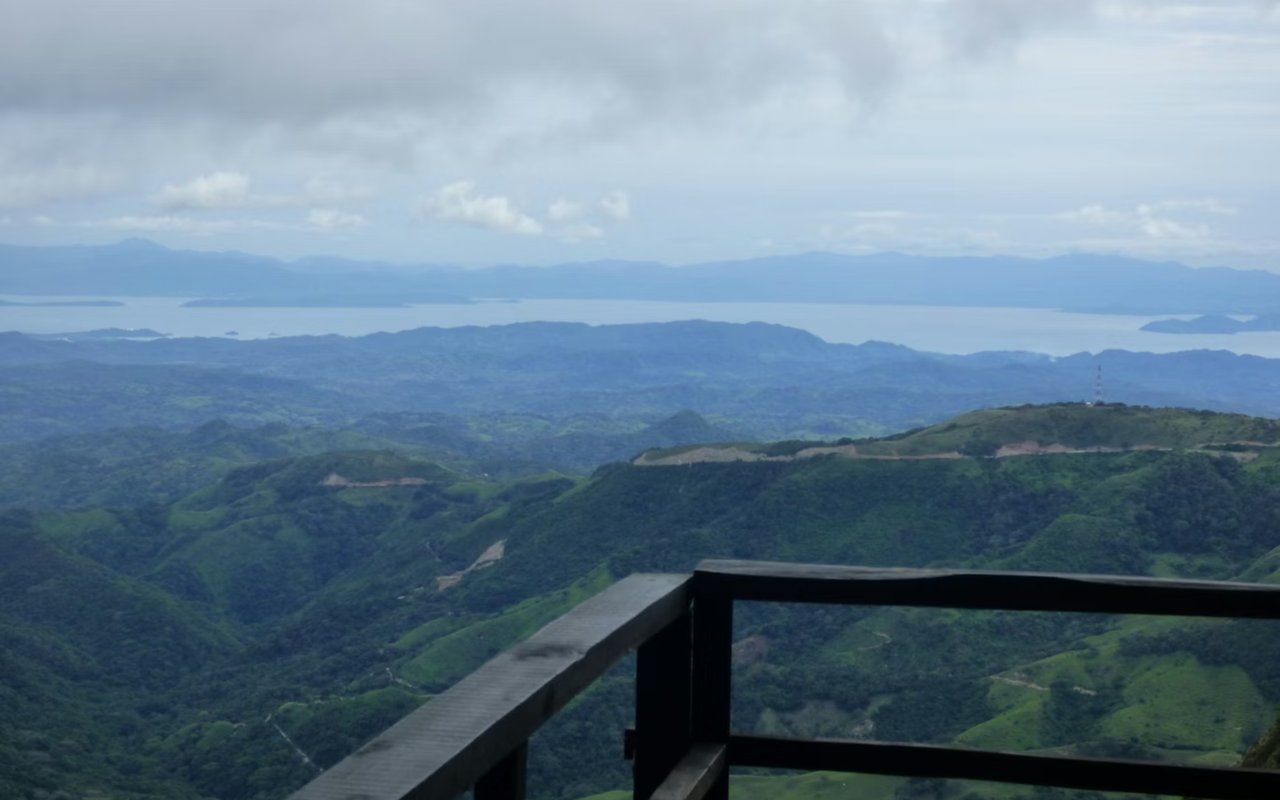
For photography, the tail itself is not visible from the ground. Many people expect to see the full formation from the beach, and this is impossible; you need to get up into the hills behind Uvita. Residents with a hillside view already know this. If you are hosting friends who want the drone shot they saw online, offer them a viewpoint from the hills rather than a park ticket.
A resident's festival-weekend playbook
For anyone building a plan around September 4–6, 2026, here is the shape most residents converge on after a season or two:
- Do the boat tour on the Tuesday or Wednesday before, not the weekend. Sightings are effectively the same, and you skip the queue.
- Shop the Wednesday El Mercado for the whole weekend. Saturday's feria will be busier, and this is your window for the fish, eggs, and produce you actually want.
- Check the tide chart before you commit to a park day. If the low tide falls at 5 a.m. or 6 p.m., that is when locals go. Anything mid-morning belongs to the buses.
- Enter from the north on Saturday by walking down from Playa Chamán or Playa Colonia rather than parking at the Uvita gate.
- Show up in Bahía on Friday or Saturday night for the concerts and the food fair. This is the part of the festival that is unambiguously for the community, and the entrepreneurs' fair rewards a slow walk.
- Save the hillside viewpoint for Sunday afternoon, when the crowds have started rolling out and the light is on the west face of the tail.
The version of Uvita most visitors see over that weekend is a real one, but it is not the version residents live in. The local one is quieter, driven by a moon-linked tide chart, anchored to two ferias, and shaped by the fact that the whales are here for two more full months after the festival packs up.
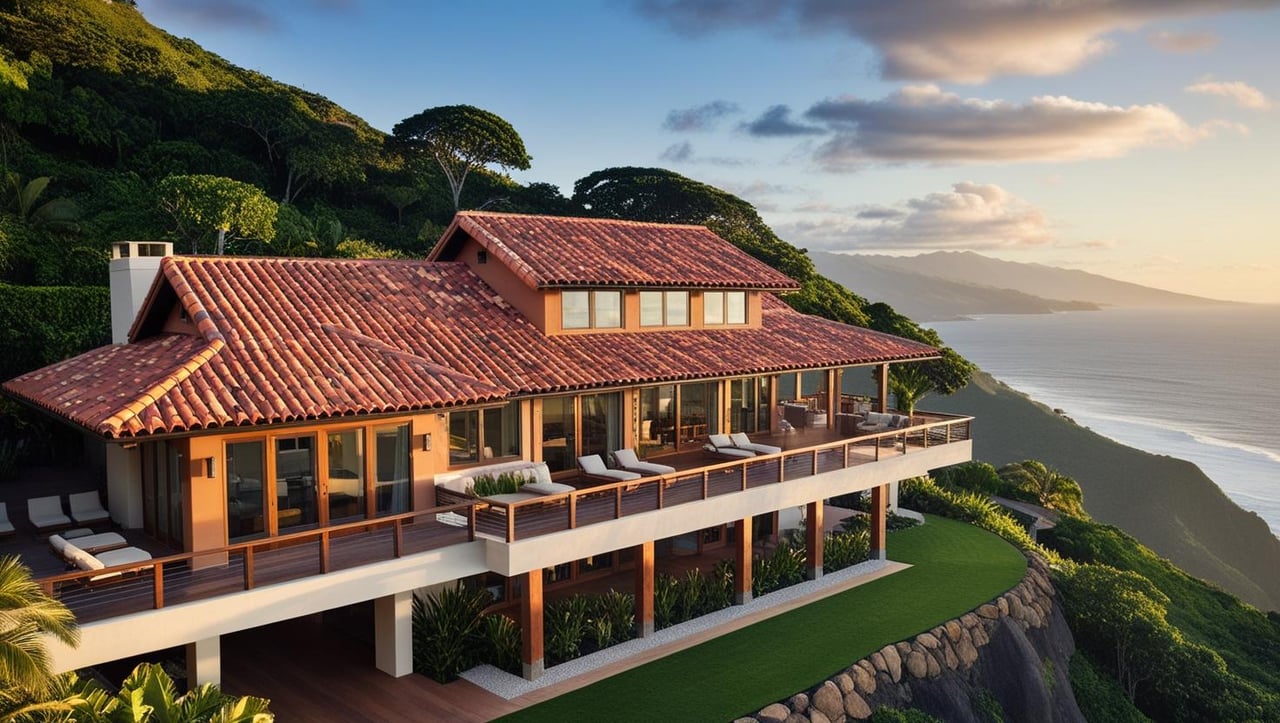
If you are weighing what a permanent home in Uvita actually feels like across a full year, and how a property's location interacts with the tombolo, the ferias, and the September rhythm, the team at Bluezone Realty International lives this calendar too. Schedule a private consultation.