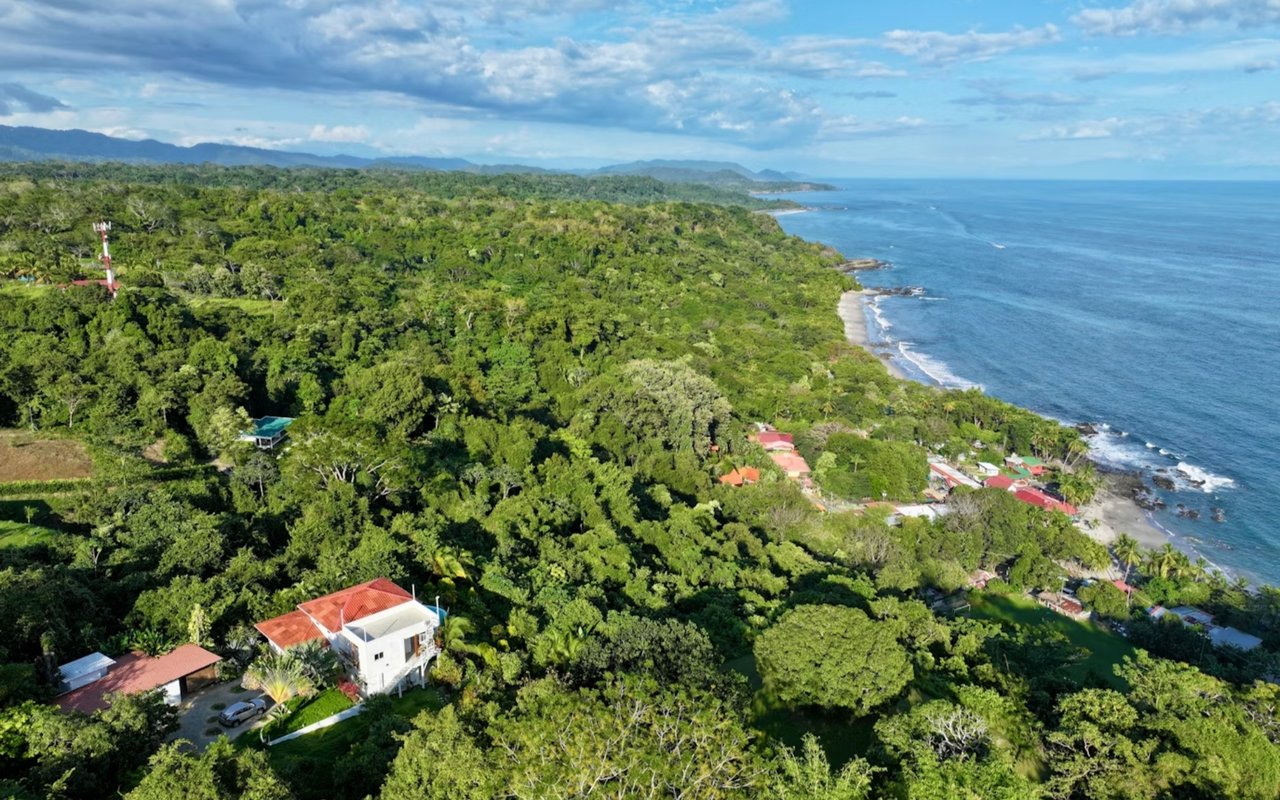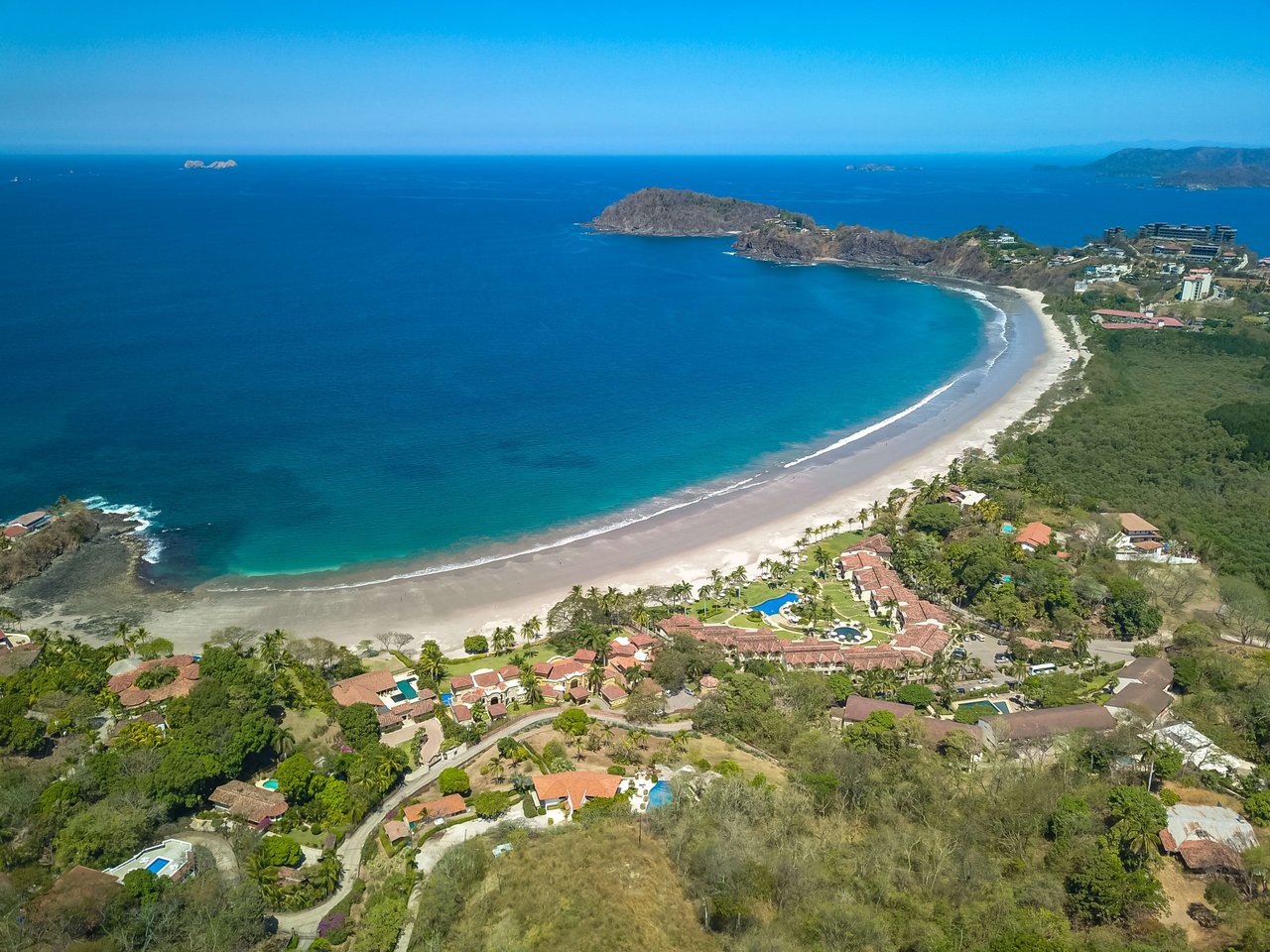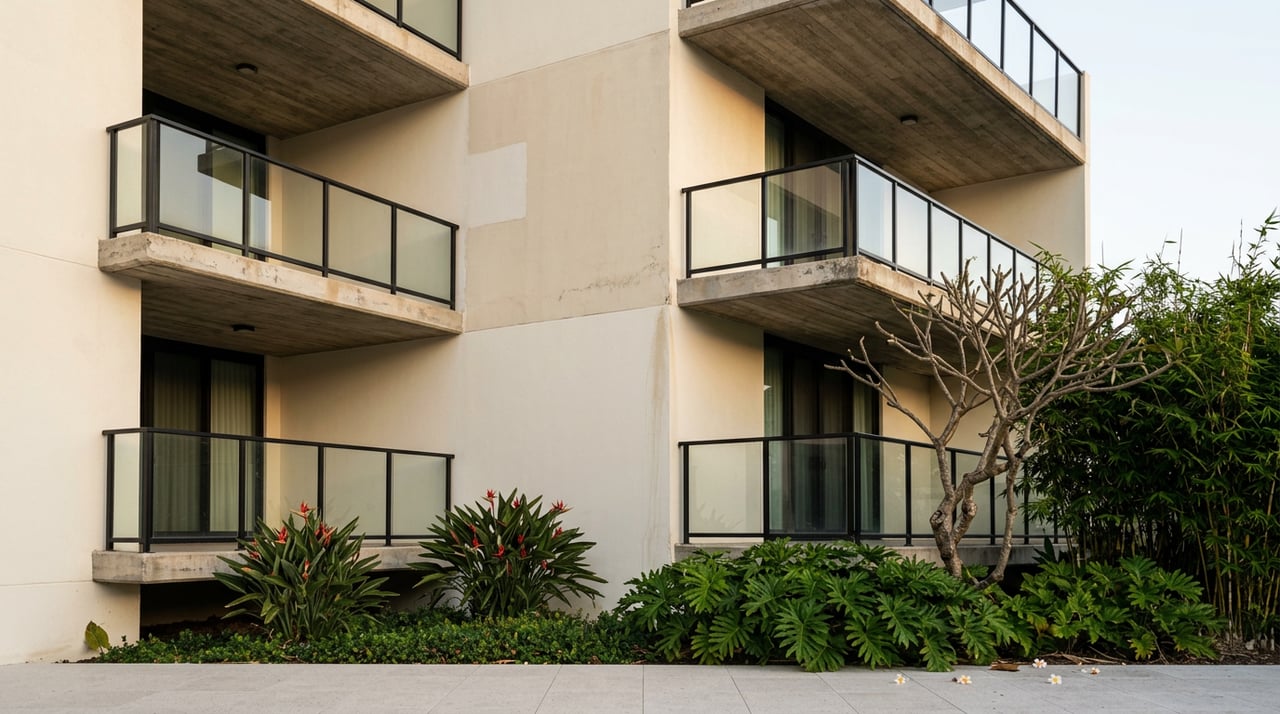
Two listings land in the same inbox this month. One sits in Jacó Centro, walkable to the beach, priced around $2,650 per square meter. The other sits inside Los Sueños, gated, marina-adjacent, priced closer to $3,217 per square meter, based on active listing data from the first quarter of 2026. Most buyers do the obvious math: Los Sueños costs more, so Los Sueños must simply be the better building.
That comparison answers a question nobody actually asked. The number that determines what you'll spend over the next five years of ownership isn't printed on either spec sheet, and it has almost nothing to do with which side of the highway the tower sits on.
What $2,650 and $3,217 per square meter actually describe
Both figures come from active listings tracked through the regional MLS, not closed sales, so they run a little hot compared to what buyers actually pay at the table. Still, the gap between them is real and it reflects something specific: Los Sueños charges a premium for the 1,100-acre gated footprint, the marina, and the golf course. Centro charges less because you're paying for proximity to the beach and the main strip, not for a private amenity ecosystem behind a guardhouse.
Neither number tells you anything about the one variable that actually swings your holding cost by tens of thousands of dollars: how old the building is and whether its owners' association has been setting money aside to fix it.
The number that never makes it onto a spec sheet
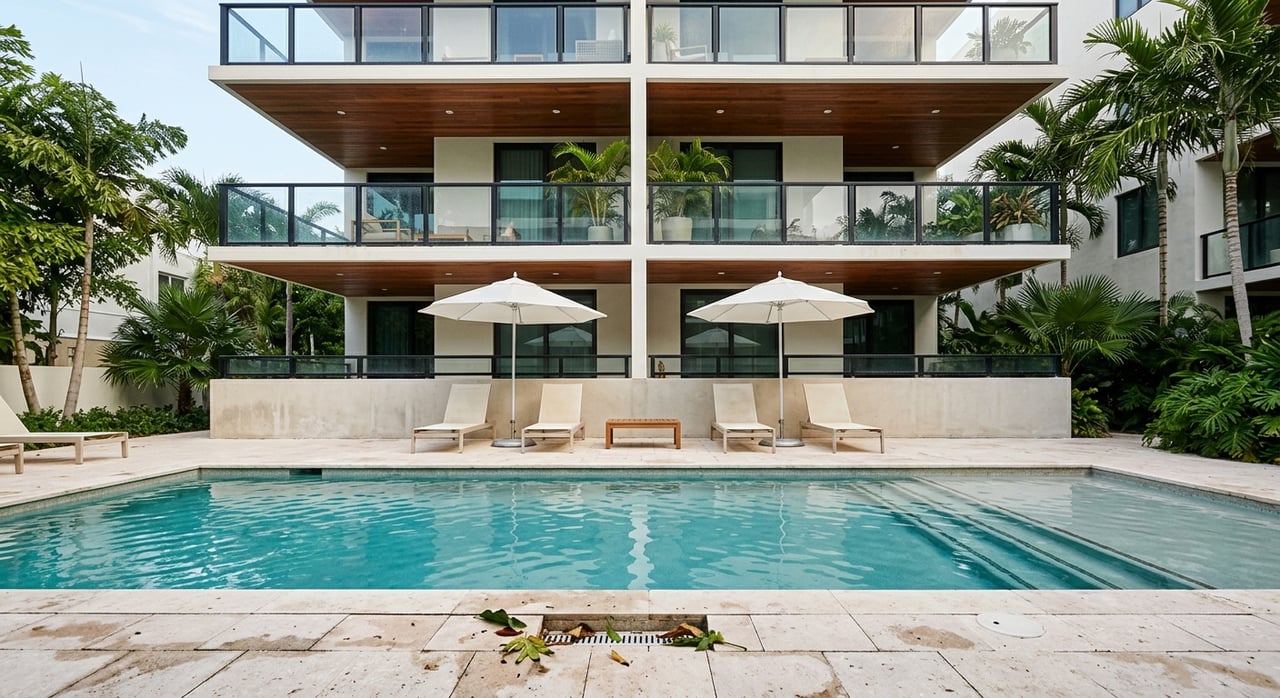
A standard two-bedroom condo in Jacó Centro carries an HOA fee somewhere between $200 and $500 a month in 2026. Buildings with heavier amenity packages, larger pools, more staff, can run as high as $800. That fee is supposed to fund two things: routine upkeep and a reserve account for the expensive stuff, elevators, roofs, pool equipment, the kind of systems that salt air degrades faster than almost anywhere else in the country.
Towers that have crossed roughly fifteen years old are the ones where this catches up with owners. Elevator corrosion, roof leaks, and pool equipment failure show up in clusters once a building reaches that age, and when a board hasn't funded reserves aggressively enough, the fix arrives as a special assessment rather than a line item you saw coming. Those assessments have run from $5,000 to more than $20,000 per unit.
Costa Rica's Condominium Property Law, Law No. 7933 of 1999, establishes the framework that requires associations to maintain a reserve fund and lays out owner obligations. What it does not do is mandate a professional engineering reserve study or set a minimum funding percentage the way a growing number of U.S. states now do. That discretion sits with each building's board. Some boards fund conservatively. Others let the account run thin until a storm or a failed pump forces the issue.
The building's age tells you whether you're at risk of hitting that wall. The financial statements tell you whether the board has been preparing for it. The listing price tells you neither.
One gate, two very different ages
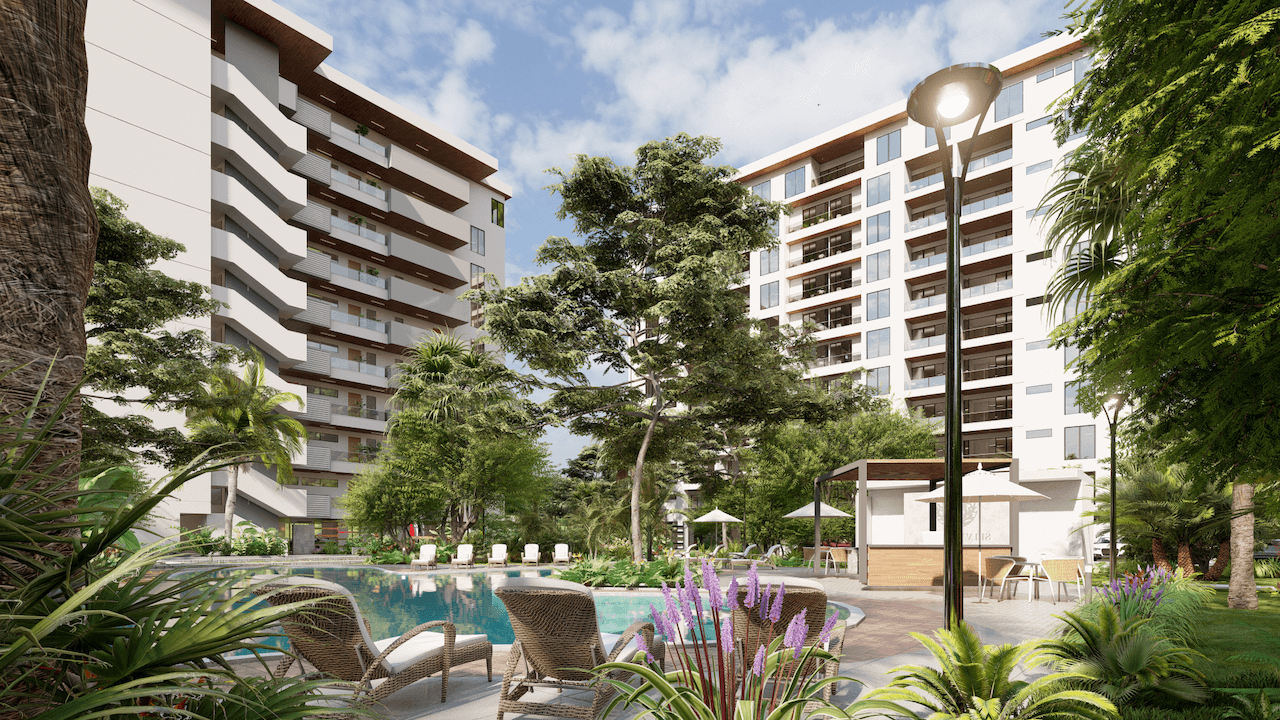
Los Sueños opened in 2000, which puts its original towers at 26 years old this year, well past the point where deferred maintenance becomes expensive. And yet inside that same gated development right now, Playavista Estates is releasing new build-ready homesites, and construction has already begun on the first homes in that phase, alongside a nine-unit Riverside Residences condo project going up within the same community.
That means the $3,217 per square meter figure for Los Sueños isn't describing one building stock. It's averaging a 26-year-old tower against homesites that haven't been poured yet. Paying the Los Sueños premium buys you the gate, the marina, and the golf course. It does not automatically buy you a newer building, and it does not exempt you from asking exactly which construction era a specific unit belongs to.
Centro's own clock is running too
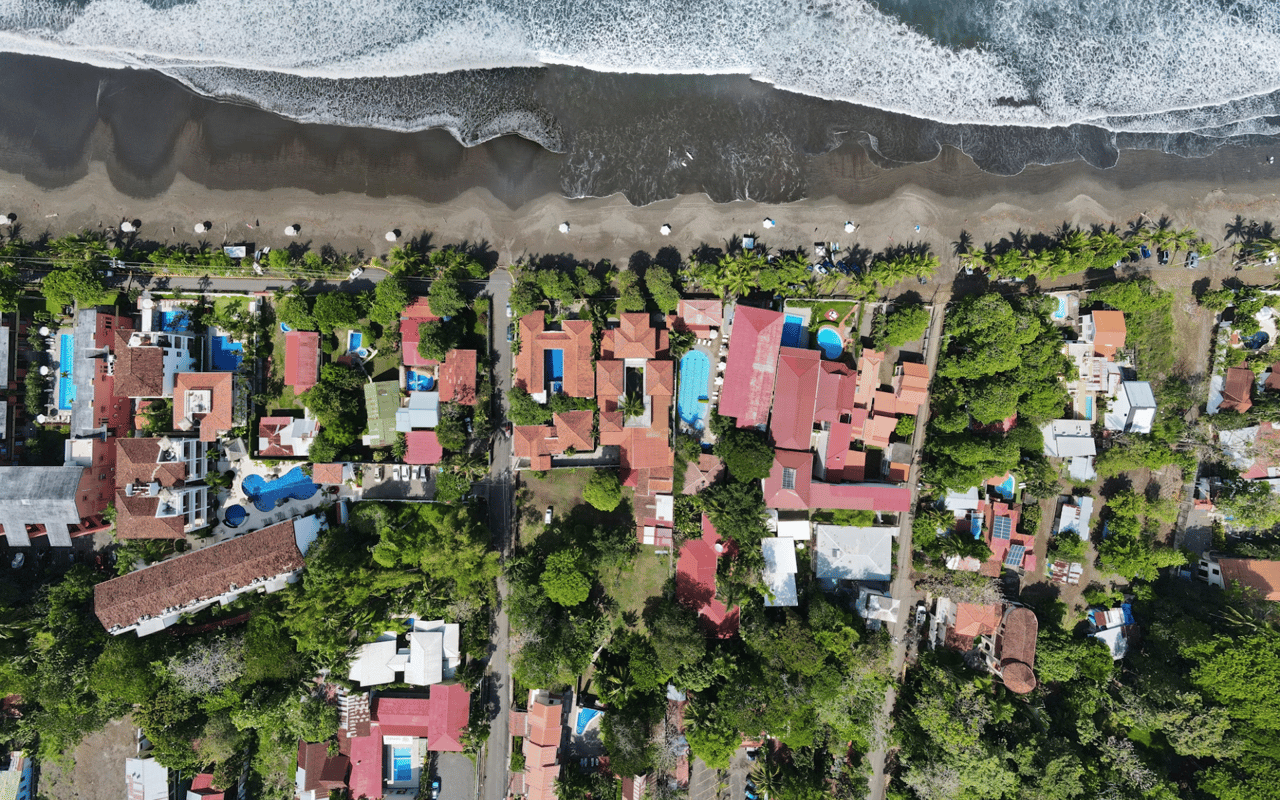
The highway that made Jacó's condo boom possible, Route 27, connecting the coast to San José, finished construction in 2010. That single date matters more than most buyers realize, because it marks when the first real wave of Centro towers started going up to meet the demand the highway unlocked. Buildings from that first cohort are now in their mid-teens, which puts a meaningful share of Centro's affordable inventory right at the edge of the assessment-risk window, not years away from it.
Playa Hermosa, a few minutes north, sidesteps this problem structurally rather than through better management. It has no high-rises. Without elevators and without towers tall enough to need major roof systems, the entire category of risk that drives special assessments in Centro and Los Sueños barely applies there. That's not a reason to prefer Hermosa outright, since it trades vertical convenience for a quieter, more spread-out footprint, but it is a genuinely different risk profile, not just a different price point.
| Micro-market | What the price reflects | Building stock age spread | Assessment risk profile |
|---|---|---|---|
| Jacó Centro | Walkability, nightlife, main strip access | Wide, from post-2010 first wave to recent construction | Real and building-specific, tied to elevator and roof age |
| Los Sueños / Herradura | Gated marina and golf amenities | Wide, from 2000-era original towers to active 2026 construction | Depends entirely on which cohort a unit belongs to |
| Playa Hermosa | Quieter surf setting, low-rise living | Newer on average, no historic high-rise stock | Structurally lower, no elevators or large roof systems to fail |
What to check before the per-square-meter number sways you
None of this requires a specialist. It requires asking for documents most buyers never think to request before they've fallen for a view.
- Ask for three years of HOA financial statements, not a summary. You want to see the reserve account balance trending, not just its current figure.
- Ask directly whether the building has had a special assessment in the past five years, and if so, what it funded and how it was allocated among owners.
- Ask whether the board has ever commissioned a professional reserve study or engineering assessment. If not, the reserve fund's adequacy is whatever the board says it is.
- Ask the age of the elevator system, the roof membrane, and the pool equipment specifically. These are the three failure points that generate the largest assessments.
- Look at how the monthly HOA fee has moved over the past three years. A fee climbing sharply is often a board trying to catch up on funding it should have started years earlier.
One thing this is not: a titled land versus concession problem. Most of Jacó proper sits on titled, fee simple land outside the maritime zone, so the ownership structure itself isn't the variable in play here. The risk lives entirely in the building's financial history, not in the deed.
A few questions worth asking directly
Does Costa Rican law require condo boards to run a professional reserve study? No. Law 7933 establishes the condominium regime and requires a reserve fund to exist, but it doesn't mandate an engineering study or a specific funding percentage the way some jurisdictions now do. That means the burden sits with the buyer to request financial statements directly rather than assume any compliance standard has already screened the risk out.
If I'm buying in Los Sueños, does the marina premium already account for this? No. The premium reflects land, amenities, and gate access, not the age of any particular tower. A unit in a 2000-era building and a unit under construction at Playavista today can carry the same neighborhood price tag while sitting at opposite ends of the assessment-risk curve. Ask which cohort you're actually looking at.
The per-square-meter comparison between Jacó Centro and Los Sueños is real data and worth knowing. It just isn't the number that decides what condo ownership costs you five years in. That number lives in a financial statement, not a listing sheet, and it rewards the buyer who asks for it before falling in love with the view.
If you're comparing Jacó condos and want someone who will pull the HOA financials before you make an offer, not after, Blue Zone Realty International works this exact question with buyers across the Southern Pacific every week. Schedule a private consultation and we'll walk through the specific buildings on your list, reserve fund history included.