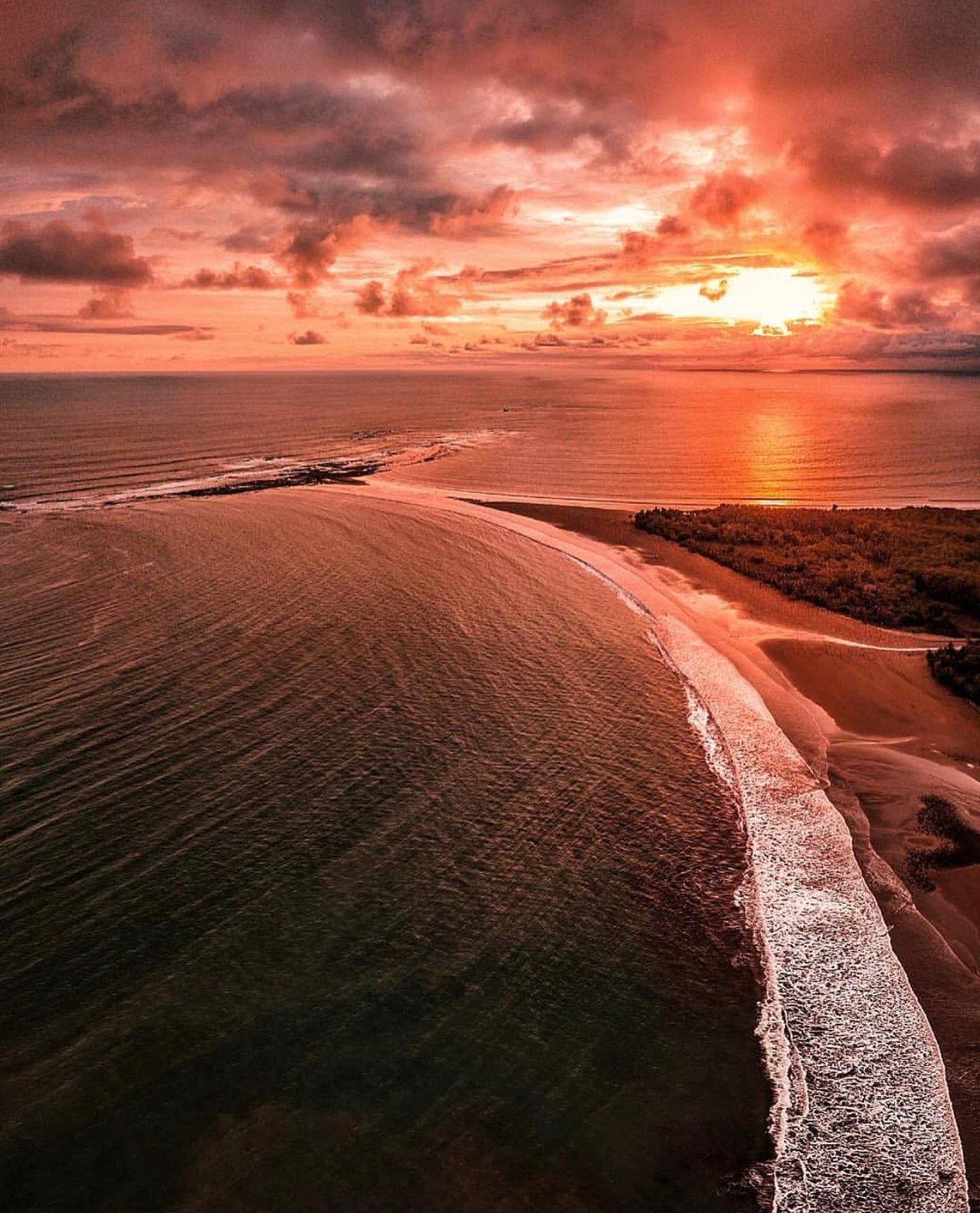
Right now, on any given morning at Marina Pez Vela, a catamaran is loading passengers for a three and a half hour run along the coast, past Manuel Antonio, out to snorkel at Biezans Beach, with a good chance of a humpback surfacing somewhere along the way. Two minutes from that same dock, on a Friday night, a line forms outside a wood-frame clubhouse that has nothing to do with any of it. No tour desk sells tickets to Club Banana. No brochure mentions it. It has been running karaoke nights on Tuesdays and Fridays since long before the marina existed, and nothing about this whale season has changed that.
That gap between the two is the actual story of Quepos right now, more than the whale count or the boat traffic. The town is absorbing a real, measurable surge in marina activity without that surge touching the place where most of the town actually spends its weekend.
The Docks Are Busier Than They've Ever Been
The numbers behind that surge are not vague. According to the Tico Times, Marina Pez Vela holds close to 200 boats and can dock vessels up to 200 feet, and over 2025 it added 50 new wet slips and 40 on-site villas, a buildout big enough that the marina's own general manager described the timing as arriving just as the facility was ready to host events at a new scale. In April 2026, Bisbee's Offshore, the sportfishing tournament series that has run out of Cabo San Lucas for 44 years, brought its first event outside Mexico to Marina Pez Vela. Seventy-nine teams competed for over $2.155 million in prize money across 15 paying positions, an all-release billfish format built around Costa Rica's conservation rules rather than Cabo's traditional weigh-in.
That tournament came and went five months ago. Earlier this year, the Tico Times reported eight major sportfishing tournaments on the marina's calendar for that season, part of a run that has turned the plaza into a fixture with a rotating restaurant lineup, an outdoor screen for nighttime movies, and a dock scene that didn't exist in any organized way a decade ago. Whale season now runs on top of that same infrastructure, and September's water traffic looks like nothing the town managed before the marina's recent buildout. The humpback season here is genuinely unusual: two separate populations, one from Antarctic waters and one from California and Alaska, migrate through Costa Rica's Pacific coast at different points in the year, which stretches the watching window to nearly ten months total. The southern population, the one filling boats right now, runs from mid-July through early November, with August and September producing the highest concentration of mothers traveling with newborn calves. Marina Pez Vela is the main departure point for nearly all of it.
None of this is subtle from the water. It is entirely invisible from Club Banana's front door.
None of That Reaches the Zona Americana
Walk two minutes inland from the marina and you're in the Zona Americana, a small grid of two-story wood-frame houses dating mostly from the 1930s and 40s, built during Quepos's original run as a banana port under the United Fruit Company. The neighborhood predates the tourism economy entirely, and it looks like it. Nothing about its architecture or its pace has been updated to face the marina.
Club Banana sits on a cul-de-sac in that neighborhood, and it has operated continuously since 1939, eighty-seven years now, as a combination restaurant, cantina, game room and meeting place. Generations of Quepeños have treated it as the default place to be on a Tuesday or Friday night, and that has not changed with a single marina expansion, tournament announcement, or whale season. The Friday scene is a genuine mix: karaoke line stretching out the door, pool players, foosball, ping pong, a bar keeping pace with all of it at once. It is not curated for visitors and it does not need to be. It survives on the same local habit that's kept it open for nearly nine decades, tournament calendar or not.
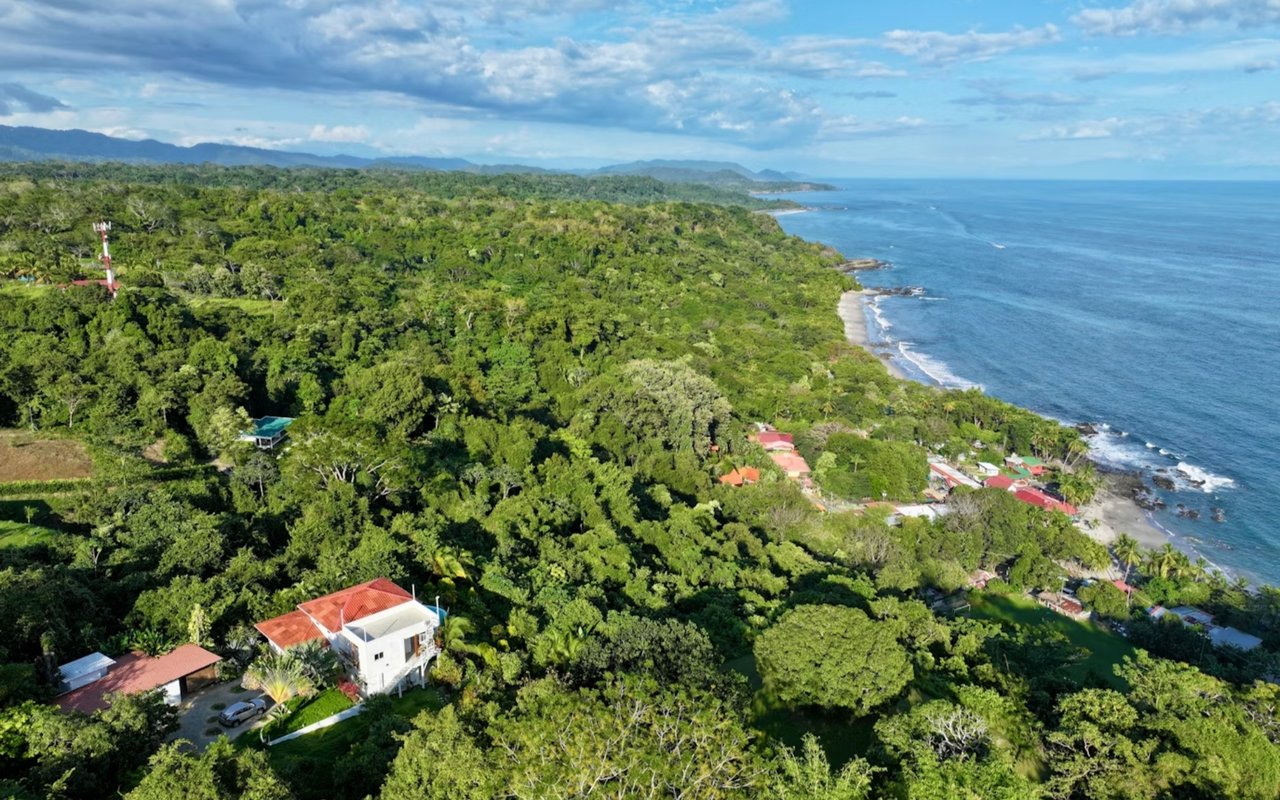
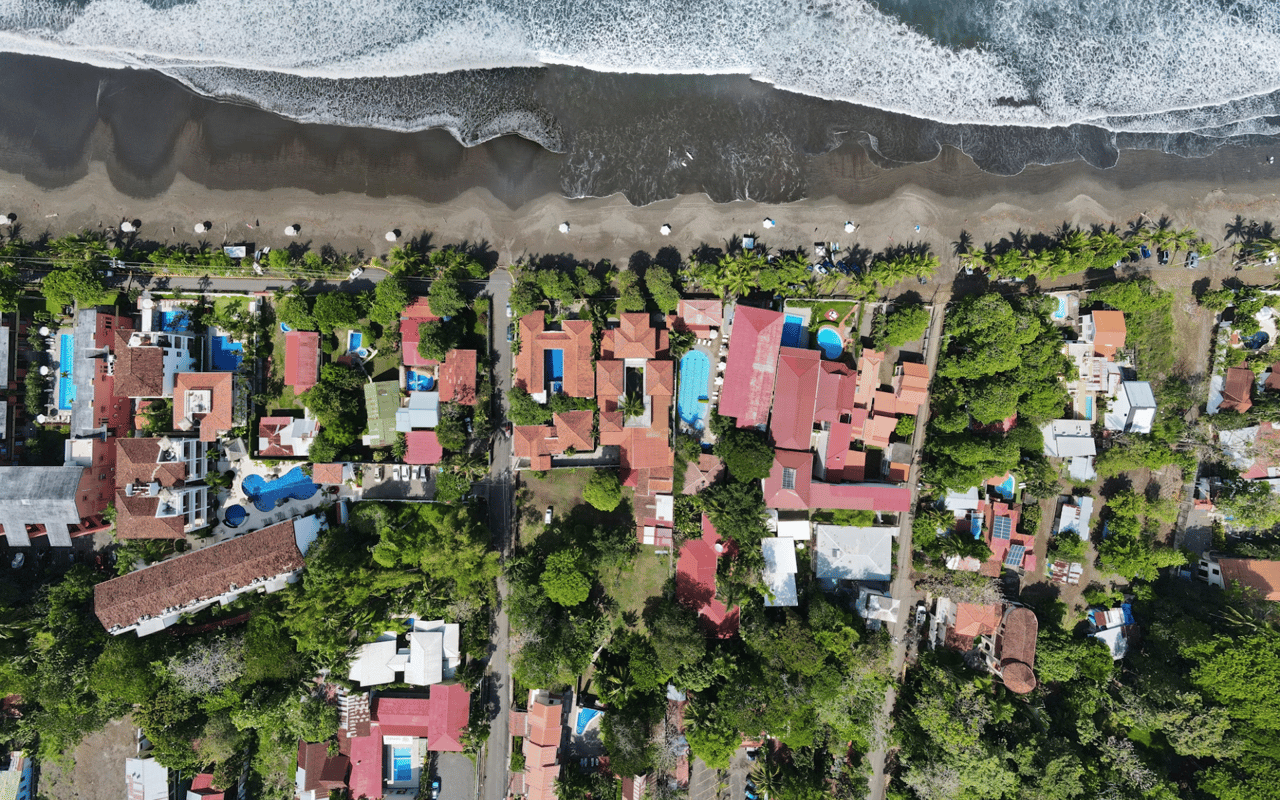
That contrast is not an accident of geography. It's a fairly precise description of how tourism growth actually distributes itself in a town like this one. The visitor economy concentrates hard around a few specific points, the marina, the national park entrance, the restaurant strip along the road to Manuel Antonio, while the residential and social fabric two streets over keeps running on its own separate schedule.
Two Clocks, One Town
Last year, a quarter of all visitors to Costa Rica spent time in Quepos and the nearby Manuel Antonio National Park area, which is a substantial share of national tourism for one relatively small stretch of coast. That volume is real, and it funds real jobs, from marina staff to boat crews to the restaurant plaza that fills up during tournament weeks. But volume concentrated at the marina does not automatically translate into pressure on the rest of the town, and that's the piece easy to miss if you're only reading headlines about record tournament purses or peak whale counts.
Quepos runs on two clocks that rarely sync. One is set by the tide, the tournament schedule, and the whale migration calendar, all of which move through Marina Pez Vela in cycles a visitor can track from a tour operator's booking page. The other is set by things like karaoke night at Club Banana, which has nothing to do with any external calendar at all. Both clocks are legitimate. Neither one is about to absorb the other.
For anyone who already lives here, that's a useful thing to know heading into the busiest stretch of whale season. The boat traffic near the marina this month is genuinely heavier than it's been in past years. But heavier marina traffic doesn't mean the rest of town gets louder or more crowded in step. It mostly stays exactly the same size it was.
What Peak Season Actually Changes for Someone Who Lives Here
If you're already in Quepos or Manuel Antonio, the practical version of all this is fairly simple. Morning departures from the marina, typically between 8 and 9 a.m., are the busiest slice of the day right now, since calmer seas and lighter winds make that window the preferred time for whale tours. Boat traffic near the docks is heavier in that stretch than at any other point in the day. Bottlenose, spinner, and spotted dolphins show up on tours even outside the peak humpback window, so the water stays active well past whale season's end in the fall.
The restaurant plaza at the marina is running at its fullest during this stretch too, a mix of longtime spots and newer additions that fill in around tournament weekends and tour departures. None of that changes what's available a few blocks inland, where the original town, the sodas, the family-run spots, the Zona Americana, keeps its own rhythm regardless of how many boats left the dock that morning.
The town's growth is concentrated, not diffuse, and that's worth understanding on its own terms rather than treating every marina headline as evidence the whole place is transforming. Quepos is adding infrastructure and international attention at the marina. It is not, at least not yet, exporting that change to the rest of the community.
Whether that pattern holds as the marina keeps expanding is a fair question, and one worth watching over the next few tournament seasons. For now, the two clocks are still running separately, and the Friday line at Club Banana is proof of it.
If you're weighing what any of this means for property near the marina, the park entrance, or the quieter blocks further in, Blue Zone Realty International knows this stretch of coast block by block. Schedule a private consultation whenever you're ready to talk specifics.