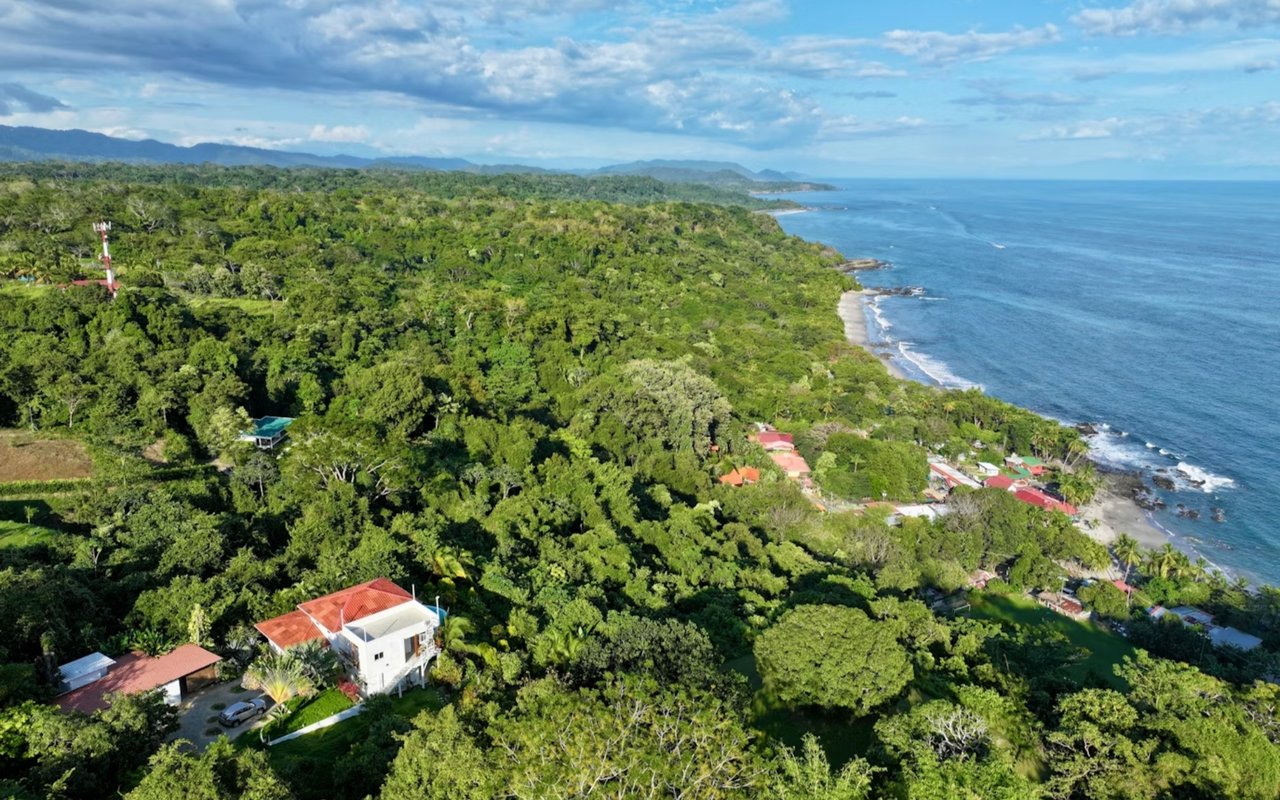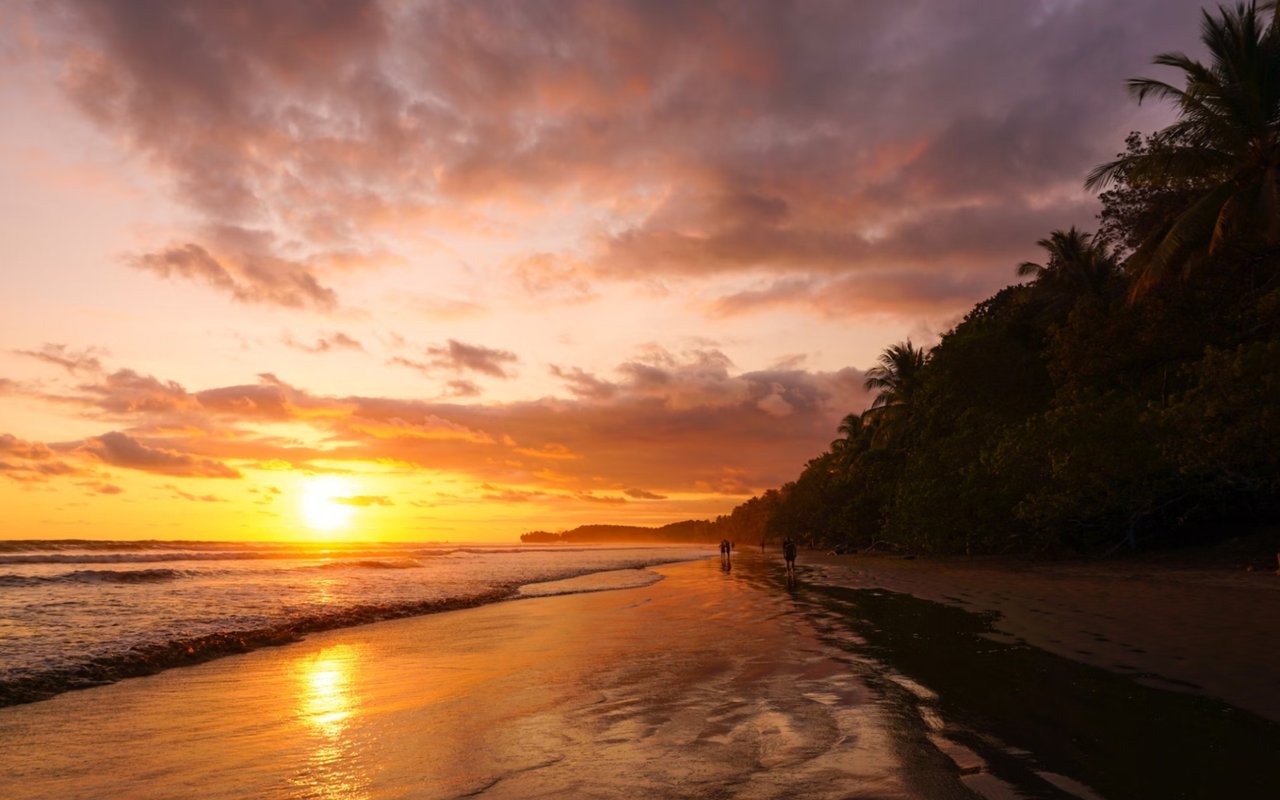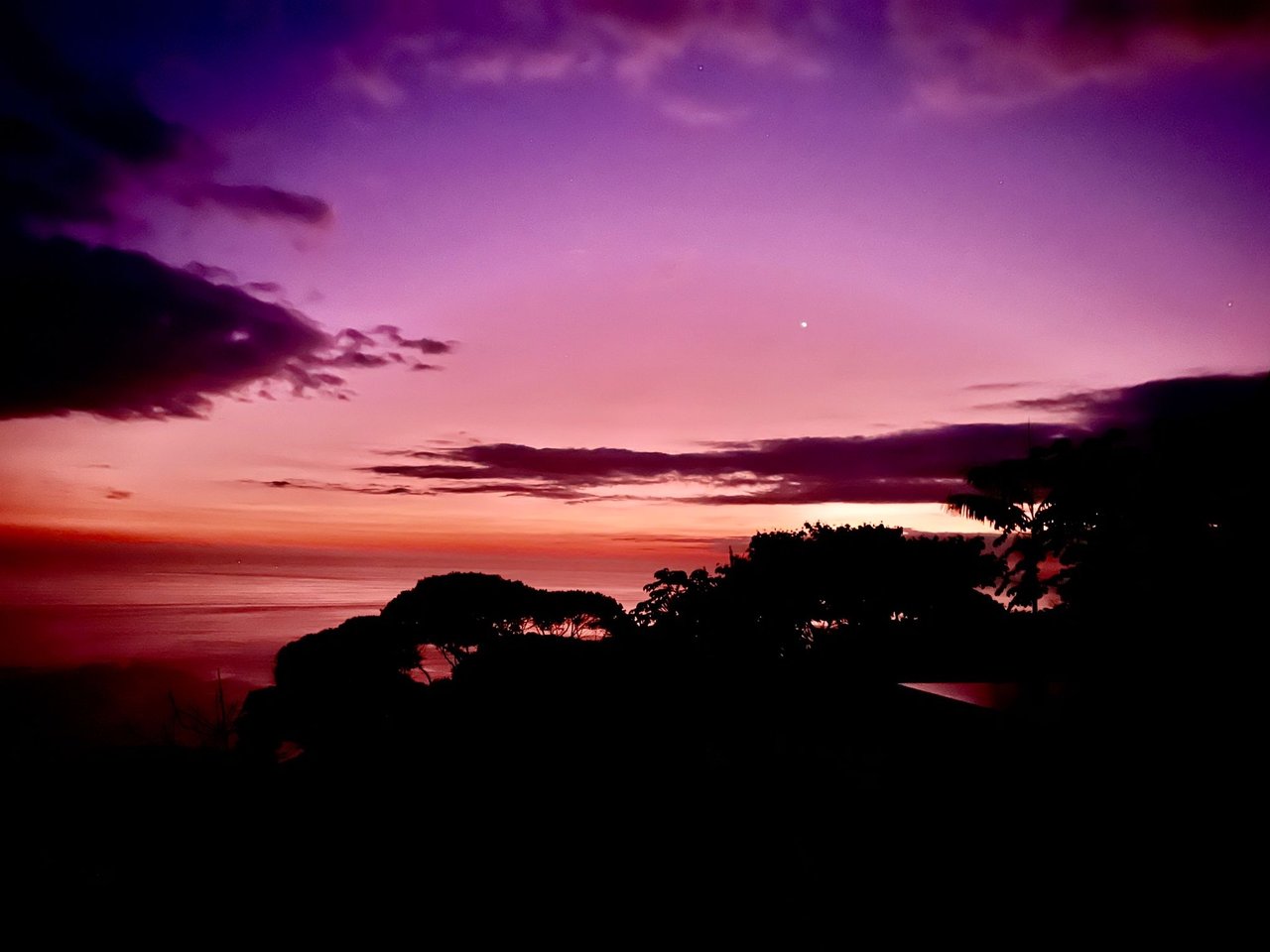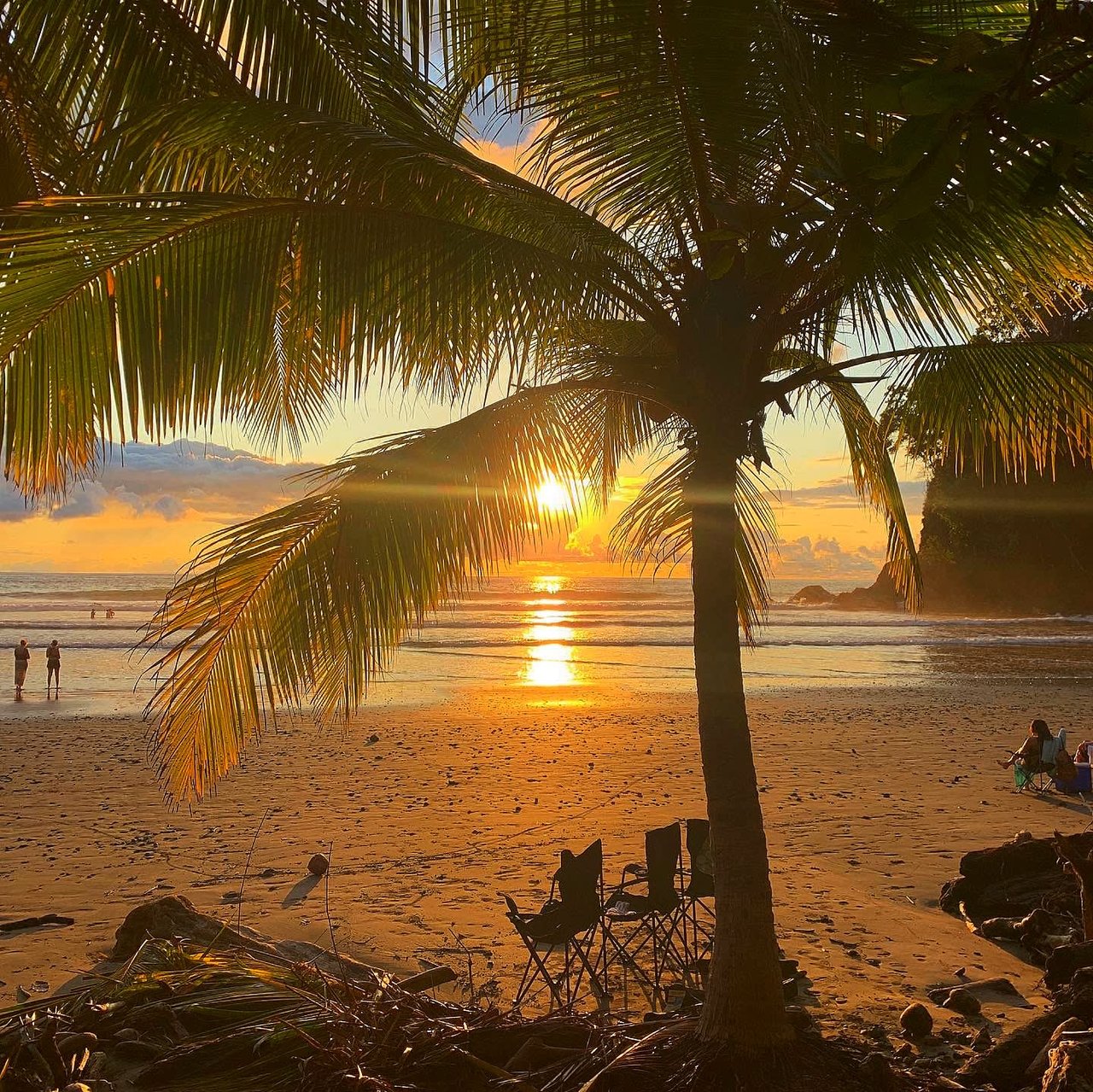
Drive the Costanera Sur past Ojochal after dark right now and you might pass a small group in dark clothing walking the sand at Playa Tortuga with a flashlight pointed at the ground instead of the water. They are not looking for anything glamorous. They are looking for a track, a disturbed patch of sand, a sign that an Olive Ridley female came ashore in the last few hours. Late August sits at the front edge of the busiest stretch of the year for this work. The patrol program that Reserva Playa Tortuga runs on this beach operates nightly from August 1 through November 30, and the reserve's own data points to September and October as the densest weeks for actual nesting activity. That means the next several weeks are not the season's opening act. They are the run-up to its loudest chapter.
Most of what gets written about turtle season treats it as a spectacle: turtles arrive, eggs hatch, everyone claps. The version that actually matters if you live here is quieter and more mechanical, and it explains why the reserve organizes this the way it does.
What a Nest Actually Costs the Beach
Reserva Playa Tortuga publishes its own season averages, and they are worth sitting with. In an average year, about 40 adult Olive Ridley females come ashore to nest on this stretch of coast. Over a season, the reserve protects roughly 100 nests, each carrying an average of 98 eggs. Do the arithmetic and that is somewhere near 9,800 eggs moved into the hatchery in a typical year. The reserve also reports releasing around 4,000 hatchlings per season.
Run those two numbers against each other and the release rate lands close to four in ten. Not every egg collected becomes a turtle that reaches the water, even inside a hatchery built specifically to protect them from poaching and predation. Incubation temperature determines the sex of Olive Ridley hatchlings, and clutches vary in viability regardless of how carefully they are handled. The reserve's own hatchery record is the honest number, and it is lower than the mental image most people carry of a protected nest as a guaranteed outcome.
That is not a mark against the program. It is the reason the program exists at all in this specific form: nightly, four months long, staffed by rotating volunteers and trained biologists rather than an occasional check-in. A protection effort that only shows up some nights, or only during the busiest weeks, would see that release number drop further. The consistency is the intervention. One night's walk on the beach does not save a season. Four months of them does.
The Two Ways to Actually See It
There is a practical split here that most visitors and even some residents miss. Watching an actual nesting event is close to a matter of chance. You would need to be on the beach on the right night, in the right stretch of sand, before the female finishes and returns to the water. The reserve's material is candid about this: nesting activity clusters heavily in September and October, but a specific female on a specific night is not something anyone can schedule around.
A hatchling release is different. Those are organized events, announced through the reserve's Facebook page as nests approach their hatch date, and they are open to all ages. If you have out-of-town family arriving this fall and want a reliable way to show them something real rather than staged, this is the one to plan around rather than the one to hope for.
For residents who want to do more than watch, the reserve keeps its access tiered by age. A few things worth knowing before you call:
- Beach patrols accept participants as young as 10, as long as they are accompanied by a responsible adult.
- The formal volunteer program, which involves training on data collection and hatchery protocol, requires participants to be 18 or older.
- Public hatchling releases have no age restriction.
- Locals interested in joining a patrol can call the reserve directly at 2786-5200 to arrange a night.
None of this requires a multi-week commitment. The longer-term volunteer stays that the reserve is known for internationally, the kind that involve full training in sea turtle biology and nightly rotations, are built for visitors staying weeks at a time. Joining a single patrol as a resident is a much lighter ask, and it is the version most people in Ojochal actually use.
The Season Nobody Mentions
The beach patrol season gets the attention, but it is only four months of a year-round operation. Reserva Playa Tortuga was formed in 2009 by a group of community members and Costa Rican scientists, and it sits on a 75-acre biological preserve now held in a land trust, positioned within the wetlands influence of the Térraba-Sierpe basin. Outside the July-through-December turtle window, the same staff and volunteer structure runs a mammal inventory tracking more than a dozen species on the property, including coatis, kinkajous, tayras, river otters, and several monkey species, along with harder-to-track residents like anteaters, opossums, and sloths that show up mostly on the reserve's camera traps. There is an ongoing bird survey covering the species that move through Ojochal and the reserve's surrounding forest. There is a crocodilian tracking project that puts trained staff and volunteers on the water by kayak and boat after dark to monitor the caimans and crocodiles in the estuary. There is even a butterfly garden built to support a longer-running study of local butterfly life cycles.
The point is not that Ojochal has a lot of wildlife programs. It is that the turtle patrol you see on the beach this week is one visible piece of a research operation that runs continuously, with turtle season simply being the busiest and most public-facing stretch of it. If you assumed the reserve goes quiet once the last hatchling is released in December, it does not. It just moves indoors and into the mangroves.
What Else Is on That Beach
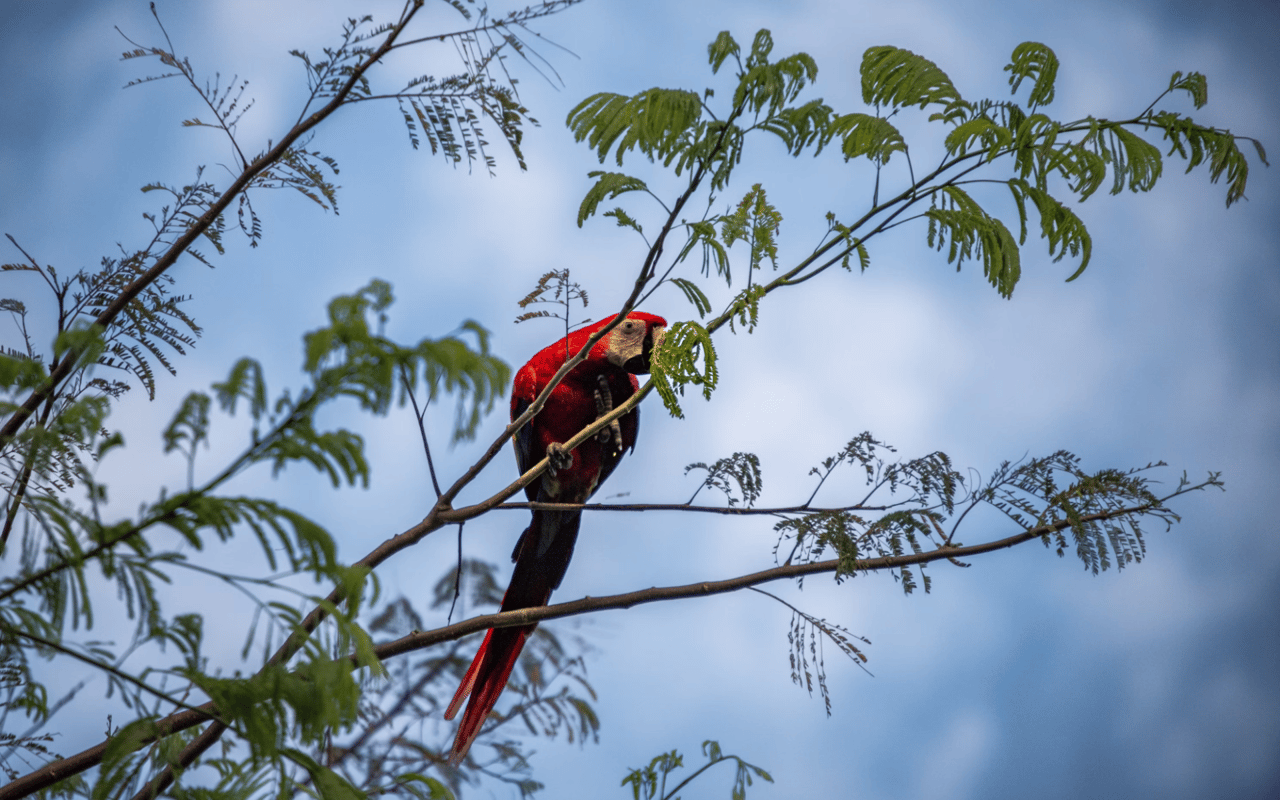
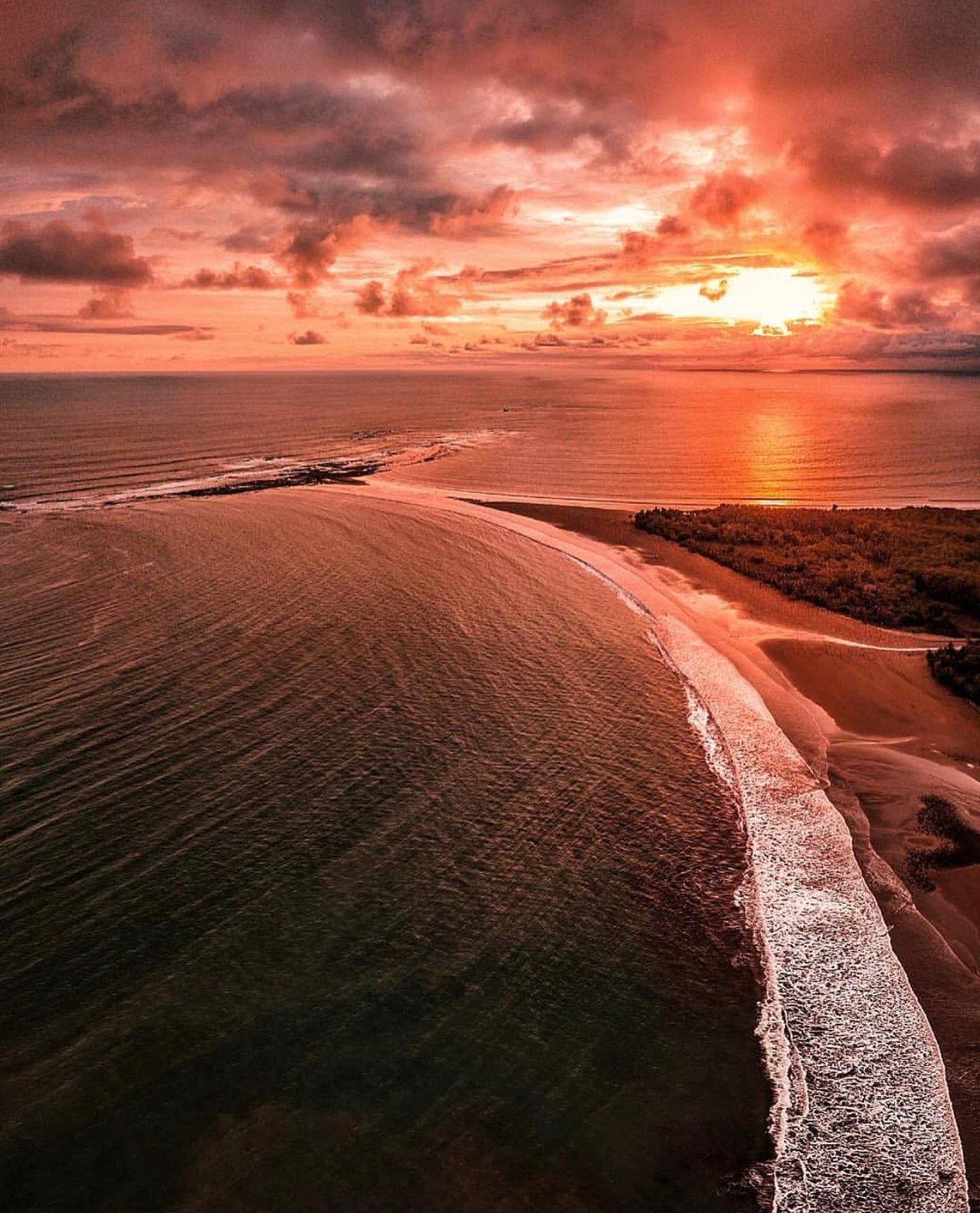
Playa Tortuga itself is worth knowing beyond the reserve's programming. At low tide, the beach exposes Las Ventanas, a set of sea caves cut into the rock at the northern end that you reach by walking the sand rather than driving in. The shoreline is also known for its natural driftwood formations, pieces that have washed in and settled into shapes that look almost deliberate. Macaws and capuchin monkeys are common enough sightings here that they come up in nearly every account of the beach, turtle season or not.
A few practical notes if you have not made the drive out recently. The access road requires a 4x4 in most conditions. Parking is free but limited to roughly ten vehicles, which is rarely an issue given how few people make the trip compared to the more heavily trafficked beaches to the north. There is no restaurant on the beach itself. If you are planning a morning at Las Ventanas or an evening release, plan your meal in Ojochal town before or after.
None of this requires turtle season to be worth the drive. But right now, with patrol trucks running the beach after dark and the season's busiest weeks still ahead, it is a genuinely good stretch to make the trip, whether you are walking a patrol shift, watching a release with your kids, or just timing a low tide to see the caves.
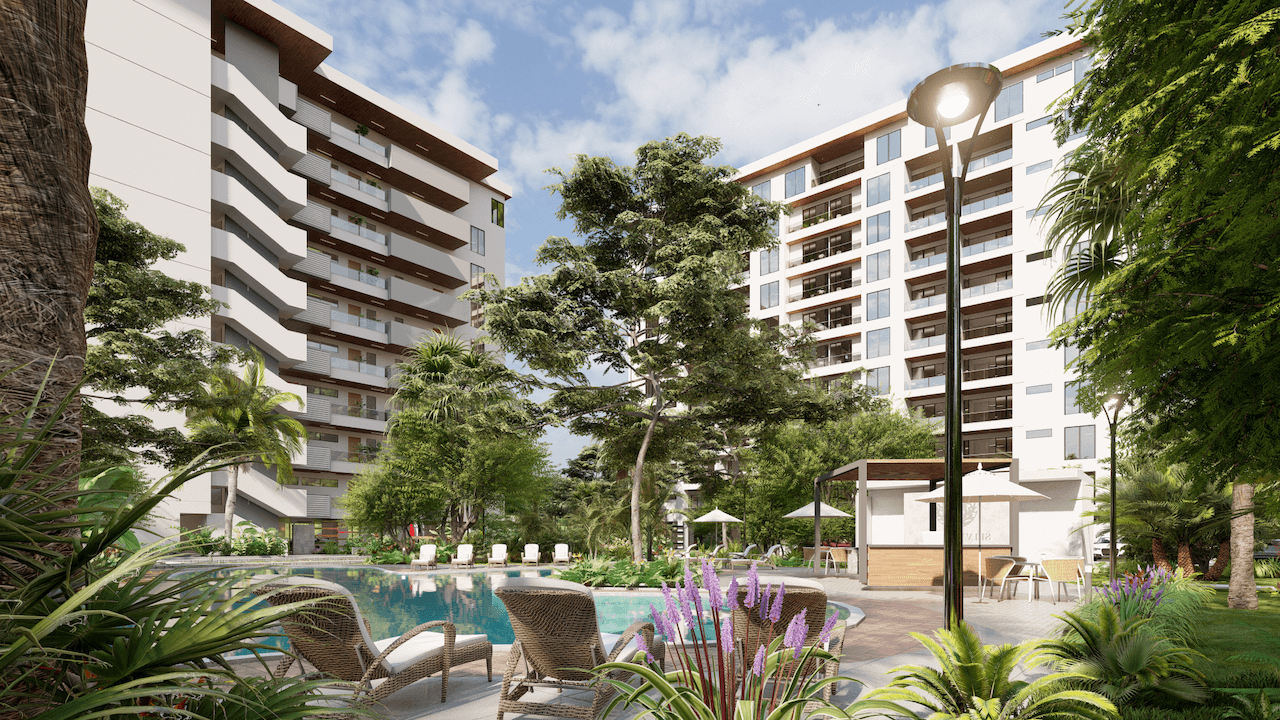
Conservation-minded land use is part of what makes this stretch of the Southern Pacific worth paying attention to in the first place, on the beach and off it. If you are curious about property in Ojochal or the surrounding Costa Ballena communities and want to talk with people who know this coastline in more than the tourist sense, Blue Zone Realty International works across Ojochal, Uvita, Dominical, and Manuel Antonio. Schedule a private consultation whenever the timing is right for you.