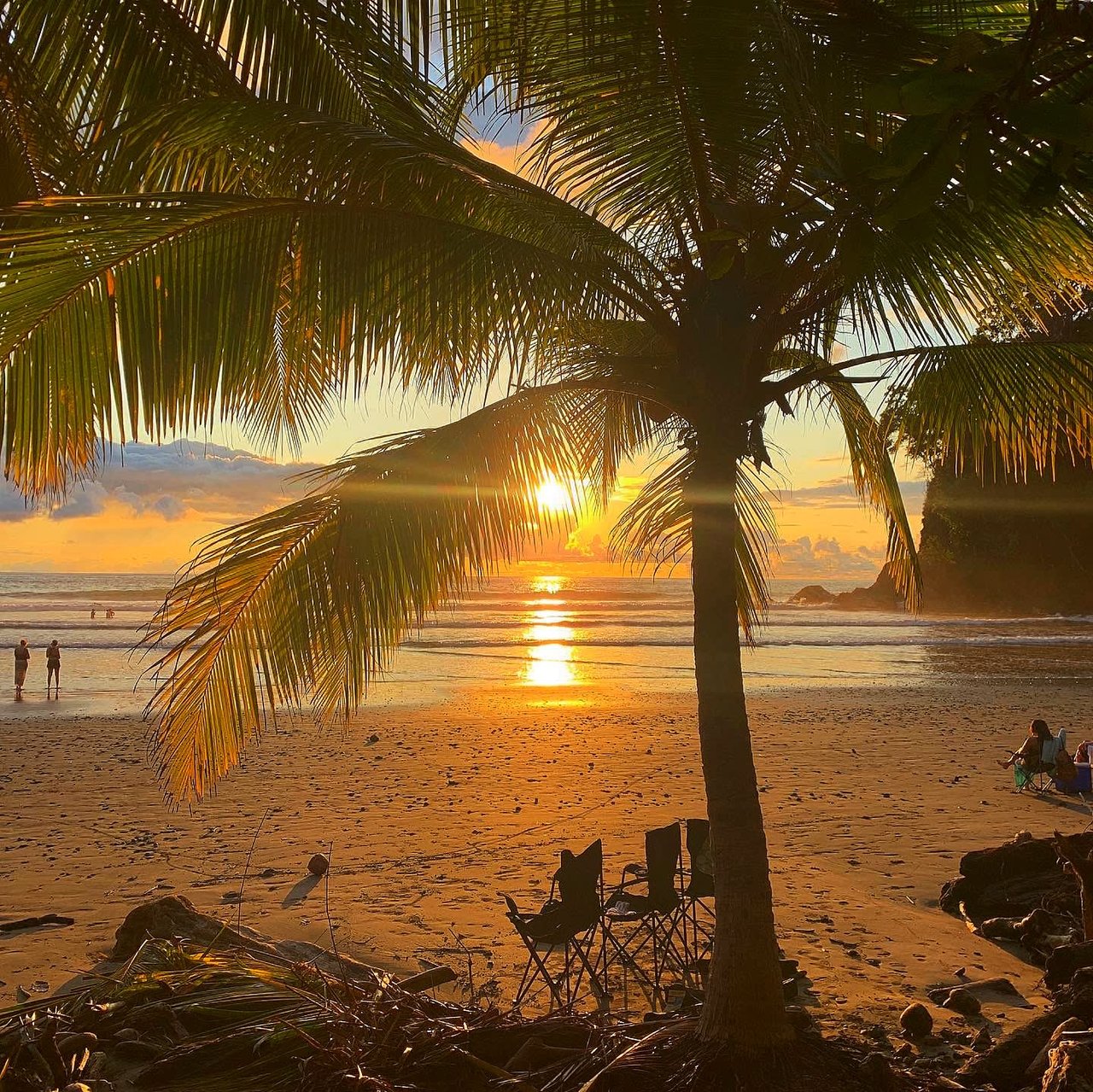
"For the cost of a cup of coffee." That's how longtime Costa Ballena supporter Richard Abraham used to describe the dollar-a-day pitch for keeping guards in the towers at Playa Dominical. It's a small ask for something residents here tend to take for granted every time they walk past the tower on their way to the water: someone watching the river mouth, someone who knows which sandbar just shifted, someone who will swim out if the rip gets you before you know you're in it.
What most people who live here don't fully register is how thin the wire is that holds that watch in place. Dominical's lifeguard program has never been a government service. It is a volunteer effort that a handful of surfers built from nothing after a hurricane, and it has been rebuilt, refunded, and occasionally nearly lost more than once since.
The Number Everyone Quotes, and What It Replaced
The statistic that gets repeated, most recently in a Tico Times retrospective published in late August 2026, is that the patrolled stretch of Playa Dominical has gone twenty-nine years without a preventable drowning. Set against what came before, that number does real work. Tico Times reports that Dominical was averaging around twenty drownings a year in the early 1990s, and one local surf guide who moved to town in 1998 recalls that the year before the lifeguard program started, eighteen people drowned on that same stretch of sand alone.
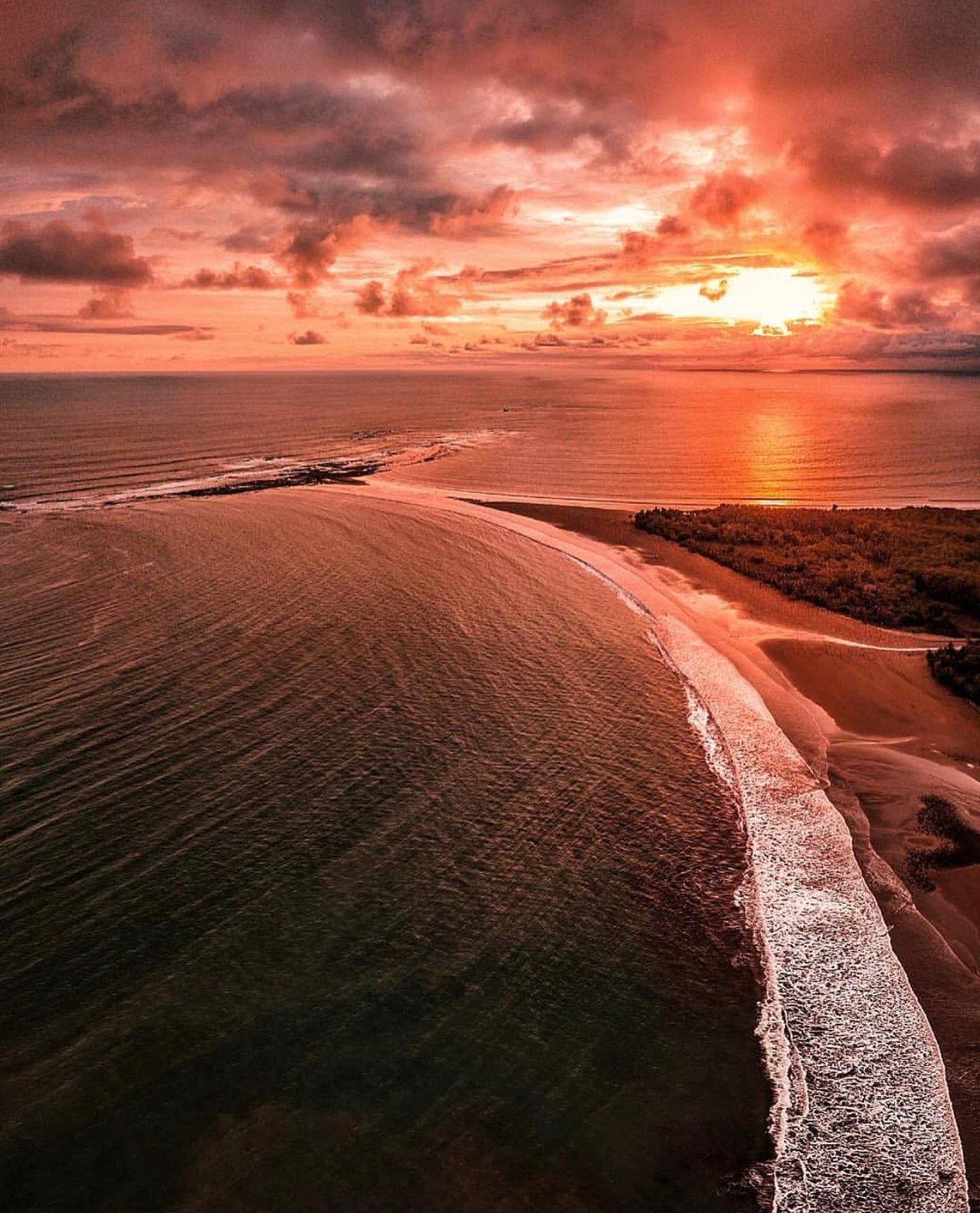
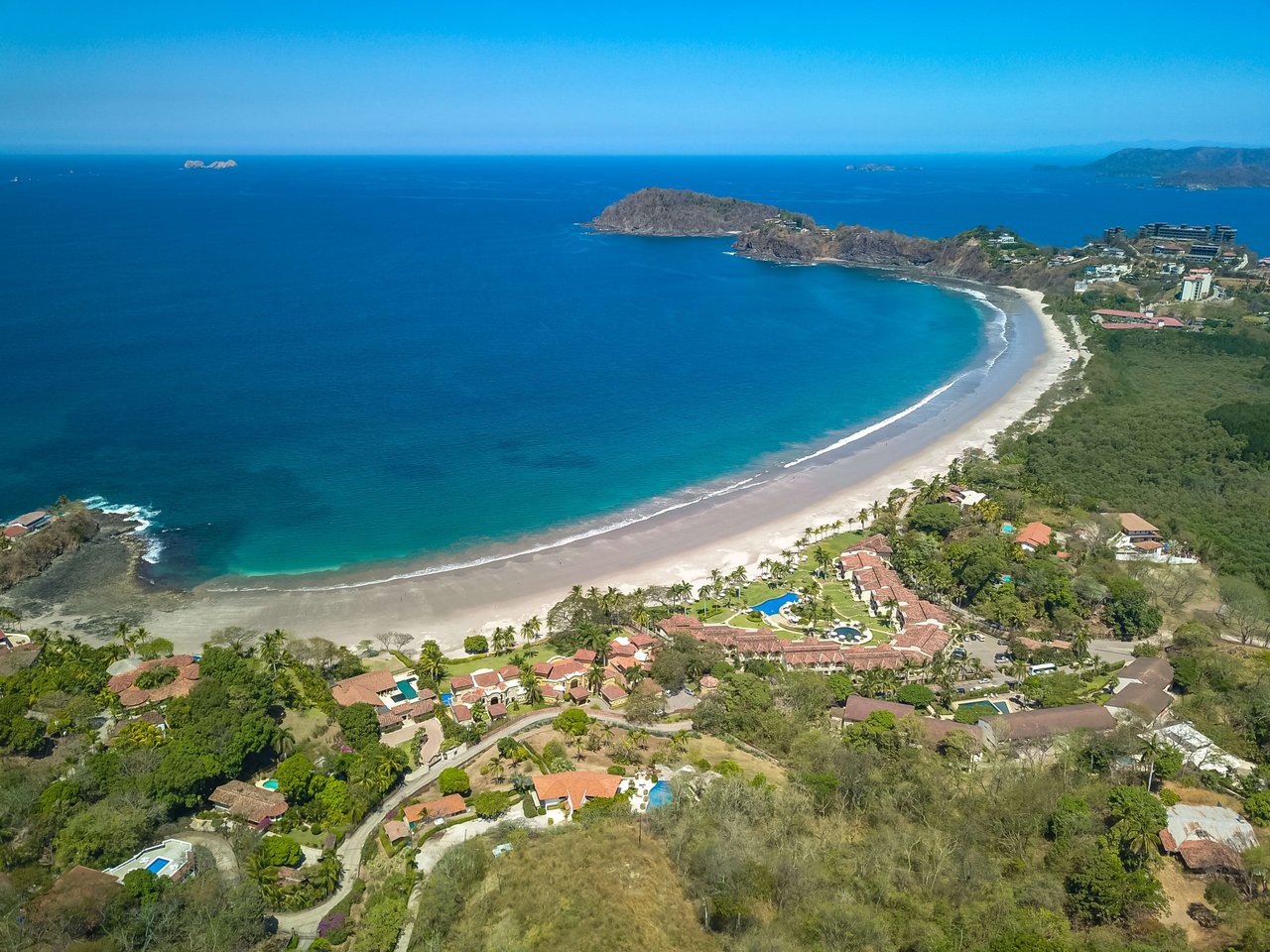
This was not a beach with occasional bad luck. It was one of the most dangerous stretches of coastline in the country, a beach break with a river mouth at one end, a bottom that drops from shallow to deep with no warning, and swells that build past ten feet with waves that can triple overhead. Costa Rica as a whole still sees 150 to 200 drownings a year on beaches with far gentler reputations. Dominical, by contrast, patrols one of its most punishing beaches and has kept its preventable-death count at zero for nearly three decades.
That did not happen because the ocean got calmer.
How It Started, and How It Almost Didn't
In December 1996, after Hurricane Cesar tore through the region, a small group of Dominical-area residents decided the town needed trained rescue capability rather than luck. Roy Gonzalez and Mike McGuiness are credited as the founders. They brought in a veteran beach lifeguard from the United States, trained eight local residents, and put them to work from a newly built tower. For the first five years the whole operation ran on private donations, no salaries guaranteed, no equipment budget beyond what people gave.
The program changed hands more than once. Mike Witte funded Matt Haley's move to Costa Rica in 1998 to lead the team, and Andrew Webster took over guard leadership after Haley left. Witte kept the program funded through personal donations until 2014. In 2018, Perry Gladstone formalized things by creating a legal nonprofit association, which is how the program landed partial municipal support and how Alvaro Cedeno came to serve as lifeguard captain. The Tico Times piece notes there was at least one year with no captain at all, a gap that shows how close the whole system has come to lapsing.
That association now operates as Guardavidas de Costa Ballena, and it covers both Playa Dominical and Playa Hermosa de Uvita, which means the same rotation of guards and the same fundraising machine keeps two beaches safe, not one.
A Fundraiser That Keeps Changing Hosts
Since 2002, the backbone of that fundraising machine has been an annual party on or near July 4th. For years it ran on the beachfront patio at Roca Verde Hotel, MC'd for a long stretch by Richard Abraham with Diane Abraham running the kitchen. The Roca Verde version became a fixture: live music, an auction, a barbecue, kids' games, a day of the kind of revelry a small surf town does well.
The event has not stayed in one place, and that instability is part of the point. Hosting duties and organizing have passed through a rotation of local businesses over the years, including:
- Tortilla Flats
- SoCosta
- Rancho Ramy
- Maracatu
- Mono Congo
More recently, the flagship benefit moved off Roca Verde's patio entirely and onto Whale Tail Brewery in Uvita, with Bud Thompson stepping in as the current organizer. One recent version of the event paired the usual silent auction, prizes donated by local outfits like Jackpot Sportsfishing and Dominical Waverider, with a presentation from Innoceana, the Ojochal-based ocean conservation nonprofit, folding marine conservation into the same evening as lifeguard funding. Semana Santa brings a second major fundraiser, the Semana Santa Classic surf contest, which in one recent year pulled in over $3,500 from more than thirty sponsors along with donated food, plants, and art.
None of this is incidental detail. It is the actual funding model. When a hosting relationship ends, when a hotel changes hands or a bar closes, the program has to find a new venue and a new organizer or the money stops.
The Surfers Are the Ones Getting Pulled Out
One fact tends to surprise people who assume the lifeguards mostly rescue inexperienced tourists wading in too far. According to the lifeguard association's own numbers, surfers account for roughly 30 to 40 percent of rescues at Dominical, not swimmers. The mechanism is simple. Leashes snap in heavy surf, boards drift, and a meaningful share of the people paddling out here cannot actually swim well without one.
In a recent multi-year tally the association shared publicly, guards logged 63 rescues, issued roughly 12,000 warnings to swimmers about rip currents, and responded to 35 medical emergencies, including stingray injuries, over a three-year stretch. The organization has also run a Box Swim Challenge and a full day of surf-rescue training aimed specifically at local surfers, teaching board-based rescue techniques because the community realized its own regulars, not day-tripping beginners, were the ones ending up in trouble.
If you surf here regularly and have never had a rescue scare, that is largely because someone in a tower has been watching the sandbars shift for years.
Support That Arrives, Then Leaves Again
The municipality has helped, intermittently. Between 2017 and 2022, it covered salaries and social security contributions for two full-time guards, a real and meaningful contribution. When that support ended, the program went back to depending on private backing, which is where it remains today. As of this year the program has added guard infrastructure and expanded its monitoring capacity, according to a Travel And Tour World report published at the end of August, but the underlying funding model has not changed. It is still a nonprofit staffed by volunteers with one paid administrator, still dependent on whichever restaurant or brewery agrees to host the next fundraiser, still running close to the edge some months.
That precarity is the part locals rarely say out loud, maybe because saying it feels like tempting fate. But it is the honest version of the story behind the number everyone repeats.
What This Actually Means If You Live Here
The twenty-nine-year record is real and it matters. It also does not run on autopilot. It runs on whichever bar picks up hosting duties this year, whichever captain agrees to lead the crew, whichever surfer shows up for training day instead of just paddling out. If you have ever dropped a few dollars in a tip jar at a fundraiser without knowing exactly where it went, now you know: it likely helped keep someone in a tower the next time the river mouth gets ugly at high tide.
Dominical's beach safety is not a public service the town can assume will always be there. It is closer to a subscription the community renews every year, sometimes at Roca Verde, sometimes at Whale Tail Brewery, always by people who decided this mattered enough to keep showing up.
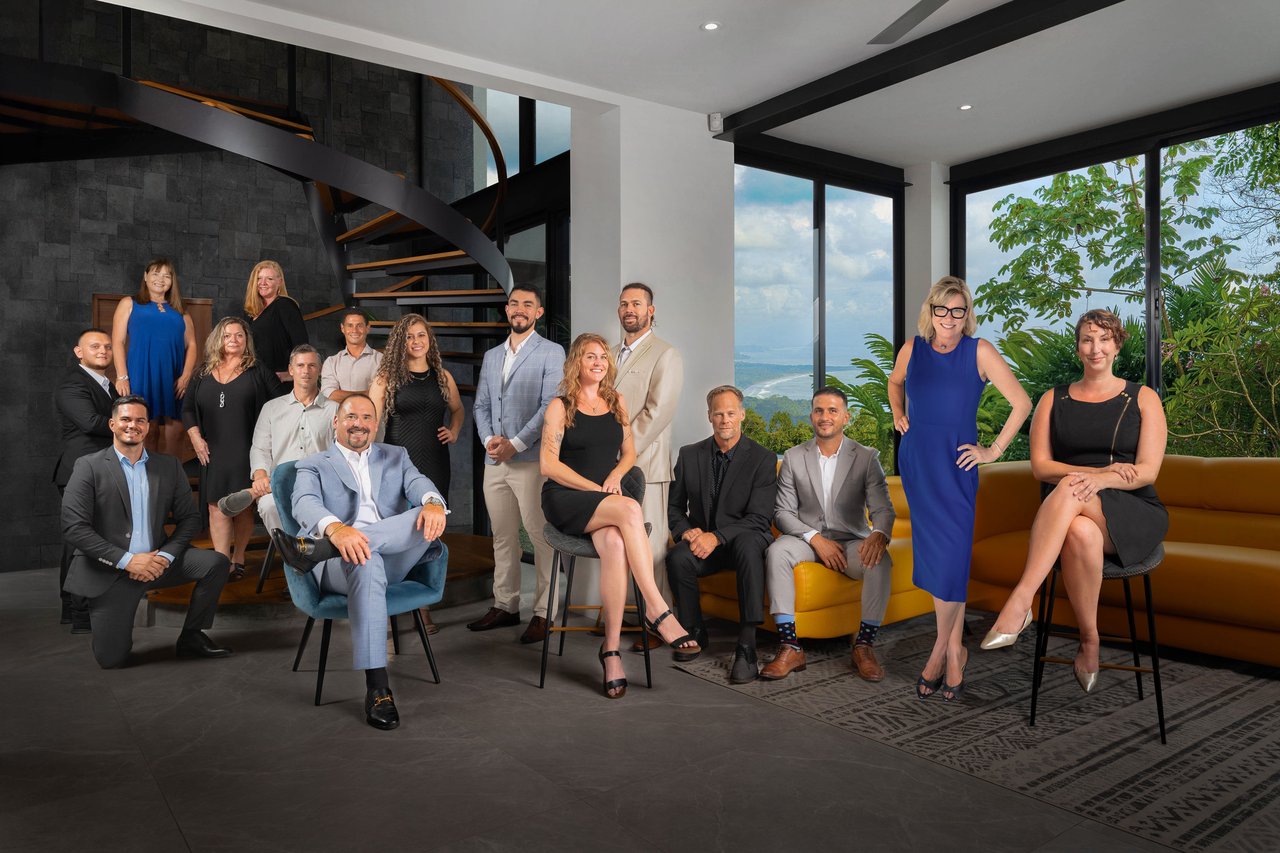
If you're already living the Costa Ballena life and want a clearer read on how this town's daily rhythms, from the surf schedule to the local calendar, actually shape property decisions down the road, the team at Blue Zone Realty International works across Dominical, Uvita, Ojochal, and Manuel Antonio and is always glad to talk through what's changing here. Schedule a private consultation whenever you're ready.