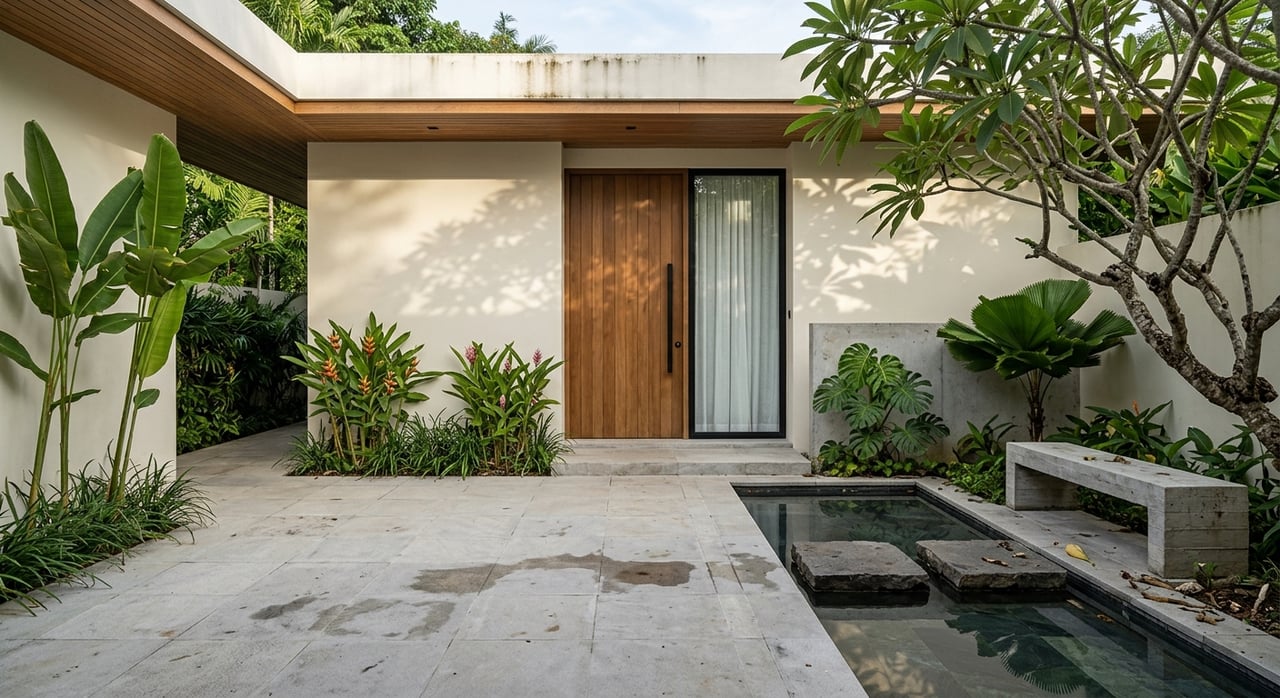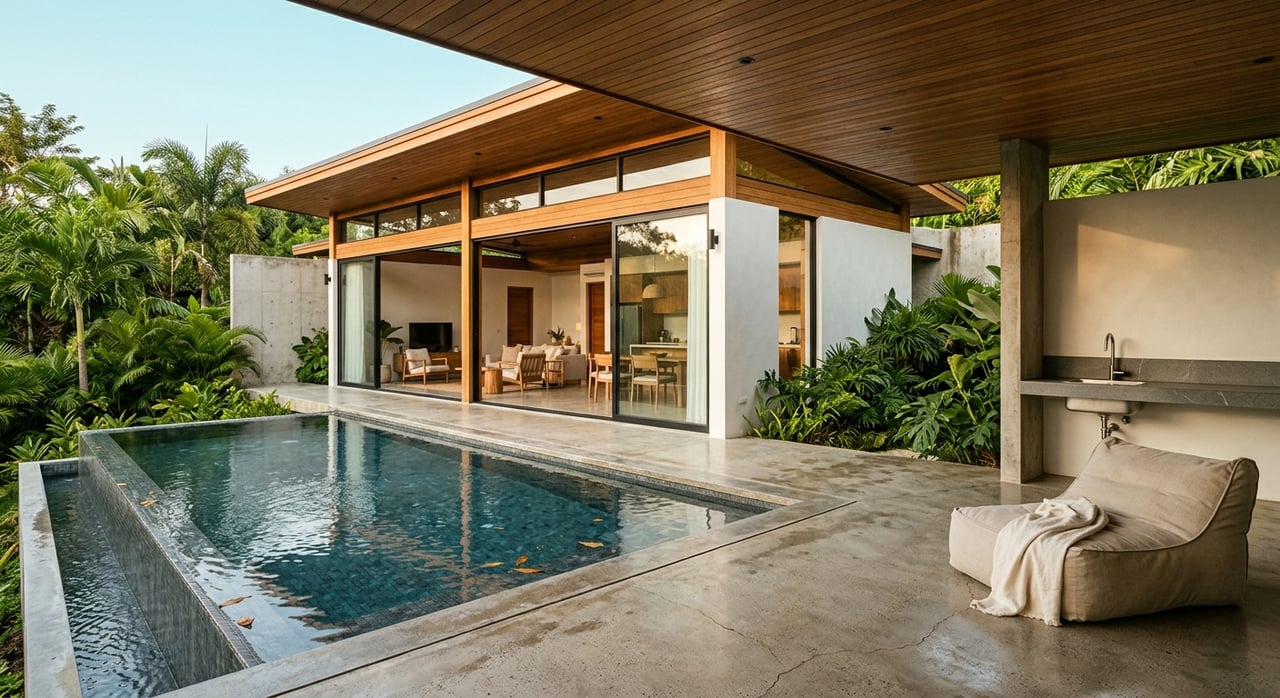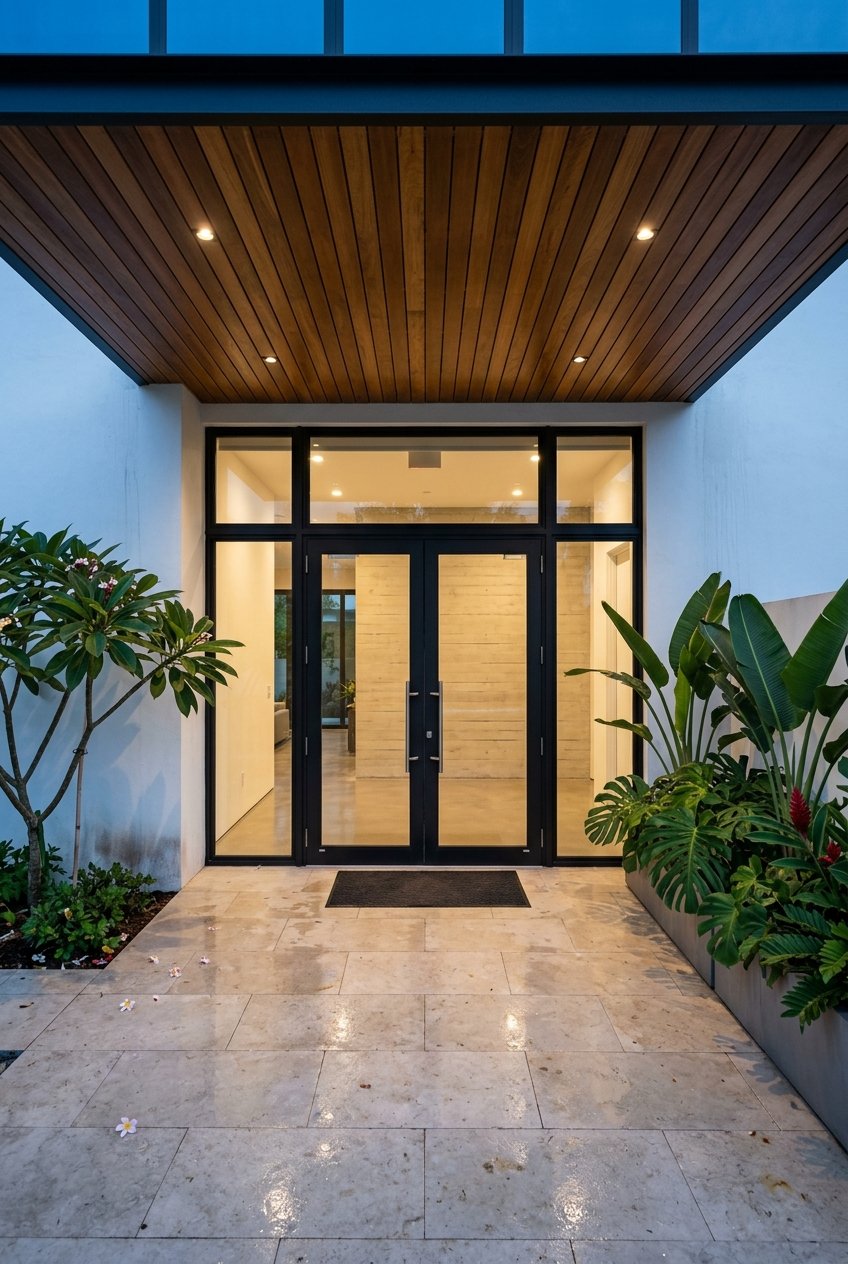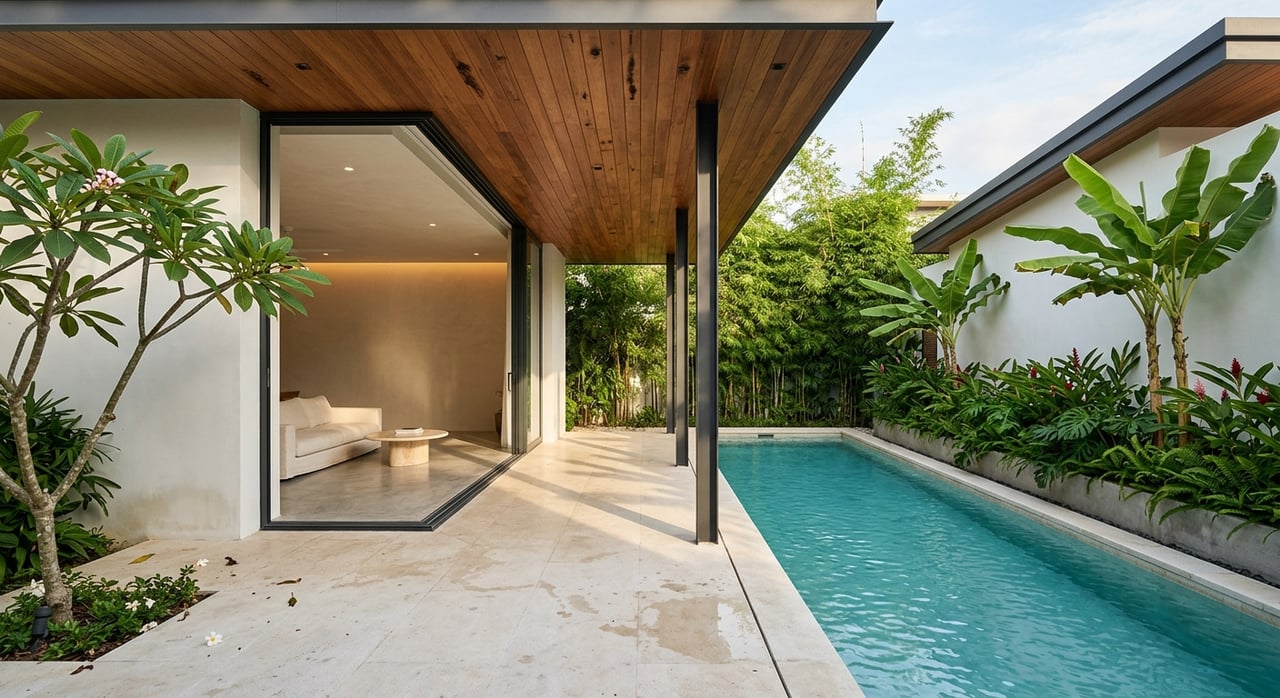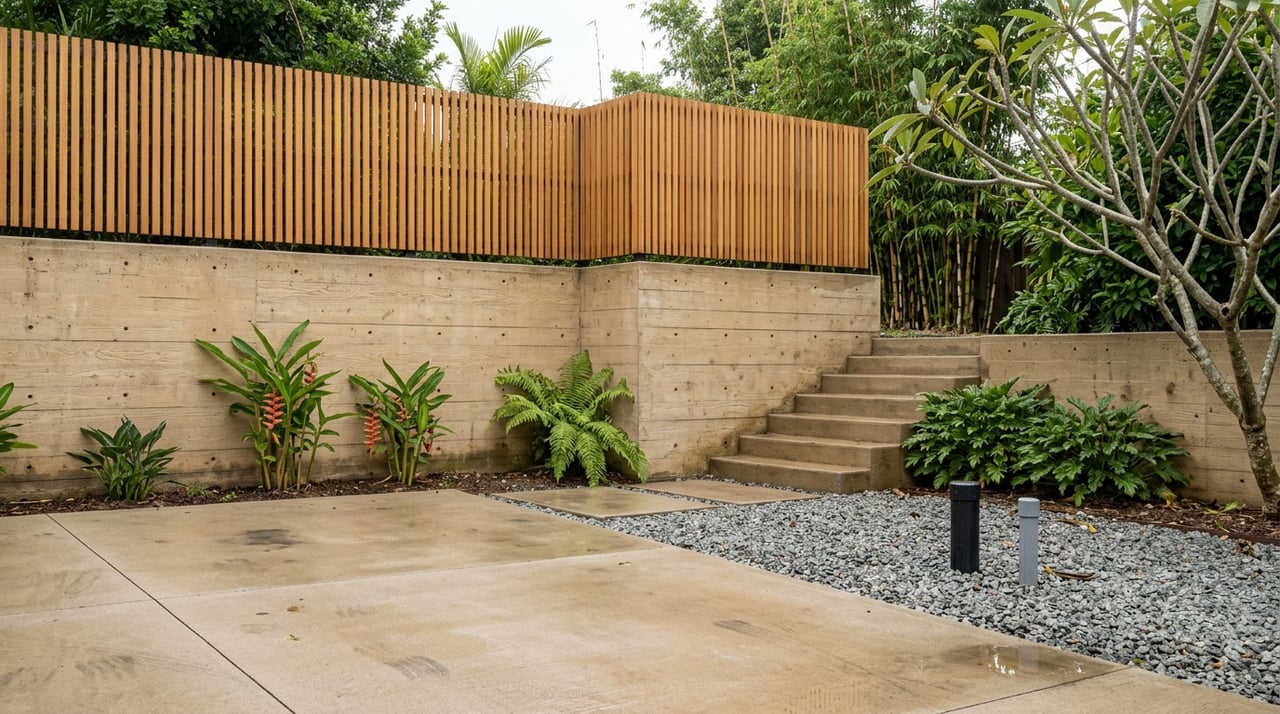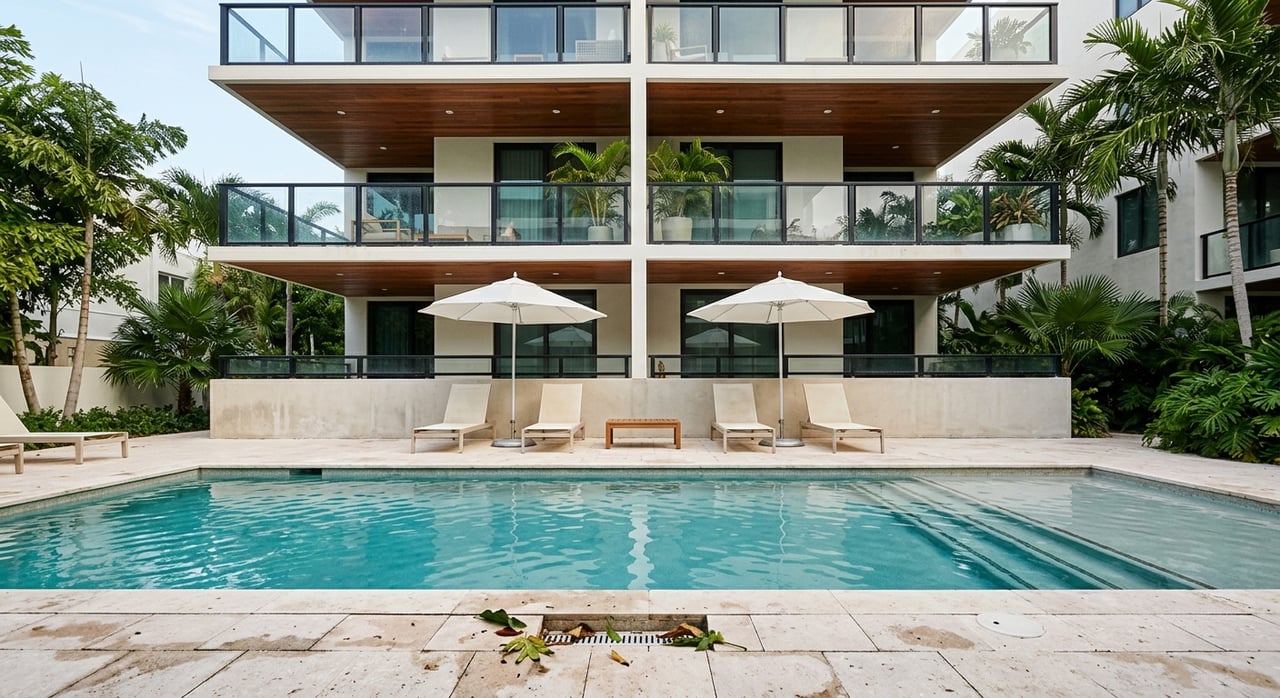
A buyer sits with two folders on the closing table. One holds a titled deed for a hillside lot above Quepos. The other holds a concession contract for a stretch of frontage near Playa Espadilla. The instinct is to treat the folders as a pass or fail test. Titled means safe. Concession means proceed with caution. That instinct is where the real risk in this market actually starts.
The label on the paperwork tells you which legal category a property falls into. It does not tell you whether what was built matches what was permitted, or whether the government plan a concession depends on is the same plan it was three years ago. Both questions matter more than the titled-versus-concession label itself, and each ownership type fails them in a different way.
What Titled And Concession Actually Mean Here
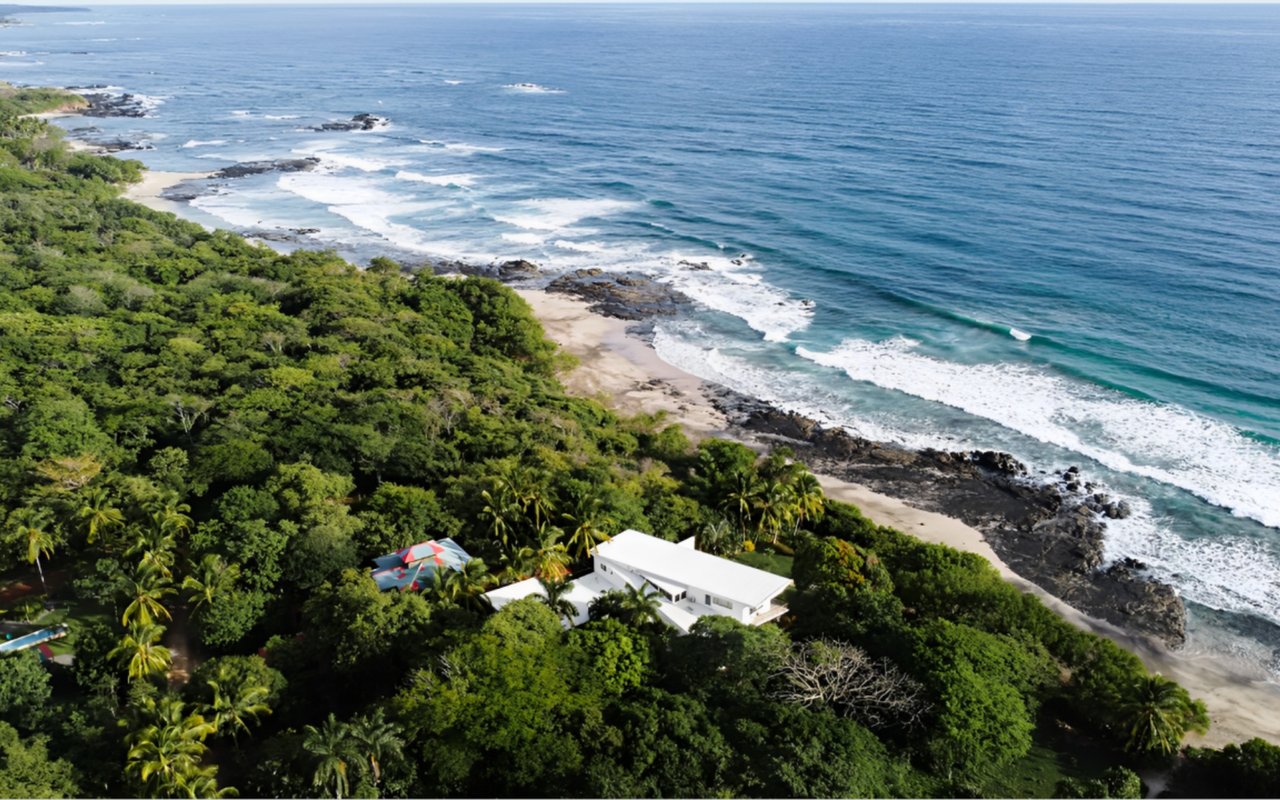
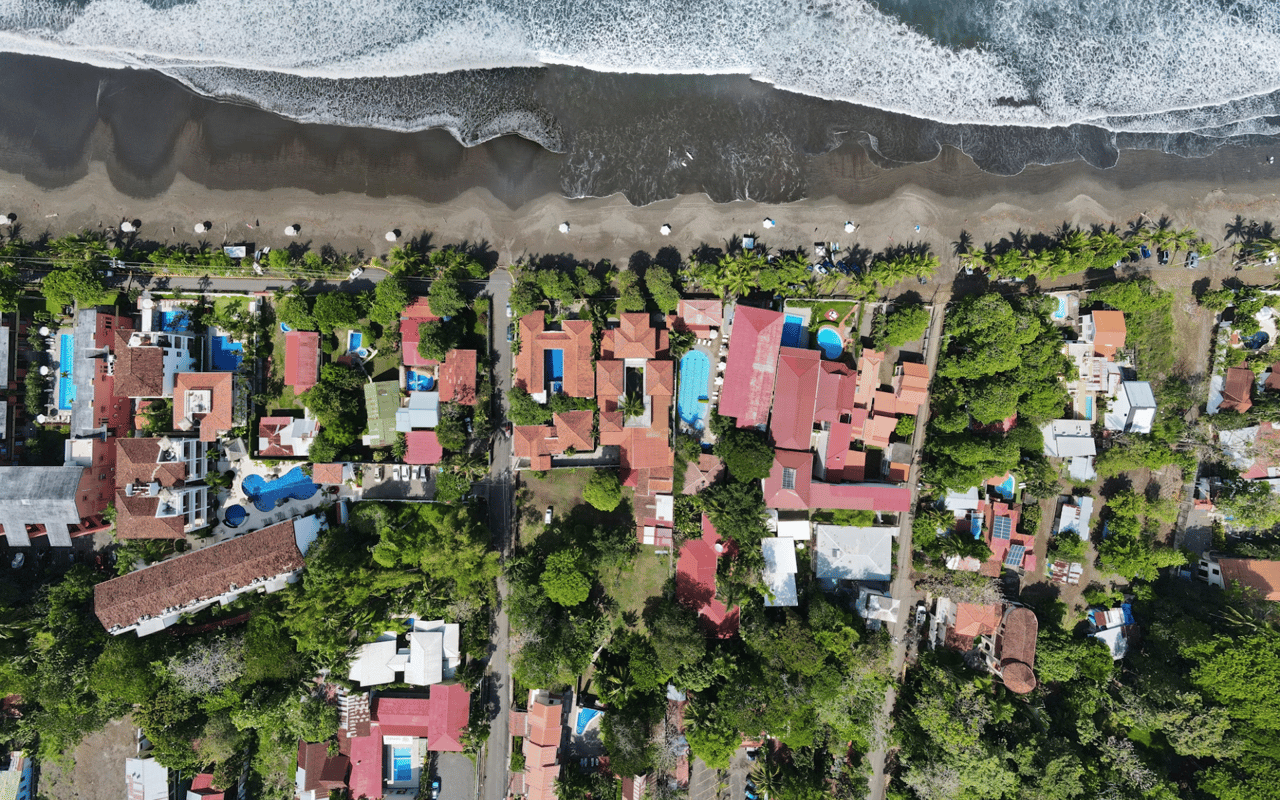
The Maritime Terrestrial Zone, or ZMT, runs 200 meters inland from the mean high tide line along every Costa Rican coastline. The first 50 meters are public land where no private use or construction is permitted. The remaining 150 meters are the restricted zone, where the state retains ownership and use rights are granted through a concession issued by the local municipality and ratified nationally. Land outside that 200-meter strip can be held as titled, fee-simple property, recorded directly in the National Registry.
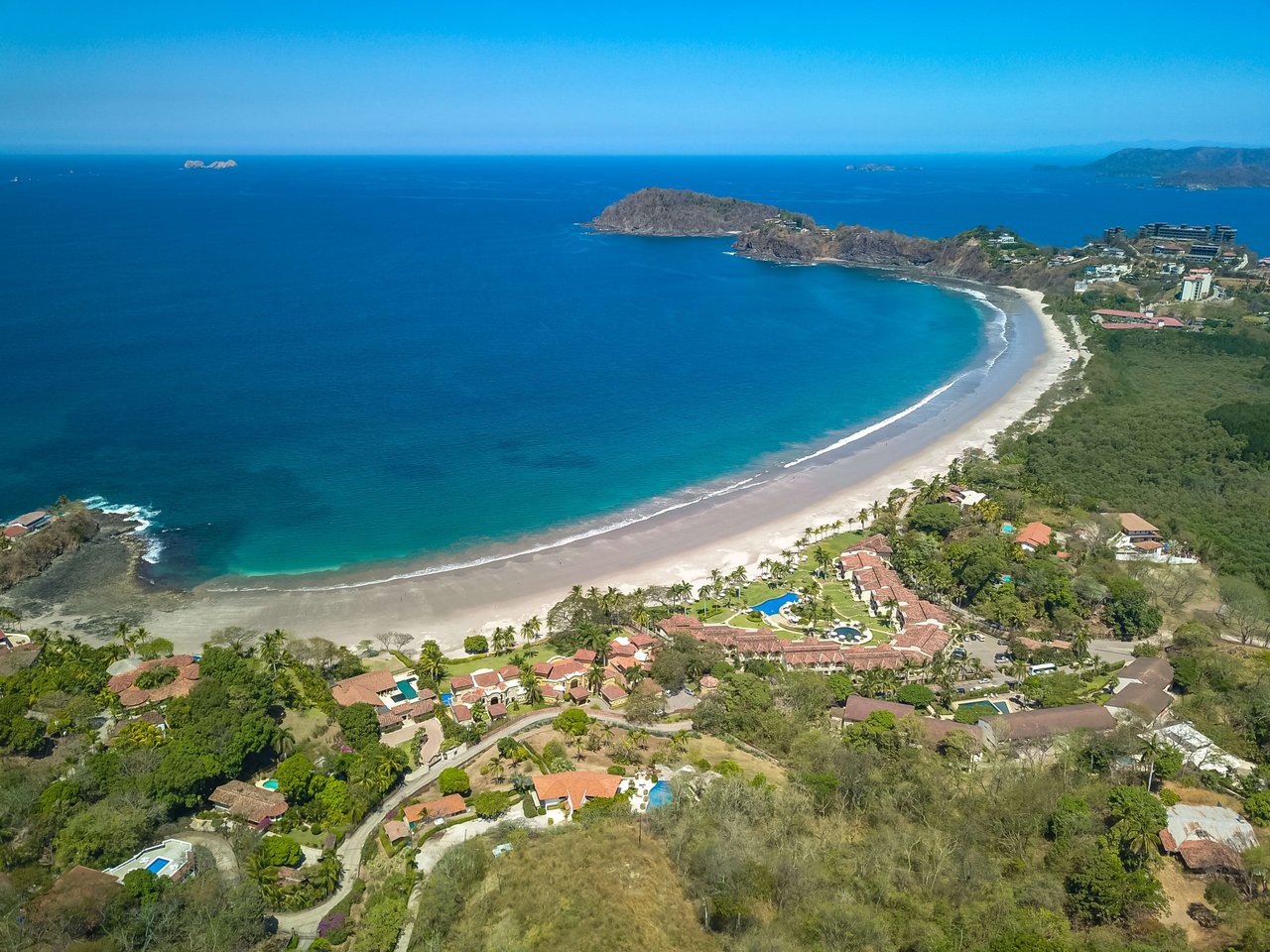
That distinction is well covered elsewhere. What gets less attention is what each type actually requires a buyer to verify, and Manuel Antonio and Quepos are a useful case study because the municipality's own records show both risks in plain view.
What A Concession Actually Costs You Every Year
A concession is not a one-time purchase price plus closing costs. It carries an annual canon paid to the municipality instead of a traditional property tax, and that canon is calculated as a percentage of the property's appraised value, recalculated at each new appraisal rather than fixed at signing.
A 2022 Quepos municipal council record for a parcel in the Playa Espadilla coastal sector shows how this works in practice: the concessionaire was assessed a 4 percent annual canon on the property's appraisal, totaling 6,488,064 colones, payable in advance quarterly. That figure will not be what a comparable concession costs today, but the mechanism is the point. A titled property in Costa Rica pays an annual property tax of roughly 0.25 percent of registered value. A concession's carrying cost runs at a multiple of that rate and rises every time the municipality reappraises the land. Buyers who compare concession and titled properties on purchase price alone are missing the number that compounds every year they hold it.
The Plan That Can Move Under You
Every concession in Quepos is administered against a specific instrument called the Plan Regulador Costero, and for the stretch of coast that includes Manuel Antonio's most sought after frontage, that instrument is the Plan Regulador de Playa Espadilla, covering the coastal sector from Parque Nacional Manuel Antonio to Playitas. The Municipalidad de Quepos manages concession applications, renewals, and boundary inspections for this zone directly through its own ZMT department.
The tourism designation behind this plan goes back to 1970, when the Espadilla coastal sector was declared apt for tourism development by the national tourism board. But the plan that implements that designation on the ground is not a document frozen in 1970. Municipal council records show it gets revisited. In a January 2025 ordinary session, the council took up an item titled introduction of the environmental variable for the coastal regulatory plan at Playa Espadilla, a formal step in updating the plan's environmental component.
That matters because a concession's legal standing depends entirely on conformity with whatever version of the plan regulador is current. A title search on fee-simple land tells you what was true when the deed was recorded and stays true until the next transfer. A concession's status can shift when the underlying municipal plan is revised, independent of anything the concessionaire did or didn't do.
A concession is only as solid as the plan regulador behind it, and that plan is not frozen the day you close.
Where Titled Property's Risk Actually Lives
Titled land solves the ownership question. It does not solve the construction question, and in Manuel Antonio's market of steep lots and villas built for both personal use and vacation rental income, that second question is usually where buyers get surprised. Local attorneys who work this market describe a recurring pattern: additions built without permits, drainage or retaining wall work on steep terrain that was never formally approved, staff housing added to a property without going through the municipal process, and septic systems sized for the owner's personal use rather than for the higher occupancy a rental listing generates.
None of that shows up in a clean title search. A title tells you who owns the land and whether liens exist against it. It does not tell you whether the guest house behind the main villa was permitted, or whether the septic tank can handle a fully booked week during high season. Buyers who treat a titled deed as proof that everything on the property has been verified are solving the wrong problem.
Two Ownership Types, Two Different Diligence Paths
| Titled Property | Concession Property | |
|---|---|---|
| Foreign ownership | Full fee-simple ownership, no residency requirement | Requires five years of legal residency, or a Costa Rican corporation with at least half Costa Rican ownership |
| Annual carrying cost | Roughly 0.25 percent of registered value as property tax | A canon calculated as a percentage of appraised value, recalculated at each new appraisal |
| What can change after closing | Ownership record stays fixed until the next transfer | Legal standing depends on the municipality's current plan regulador, which can be revised |
| Where the paperwork usually fails | Unpermitted additions, undersized septic for rental occupancy, unapproved staff housing | Concession not registered properly, boundary or use conflicts with the current plan |
| Term | Permanent | Granted for a fixed period, typically five to 20 years, renewable but not automatically |
The Diligence Order That Matches The Risk
The verification steps a buyer needs depend on which type of property is in front of them, but the order matters as much as the checklist itself.
- Confirm the current registration status at the Registro Nacional. For titled land, this means the escritura and folio real. For concession land, this means the concession's registration and any liens or disputes attached to it.
- If the property is a concession, confirm its standing against the current version of the applicable plan regulador with the municipal ZMT department before making an offer, not after.
- If the property is titled, request the full municipal permit history, not just the most recent permit, so additions and modifications can be checked against what was actually approved.
- For any property intended for rental income, verify that septic or wastewater capacity was sized for the occupancy the listing advertises, not the occupancy the original owner used.
- Confirm that access and easements are recorded documents, not assumed arrangements based on a visible driveway.
- If the concession is held through a corporation, confirm the ownership structure actually meets the Costa Rican ownership threshold rather than assuming the paperwork was set up correctly at formation.
- For construction near the coast, confirm the environmental permitting review through SETENA was completed for any work done after the original build.
Frequently Asked Questions
Can a foreigner get a mortgage on a concession property? Financing is harder to arrange against concession land than against titled property. Most international lenders and Costa Rican banks are more comfortable underwriting against a fee-simple deed, which is one reason titled inventory tends to carry a premium at resale.
What happens if a municipality decides not to renew a concession? Under the Maritime Zone Law, a concession can run for five to 20 years and is renewable, but renewal is not automatic. If a concession lapses because the holder failed to meet its terms, the municipality is not required to compensate for improvements. If it lapses because the municipality needs the land for a documented public interest, compensation for improvements is required.
Does marrying a Costa Rican citizen change the residency requirement for a concession? No. As of early 2026, marriage to a Costa Rican citizen does not automatically grant a foreigner the right to hold a concession in the restricted zone. The five-year residency requirement, or the Costa Rican ownership threshold for a holding corporation, applies regardless of marital status.
The paperwork in front of you will always say titled or concession. What it will not say, on its own, is whether the plan behind a concession is the same one it was when the last buyer closed, or whether the additions behind a titled villa were ever permitted. That's the verification Blue Zone Realty International walks clients through before an offer goes in, not after. Schedule a private consultation to go through the specific property in front of you.