A closing date gets set. The wire is ready. Then the seller's attorney comes back with a problem that has nothing to do with the property itself: the corporation that holds title hasn't paid its annual corporate tax, so the Registro Nacional won't issue the standing certificate needed to record the sale. The house is fine. The land is fine. The paperwork is stuck behind a bill that was due back in January, sitting in a jurisdiction where property title and corporate compliance are two separate systems that have to line up on the same day.
That specific failure point was laid out clearly by the Tico Times in a September 2026 explainer on buying property in Costa Rica: owners who hold real estate through a company owe an annual corporate tax each January, and if it goes unpaid, the Registro Nacional will not issue the certificates or record the documents a closing depends on. It is a small administrative rule with an outsized ability to stall a transaction at the worst possible moment.
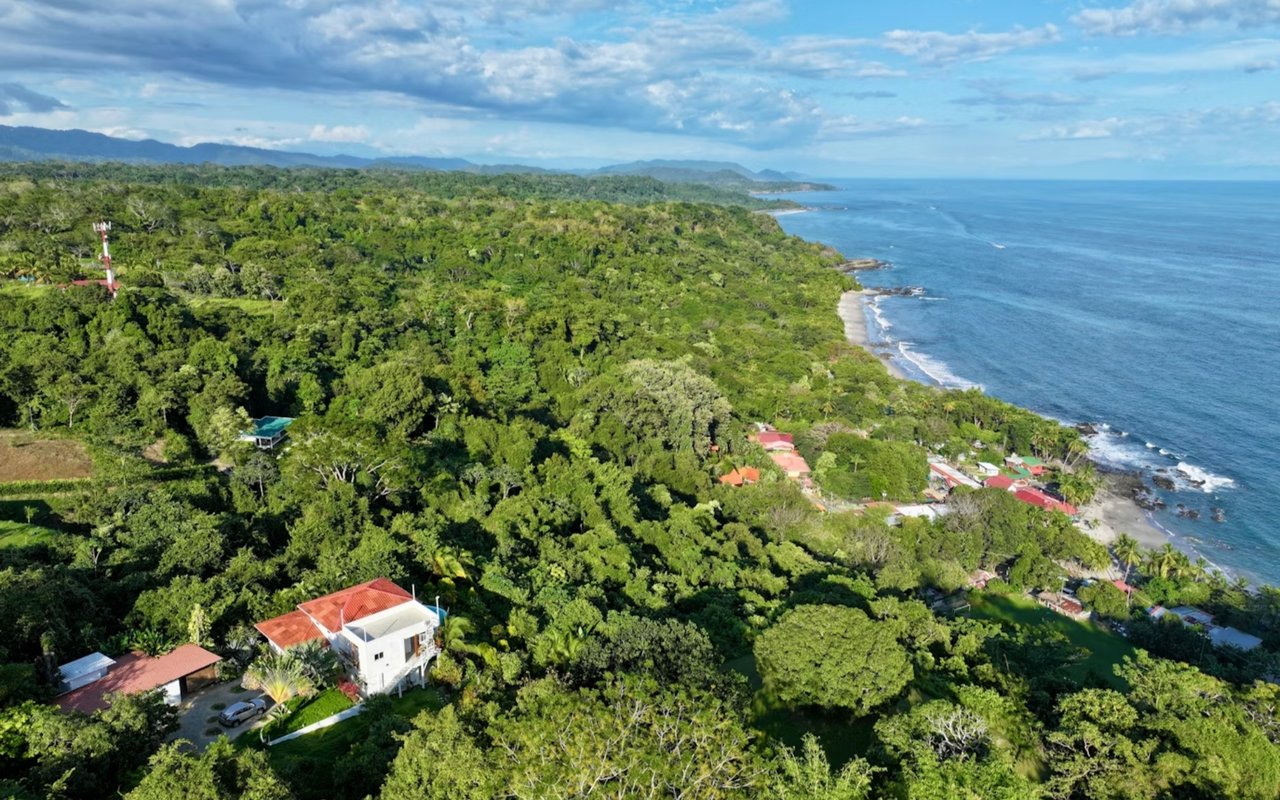
Nowhere in the Southern Pacific Zone does that rule bite more often than in Ojochal. The reason isn't bad luck. It's structure.
Why Ojochal Runs Through Corporations More Than Its Neighbors
A researcher named Andrés Leiva studied 2,240 properties across roughly 3,000 hectares in and around Ojochal, tracking transactions from 1990 through 2024. His findings, reported by the Tico Times in June 2025, put 70 to 75 percent of Ojochal's properties in foreign hands, and noted that this ownership runs mostly through corporate structures rather than individual names on a deed. The same study found that 68 percent of the roughly 3,000 real estate deals it tracked closed between $250,000 and $750,000, a band that lines up with the modest home and small-lot purchases that make up most of Ojochal's market rather than trophy estates.
That concentration didn't happen because Ojochal attracted an unusual number of corporate developers. It happened because holding property through a Costa Rican Sociedad Anónima has been standard practice for foreign buyers here for decades, for reasons that have nothing to do with hiding anything: liability protection, easier estate planning, the ability to grant a power of attorney and close from abroad, and a transfer mechanism that doesn't always require the buyer to fly back to Costa Rica for a new deed signing.
The Leiva study also found that this shift, what it called touristification, has pushed rents up 49 percent over the past decade, with much of that increase concentrated in the years after the pandemic. That number matters for a different reason than headline appreciation. It signals a market where land and housing costs are increasingly set by international buyers comparing Ojochal to other lifestyle destinations, not by local wages. If you're pricing a purchase against a portal's median, you're already pricing against that dynamic, whether the comp set behind that median reflects it clearly or not.
Two Ways to Buy the Same House
Here's what that ownership pattern means at the closing table. In Costa Rica, a sale can happen one of two ways, and in Ojochal you're statistically more likely to encounter the second than in almost any comparable Southern Pacific town.
| Direct Title Transfer | Share Transfer | |
|---|---|---|
| What actually changes hands | A new deed recorded at the Registro Nacional | Shares of the Sociedad Anónima that already holds title to the property |
| Transfer tax triggered | 1.5% transfer tax, plus a 0.9% stamp tax on the transaction value | 1.5% transfer tax also applies to share transfers, a rule in place since September 2012; the 0.9% stamp tax generally does not apply |
| What due diligence has to cover | The land: title history, liens, boundaries, permits | The land, plus the corporation itself: Mercantile Registry standing, the RTBF beneficial-ownership filing, corporate books and minutes, and any undisclosed debts or contracts the entity carries |
| Who's actually being vetted | The seller and the property | The seller, the property, and the legal history of a company that may have existed for years before you ever saw the listing |
A share transfer isn't a red flag. It's the normal route in this market, and it comes with real advantages, including a cleaner path for buyers who want to close remotely through a power of attorney. But it also means your attorney's due diligence workload roughly doubles. You're not just confirming the land is clean. You're confirming the company is clean: no unpaid taxes, no pending litigation tied to a prior contractor or employee, no lapsed beneficial-ownership filing, and shareholder records that actually match who's showing up to sign.
What the Median Price Doesn't Show You
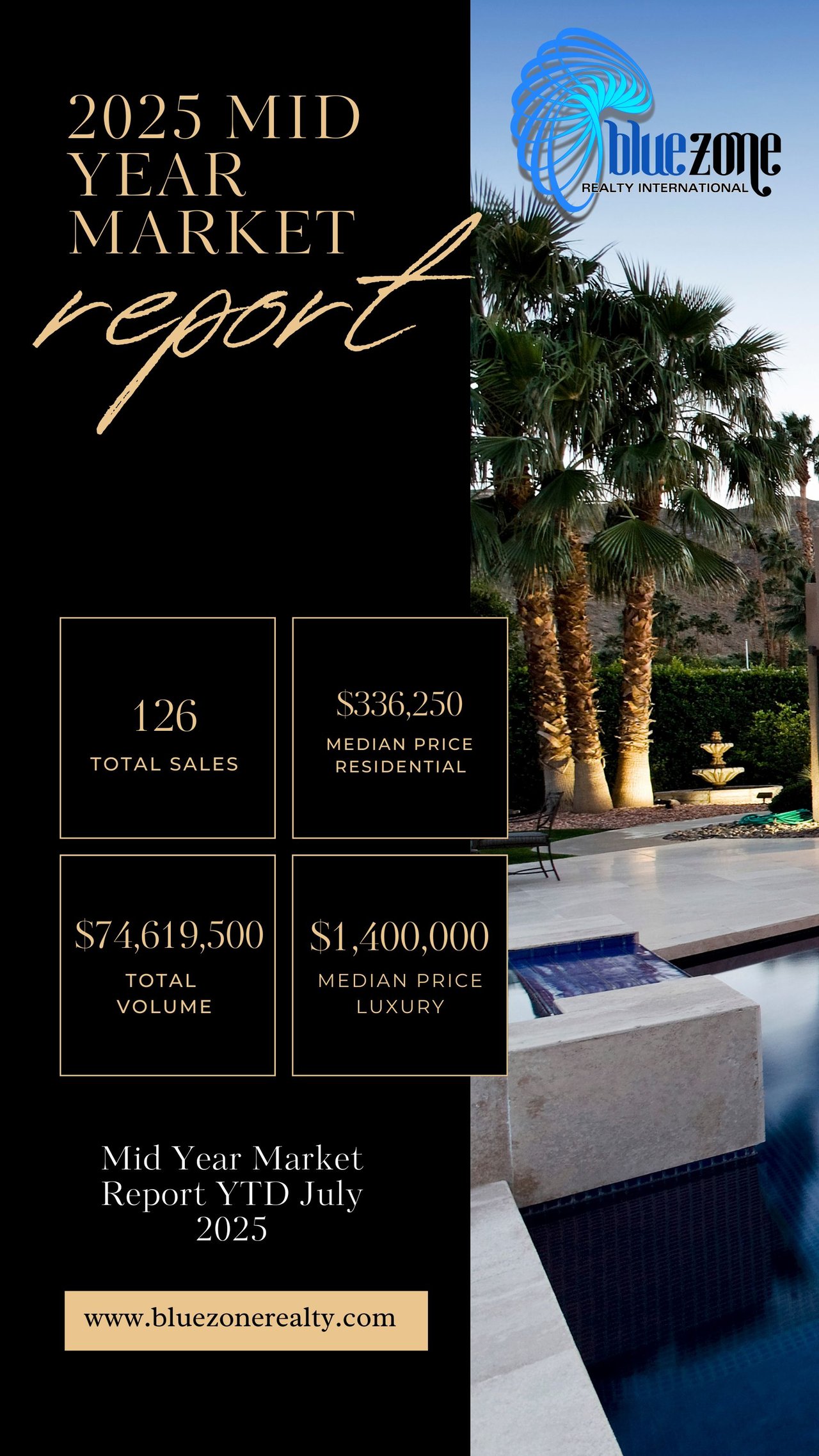
When a portal shows Ojochal's median sale price, it's blending two very different kinds of transactions into one number: a smaller share of conventional deed transfers, and a larger share of share transfers where a foreign seller's corporation passes to a foreign buyer's corporation. Those two transaction types carry different closing costs, different timelines, and different risk profiles, and none of that distinction survives the trip to a median price chart.
It also means the comp set you're evaluating a specific Ojochal property against is disproportionately a foreign-to-foreign, corporate-to-corporate market. That has a practical upside: a large share of prior buyers in this market ran the same due diligence gauntlet you're about to run, which is part of why professional escrow and bilingual notary services are well established here compared to more rural corners of Costa Rica. It also means that a property's paper trail is more likely to include a chain of prior corporate owners rather than a single family who held it for a generation, and each link in that chain is one more thing worth checking.
The Checklist That Doesn't Show Up on a Listing Sheet
If the property you're considering is held in a corporation, which in Ojochal is closer to the norm than the exception, your attorney's due diligence needs to reach past the land survey and into the entity itself:
- Confirm the corporation's standing at the Mercantile Registry and that its annual corporate tax is current, not just for the current year but for the years the seller has owned it
- Verify the RTBF beneficial-ownership filing is up to date, since this is a Central Bank compliance requirement independent of the property title
- Review the corporate books: shareholder registry, minutes authorizing the sale, and the accounting ledger
- Check for undisclosed debts, pending legal claims, or old service contracts still attached to the entity, since buying the shares means buying whatever the company is still carrying
- Confirm who is actually authorized to sign the Share Transfer Agreement on the seller's side, and that the shares being transferred match what the corporate books show
None of this replaces a standard land title search. It sits alongside it, and in a market where most sellers are holding through a company, skipping it is how a clean-looking property turns into a closing delay six weeks later.
What This Changes About Timing Your Offer
The January corporate tax deadline isn't just a compliance footnote. If you're targeting a closing in the first quarter, ask early whether the seller's corporation has already paid that year's tax, or build the confirmation into your due diligence timeline rather than discovering it during closing week. A seller who's current on the corporate side and organized about their RTBF filing is a genuinely good signal about how the rest of the transaction will go. A seller who's slow to produce corporate documentation is worth a second look, not because something is necessarily wrong, but because that's exactly the kind of gap that turns into a stalled closing later.
A Few Questions Worth Asking Directly
Do I have to buy the corporation, or can I ask for a fresh title instead? You can typically request either structure. Some sellers prefer a share transfer because it's simpler on their end; others will agree to a direct title transfer into a corporation you form yourself, which limits your due diligence to the land rather than the seller's corporate history. Ask early, since it changes what your attorney needs to review.
Does buying shares instead of land cost less at closing? The 1.5% transfer tax applies to share transfers just as it does to direct transfers, a rule that's been in place since September 2012. The main cost difference tends to be the 0.9% stamp tax, which generally applies only to a direct property transfer rather than a share sale. Ask your attorney to walk through the actual math for your specific deal rather than assuming either route is automatically cheaper.
If most of Ojochal runs through corporations, can I still buy in my own personal name? Yes. Nothing about the local market requires a corporate structure, and plenty of buyers still register a straightforward deed transfer. The corporate route is common because it's convenient for many foreign buyers, not because it's required.
Ojochal's dining scene and jungle ridgelines get most of the attention in a first conversation about buying here. The corporate paperwork behind roughly three out of every four properties gets almost none, right up until it's the reason a closing date slips. If you're comparing Ojochal against other towns in the Southern Pacific Zone, that structural difference is worth understanding before you write an offer, not after.
Blue Zone Realty International works with buyers and sellers across Ojochal, Uvita, Dominical, and Manuel Antonio, and coordinates directly with the legal and escrow partners who handle exactly this kind of corporate due diligence. Schedule a private consultation before you write your next offer in Ojochal.