On September 28, President Laura Fernández stood at a newly opened 95-meter modular bridge over the Naranjo River in Londres de Quepos and said her government wants private jets landing in Quepos. The bridge behind her was finished and carrying traffic. The airfield she described has a tender and no announced date for awarding it.
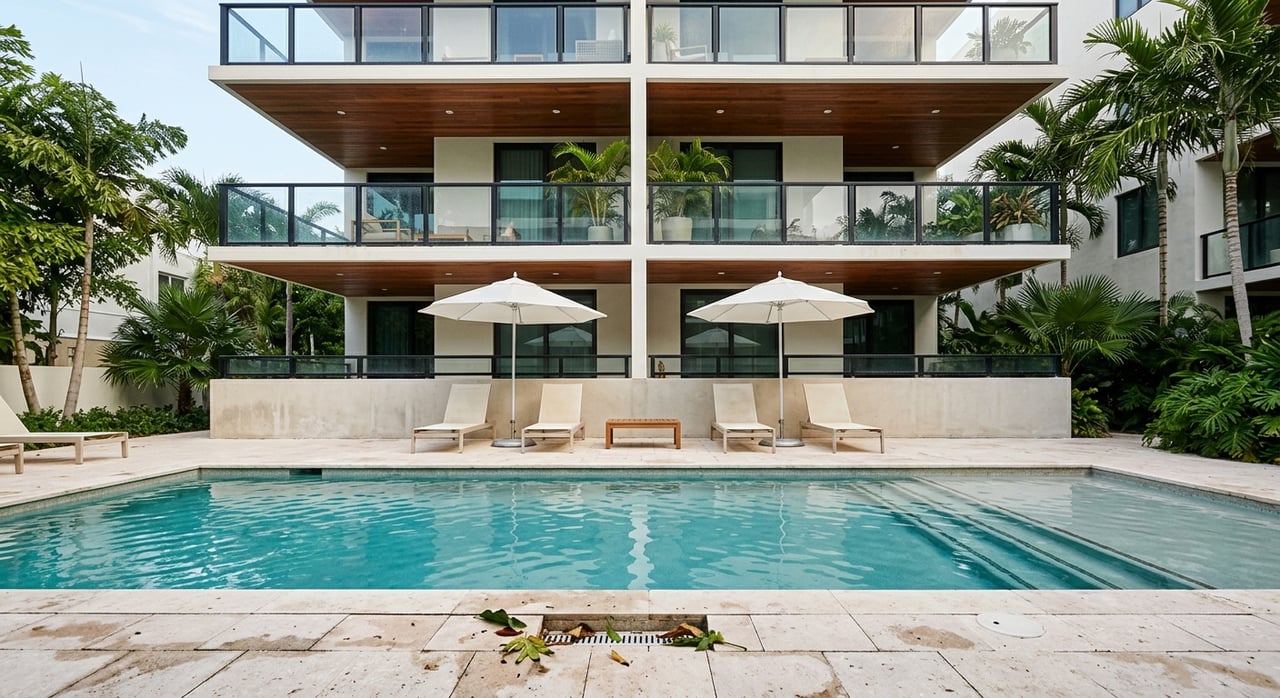
A month earlier, Hilton had announced its first LXR-branded property in Costa Rica, a resort with residences beside Manuel Antonio National Park. Read together, the two announcements suggest a coast moving upmarket on a schedule. They sit at very different points in the process, and a buyer's money either earns or waits depending on which point each one has reached.
Only the bridges are poured concrete
According to the Tico Times, the Naranjo bridge cost ₡466.5 million, about $1 million. It replaces a suspension bridge that had to be closed to vehicles because of accident risk, which forced families in Lourdes and Villa Nueva to travel farther for medical services, schools and jobs. Public Works Minister Efraín Zeledón said the crossing benefits more than 35,000 people and is one of 35 road and bridge projects in the region under PROERI, the emergency program to rebuild infrastructure to a more resilient standard, with more than $70 million committed in the area.
The same announcement added ₡520 million, about $1.1 million, for work on the Savegre River bridge, which the president said had reached the end of its useful life. She also promised local fishers that a dredge would arrive in November to clear the Quepos estuary and the fishing channels they depend on.
The airfield is the piece with the headline. The tender covers ₡2.1 billion, about $4.5 million, for a new private-aviation apron at the existing La Managua aerodrome, with room for up to nine aircraft. A passenger terminal contract would follow, and Zeledón put total planned investment at the aerodrome above ₡5 billion, nearly $11 million. The Tico Times reported that no date has been set for awarding the contract or starting construction.
What the apron is actually sized for
The phrase "private jets" carries a larger picture than the bid documents do. In May 2026, La Nación reviewed the contracting terms for the apron. The scope covers a connector to the runway, earthworks, concrete slabs, stormwater outfalls and access roads. The parking positions were to be marked according to air demand, which the documents describe as mostly small private aircraft and helicopters. That report counted six positions, where the Tico Times in September counted up to nine. The passenger terminal was still in design and had its own open tender on Sicop, the public procurement system.
The demand is documented. The tender's own justification says La Managua went from about 6,000 annual operations in 2017 to 9,129 in 2022. Zeledón told La Nación that the Quepos fishing tournaments and the Quepos and Los Sueños marinas draw many private aircraft that "had nowhere to park." An apron answers that shortage of parking. Whether it makes La Managua a jet field is a separate question, and none of the sources I reviewed address jet operations.
The runway's paper trail
Quepos has heard this announcement before. The Tico Times reported in 2021 that upgrades were first announced in 2017, after which authorities rescinded a building contract when the works never materialized. The aerodrome then sat in disrepair until works began in 2021 with the contractor MECO on a budget of ₡1.7 billion, about $2.7 million.
The 2026 record is more recent. La Nación reported that an award to Concreto Asfáltico Nacional S.A. at $4.4 million was challenged in late April and was pending resolution. The estimated schedule at that point called for an order to start in September 2026 and completion in September 2027. As of September 29, no award date has been announced, so that September start has not been publicly met. The sources do not say whether the current tender is a re-run of the challenged process, and I would not assume either answer.
This history shows why the stage of a project matters more than its announcement date. The stages run in a fixed order:
- A line appears in a budget plan.
- A tender is published.
- An award is made and survives any challenge.
- An order to start is issued.
- The work is completed and operating.
Here is where each item stood on September 29, 2026, based on the sources above.
| Project | Stage reached | Funding as reported | Open item |
|---|---|---|---|
| Naranjo River bridge | Open | ₡466.5 million | None reported |
| Savegre River bridge | Funding announced | ₡520 million | Start date not reported |
| Quepos estuary dredging | Promised for November | Not reported | Scope and dates not reported |
| La Managua apron | Tender underway | ₡2.1 billion, public funds | No award or start date |
| La Managua terminal | Design and separate tender | Part of ₡5 billion plus total | Contract to follow the apron |
| Maravé Manuel Antonio | Brand agreement signed | Private, not disclosed | Sales launch, permits, construction start |
A buyer modeling rental income or resale value can treat the top row as fact. Everything below it is a forecast, and each forecast has its own owner of the delay.
Maravé: what is signed and what is still open
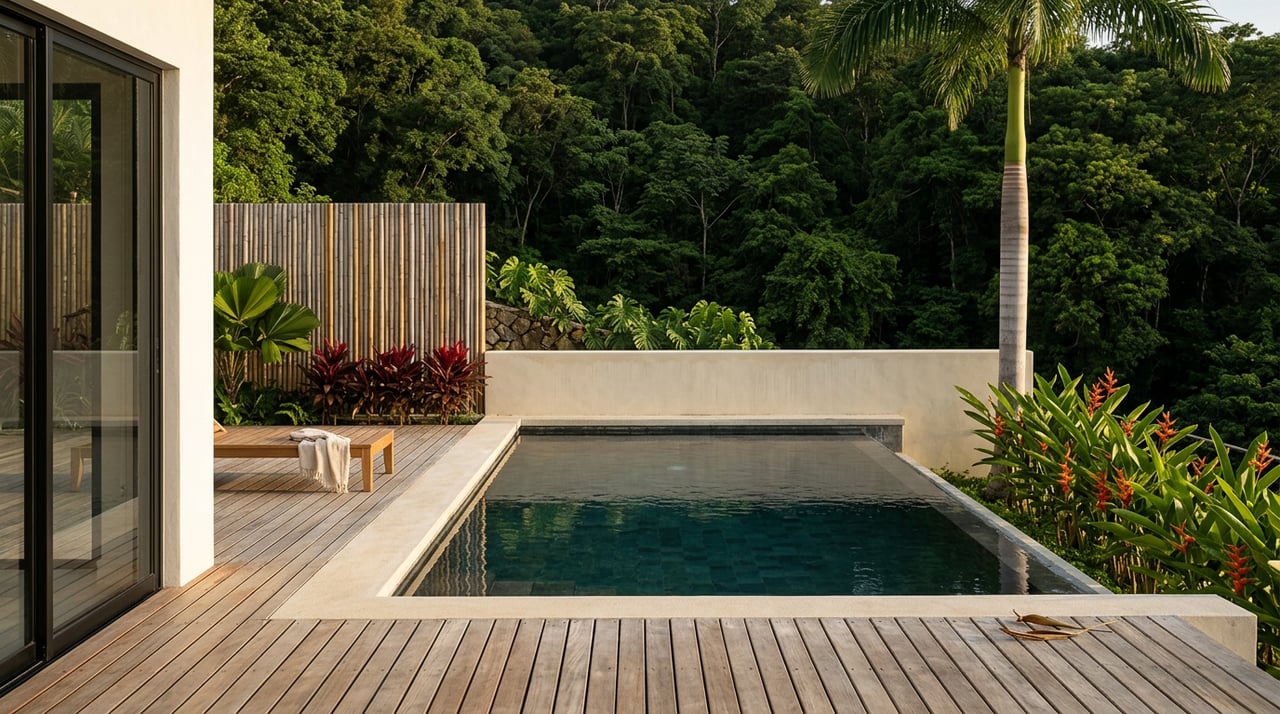
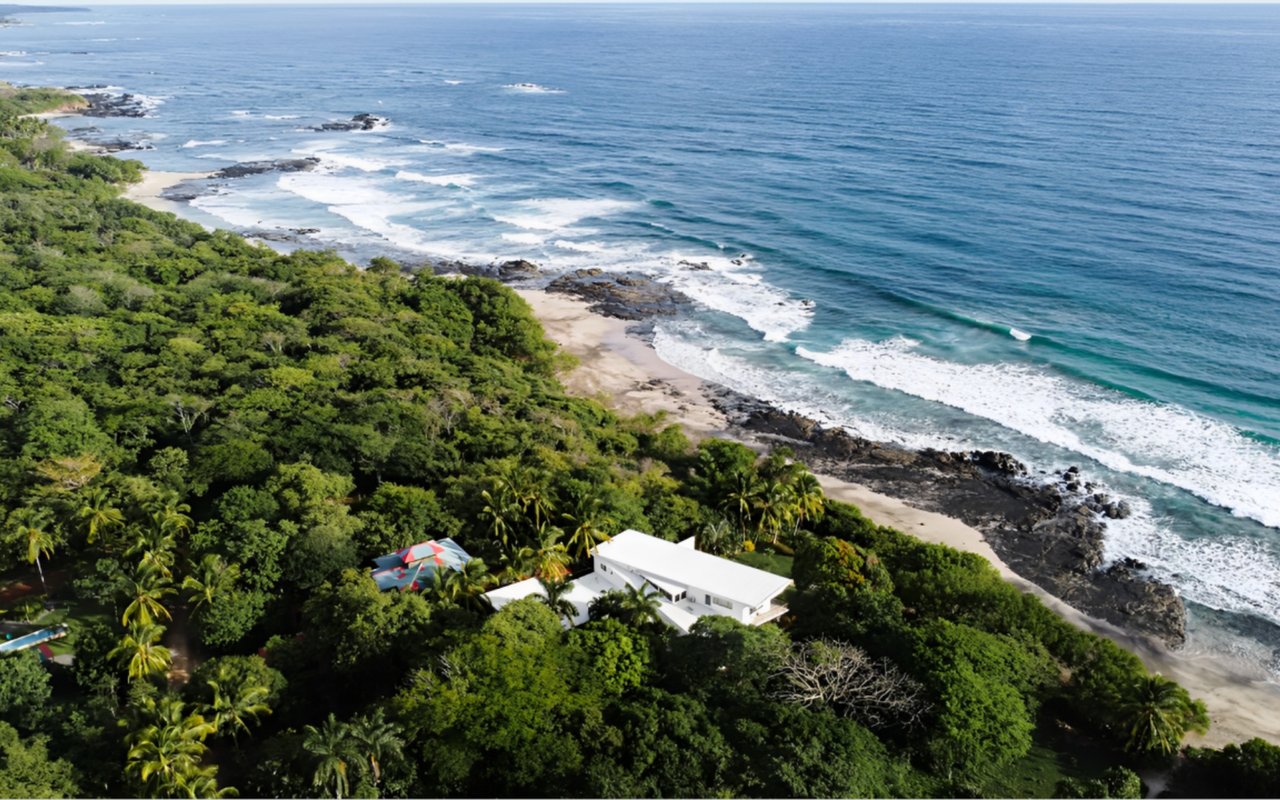
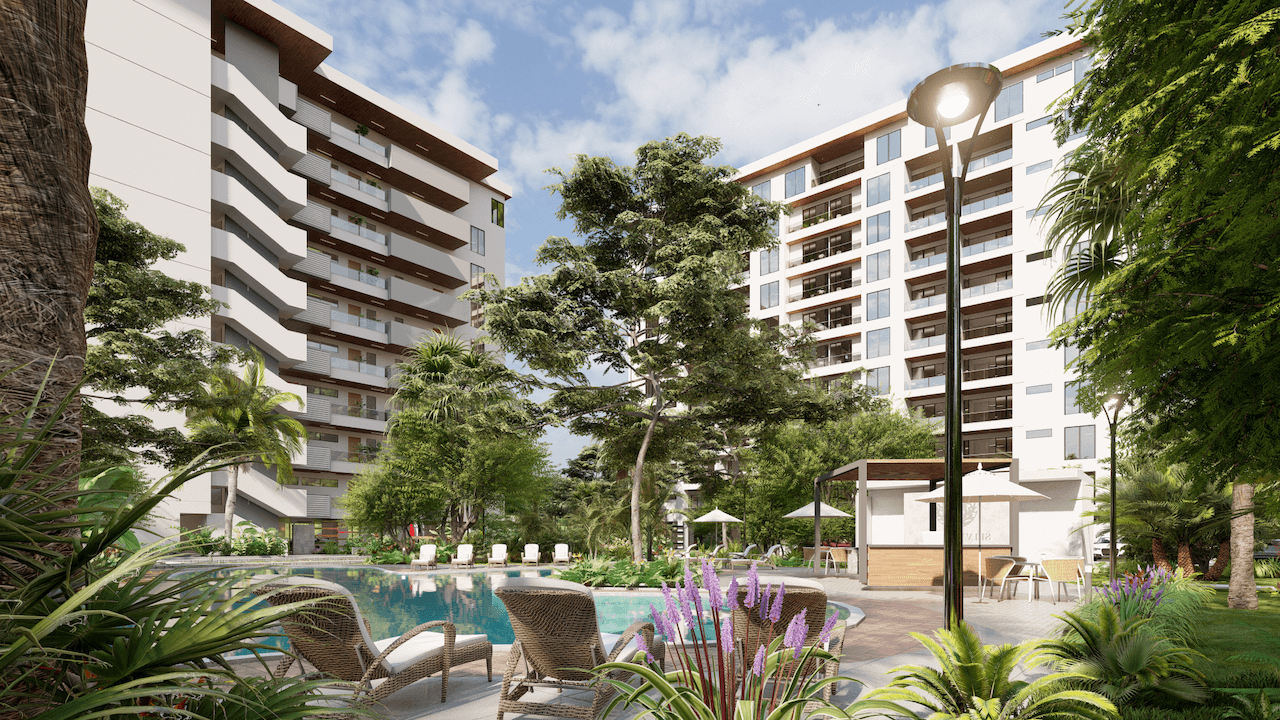
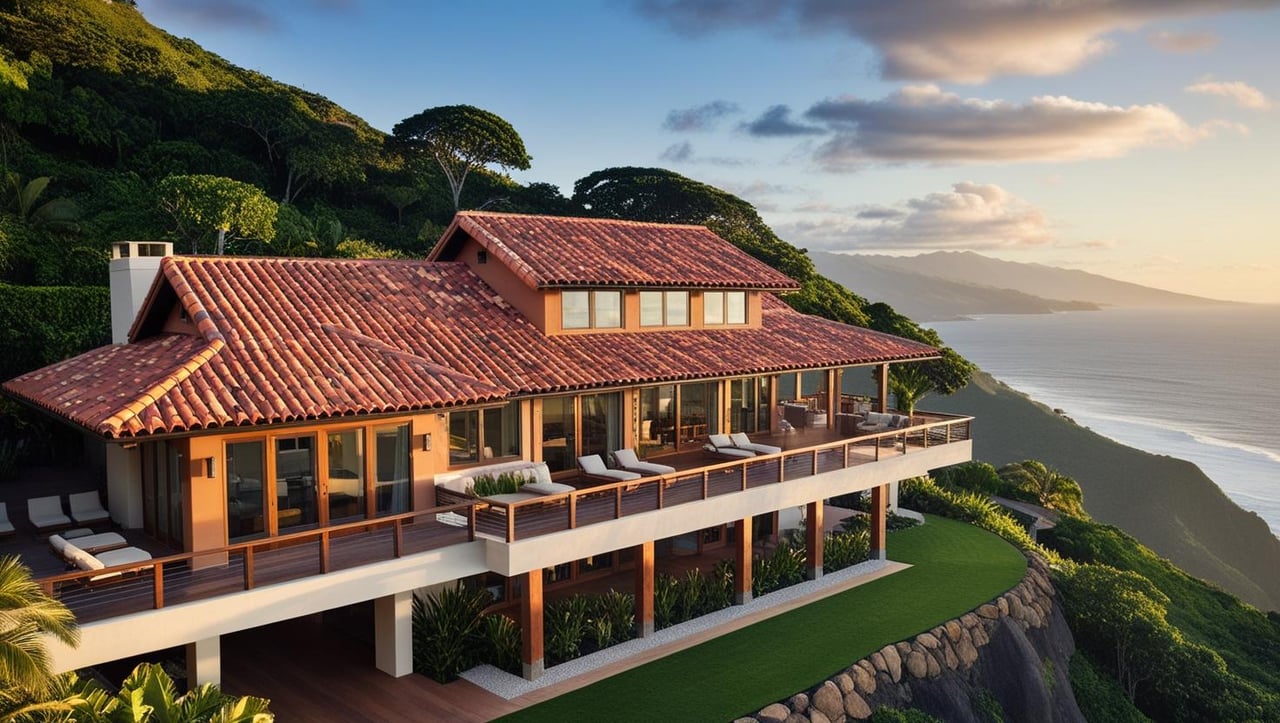
Hilton's release describes Maravé Manuel Antonio, LXR Hotels & Resorts as a nearly 40-acre estate of titled beachfront that descends from a rainforest ridge to 650 feet of Pacific shoreline. It has 173 accommodations, including 116 residences made up of 66 villas, 46 oceanfront condominiums and four penthouses. Sales are expected to launch in fall 2026, construction is anticipated to finish in late 2028, and the property is expected to open in 2029. Residence owners receive Hilton Honors Diamond status.
Those are the developer's stated targets. The developer named in the announcement is Ocean Cove MA Development One S.A. The Tico Times reported on August 28 that a tourism and residential project called Ocean Cove in Manuel Antonio has been under a works stoppage, and that the Municipality of Quepos and SINAC, the national conservation system, confirmed the suspension in January. Both institutions described a further complaint alleging possible environmental damage that remained under judicial review, and the Tico Times found no public resolution announced since January. The January Tico Times coverage described complaints filed on December 9 with SINAC, the municipality and SETENA, the environmental technical secretariat, alleging harm to forest and plant cover.
The public record does not line up cleanly on when that stoppage began, and neither Hilton nor the Tico Times says in so many words that the stopped project and Maravé occupy the same parcel. The shared developer name is enough reason for a buyer to ask. The same coverage notes that authorities halted the Islas de Manuel Antonio project in 2024 and that a court upheld that suspension in September 2025. That is a different project, and it shows that regulators near the park have acted on land-use complaints.
Titled beachfront settles the question of ownership type. It does not settle whether a given construction phase holds every approval it needs, and the two are checked in different places.
Questions to put to your attorney and escrow agent
None of this is legal or financial advice, and a licensed Costa Rican attorney should verify every item. These are questions a buyer of a pre-construction residence can bring to that conversation:
- Which environmental and municipal approvals cover the phase I am buying, and can I see them in writing?
- What is the status of the judicial review the Tico Times described, and does it touch this parcel?
- Where does my deposit sit, and what exactly triggers its release?
- What happens to my contract if construction starts later than the late-2028 completion target implies?
- Does the sales-and-purchase agreement tie any amenity, brand privilege or opening date to a deadline the developer must meet?
A buyer of an existing villa in Manuel Antonio faces none of the construction risk. That buyer still decides how much of the 2029 opening and the apron to price in, and the table above suggests pricing in none of it until it reaches at least the order-to-start rung.
Two short questions
Will jets be able to land at La Managua once the apron is built? The sources describe an apron for private aviation, and in May a design sized mostly for small private aircraft and helicopters. Nothing in them covers jet operations, so a buyer who cares about that access should ask the Directorate General of Civil Aviation, which owns and manages the aerodrome.
Where can a buyer check current status? La Nación reported that the terminal tender is open on Sicop, so that is the place to look for terminal steps. Hilton's release covers the developer's stated timeline. The Municipality of Quepos, which handles building permits, and SINAC are the bodies the Tico Times named in connection with the Ocean Cove suspension.
If you are weighing Manuel Antonio against Uvita, Ojochal or Jacó, Bluezone Realty International can walk you through where each announcement stands and what your attorney and escrow agent should confirm before you rely on it. Schedule a private consultation.