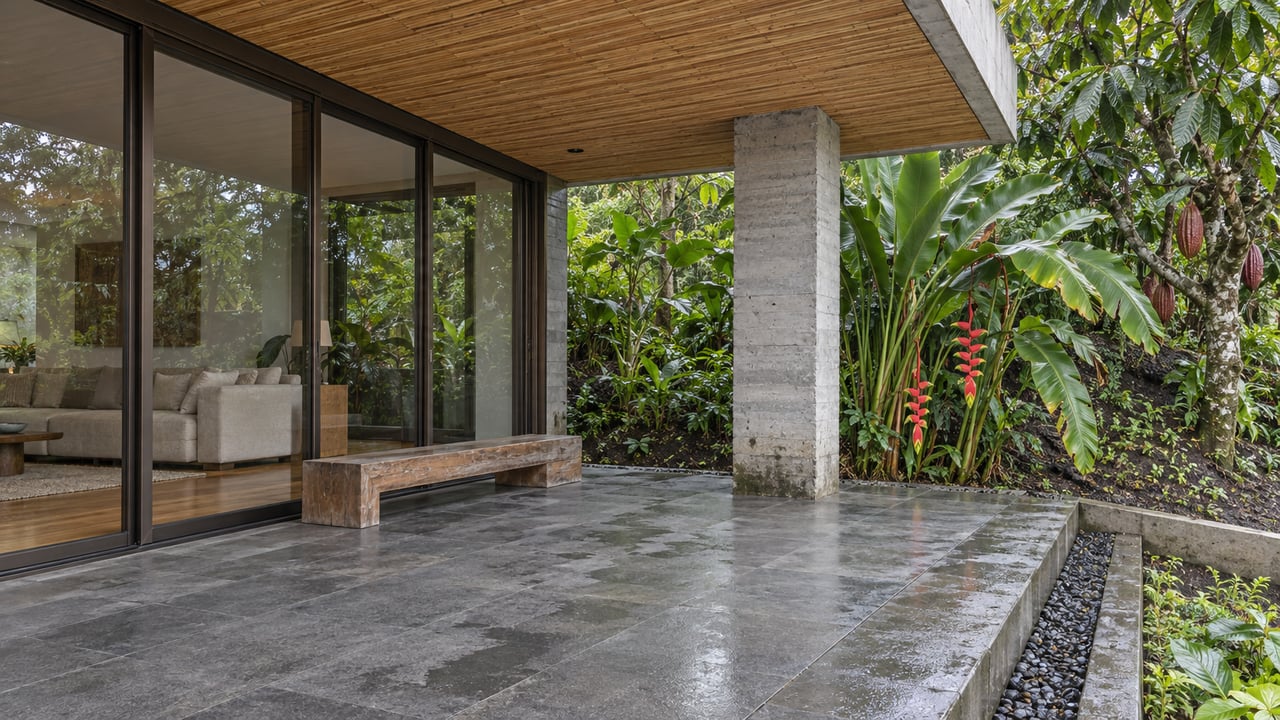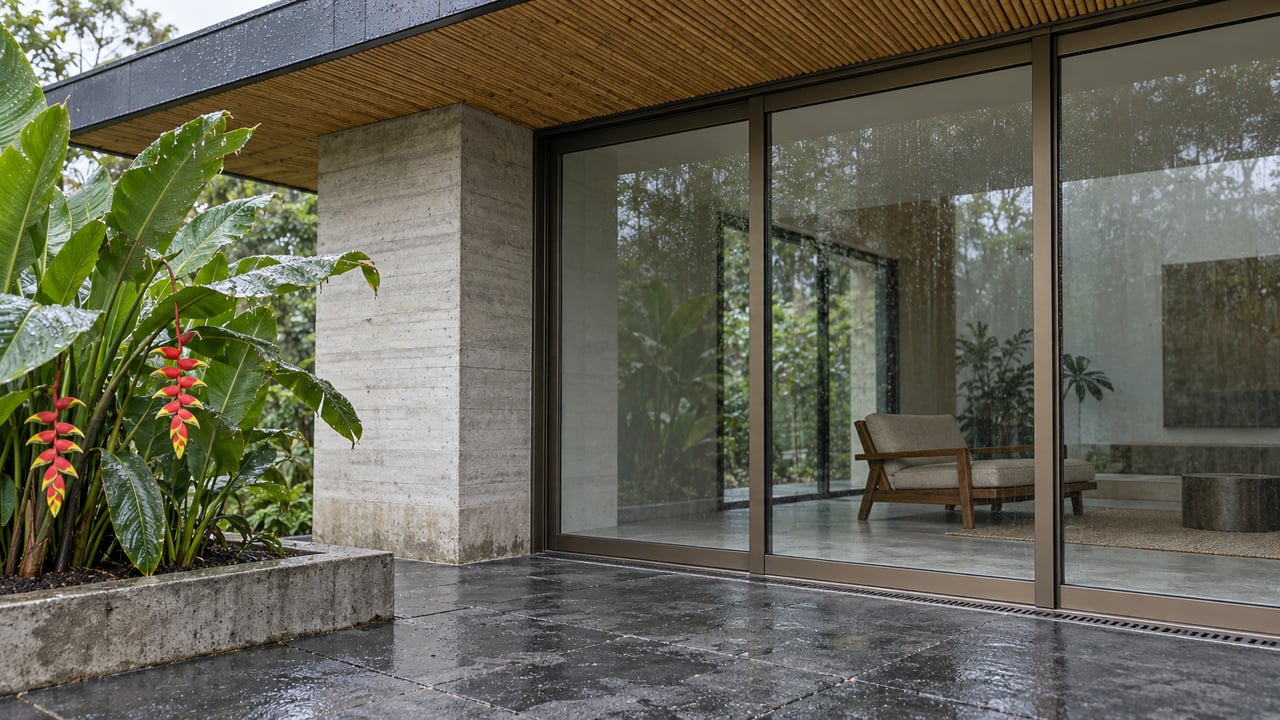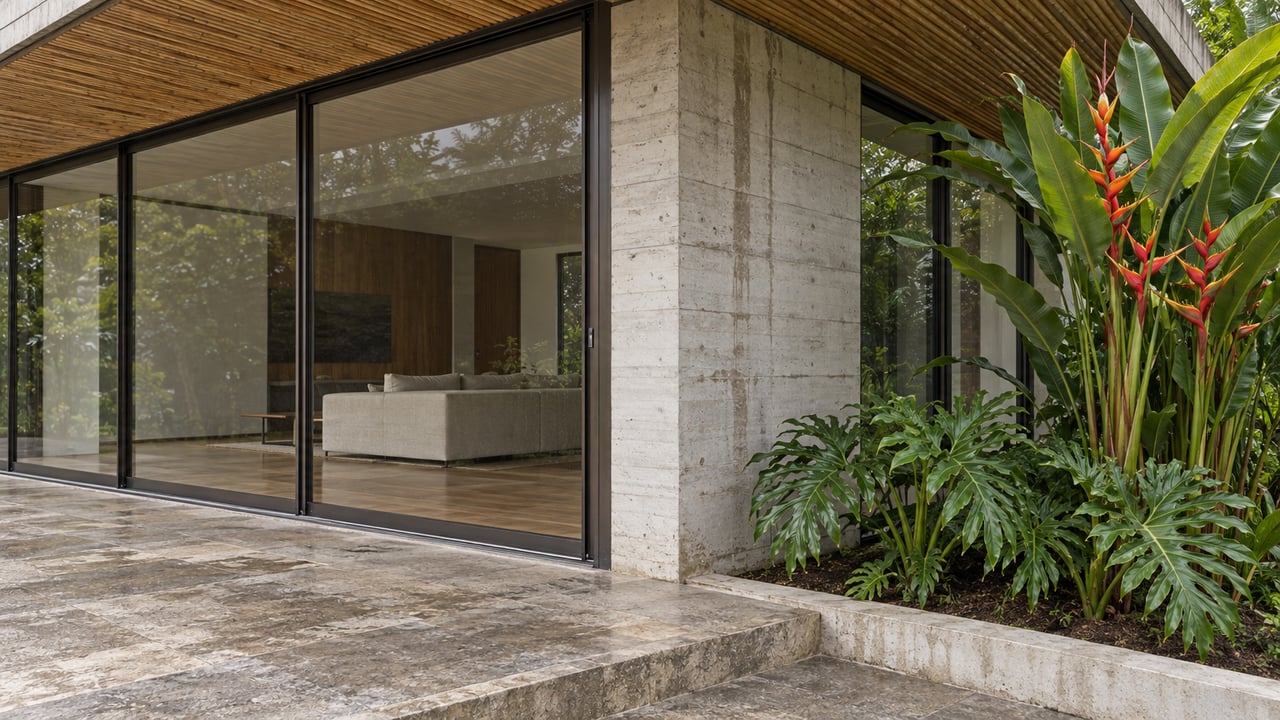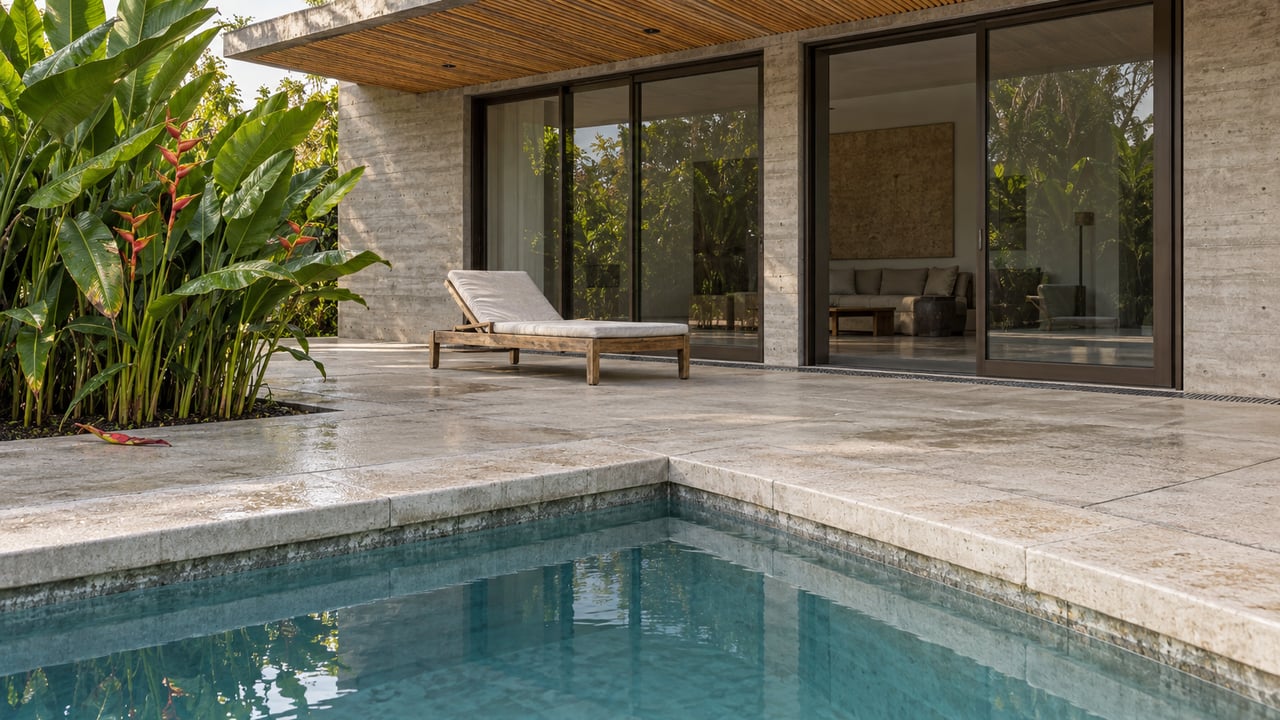
Since July 14, 2026, a foreign buyer in Uvita who plans to apply for Costa Rican residency as an investor is working under a new rule set. Most of the attention has gone to the tax incentives that expired. For a property purchase, the incentive that ended was small. The parts that still decide the application are a certificate from the Municipalidad de Osa, the name on the title, and a January 1 date that can leave a new owner's file showing the previous owner's number.
What closed on July 14, priced in dollars
Law 9996, the law to attract investors, rentistas and pensioners, let eligible people opt into its Article 5 benefits "only during the first five years" after it took effect. It took effect on publication in La Gaceta No. 135 on July 14, 2021, so the window closed in July 2026. Anyone who opted in on time keeps those benefits for ten years from the date they were granted.
The package covered duty-free import of household goods, up to two vehicles free of import duties and VAT, an income-tax exemption on the amounts declared to qualify, and a 20% reduction of the property transfer tax. The household-goods and vehicle benefits could be worth a lot to a family shipping a container. The real estate benefit was 20% of the tax, not 20% of the price. The ordinary transfer tax under Law 6999 is 1.5%, so the most the reduction could save was 0.3% of the taxable value.
| Taxable value of the purchase | Transfer tax at 1.5% | Former 20% reduction |
|---|---|---|
| $150,000 | $2,250 | $450 |
| $200,000 | $3,000 | $600 |
| $500,000 | $7,500 | $1,500 |
The Registro Nacional's separate transfer fee was never part of the reduction. Its published tariff, updated August 8, 2025, is ₡5 for every ₡1,000, or 0.5%. On a Uvita closing, losing the incentive is a rounding error. The proof requirements for an investor application are set out in the regulation to the law.
The paragraph in Decree 43926 that decides the file
Investor residency now runs under Decree 43926, the regulation to Law 9996, which the Dirección General de Migración y Extranjería links from its own requirements page. Article 7(A) explains how a real estate investment is proven. In translation, the key requirements are:
The applicant must be the registered owner of a property duly recorded in the Registro Nacional... Properties registered in the name of legal entities will not be accepted for these purposes. Notarial or certified public accountant certifications will not be admitted to demonstrate investment through real estate.
The next clause names the valuation document. The applicant must provide a certificate from the relevant municipality, issued no more than three months before filing, that shows "the value of the property on which the taxes are estimated" and confirms municipal taxes are paid up. Uvita is in the canton of Osa, so that municipality is the Municipalidad de Osa. If the purchase used a mortgage, the applicant must also show a down payment of at least US$150,000, or reach that sum together with other qualifying investments.
The article does not ask for an appraisal or for the deed price. The only valuation document it names is the municipal certificate showing the value the property tax is calculated on.
Where a sociedad-held house leaves the picture
The first clause has a direct effect on resale homes in Costa Ballena, where many properties are held through a corporation and sold by transferring the shares. If a buyer takes over the shares of a sociedad that owns a house in Uvita, the property stays registered to the company, and Article 7(A) excludes property in a legal entity's name.
For a buyer who wants the house itself to support residency, the ownership structure is a question to settle with an attorney before closing, not after.
The Osa tax roll updates on January 1
Even with title in your own name, the municipal value in your file depends on the calendar. Under Law 7509, the property tax law, which Osa hosts on its own site, a higher price stated in the deed changes the tax base automatically. So does a higher value the owner formally declares. The law's regulation then says automatic changes take effect on January 1 of the year after they are recorded.
For a buyer closing this season, the order of events looks like this:
- The deed is signed and recorded at the Registro Nacional, showing the actual purchase price.
- The higher value reaches the Osa tax administration as an automatic change.
- The new value starts to govern the tax calculation on January 1 of the following year.
- The residency application needs a municipal certificate issued within the last three months.
If you close in November 2026 and file in December, steps 3 and 4 may not line up. The base the property tax is currently calculated on could still be the seller's last declaration. Owners only have to declare at least every five years, so that figure can be old. The land values underneath it may be older still. The Órgano de Normalización Técnica's inventory, updated June 15, 2026, lists Osa's land-value platform as "2018-2009." The ONT also notes that municipalities' own published values can differ and should be checked with each municipality. Which value the certificate will show on your filing date is a question for your attorney to put to Osa.
The deed price matters in another way. Law 7509 updates the base automatically only for a higher value stated in a transfer deed, so a deed that states less than the real price does not lift the tax base to the real price.
The threshold has no official answer either
The municipal figure has to clear a dollar threshold, and that threshold is disputed. The DGME's requirements page, updated October 14, 2026, still states a minimum investment of US$150,000 for the Inversionista subcategory. Article 8 of Law 9996, however, sets that amount "for the term established by this law."
People of Costa Rica reported on July 16, 2026 that no extension had passed and that the minimum had returned to US$200,000. In an August 25, 2026 analysis, attorney Ramón María Yglesias Piza argues that the five-year limit in Article 12 applies only to the Article 5 tax benefits, which leaves "a genuine legal gap" on the investment amount. He writes that neither reading has been confirmed by any authority, and he recommends a formal written query to the DGME before committing capital.
Colones on the certificate, dollars on the threshold
Because the threshold itself is uncertain, the margin above it matters, and the currency makes that margin move. The Osa certificate states a value in colones. The decree converts the dollar minimum at the Banco Central de Costa Rica's official selling rate and does not fix the date of that rate. As simple arithmetic, a colón value worth exactly US$150,000 on filing day would be worth about US$136,400 if the dollar later strengthened 10% against the colón.
Timing matters here too. The subcategory is granted for two years and can be renewed, and at each renewal the investor must show the investment has been maintained without interruption. A Uvita property that only just clears the threshold in colones at filing could fall short two years later without anything changing on the land.
Requesting the paperwork from Osa
The Municipalidad de Osa takes requests through an online form. It offers a "constancia" or a "certificación" that municipal taxes are current, each for ₡1,500. A certificación also needs a ₡5 Archivo Nacional stamp. Posted processing times are 3 to 5 business days for a constancia and 5 to 10 for a certificación, counted after payment is validated. The form's description does not say the document shows the property's assessed value, while Article 7(A)(3) asks for both the value and the tax status. Confirming the exact document with the municipality and your attorney before filing avoids a second request.
The municipal office is 2.5 km south of Hospital Tomás Casas in Ciudad Cortés and is open Monday to Friday, 8 a.m. to 4 p.m. Contact details are 2782-0000 and [email protected]. The municipality also runs an Oficina Virtual with links to property declarations and constancias. For tax questions, a WhatsApp line at 8633-7171 answers during weekday office hours.
Short answers
I opted into Law 9996 before July 14, 2026. Do I lose the benefits? No. The law keeps benefits for timely opt-ins for ten years from the grant date. Article 5 ties the transfer-tax reduction to property acquired "within the term of this law."
Does investor status make me a Costa Rican tax resident? Not automatically. Article 6 of Law 9996 says tax residency depends on the requirements of Income Tax Law 7092.
Can I add other investments to the property to reach the minimum? Article 7 allows the real estate amount to be combined with other investment types the decree lists, such as shares and securities.
This article is general information, not legal, tax or immigration advice. Confirm your own filing, threshold and title structure with your Costa Rican attorney and in writing with the DGME.
If residency is part of why you're looking at Uvita, Bluezone Realty International can coordinate your closing date and Osa paperwork with your immigration attorney before you make an offer, so the title, the deed and the certificate all match the file they will support. Schedule a private consultation.